SOP Writer Skill
Write a Standard Operating Procedure (SOP) for any operational task.
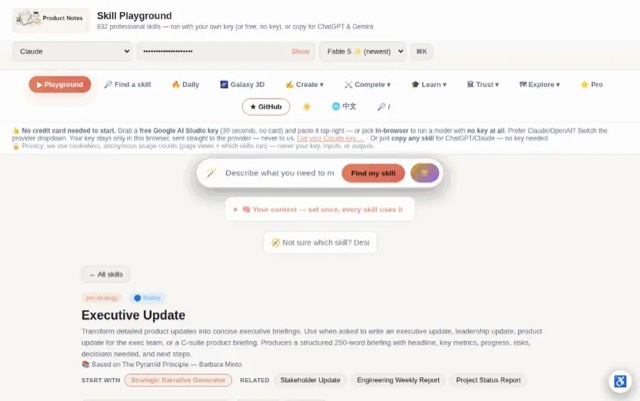
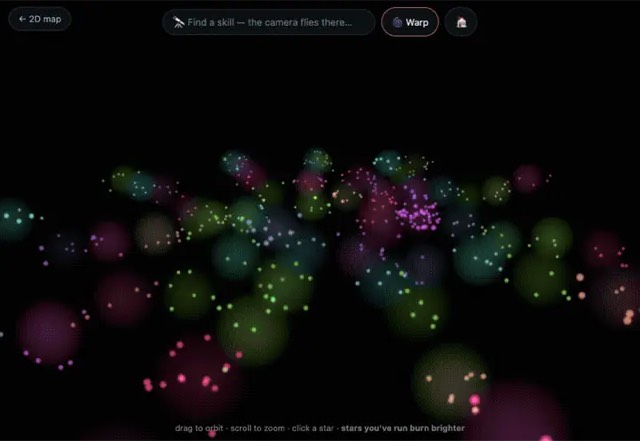
From the mohitagw15856/pm-claude-skills README — shows the whole collection, not only this skill. · view on GitHub
How to use it
Claude Code
- Run the line below. It pulls the whole folder into
~/.claude/skills/sop-writer. - Describe your job in plain words. Claude Code follows the skill from there.
Claude Code — installs the whole folder, not just SKILL.md
npx degit mohitagw15856/pm-claude-skills/skills/sop-writer#main ~/.claude/skills/sop-writerFor one project only, change the path to .claude/skills/sop-writer.
Claude (web or desktop app)
- On this page open ⋯ → Download .md.
- Save it as SKILL.md in a folder, zip the folder, then Customize → Skills → + → Create skill → Upload a skill.
- Pick the file and Save. Claude shows the name and description and runs a security scan.
- Check the skill is switched on.
- Start a new chat and describe your job in plain words. The AI follows the skill from there.
ChatGPT or another app
- ChatGPT: make a Project and paste it into Instructions.
- Neither? Paste it at the top of a new chat — it works for that chat.
Not working?
- Check which app you pasted it into — the steps above name the right one.
- Some skills need the paid tier of Claude or ChatGPT.
Paste into Claude, ChatGPT or Cursor.
Source of SOP Writer Skill
Show the full text103 lines
| name | description |
|---|---|
| sop-writer | Write a Standard Operating Procedure (SOP) for any operational task. Use when asked to write an SOP, standard operating procedure, work instruction, or operating manual. Produces a formal SOP with purpose, scope, procedure steps, quality checks, and version control. |
SOP Writer Skill
Produces formal, audit-ready SOPs suitable for regulated industries, ISO certification, or operational scaling.
Required Inputs
- SOP title (e.g. "SOP-001: New Client Onboarding")
- Department / function
- Process description
- Regulatory or quality standard (ISO 9001, GMP, CQC, FCA, etc.)
- Roles involved
- Tools or equipment used
Output Structure
[COMPANY NAME] — Standard Operating Procedure
| Document ID | [SOP-XXX] |
|---|---|
| Title | [Title] |
| Department | [Department] |
| Version | 1.0 |
| Effective date | [Date] |
| Review date | [Date] |
| Status | Draft / Under review / Approved |
1. Purpose
[1-2 sentences. Why does this SOP exist?]
2. Scope
Applies to: [Roles, departments, locations] Does not apply to: [Explicit exclusions]
3. Definitions
| Term | Definition |
|---|---|
| [Term] | [Plain English definition] |
4. Responsibilities
| Role | Responsibility |
|---|---|
| [Role] | [Specific responsibility] |
5. Required Materials / Tools / Access
- [Item]
6. Procedure
| Step | Action | Responsible | Record/Output |
|---|---|---|---|
| 6.1.1 | [Imperative action: "Open [system] and navigate to [location]"] | [Role] | [What to record] |
NOTE: Steps must be written in imperative form. Each step must have one action only.
7. Quality Checks
| Check point | What to verify | Pass criteria | If fail |
|---|---|---|---|
| [After step X] | [What to check] | [What good looks like] | [What to do] |
8. Non-Conformance
- [Immediate action]
- [Who to notify]
- [How to document deviation]
9. References
[Related SOPs, policies, standards]
10. Document History
| Version | Date | Author | Changes |
|---|---|---|---|
| 1.0 | [Date] | [Name] | Initial release |
Quality Checks
- All steps written in imperative form ("Open...", "Navigate...", "Confirm...")
- Each step has exactly one action
- Role specified for every step
- Quality checkpoints at critical stages
- Non-conformance process defines who to notify and how to document
- Document history table and review date are included
Example Trigger Phrases
- "Write an SOP for [process]"
- "Create a standard operating procedure for [task]"
- "Write a work instruction for [process]"
Anti-Patterns
- Do not write steps that contain more than one action — each step must be a single, auditable action in imperative form
- Do not omit a role from any step — every action must be assigned to a specific role or the SOP cannot be enforced
- Do not skip the non-conformance section — an SOP without a deviation process cannot meet audit or regulatory requirements
- Do not produce an SOP without a review date and version history — undated documents cannot be relied upon for compliance
- Do not use passive voice in procedure steps — write "Open the system" not "The system should be opened"
| 1 | |
| 2 | name sop-writer |
| 3 | description "Write a Standard Operating Procedure (SOP) for any operational task. Use when asked to write an SOP, standard operating procedure, work instruction, or operating manual. Produces a formal SOP with purpose, scope, procedure steps, quality checks, and version control." |
| 4 | |
| 5 | |
| 6 | # SOP Writer Skill |
| 7 | |
| 8 | Produces formal, audit-ready SOPs suitable for regulated industries, ISO certification, or operational scaling. |
| 9 | |
| 10 | ## Required Inputs |
| 11 | **SOP title** (e.g. "SOP-001: New Client Onboarding") |
| 12 | **Department / function** |
| 13 | **Process description** |
| 14 | **Regulatory or quality standard** (ISO 9001, GMP, CQC, FCA, etc.) |
| 15 | **Roles involved** |
| 16 | **Tools or equipment used** |
| 17 | |
| 18 | ## Output Structure |
| 19 | |
| 20 | |
| 21 | |
| 22 | **[COMPANY NAME] — Standard Operating Procedure** |
| 23 | |
| 24 | | Document ID | [SOP-XXX] | |
| 25 | |---|---| |
| 26 | | Title | [Title] | |
| 27 | | Department | [Department] | |
| 28 | | Version | 1.0 | |
| 29 | | Effective date | [Date] | |
| 30 | | Review date | [Date] | |
| 31 | | Status | Draft / Under review / Approved | |
| 32 | |
| 33 | |
| 34 | |
| 35 | ### 1. Purpose |
| 36 | [1-2 sentences. Why does this SOP exist?] |
| 37 | |
| 38 | ### 2. Scope |
| 39 | **Applies to:** [Roles, departments, locations] |
| 40 | **Does not apply to:** [Explicit exclusions] |
| 41 | |
| 42 | ### 3. Definitions |
| 43 | | Term | Definition | |
| 44 | |---|---| |
| 45 | | [Term] | [Plain English definition] | |
| 46 | |
| 47 | ### 4. Responsibilities |
| 48 | | Role | Responsibility | |
| 49 | |---|---| |
| 50 | | [Role] | [Specific responsibility] | |
| 51 | |
| 52 | ### 5. Required Materials / Tools / Access |
| 53 | [Item] |
| 54 | |
| 55 | ### 6. Procedure |
| 56 | |
| 57 | | Step | Action | Responsible | Record/Output | |
| 58 | |---|---|---|---| |
| 59 | | 6.1.1 | [Imperative action: "Open [system] and navigate to [location]"] | [Role] | [What to record] | |
| 60 | |
| 61 | NOTE: Steps must be written in imperative form. Each step must have one action only. |
| 62 | |
| 63 | ### 7. Quality Checks |
| 64 | |
| 65 | | Check point | What to verify | Pass criteria | If fail | |
| 66 | |---|---|---|---| |
| 67 | | [After step X] | [What to check] | [What good looks like] | [What to do] | |
| 68 | |
| 69 | ### 8. Non-Conformance |
| 70 | [Immediate action] |
| 71 | [Who to notify] |
| 72 | [How to document deviation] |
| 73 | |
| 74 | ### 9. References |
| 75 | [Related SOPs, policies, standards] |
| 76 | |
| 77 | ### 10. Document History |
| 78 | |
| 79 | | Version | Date | Author | Changes | |
| 80 | |---|---|---|---| |
| 81 | | 1.0 | [Date] | [Name] | Initial release | |
| 82 | |
| 83 | ## Quality Checks |
| 84 | [ ] All steps written in imperative form ("Open...", "Navigate...", "Confirm...") |
| 85 | [ ] Each step has exactly one action |
| 86 | [ ] Role specified for every step |
| 87 | [ ] Quality checkpoints at critical stages |
| 88 | [ ] Non-conformance process defines who to notify and how to document |
| 89 | [ ] Document history table and review date are included |
| 90 | |
| 91 | ## Example Trigger Phrases |
| 92 | "Write an SOP for [process]" |
| 93 | "Create a standard operating procedure for [task]" |
| 94 | "Write a work instruction for [process]" |
| 95 | |
| 96 | ## Anti-Patterns |
| 97 | |
| 98 | [ ] Do not write steps that contain more than one action — each step must be a single, auditable action in imperative form |
| 99 | [ ] Do not omit a role from any step — every action must be assigned to a specific role or the SOP cannot be enforced |
| 100 | [ ] Do not skip the non-conformance section — an SOP without a deviation process cannot meet audit or regulatory requirements |
| 101 | [ ] Do not produce an SOP without a review date and version history — undated documents cannot be relied upon for compliance |
| 102 | [ ] Do not use passive voice in procedure steps — write "Open the system" not "The system should be opened" |
| 103 |
Discussion
On call handoff patternsMaster on-call shift handoffs with context transfer, escalation procedures, and documentation. Use this skill when transitioning on-call responsibilities between engineers and ensuring the incoming responder has full situational awareness, when writing a shift summary that captures active incidents, ongoing investigations, and recent changes, when handing off mid-incident so a fresh engineer can take over the incident commander role without losing context, when onboarding a new engineer to the on-call rotation for the first time, or when auditing and improving the quality of existing handoff processes across teams.HandoffCompact the current conversation into a handoff document for another agent to pick up. Save to a user-configured location (OS temp, home folder, or per-project .handoff/), redact secrets before write, suggest skills for the next session, and auto-load the latest handoff on the next SessionStart. First-run setup asks where to save so the project folder never gets cluttered. Use when the user says 'hand this off', 'handoff doc', 'summarize this for a new session', 'compact this conversation', 'I'm ending this session', 'pick this up later', or any variation signaling intent to pass work to a fresh agent. Also trigger on implicit signals: the user announcing they're switching machines, ending the day mid-task, or context is growing long without a natural stopping point.Financial Due Diligence SkillGenerate a financial due diligence checklist and analysis framework for any investment, acquisition, or partnership. Use when asked for a due diligence checklist, M&A financial review, investment analysis framework, or vendor financial assessment. Produces a document request list, key analytical questions, red flags checklist, and a summarised financial health assessment.Offsite Planner SkillPlan a team offsite that earns its cost — the purpose split (connection vs. decisions vs. planning, weighted on purpose), the agenda that alternates work and air, the logistics runbook, and the follow-through that makes Monday different from before. Use when asked plan our team offsite, design two days for the team, make this offsite not a waste, or what do we actually do at the offsite. Produces the purpose weighting, the day designs, the logistics checklist, and the commitments-capture that survives re-entry.
Browse more free Claude skills or everything in Operations.