Financial Due Diligence Skill
Generate a financial due diligence checklist and analysis framework for any investment, acquisition, or partnership.
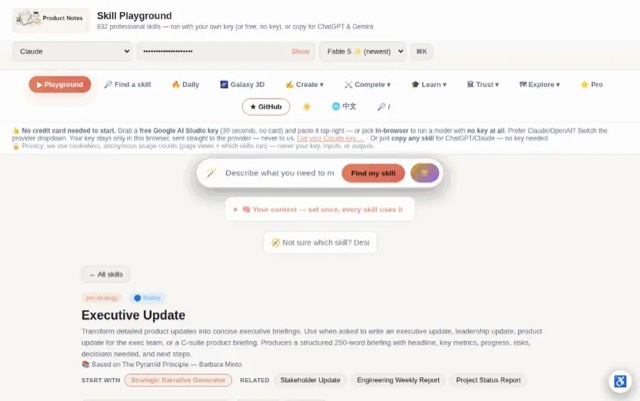


From the mohitagw15856/pm-claude-skills README — shows the whole collection, not only this skill. · view on GitHub
How to use it
Claude Code
- Run the line below. It pulls the whole folder into
~/.claude/skills/financial-due-diligence. - Describe your job in plain words. Claude Code follows the skill from there.
npx degit mohitagw15856/pm-claude-skills/skills/financial-due-diligence#main ~/.claude/skills/financial-due-diligenceFor one project only, change the path to .claude/skills/financial-due-diligence.
Claude (web or desktop app)
- On this page open ⋯ → Download .md.
- Save it as SKILL.md in a folder, zip the folder, then Customize → Skills → + → Create skill → Upload a skill.
- Pick the file and Save. Claude shows the name and description and runs a security scan.
- Check the skill is switched on.
- Start a new chat and describe your job in plain words. The AI follows the skill from there.
ChatGPT or another app
- ChatGPT: make a Project and paste it into Instructions.
- Neither? Paste it at the top of a new chat — it works for that chat.
Not working?
- Check which app you pasted it into — the steps above name the right one.
- Some skills need the paid tier of Claude or ChatGPT.
Paste into Claude, ChatGPT or Cursor.
Source of Financial Due Diligence Skill
Show the full text93 lines
| name | description |
|---|---|
| financial-due-diligence | Generate a financial due diligence checklist and analysis framework for any investment, acquisition, or partnership. Use when asked for a due diligence checklist, M&A financial review, investment analysis framework, or vendor financial assessment. Produces a document request list, key analytical questions, red flags checklist, and a summarised financial health assessment. |
Financial Due Diligence Skill
Produces a structured financial due diligence framework — document request list and analytical questions — for any investment, acquisition, or significant commercial relationship.
Required Inputs
- Transaction type (acquisition / investment / partnership / supplier / fundraise)
- Stage of diligence (initial screening / full DD / confirmatory)
- Target company type (startup / SME / listed / subsidiary)
- Key concerns (optional — e.g. revenue recognition, customer concentration)
Output Structure
1. Document Request List
Financial Statements
- Audited accounts for last 3 years
- Management accounts for current year (monthly)
- Board-approved budget and latest reforecast
- 3-year financial model with assumptions
Revenue
- Revenue by customer (top 20, % of total)
- Revenue by product/segment
- Contracted vs recurring vs one-off breakdown
- Churn and renewal data
Costs
- Cost of sales breakdown
- Headcount by department with compensation detail
- Top 10 supplier contracts
Cash and Debt
- Bank statements (12 months)
- Debt schedule with covenants and maturity
- Working capital analysis
Tax
- Last 3 years tax returns
- Any open enquiries
- R&D tax credit claims
2. Key Analytical Questions
Revenue quality: Is revenue growing organically? What % is truly recurring? Customer concentration risk?
Margin analysis: Gross margin trend over 3 years? One-off items inflating EBITDA? Normalised EBITDA?
Cash conversion: Does profit convert to cash? Cash conversion cycle? Working capital red flags?
Debt and liabilities: Net debt position? Contingent liabilities? Covenant headroom?
3. Red Flags Checklist
- Revenue concentration over 30% in one customer
- Declining gross margins without explanation
- EBITDA-to-cash conversion below 70%
- Auditor qualifications or emphasis of matter
- Related party transactions not at arm length
- Aggressive revenue recognition
- Growing debtor days with no explanation
4. Summary Output Template
- Revenue quality: [Assessment]
- Margin sustainability: [Assessment]
- Cash generation: [Assessment]
- Balance sheet risk: [Assessment]
- Overall: Green Strong / Amber Acceptable / Red Material concerns
Quality Checks
- Document request list is tailored to the transaction type and stage — not a generic template
- Red flags checklist covers revenue quality, margins, cash conversion, and balance sheet risk
- Every analytical question connects to a specific risk the transaction presents
- Summary output template is completed with an overall RAG assessment
- Disclaimer that this is a framework and does not substitute for qualified financial or legal advice
Anti-Patterns
- Do not present the checklist without tailoring it to the specific transaction type and stage of diligence
- Do not overlook revenue concentration risk — customer concentration above 20–30% is a material risk that must be flagged
- Do not confuse EBITDA with cash — always check cash conversion and identify non-cash items
- Do not skip the related-party transaction review — undisclosed related-party dealings are a common due diligence failure point
- Do not produce output without noting this is a framework and qualified financial and legal advice is required
Example Trigger Phrases
- "Give me a financial due diligence checklist for [company type]"
- "What documents should I request for financial DD?"
- "Build a DD framework for our Series A investment"
| 1 | |
| 2 | name financial-due-diligence |
| 3 | description "Generate a financial due diligence checklist and analysis framework for any investment, acquisition, or partnership. Use when asked for a due diligence checklist, M&A financial review, investment analysis framework, or vendor financial assessment. Produces a document request list, key analytical questions, red flags checklist, and a summarised financial health assessment." |
| 4 | |
| 5 | |
| 6 | # Financial Due Diligence Skill |
| 7 | |
| 8 | Produces a structured financial due diligence framework — document request list and analytical questions — for any investment, acquisition, or significant commercial relationship. |
| 9 | |
| 10 | ## Required Inputs |
| 11 | **Transaction type** (acquisition / investment / partnership / supplier / fundraise) |
| 12 | **Stage of diligence** (initial screening / full DD / confirmatory) |
| 13 | **Target company type** (startup / SME / listed / subsidiary) |
| 14 | **Key concerns** (optional — e.g. revenue recognition, customer concentration) |
| 15 | |
| 16 | ## Output Structure |
| 17 | |
| 18 | ### 1. Document Request List |
| 19 | |
| 20 | **Financial Statements** |
| 21 | Audited accounts for last 3 years |
| 22 | Management accounts for current year (monthly) |
| 23 | Board-approved budget and latest reforecast |
| 24 | 3-year financial model with assumptions |
| 25 | |
| 26 | **Revenue** |
| 27 | Revenue by customer (top 20, % of total) |
| 28 | Revenue by product/segment |
| 29 | Contracted vs recurring vs one-off breakdown |
| 30 | Churn and renewal data |
| 31 | |
| 32 | **Costs** |
| 33 | Cost of sales breakdown |
| 34 | Headcount by department with compensation detail |
| 35 | Top 10 supplier contracts |
| 36 | |
| 37 | **Cash and Debt** |
| 38 | Bank statements (12 months) |
| 39 | Debt schedule with covenants and maturity |
| 40 | Working capital analysis |
| 41 | |
| 42 | **Tax** |
| 43 | Last 3 years tax returns |
| 44 | Any open enquiries |
| 45 | R&D tax credit claims |
| 46 | |
| 47 | ### 2. Key Analytical Questions |
| 48 | |
| 49 | **Revenue quality:** Is revenue growing organically? What % is truly recurring? Customer concentration risk? |
| 50 | |
| 51 | **Margin analysis:** Gross margin trend over 3 years? One-off items inflating EBITDA? Normalised EBITDA? |
| 52 | |
| 53 | **Cash conversion:** Does profit convert to cash? Cash conversion cycle? Working capital red flags? |
| 54 | |
| 55 | **Debt and liabilities:** Net debt position? Contingent liabilities? Covenant headroom? |
| 56 | |
| 57 | ### 3. Red Flags Checklist |
| 58 | Revenue concentration over 30% in one customer |
| 59 | Declining gross margins without explanation |
| 60 | EBITDA-to-cash conversion below 70% |
| 61 | Auditor qualifications or emphasis of matter |
| 62 | Related party transactions not at arm length |
| 63 | Aggressive revenue recognition |
| 64 | Growing debtor days with no explanation |
| 65 | |
| 66 | ### 4. Summary Output Template |
| 67 | Revenue quality: [Assessment] |
| 68 | Margin sustainability: [Assessment] |
| 69 | Cash generation: [Assessment] |
| 70 | Balance sheet risk: [Assessment] |
| 71 | Overall: Green Strong / Amber Acceptable / Red Material concerns |
| 72 | |
| 73 | ## Quality Checks |
| 74 | |
| 75 | [ ] Document request list is tailored to the transaction type and stage — not a generic template |
| 76 | [ ] Red flags checklist covers revenue quality, margins, cash conversion, and balance sheet risk |
| 77 | [ ] Every analytical question connects to a specific risk the transaction presents |
| 78 | [ ] Summary output template is completed with an overall RAG assessment |
| 79 | [ ] Disclaimer that this is a framework and does not substitute for qualified financial or legal advice |
| 80 | |
| 81 | ## Anti-Patterns |
| 82 | |
| 83 | [ ] Do not present the checklist without tailoring it to the specific transaction type and stage of diligence |
| 84 | [ ] Do not overlook revenue concentration risk — customer concentration above 20–30% is a material risk that must be flagged |
| 85 | [ ] Do not confuse EBITDA with cash — always check cash conversion and identify non-cash items |
| 86 | [ ] Do not skip the related-party transaction review — undisclosed related-party dealings are a common due diligence failure point |
| 87 | [ ] Do not produce output without noting this is a framework and qualified financial and legal advice is required |
| 88 | |
| 89 | ## Example Trigger Phrases |
| 90 | "Give me a financial due diligence checklist for [company type]" |
| 91 | "What documents should I request for financial DD?" |
| 92 | "Build a DD framework for our Series A investment" |
| 93 |
Discussion
Browse more free Claude skills or everything in Operations.