Research Protocol Skill
Write a structured research protocol or study design document.
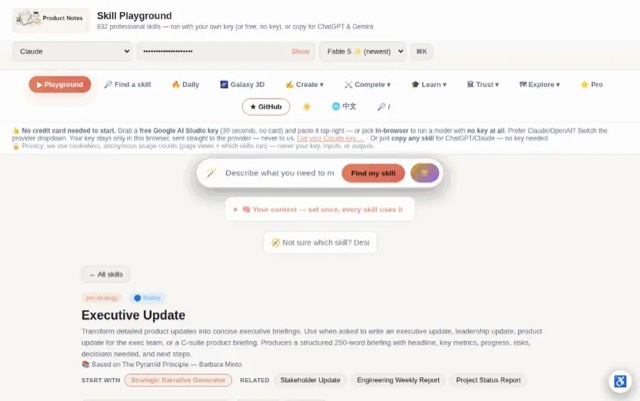
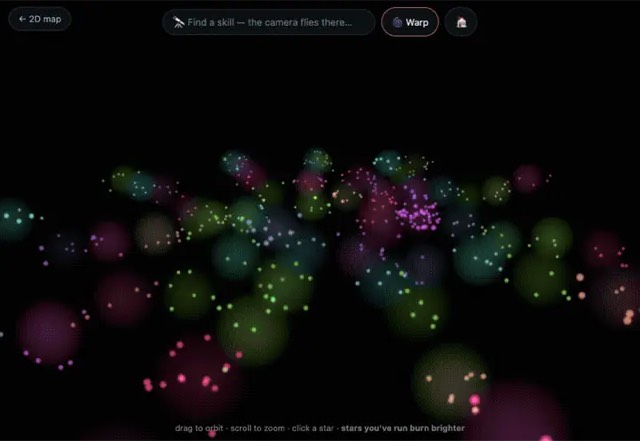
From the mohitagw15856/pm-claude-skills README — shows the whole collection, not only this skill. · view on GitHub
How to use it
Claude Code
- Run the line below. It pulls the whole folder into
~/.claude/skills/research-protocol. - Describe your job in plain words. Claude Code follows the skill from there.
npx degit mohitagw15856/pm-claude-skills/skills/research-protocol#main ~/.claude/skills/research-protocolFor one project only, change the path to .claude/skills/research-protocol.
Claude (web or desktop app)
- On this page open ⋯ → Download .md.
- Save it as SKILL.md in a folder, zip the folder, then Customize → Skills → + → Create skill → Upload a skill.
- Pick the file and Save. Claude shows the name and description and runs a security scan.
- Check the skill is switched on.
- Start a new chat and describe your job in plain words. The AI follows the skill from there.
ChatGPT or another app
- ChatGPT: make a Project and paste it into Instructions.
- Neither? Paste it at the top of a new chat — it works for that chat.
Not working?
- Check which app you pasted it into — the steps above name the right one.
- Some skills need the paid tier of Claude or ChatGPT.
Paste into Claude, ChatGPT or Cursor.
Source of Research Protocol Skill
Show the full text107 lines
| name | description |
|---|---|
| research-protocol | Write a structured research protocol or study design document. Use when asked to write a research protocol, study protocol, research plan, methodology section, or research proposal. Produces a complete protocol with objectives, methodology, ethical considerations, and analysis plan. |
Research Protocol Skill
Produces structured research protocols for academic, clinical, social science, or market research studies.
Required Inputs
- Research type (clinical trial / observational / qualitative / systematic review / survey)
- Research question or hypothesis
- Setting and population
- Proposed methodology
- Timeline
- Funder or institution (if applicable)
Output Structure
Research Protocol: [Study Title]
Version: 1.0 | Date: [Date] | PI: [Name, institution]
1. Background and Rationale
- What is already known
- What the gap in knowledge is
- Why this study is needed now
2. Research Objectives
Primary: [One clear answerable question or hypothesis] Secondary: [Additional questions]
3. Study Design
- Design: [RCT / cohort / qualitative / mixed methods]
- Setting: [Where]
- Duration: [Total period and recruitment window]
- Rationale: [Why this design fits the question]
4. Participants
Inclusion criteria: [List] Exclusion criteria: [List] Sample size: [n] — Basis: [Power calculation or saturation rationale] Recruitment: [Method and source]
5. Methodology / Intervention
For interventional: intervention description, control, randomisation, blinding For observational/qualitative: data collection methods, tools, data collectors
6. Outcomes / Measures
Primary outcome: [Measure], assessed by [method], at [timepoint] Secondary outcomes: [Measure], [method], [timepoint]
7. Data Management
- Storage: [Where and anonymisation method]
- Access controls: [Who can access]
- Retention: [How long]
8. Analysis Plan
Quantitative: [Statistical test], [missing data handling], [software] Qualitative: [Framework — e.g. Braun & Clarke], [quality assurance]
9. Ethical Considerations
- Ethics approval: [Body / reference]
- Informed consent: [Process]
- Confidentiality: [How maintained]
- Risk to participants: [Assessment and mitigation]
10. Dissemination Plan
- Target journals: [2-3 relevant]
- Conference presentations
- Public/patient summary
11. Timeline
| Phase | Activities | Start | End |
|---|---|---|---|
| Setup | Ethics, approvals, tool development | ||
| Recruitment | |||
| Data collection | |||
| Analysis | |||
| Write-up |
Quality Checks
- Primary objective is singular and answerable (not compound)
- Sample size has a stated basis (power calculation or saturation rationale)
- Ethical considerations section is complete
- Analysis plan is pre-specified (not "to be determined")
- Timeline includes all phases from ethics approval to write-up
Anti-Patterns
- Do not write an analysis plan as "to be determined" — the analysis approach must be pre-specified before data collection
- Do not skip the ethical considerations section — all research involving human participants requires ethical review
- Do not define research questions so broadly that the study cannot answer them within scope and budget
- Do not conflate the research question with the hypothesis — state them separately and clearly
- Do not omit sample size justification — an underpowered study wastes resources and produces inconclusive results
Example Trigger Phrases
- "Write a research protocol for [study]"
- "Help me design a study to investigate [question]"
- "Write the methodology for my research proposal"
| 1 | |
| 2 | name research-protocol |
| 3 | description "Write a structured research protocol or study design document. Use when asked to write a research protocol, study protocol, research plan, methodology section, or research proposal. Produces a complete protocol with objectives, methodology, ethical considerations, and analysis plan." |
| 4 | |
| 5 | |
| 6 | # Research Protocol Skill |
| 7 | |
| 8 | Produces structured research protocols for academic, clinical, social science, or market research studies. |
| 9 | |
| 10 | ## Required Inputs |
| 11 | **Research type** (clinical trial / observational / qualitative / systematic review / survey) |
| 12 | **Research question or hypothesis** |
| 13 | **Setting and population** |
| 14 | **Proposed methodology** |
| 15 | **Timeline** |
| 16 | **Funder or institution** (if applicable) |
| 17 | |
| 18 | ## Output Structure |
| 19 | |
| 20 | |
| 21 | |
| 22 | # Research Protocol: [Study Title] |
| 23 | **Version:** 1.0 | **Date:** [Date] | **PI:** [Name, institution] |
| 24 | |
| 25 | |
| 26 | |
| 27 | ### 1. Background and Rationale |
| 28 | What is already known |
| 29 | What the gap in knowledge is |
| 30 | Why this study is needed now |
| 31 | |
| 32 | ### 2. Research Objectives |
| 33 | **Primary:** [One clear answerable question or hypothesis] |
| 34 | **Secondary:** [Additional questions] |
| 35 | |
| 36 | ### 3. Study Design |
| 37 | **Design:** [RCT / cohort / qualitative / mixed methods] |
| 38 | **Setting:** [Where] |
| 39 | **Duration:** [Total period and recruitment window] |
| 40 | **Rationale:** [Why this design fits the question] |
| 41 | |
| 42 | ### 4. Participants |
| 43 | |
| 44 | **Inclusion criteria:** [List] |
| 45 | **Exclusion criteria:** [List] |
| 46 | **Sample size:** [n] — Basis: [Power calculation or saturation rationale] |
| 47 | **Recruitment:** [Method and source] |
| 48 | |
| 49 | ### 5. Methodology / Intervention |
| 50 | |
| 51 | For interventional: intervention description, control, randomisation, blinding |
| 52 | For observational/qualitative: data collection methods, tools, data collectors |
| 53 | |
| 54 | ### 6. Outcomes / Measures |
| 55 | **Primary outcome:** [Measure], assessed by [method], at [timepoint] |
| 56 | **Secondary outcomes:** [Measure], [method], [timepoint] |
| 57 | |
| 58 | ### 7. Data Management |
| 59 | Storage: [Where and anonymisation method] |
| 60 | Access controls: [Who can access] |
| 61 | Retention: [How long] |
| 62 | |
| 63 | ### 8. Analysis Plan |
| 64 | Quantitative: [Statistical test], [missing data handling], [software] |
| 65 | Qualitative: [Framework — e.g. Braun & Clarke], [quality assurance] |
| 66 | |
| 67 | ### 9. Ethical Considerations |
| 68 | Ethics approval: [Body / reference] |
| 69 | Informed consent: [Process] |
| 70 | Confidentiality: [How maintained] |
| 71 | Risk to participants: [Assessment and mitigation] |
| 72 | |
| 73 | ### 10. Dissemination Plan |
| 74 | Target journals: [2-3 relevant] |
| 75 | Conference presentations |
| 76 | Public/patient summary |
| 77 | |
| 78 | ### 11. Timeline |
| 79 | |
| 80 | | Phase | Activities | Start | End | |
| 81 | |---|---|---|---| |
| 82 | | Setup | Ethics, approvals, tool development | | | |
| 83 | | Recruitment | | | | |
| 84 | | Data collection | | | | |
| 85 | | Analysis | | | | |
| 86 | | Write-up | | | | |
| 87 | |
| 88 | ## Quality Checks |
| 89 | [ ] Primary objective is singular and answerable (not compound) |
| 90 | [ ] Sample size has a stated basis (power calculation or saturation rationale) |
| 91 | [ ] Ethical considerations section is complete |
| 92 | [ ] Analysis plan is pre-specified (not "to be determined") |
| 93 | [ ] Timeline includes all phases from ethics approval to write-up |
| 94 | |
| 95 | ## Anti-Patterns |
| 96 | |
| 97 | [ ] Do not write an analysis plan as "to be determined" — the analysis approach must be pre-specified before data collection |
| 98 | [ ] Do not skip the ethical considerations section — all research involving human participants requires ethical review |
| 99 | [ ] Do not define research questions so broadly that the study cannot answer them within scope and budget |
| 100 | [ ] Do not conflate the research question with the hypothesis — state them separately and clearly |
| 101 | [ ] Do not omit sample size justification — an underpowered study wastes resources and produces inconclusive results |
| 102 | |
| 103 | ## Example Trigger Phrases |
| 104 | "Write a research protocol for [study]" |
| 105 | "Help me design a study to investigate [question]" |
| 106 | "Write the methodology for my research proposal" |
| 107 |
Discussion
Browse more free Claude skills or everything in Product.