Literature Review Skill
Structure and write a literature review for any research topic.
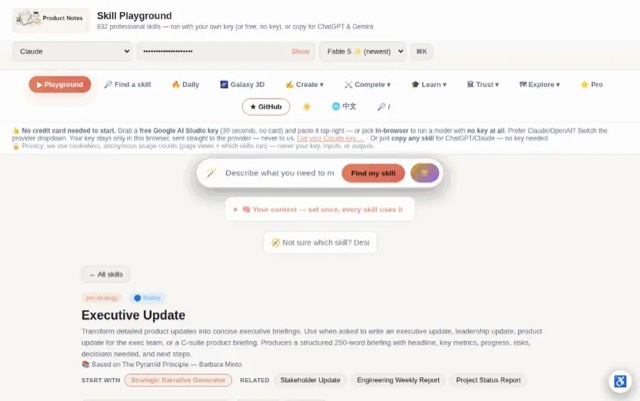
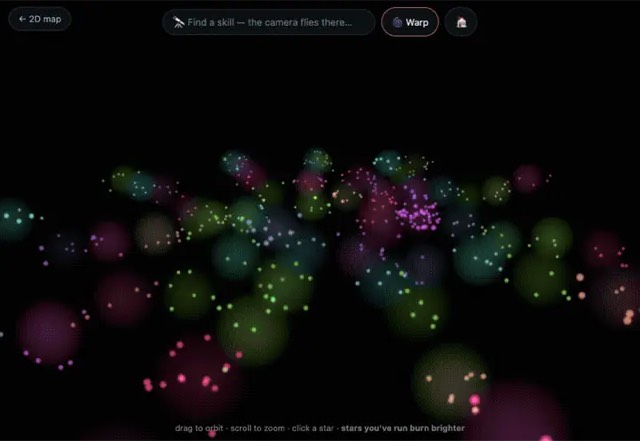
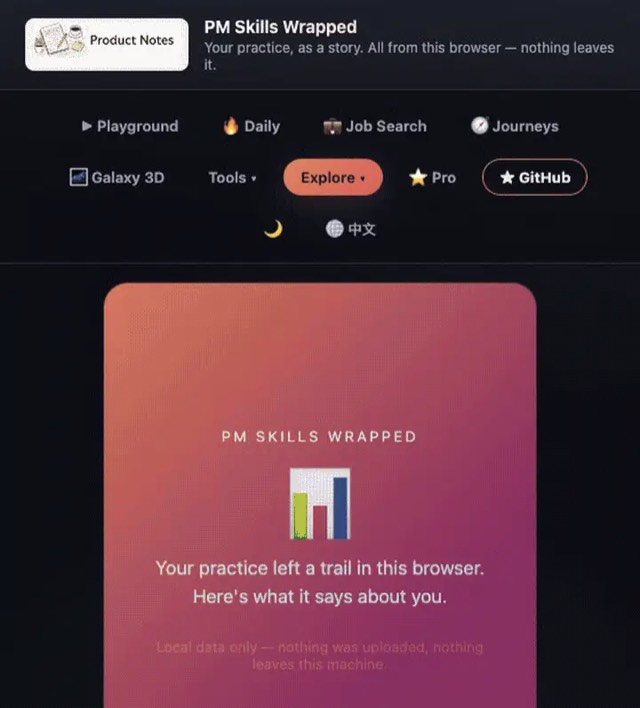
From the mohitagw15856/pm-claude-skills README — shows the whole collection, not only this skill. · view on GitHub
How to use it
Claude Code
- Run the line below. It pulls the whole folder into
~/.claude/skills/literature-review-2. - Describe your job in plain words. Claude Code follows the skill from there.
npx degit mohitagw15856/pm-claude-skills/skills/literature-review#main ~/.claude/skills/literature-review-2For one project only, change the path to .claude/skills/literature-review-2.
Claude (web or desktop app)
- On this page open ⋯ → Download .md.
- Save it as SKILL.md in a folder, zip the folder, then Customize → Skills → + → Create skill → Upload a skill.
- Pick the file and Save. Claude shows the name and description and runs a security scan.
- Check the skill is switched on.
- Start a new chat and describe your job in plain words. The AI follows the skill from there.
ChatGPT or another app
- ChatGPT: make a Project and paste it into Instructions.
- Neither? Paste it at the top of a new chat — it works for that chat.
Not working?
- Check which app you pasted it into — the steps above name the right one.
- Some skills need the paid tier of Claude or ChatGPT.
Paste into Claude, ChatGPT or Cursor.
Source of Literature Review Skill
Show the full text80 lines
| name | description |
|---|---|
| literature-review | Structure and write a literature review for any research topic. Use when asked to write a literature review, systematic review summary, narrative review, or research background section. Produces a structured review with thematic organisation, critical analysis, and gap identification. |
Literature Review Skill
Structures and writes literature reviews — from background sections of a dissertation through to standalone narrative reviews for publication.
Required Inputs
- Topic or research question
- Type of review (narrative / systematic / scoping / integrative / background section)
- Sources provided (paste references, abstracts, or key findings)
- Word count target
- Audience (academic journal / thesis / grant proposal / policy brief)
- Time period to cover
Output Structure
1. Search Strategy Summary (for systematic/scoping reviews)
Databases: [PubMed, EMBASE, PsycINFO, etc.] Search terms: [Key terms and Boolean combinations] Inclusion criteria: Study types, population, date range, language Exclusion criteria: [List] Results: [n] identified → [n] after deduplication → [n] screened → [n] included
2. Literature Review Body
Organised thematically — not chronologically. Each theme = one section.
Structure per thematic section:
[Theme heading]
[Opening: state what this section covers and what evidence shows overall]
[Evidence synthesis: present what multiple studies found, compare and contrast. Do NOT summarise one paper then the next — synthesise across them: "Three studies found X (Smith, 2019; Jones, 2020; Lee, 2021), while two found Y, with the difference attributable to..."]
[Critical analysis: note methodological strengths and weaknesses — sample sizes, study designs, generalisability, risk of bias]
[Closing: transition to next theme]
3. Synthesis Table (systematic/scoping reviews)
| Author, year | Study design | Population | n | Key findings | Quality/Limitations |
|---|
4. Gap Analysis
Well-established: [What literature consistently shows] Contested: [Areas where evidence is mixed and why] Missing: [Gaps the field needs to address] How your study addresses the gap: [If this is for a research proposal]
5. Conclusion Paragraph
[3-5 sentences. Current state of knowledge and what is needed next]
Critical Analysis Framework
For each paper: internal validity, external validity, bias types, effect size significance vs clinical significance, funding conflicts.
Quality Checks
- Organised thematically (not as individual paper summaries)
- Evidence synthesised across papers (not summarised one by one)
- Critical analysis of methodology included for key studies
- Gaps identified — what the field still needs
- All claims cited
Anti-Patterns
- Do not summarise papers one by one — evidence must be synthesised thematically across multiple studies, not presented as a sequence of abstracts
- Do not omit methodological critique — a literature review that only reports findings without assessing study quality is not a critical review
- Do not organise by chronology when thematic organisation is possible — chronological reviews bury the conceptual structure of the field
- Do not present contested findings as settled consensus — where evidence is mixed, name both sides and why the evidence diverges
- Do not skip the gap analysis — identifying what the field still needs is a core deliverable, not an optional addition
Example Trigger Phrases
- "Write a literature review on [topic]"
- "Synthesise the evidence on [topic] from these papers: [paste]"
- "Write the background section for my research proposal on [topic]"
| 1 | |
| 2 | name literature-review |
| 3 | description "Structure and write a literature review for any research topic. Use when asked to write a literature review, systematic review summary, narrative review, or research background section. Produces a structured review with thematic organisation, critical analysis, and gap identification." |
| 4 | |
| 5 | |
| 6 | # Literature Review Skill |
| 7 | |
| 8 | Structures and writes literature reviews — from background sections of a dissertation through to standalone narrative reviews for publication. |
| 9 | |
| 10 | ## Required Inputs |
| 11 | **Topic or research question** |
| 12 | **Type of review** (narrative / systematic / scoping / integrative / background section) |
| 13 | **Sources provided** (paste references, abstracts, or key findings) |
| 14 | **Word count target** |
| 15 | **Audience** (academic journal / thesis / grant proposal / policy brief) |
| 16 | **Time period to cover** |
| 17 | |
| 18 | ## Output Structure |
| 19 | |
| 20 | ### 1. Search Strategy Summary (for systematic/scoping reviews) |
| 21 | **Databases:** [PubMed, EMBASE, PsycINFO, etc.] |
| 22 | **Search terms:** [Key terms and Boolean combinations] |
| 23 | **Inclusion criteria:** Study types, population, date range, language |
| 24 | **Exclusion criteria:** [List] |
| 25 | **Results:** [n] identified → [n] after deduplication → [n] screened → [n] included |
| 26 | |
| 27 | ### 2. Literature Review Body |
| 28 | |
| 29 | Organised thematically — not chronologically. Each theme = one section. |
| 30 | |
| 31 | **Structure per thematic section:** |
| 32 | |
| 33 | **[Theme heading]** |
| 34 | |
| 35 | [Opening: state what this section covers and what evidence shows overall] |
| 36 | |
| 37 | [Evidence synthesis: present what multiple studies found, compare and contrast. Do NOT summarise one paper then the next — synthesise across them: "Three studies found X (Smith, 2019; Jones, 2020; Lee, 2021), while two found Y, with the difference attributable to..."] |
| 38 | |
| 39 | [Critical analysis: note methodological strengths and weaknesses — sample sizes, study designs, generalisability, risk of bias] |
| 40 | |
| 41 | [Closing: transition to next theme] |
| 42 | |
| 43 | ### 3. Synthesis Table (systematic/scoping reviews) |
| 44 | |
| 45 | | Author, year | Study design | Population | n | Key findings | Quality/Limitations | |
| 46 | |---|---|---|---|---|---| |
| 47 | |
| 48 | ### 4. Gap Analysis |
| 49 | |
| 50 | **Well-established:** [What literature consistently shows] |
| 51 | **Contested:** [Areas where evidence is mixed and why] |
| 52 | **Missing:** [Gaps the field needs to address] |
| 53 | **How your study addresses the gap:** [If this is for a research proposal] |
| 54 | |
| 55 | ### 5. Conclusion Paragraph |
| 56 | [3-5 sentences. Current state of knowledge and what is needed next] |
| 57 | |
| 58 | ## Critical Analysis Framework |
| 59 | For each paper: internal validity, external validity, bias types, effect size significance vs clinical significance, funding conflicts. |
| 60 | |
| 61 | ## Quality Checks |
| 62 | [ ] Organised thematically (not as individual paper summaries) |
| 63 | [ ] Evidence synthesised across papers (not summarised one by one) |
| 64 | [ ] Critical analysis of methodology included for key studies |
| 65 | [ ] Gaps identified — what the field still needs |
| 66 | [ ] All claims cited |
| 67 | |
| 68 | ## Anti-Patterns |
| 69 | |
| 70 | [ ] Do not summarise papers one by one — evidence must be synthesised thematically across multiple studies, not presented as a sequence of abstracts |
| 71 | [ ] Do not omit methodological critique — a literature review that only reports findings without assessing study quality is not a critical review |
| 72 | [ ] Do not organise by chronology when thematic organisation is possible — chronological reviews bury the conceptual structure of the field |
| 73 | [ ] Do not present contested findings as settled consensus — where evidence is mixed, name both sides and why the evidence diverges |
| 74 | [ ] Do not skip the gap analysis — identifying what the field still needs is a core deliverable, not an optional addition |
| 75 | |
| 76 | ## Example Trigger Phrases |
| 77 | "Write a literature review on [topic]" |
| 78 | "Synthesise the evidence on [topic] from these papers: [paste]" |
| 79 | "Write the background section for my research proposal on [topic]" |
| 80 |
Discussion
Browse more free Claude skills or everything in Science.