Legal Brief Skill
Draft a structured legal brief, case summary, or legal argument outline.
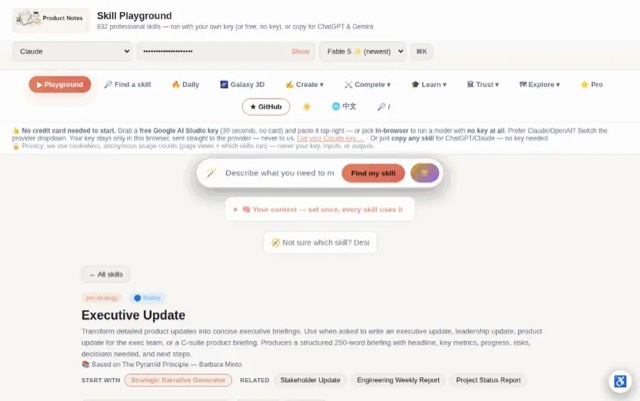
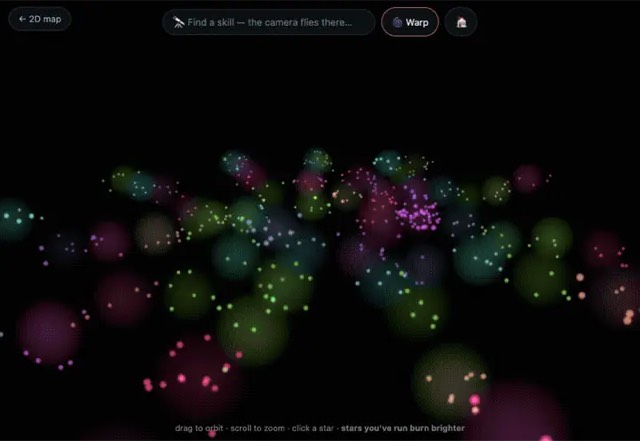
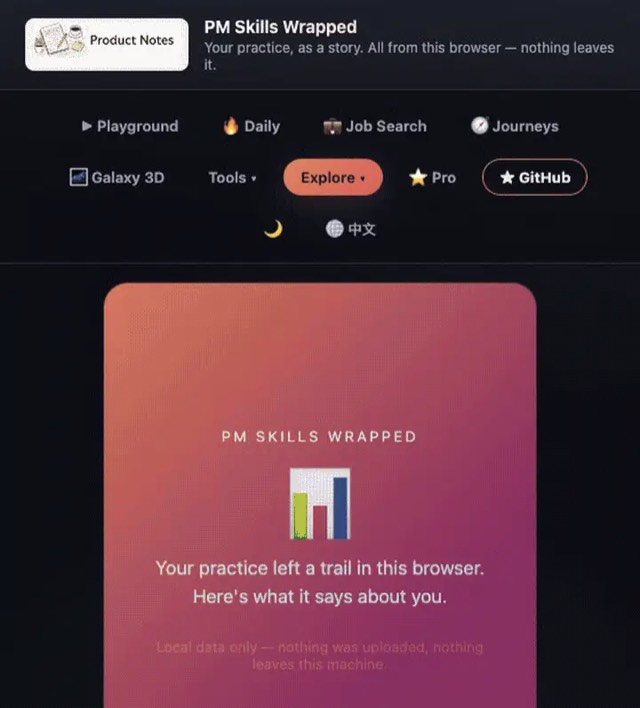
From the mohitagw15856/pm-claude-skills README — shows the whole collection, not only this skill. · view on GitHub
How to use it
Claude Code
- Run the line below. It pulls the whole folder into
~/.claude/skills/legal-brief. - Describe your job in plain words. Claude Code follows the skill from there.
npx degit mohitagw15856/pm-claude-skills/skills/legal-brief#main ~/.claude/skills/legal-briefFor one project only, change the path to .claude/skills/legal-brief.
Claude (web or desktop app)
- On this page open ⋯ → Download .md.
- Save it as SKILL.md in a folder, zip the folder, then Customize → Skills → + → Create skill → Upload a skill.
- Pick the file and Save. Claude shows the name and description and runs a security scan.
- Check the skill is switched on.
- Start a new chat and describe your job in plain words. The AI follows the skill from there.
ChatGPT or another app
- ChatGPT: make a Project and paste it into Instructions.
- Neither? Paste it at the top of a new chat — it works for that chat.
Not working?
- Check which app you pasted it into — the steps above name the right one.
- Some skills need the paid tier of Claude or ChatGPT.
Paste into Claude, ChatGPT or Cursor.
Source of Legal Brief Skill
Show the full text81 lines
| name | description |
|---|---|
| legal-brief | Draft a structured legal brief, case summary, or legal argument outline. Use when asked to write a legal brief, case note, legal memo, argument outline, or position paper. Produces a structured document using IRAC format (Issue, Rule, Application, Conclusion). |
Legal Brief Skill
This skill drafts structured legal briefs and memos using IRAC format — the standard structure for legal writing.
Required Inputs
- Brief type (legal memo / case summary / argument outline / position paper / letter before action)
- Legal issue or question
- Jurisdiction (England & Wales / US / EU / Other)
- Relevant facts
- Relevant law or cases (if known — otherwise flagged as [RESEARCH NEEDED])
- Audience (internal memo / court submission / client letter)
Output Structure
Header
- To: [Recipient]
- From: [Author]
- Date: [Date]
- Re: [Matter reference]
- Confidential: Subject to legal professional privilege
Issue(s)
One sentence per legal question:
- Issue 1: Whether X constitutes Y under [law]
Brief Answer
One sentence per issue — conclusion upfront before analysis.
Facts
Concise relevant facts only. Flag disputed facts.
Law (Rule)
- Relevant statute, regulation, or case law
- How the rule has been interpreted in key cases
- Flag [RESEARCH NEEDED] where law is not provided
Application
- Arguments in favour
- Counter-arguments and responses
- Areas of uncertainty flagged explicitly
Conclusion
- Clear answer to each issue
- Overall recommendation
- Suggested next steps
Caveats
What this memo does not cover. What additional research would change the analysis.
WARNING: This draft requires review by a qualified legal professional. It does not constitute legal advice.
Quality Checks
- Issue is stated as a specific legal question (not a general topic)
- Brief answer appears before the analysis (conclusion upfront)
- Disputed facts are explicitly flagged
- Areas of legal uncertainty are noted (not hidden in confident language)
- Caveats section lists what would change the analysis
- Disclaimer is included
Anti-Patterns
- Do not present uncertain legal positions with confident language — areas of legal ambiguity must be flagged explicitly, not smoothed over
- Do not omit the disclaimer — every legal brief output must include the professional review caveat before the user treats it as advice
- Do not structure the brief chronologically — IRAC format (Issue, Rule, Application, Conclusion) must be used regardless of how the user framed the request
- Do not cite cases or statutes from memory without flagging them as [REQUIRES VERIFICATION] — hallucinated citations are worse than no citations
- Do not conflate jurisdiction — legal positions in England & Wales, US, and EU can differ materially; always confirm jurisdiction before stating the rule
Example Trigger Phrases
- "Draft a legal memo on [issue]"
- "Write a legal brief arguing [position]"
- "Summarise the legal position on [topic]"
- "Write a letter before action for [situation]"
| 1 | |
| 2 | name legal-brief |
| 3 | description "Draft a structured legal brief, case summary, or legal argument outline. Use when asked to write a legal brief, case note, legal memo, argument outline, or position paper. Produces a structured document using IRAC format (Issue, Rule, Application, Conclusion)." |
| 4 | |
| 5 | |
| 6 | # Legal Brief Skill |
| 7 | |
| 8 | This skill drafts structured legal briefs and memos using IRAC format — the standard structure for legal writing. |
| 9 | |
| 10 | ## Required Inputs |
| 11 | **Brief type** (legal memo / case summary / argument outline / position paper / letter before action) |
| 12 | **Legal issue or question** |
| 13 | **Jurisdiction** (England & Wales / US / EU / Other) |
| 14 | **Relevant facts** |
| 15 | **Relevant law or cases** (if known — otherwise flagged as [RESEARCH NEEDED]) |
| 16 | **Audience** (internal memo / court submission / client letter) |
| 17 | |
| 18 | ## Output Structure |
| 19 | |
| 20 | ### Header |
| 21 | **To:** [Recipient] |
| 22 | **From:** [Author] |
| 23 | **Date:** [Date] |
| 24 | **Re:** [Matter reference] |
| 25 | **Confidential:** Subject to legal professional privilege |
| 26 | |
| 27 | ### Issue(s) |
| 28 | One sentence per legal question: |
| 29 | Issue 1: Whether X constitutes Y under [law] |
| 30 | |
| 31 | ### Brief Answer |
| 32 | One sentence per issue — conclusion upfront before analysis. |
| 33 | |
| 34 | ### Facts |
| 35 | Concise relevant facts only. Flag disputed facts. |
| 36 | |
| 37 | ### Law (Rule) |
| 38 | Relevant statute, regulation, or case law |
| 39 | How the rule has been interpreted in key cases |
| 40 | Flag [RESEARCH NEEDED] where law is not provided |
| 41 | |
| 42 | ### Application |
| 43 | Arguments in favour |
| 44 | Counter-arguments and responses |
| 45 | Areas of uncertainty flagged explicitly |
| 46 | |
| 47 | ### Conclusion |
| 48 | Clear answer to each issue |
| 49 | Overall recommendation |
| 50 | Suggested next steps |
| 51 | |
| 52 | ### Caveats |
| 53 | What this memo does not cover. What additional research would change the analysis. |
| 54 | |
| 55 | |
| 56 | |
| 57 | WARNING: This draft requires review by a qualified legal professional. It does not constitute legal advice. |
| 58 | |
| 59 | ## Quality Checks |
| 60 | |
| 61 | [ ] Issue is stated as a specific legal question (not a general topic) |
| 62 | [ ] Brief answer appears before the analysis (conclusion upfront) |
| 63 | [ ] Disputed facts are explicitly flagged |
| 64 | [ ] Areas of legal uncertainty are noted (not hidden in confident language) |
| 65 | [ ] Caveats section lists what would change the analysis |
| 66 | [ ] Disclaimer is included |
| 67 | |
| 68 | ## Anti-Patterns |
| 69 | |
| 70 | [ ] Do not present uncertain legal positions with confident language — areas of legal ambiguity must be flagged explicitly, not smoothed over |
| 71 | [ ] Do not omit the disclaimer — every legal brief output must include the professional review caveat before the user treats it as advice |
| 72 | [ ] Do not structure the brief chronologically — IRAC format (Issue, Rule, Application, Conclusion) must be used regardless of how the user framed the request |
| 73 | [ ] Do not cite cases or statutes from memory without flagging them as [REQUIRES VERIFICATION] — hallucinated citations are worse than no citations |
| 74 | [ ] Do not conflate jurisdiction — legal positions in England & Wales, US, and EU can differ materially; always confirm jurisdiction before stating the rule |
| 75 | |
| 76 | ## Example Trigger Phrases |
| 77 | "Draft a legal memo on [issue]" |
| 78 | "Write a legal brief arguing [position]" |
| 79 | "Summarise the legal position on [topic]" |
| 80 | "Write a letter before action for [situation]" |
| 81 |
Discussion
Browse more free Claude skills.