Jury duty guide
Understand a jury-duty summons and handle it right — what's required, whether you can defer or be excused, and what to expect on the day.
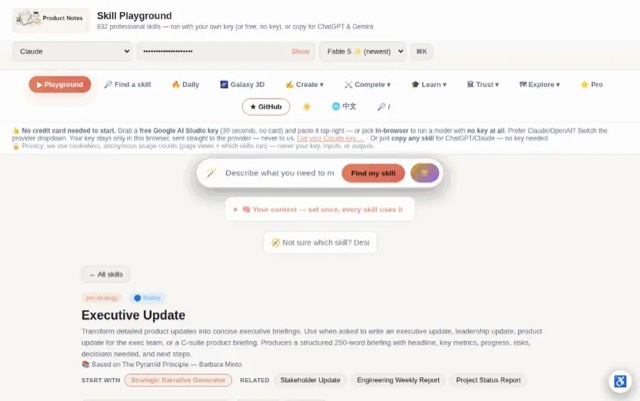

From the mohitagw15856/pm-claude-skills README — shows the whole collection, not only this skill. · view on GitHub
How to use it
Claude Code
- Run the line below. It pulls the whole folder into
~/.claude/skills/jury-duty-guide. - Describe your job in plain words. Claude Code follows the skill from there.
npx degit mohitagw15856/pm-claude-skills/skills/jury-duty-guide#main ~/.claude/skills/jury-duty-guideFor one project only, change the path to .claude/skills/jury-duty-guide.
Claude (web or desktop app)
- On this page open ⋯ → Download .md.
- Save it as SKILL.md in a folder, zip the folder, then Customize → Skills → + → Create skill → Upload a skill.
- Pick the file and Save. Claude shows the name and description and runs a security scan.
- Check the skill is switched on.
- Start a new chat and describe your job in plain words. The AI follows the skill from there.
ChatGPT or another app
- ChatGPT: make a Project and paste it into Instructions.
- Neither? Paste it at the top of a new chat — it works for that chat.
Not working?
- Check which app you pasted it into — the steps above name the right one.
- Some skills need the paid tier of Claude or ChatGPT.
Paste into Claude, ChatGPT or Cursor.
Source of Jury duty guide
Show the full text71 lines
| name | description | deprecated | supersededBy |
|---|---|---|---|
| jury-duty-guide | Understand a jury-duty summons and handle it right — what's required, whether you can defer or be excused, and what to expect on the day. Use when asked what do I do about jury duty, can I get out of jury duty, jury summons help, or how does jury service work. Produces a plain-English read of the summons and obligations, the legitimate deferral/excusal/hardship options and how to request them, what to expect at selection and service, practical prep (work, pay, logistics), and a clear warning that ignoring a summons has consequences. Not legal advice. | 2026-08-21 | jury-duty-navigator |
Jury Duty Guide
A jury summons is a legal obligation, not junk mail — but people either panic about it or ignore it, both of which cause problems. This explains what your summons actually requires, the legitimate ways to defer or be excused if you genuinely can't serve, and what the day itself involves — so you handle it correctly and without unnecessary stress.
What This Skill Produces
- A summons read — what it's asking, the response deadline, and the obligation (responding is mandatory even if you seek to be excused)
- Deferral/excusal options — the legitimate grounds (hardship, timing conflict, eligibility, prior service) and how to request them properly
- What to expect — the selection process, how long service may last, and what happens each day
- Practical prep — notifying your employer, pay/protection rules, childcare/logistics, what to bring
- A consequences warning — ignoring a summons can mean fines or worse; respond even to ask for a change
- A jurisdiction flag — rules, pay, and processes vary by location; not legal advice
Required Inputs
Ask for these if not provided:
- The summons — what it says, the date, and the response deadline
- Your situation — any genuine conflict (work, health, caregiving, travel, eligibility)
- Your goal — serve as scheduled, defer to a better date, or seek excusal
- Work context — employer, and whether you're worried about pay/time off
- Location — determines the rules, pay, and process
Framework: Respond, Request If Needed, Prepare
- Respond on time — always. Whatever your goal, you must respond to the summons by the deadline; non-response is the actual risk, not the service itself.
- Know the legitimate options. Deferral (to a later date) and excusal/hardship (medical, caregiving, essential-work, financial, or ineligibility) exist — but must be requested properly with any required proof.
- Ask honestly, not to "dodge." Frame a genuine conflict clearly; don't fabricate — and understand many people can and do serve without hardship.
- Prepare practically. Tell your employer (there are usually job protections), check pay rules, arrange logistics, and know what to bring and expect.
- Understand the day. Selection may or may not place you on a jury; service length varies. Knowing the flow removes most of the anxiety.
- Heed the consequences. Ignoring a summons can bring penalties — respond even if only to request a change.
Output Format
Jury duty: summoned [date] · goal: [serve/defer/excuse]
Your obligation: respond by [deadline] — mandatory even to request a change. Options: defer to [later date] · or excusal/hardship on grounds of [medical/caregiving/work/financial/ineligible] — request via [method], with [any proof]. On the day: [selection process · likely length · what happens]. Prepare: notify employer (job protections) · check pay/allowance · logistics · what to bring.
Not legal advice. Rules, pay, and excusal grounds vary by jurisdiction — follow the instructions on your summons and your local court's guidance.
Quality Checks
- Stresses responding to the summons by the deadline
- Explains legitimate deferral/excusal/hardship options and how to request them
- Describes the selection process and what to expect
- Covers employer notice, pay/protections, and logistics
- Warns about the consequences of ignoring a summons
- Flags jurisdiction-specificity / not legal advice
Anti-Patterns
- Coaching how to "dodge" duty or fabricate an excuse.
- Ignoring the summons — the one genuinely risky move.
- Treating excusal as automatic rather than a proper request.
- Missing employer-notice/pay practicalities.
- Asserting one process across jurisdictions.
Example Trigger Phrases
- "I got a jury duty summons — what do I actually have to do?"
- "Can I defer jury duty? The date clashes with a work trip."
- "What are legitimate reasons to be excused from jury service?"
- "What happens on the day of jury duty?"
- "Does my employer have to pay me / hold my job during jury service?"
| 1 | |
| 2 | name jury-duty-guide |
| 3 | description "Understand a jury-duty summons and handle it right — what's required, whether you can defer or be excused, and what to expect on the day. Use when asked what do I do about jury duty, can I get out of jury duty, jury summons help, or how does jury service work. Produces a plain-English read of the summons and obligations, the legitimate deferral/excusal/hardship options and how to request them, what to expect at selection and service, practical prep (work, pay, logistics), and a clear warning that ignoring a summons has consequences. Not legal advice." |
| 4 | deprecated 2026-08-21 |
| 5 | supersededBy jury-duty-navigator |
| 6 | |
| 7 | |
| 8 | # Jury Duty Guide |
| 9 | |
| 10 | A jury summons is a legal obligation, not junk mail — but people either panic about it or ignore it, both of which cause problems. This explains what your summons actually requires, the legitimate ways to defer or be excused if you genuinely can't serve, and what the day itself involves — so you handle it correctly and without unnecessary stress. |
| 11 | |
| 12 | ## What This Skill Produces |
| 13 | |
| 14 | **A summons read** — what it's asking, the response deadline, and the obligation (responding is mandatory even if you seek to be excused) |
| 15 | **Deferral/excusal options** — the legitimate grounds (hardship, timing conflict, eligibility, prior service) and how to request them properly |
| 16 | **What to expect** — the selection process, how long service may last, and what happens each day |
| 17 | **Practical prep** — notifying your employer, pay/protection rules, childcare/logistics, what to bring |
| 18 | **A consequences warning** — ignoring a summons can mean fines or worse; respond even to ask for a change |
| 19 | **A jurisdiction flag** — rules, pay, and processes vary by location; not legal advice |
| 20 | |
| 21 | ## Required Inputs |
| 22 | |
| 23 | Ask for these if not provided: |
| 24 | **The summons** — what it says, the date, and the response deadline |
| 25 | **Your situation** — any genuine conflict (work, health, caregiving, travel, eligibility) |
| 26 | **Your goal** — serve as scheduled, defer to a better date, or seek excusal |
| 27 | **Work context** — employer, and whether you're worried about pay/time off |
| 28 | **Location** — determines the rules, pay, and process |
| 29 | |
| 30 | ## Framework: Respond, Request If Needed, Prepare |
| 31 | |
| 32 | **Respond on time — always.** Whatever your goal, you must respond to the summons by the deadline; non-response is the actual risk, not the service itself. |
| 33 | **Know the legitimate options.** Deferral (to a later date) and excusal/hardship (medical, caregiving, essential-work, financial, or ineligibility) exist — but must be requested properly with any required proof. |
| 34 | **Ask honestly, not to "dodge."** Frame a genuine conflict clearly; don't fabricate — and understand many people can and do serve without hardship. |
| 35 | **Prepare practically.** Tell your employer (there are usually job protections), check pay rules, arrange logistics, and know what to bring and expect. |
| 36 | **Understand the day.** Selection may or may not place you on a jury; service length varies. Knowing the flow removes most of the anxiety. |
| 37 | **Heed the consequences.** Ignoring a summons can bring penalties — respond even if only to request a change. |
| 38 | |
| 39 | ## Output Format |
| 40 | |
| 41 | ### Jury duty: summoned [date] · goal: [serve/defer/excuse] |
| 42 | |
| 43 | **Your obligation:** respond by [deadline] — mandatory even to request a change. |
| 44 | **Options:** defer to [later date] · or excusal/hardship on grounds of [medical/caregiving/work/financial/ineligible] — request via [method], with [any proof]. |
| 45 | **On the day:** [selection process · likely length · what happens]. |
| 46 | **Prepare:** notify employer (job protections) · check pay/allowance · logistics · what to bring. |
| 47 | |
| 48 | > Not legal advice. Rules, pay, and excusal grounds vary by jurisdiction — follow the instructions on your summons and your local court's guidance. |
| 49 | |
| 50 | ## Quality Checks |
| 51 | [ ] Stresses responding to the summons by the deadline |
| 52 | [ ] Explains legitimate deferral/excusal/hardship options and how to request them |
| 53 | [ ] Describes the selection process and what to expect |
| 54 | [ ] Covers employer notice, pay/protections, and logistics |
| 55 | [ ] Warns about the consequences of ignoring a summons |
| 56 | [ ] Flags jurisdiction-specificity / not legal advice |
| 57 | |
| 58 | ## Anti-Patterns |
| 59 | **Coaching how to "dodge"** duty or fabricate an excuse. |
| 60 | **Ignoring the summons** — the one genuinely risky move. |
| 61 | **Treating excusal as automatic** rather than a proper request. |
| 62 | **Missing employer-notice/pay** practicalities. |
| 63 | **Asserting one process** across jurisdictions. |
| 64 | |
| 65 | ## Example Trigger Phrases |
| 66 | "I got a jury duty summons — what do I actually have to do?" |
| 67 | "Can I defer jury duty? The date clashes with a work trip." |
| 68 | "What are legitimate reasons to be excused from jury service?" |
| 69 | "What happens on the day of jury duty?" |
| 70 | "Does my employer have to pay me / hold my job during jury service?" |
| 71 |
Discussion
Browse more free Claude skills.