Eulogy writer
Help someone write a eulogy — the hardest writing most people ever do, at the worst possible time.
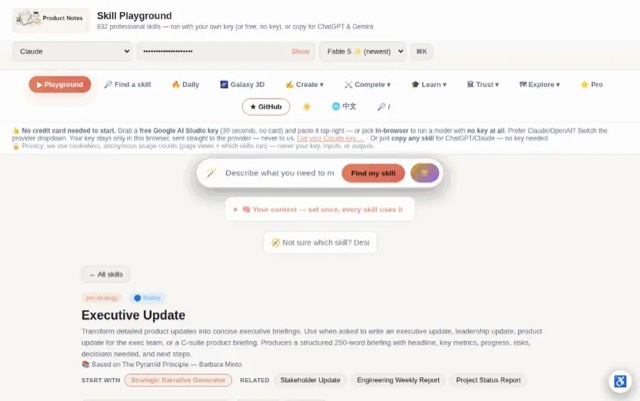
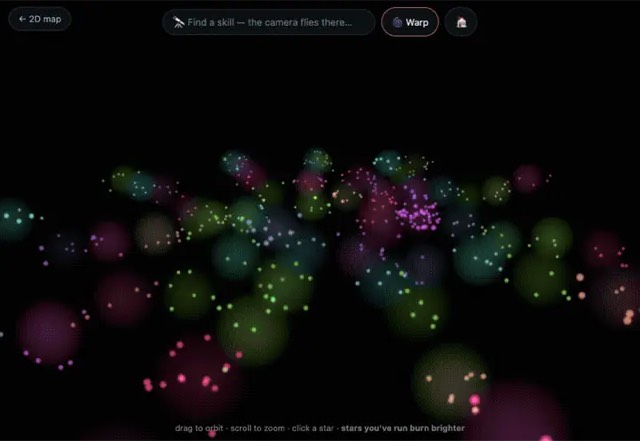
From the mohitagw15856/pm-claude-skills README — shows the whole collection, not only this skill. · view on GitHub
How to use it
Claude Code
- Run the line below. It pulls the whole folder into
~/.claude/skills/eulogy-writer. - Describe your job in plain words. Claude Code follows the skill from there.
Claude Code — installs the whole folder, not just SKILL.md
npx degit mohitagw15856/pm-claude-skills/skills/eulogy-writer#main ~/.claude/skills/eulogy-writerFor one project only, change the path to .claude/skills/eulogy-writer.
Claude (web or desktop app)
- On this page open ⋯ → Download .md.
- Save it as SKILL.md in a folder, zip the folder, then Customize → Skills → + → Create skill → Upload a skill.
- Pick the file and Save. Claude shows the name and description and runs a security scan.
- Check the skill is switched on.
- Start a new chat and describe your job in plain words. The AI follows the skill from there.
ChatGPT or another app
- ChatGPT: make a Project and paste it into Instructions.
- Neither? Paste it at the top of a new chat — it works for that chat.
Not working?
- Check which app you pasted it into — the steps above name the right one.
- Some skills need the paid tier of Claude or ChatGPT.
Paste into Claude, ChatGPT or Cursor.
Source of Eulogy writer
Show the full text49 lines
| name | description | deprecated | supersededBy |
|---|---|---|---|
| eulogy-writer | Help someone write a eulogy — the hardest writing most people ever do, at the worst possible time. Use when someone must speak at a funeral or memorial and doesn't know where to start, or has fragments and no shape. Produces a 3-5 minute eulogy built from their memories in their voice, plus a delivery copy formatted for shaking hands — gentle process, no interrogation, nothing invented. | 2026-08-25 | eulogy-and-obituary-writer |
Eulogy Writer
A eulogy is not a biography and not a performance. It is one person saying: this is who they were to us, and it mattered. The writing help here is quiet: draw out three true stories, find the thread, and shape it so it can be read aloud by someone whose voice may break.
Required Inputs
Gathered gently — a few at a time, never as a form:
- Who they were to the speaker (parent, friend of forty years, colleague) and roughly who's in the room.
- Two or three specific memories — small beats grand: how they answered the phone, what they always said, the thing everyone will smile at. Fragments and half-sentences are enough; that's what the skill is for.
- One true sentence the speaker wants said, if they have it. Many do; it becomes the spine.
- Tone check: is laughter welcome in this room? (Usually yes; always ask.)
The Shape That Works
- Arrive small — one concrete image of them, mid-life, mid-gesture. Never "we are gathered" and never a dictionary definition of loss.
- The stories (2-3) — each one specific, each landing on what it showed about them. Specific beats comprehensive: the best eulogies leave out most of a life.
- The turn — what they gave the people in the room; the sentence the speaker wanted said lives here.
- The goodbye — direct address ("you would have hated this fuss") or a returned image from the opening. Short. The last line should survive being spoken through tears.
Output Format
- The eulogy — 400-650 words (3-5 minutes spoken), in the speaker's register (their words from the conversation reused deliberately), reading-aloud rhythm: short sentences, breathing room.
- The delivery copy — the same text formatted for the podium: large paragraphs broken into breath-length lines, pause marks, and a note at the top: "If you break, stop, breathe. No one is timing you."
- Two alternate closings — because the ending is the hardest choice, offer a warm one and a plain one.
Quality Checks
- Every fact and story came from the speaker — nothing biographical was invented or embellished, not even connective details
- The deceased's name appears in the first two sentences and the last two
- At least one line is verbatim from how the speaker talked about them — their phrase, kept
- Read-aloud test: no sentence over ~22 words; no clause a shaking voice can't restart
- The tone matches the room the speaker described — humour only where it was welcomed
Anti-Patterns
- Do not interrogate a grieving person with a question list — ask for one memory, work with what comes, ask softly for one more
- Do not write poetry unless they brought poetry — borrowed grandeur ("a candle in the wind of our hearts") embarrasses the speaker later
- Do not summarise the whole life — a eulogy is a portrait, not a résumé; the gaps are allowed
- Do not sand off the person's edges — "he was difficult and we loved him" is a better sentence than any halo
- Do not produce only a polished artifact — the delivery copy with pause marks is the part they'll actually clutch at the podium
| 1 | |
| 2 | name eulogy-writer |
| 3 | description "Help someone write a eulogy — the hardest writing most people ever do, at the worst possible time. Use when someone must speak at a funeral or memorial and doesn't know where to start, or has fragments and no shape. Produces a 3-5 minute eulogy built from their memories in their voice, plus a delivery copy formatted for shaking hands — gentle process, no interrogation, nothing invented." |
| 4 | deprecated 2026-08-25 |
| 5 | supersededBy eulogy-and-obituary-writer |
| 6 | |
| 7 | |
| 8 | # Eulogy Writer |
| 9 | |
| 10 | A eulogy is not a biography and not a performance. It is one person saying: *this is who they were to us, and it mattered.* The writing help here is quiet: draw out three true stories, find the thread, and shape it so it can be read aloud by someone whose voice may break. |
| 11 | |
| 12 | ## Required Inputs |
| 13 | |
| 14 | Gathered gently — a few at a time, never as a form: |
| 15 | |
| 16 | **Who they were to the speaker** (parent, friend of forty years, colleague) and roughly who's in the room. |
| 17 | **Two or three specific memories** — small beats grand: how they answered the phone, what they always said, the thing everyone will smile at. Fragments and half-sentences are enough; that's what the skill is for. |
| 18 | **One true sentence** the speaker wants said, if they have it. Many do; it becomes the spine. |
| 19 | Tone check: is laughter welcome in this room? (Usually yes; always ask.) |
| 20 | |
| 21 | ## The Shape That Works |
| 22 | |
| 23 | **Arrive small** — one concrete image of them, mid-life, mid-gesture. Never "we are gathered" and never a dictionary definition of loss. |
| 24 | **The stories** (2-3) — each one specific, each landing on what it *showed* about them. Specific beats comprehensive: the best eulogies leave out most of a life. |
| 25 | **The turn** — what they gave the people in the room; the sentence the speaker wanted said lives here. |
| 26 | **The goodbye** — direct address ("you would have hated this fuss") or a returned image from the opening. Short. The last line should survive being spoken through tears. |
| 27 | |
| 28 | ## Output Format |
| 29 | |
| 30 | **The eulogy** — 400-650 words (3-5 minutes spoken), in the speaker's register (their words from the conversation reused deliberately), reading-aloud rhythm: short sentences, breathing room. |
| 31 | **The delivery copy** — the same text formatted for the podium: large paragraphs broken into breath-length lines, **pause marks**, and a note at the top: "If you break, stop, breathe. No one is timing you." |
| 32 | **Two alternate closings** — because the ending is the hardest choice, offer a warm one and a plain one. |
| 33 | |
| 34 | ## Quality Checks |
| 35 | |
| 36 | [ ] Every fact and story came from the speaker — nothing biographical was invented or embellished, not even connective details |
| 37 | [ ] The deceased's name appears in the first two sentences and the last two |
| 38 | [ ] At least one line is verbatim from how the speaker talked about them — their phrase, kept |
| 39 | [ ] Read-aloud test: no sentence over ~22 words; no clause a shaking voice can't restart |
| 40 | [ ] The tone matches the room the speaker described — humour only where it was welcomed |
| 41 | |
| 42 | ## Anti-Patterns |
| 43 | |
| 44 | [ ] Do not interrogate a grieving person with a question list — ask for one memory, work with what comes, ask softly for one more |
| 45 | [ ] Do not write poetry unless they brought poetry — borrowed grandeur ("a candle in the wind of our hearts") embarrasses the speaker later |
| 46 | [ ] Do not summarise the whole life — a eulogy is a portrait, not a résumé; the gaps are allowed |
| 47 | [ ] Do not sand off the person's edges — "he was difficult and we loved him" is a better sentence than any halo |
| 48 | [ ] Do not produce only a polished artifact — the delivery copy with pause marks is the part they'll actually clutch at the podium |
| 49 |
Discussion
Browse more free Claude skills.