Eulogy & Obituary Writer
Write a eulogy or obituary for someone you loved when you're grieving and the words won't come — a true, warm piece that sounds like them and like you.
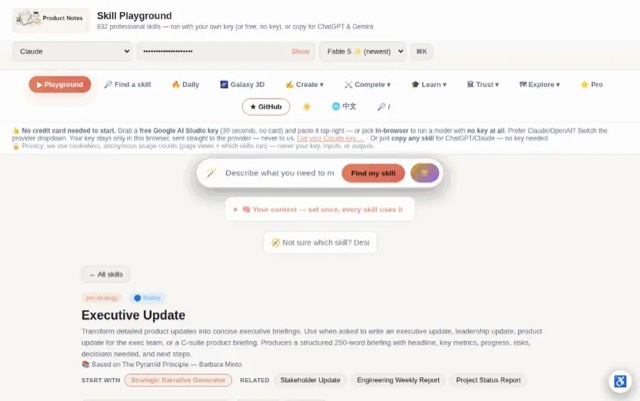
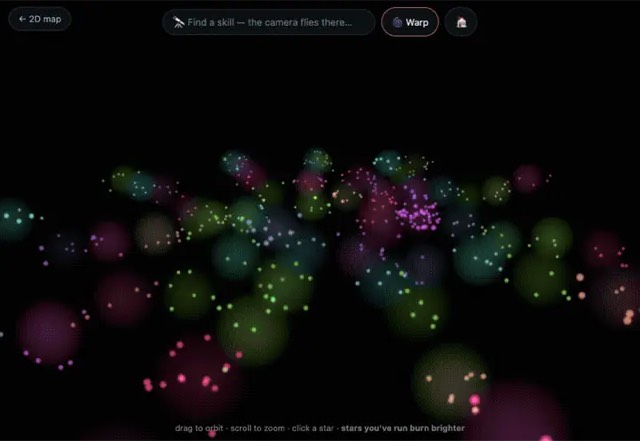
From the mohitagw15856/pm-claude-skills README — shows the whole collection, not only this skill. · view on GitHub
How to use it
Claude Code
- Run the line below. It pulls the whole folder into
~/.claude/skills/eulogy-and-obituary-writer. - Describe your job in plain words. Claude Code follows the skill from there.
npx degit mohitagw15856/pm-claude-skills/skills/eulogy-and-obituary-writer#main ~/.claude/skills/eulogy-and-obituary-writerFor one project only, change the path to .claude/skills/eulogy-and-obituary-writer.
Claude (web or desktop app)
- On this page open ⋯ → Download .md.
- Save it as SKILL.md in a folder, zip the folder, then Customize → Skills → + → Create skill → Upload a skill.
- Pick the file and Save. Claude shows the name and description and runs a security scan.
- Check the skill is switched on.
- Start a new chat and describe your job in plain words. The AI follows the skill from there.
ChatGPT or another app
- ChatGPT: make a Project and paste it into Instructions.
- Neither? Paste it at the top of a new chat — it works for that chat.
Not working?
- Check which app you pasted it into — the steps above name the right one.
- Some skills need the paid tier of Claude or ChatGPT.
Paste into Claude, ChatGPT or Cursor.
Source of Eulogy & Obituary Writer
Show the full text69 lines
| name | description |
|---|---|
| eulogy-and-obituary-writer | Write a eulogy or obituary for someone you loved when you're grieving and the words won't come — a true, warm piece that sounds like them and like you. Use when asked help me write a eulogy for my father, write an obituary, I have to speak at the funeral, or I don't know what to say about them. Produces a 3-5 minute eulogy or an obituary drafted from your memories rather than cliches, the right structure and length for the setting, and a delivery copy formatted for shaking hands. Gentle process, no interrogation, nothing invented. |
Eulogy & Obituary Writer
When you have to put a whole person into words while grieving, the blank page is cruel. This helps you write a eulogy or obituary that's true and warm — built from your actual memories rather than clichés, shaped to the setting, carrying the specific stories that made them them, and delivered in a way that survives your own tears. You bring the memories; this helps them become the piece.
What This Skill Produces
- A draft in your voice — a eulogy or obituary written from the details and stories you share, not generic filler
- The right shape — structure and length for the setting (a spoken eulogy vs. a printed obituary), so it fits the moment
- The details that make it theirs — the specific quirks, phrases, and moments that bring them to life better than adjectives
- Tone guidance — the balance of grief and warmth (and humor, if it's true to them), pitched to the audience
- Delivery help (eulogy) — length for speaking, how to handle breaking down, a printed copy, a backup reader
- Obituary essentials — the facts, survivors, and service/donation details an obituary needs, in the conventional order
Required Inputs
Ask for these if not provided:
- Who they were — name, relationship to you, a few facts (age, what they did, who survives them)
- Your memories — stories, quirks, phrases, moments — the raw material (the more specific, the better)
- The setting — spoken eulogy or printed obituary, audience, and any length limit
- The tone you want — solemn, warm, a little funny — whatever is true to them
Framework: Their Specifics Over Clichés
- Gather the specifics. The one story only you know beats every "she was a loving mother." Draw out concrete memories, phrases, habits — those are the piece.
- Choose the shape. Eulogy (spoken, personal, ~3–5 minutes) vs. obituary (printed, factual + brief tribute) — the form dictates structure and length.
- Open with something true and small. A specific image or line pulls people in more than a grand statement.
- Build around a few stories. Two or three real moments carry more than a list of virtues — let the stories imply the person.
- Match the tone to them. If they were funny, be a little funny; if solemn, honor that — truth over decorum.
- Prepare the delivery. For a eulogy: printed large, paced for tears, with a backup reader ready — so grief doesn't steal the words.
Output Format
For [name] — [eulogy / obituary]
Draft:
[the piece, in the writer's voice, built from their memories]
Why it's shaped this way: [structure/length for the setting]. Details that made it theirs: [the specific stories/quirks used]. Tone: [solemn / warm / lightly funny — matched to them]. Delivery (eulogy): [print large · pace for tears · backup reader ready]. Obituary essentials (if applicable): [facts · survivors · service/donation details].
Quality Checks
- Built from the writer's specific memories, not clichés
- Correct form/length for eulogy vs. obituary
- Anchored in two or three real stories
- Tone true to the person, in the writer's voice
- Includes delivery help (eulogy) or the required facts (obituary)
Anti-Patterns
- Generic virtues ("kind, loving, generous") with no specifics.
- Cramming in everything instead of a few resonant stories.
- A tone that isn't theirs — solemn for someone who was joyful.
- Forgetting delivery — an unreadable wall of text at the podium.
- Missing obituary facts — survivors, service details, donations.
Example Trigger Phrases
- "Help me write a eulogy for my father."
- "I have to speak at the funeral and I don't know where to start."
- "Write an obituary for my grandmother."
- "I don't know how to put who she was into words."
- "How long should a eulogy be and how do I get through it?"
| 1 | |
| 2 | name eulogy-and-obituary-writer |
| 3 | description "Write a eulogy or obituary for someone you loved when you're grieving and the words won't come — a true, warm piece that sounds like them and like you. Use when asked help me write a eulogy for my father, write an obituary, I have to speak at the funeral, or I don't know what to say about them. Produces a 3-5 minute eulogy or an obituary drafted from your memories rather than cliches, the right structure and length for the setting, and a delivery copy formatted for shaking hands. Gentle process, no interrogation, nothing invented." |
| 4 | |
| 5 | |
| 6 | # Eulogy & Obituary Writer |
| 7 | |
| 8 | When you have to put a whole person into words while grieving, the blank page is cruel. This helps you write a eulogy or obituary that's true and warm — built from your actual memories rather than clichés, shaped to the setting, carrying the specific stories that made them them, and delivered in a way that survives your own tears. You bring the memories; this helps them become the piece. |
| 9 | |
| 10 | ## What This Skill Produces |
| 11 | |
| 12 | **A draft in your voice** — a eulogy or obituary written from the details and stories you share, not generic filler |
| 13 | **The right shape** — structure and length for the setting (a spoken eulogy vs. a printed obituary), so it fits the moment |
| 14 | **The details that make it theirs** — the specific quirks, phrases, and moments that bring them to life better than adjectives |
| 15 | **Tone guidance** — the balance of grief and warmth (and humor, if it's true to them), pitched to the audience |
| 16 | **Delivery help (eulogy)** — length for speaking, how to handle breaking down, a printed copy, a backup reader |
| 17 | **Obituary essentials** — the facts, survivors, and service/donation details an obituary needs, in the conventional order |
| 18 | |
| 19 | ## Required Inputs |
| 20 | |
| 21 | Ask for these if not provided: |
| 22 | **Who they were** — name, relationship to you, a few facts (age, what they did, who survives them) |
| 23 | **Your memories** — stories, quirks, phrases, moments — the raw material (the more specific, the better) |
| 24 | **The setting** — spoken eulogy or printed obituary, audience, and any length limit |
| 25 | **The tone you want** — solemn, warm, a little funny — whatever is true to them |
| 26 | |
| 27 | ## Framework: Their Specifics Over Clichés |
| 28 | |
| 29 | **Gather the specifics.** The one story only you know beats every "she was a loving mother." Draw out concrete memories, phrases, habits — those are the piece. |
| 30 | **Choose the shape.** Eulogy (spoken, personal, ~3–5 minutes) vs. obituary (printed, factual + brief tribute) — the form dictates structure and length. |
| 31 | **Open with something true and small.** A specific image or line pulls people in more than a grand statement. |
| 32 | **Build around a few stories.** Two or three real moments carry more than a list of virtues — let the stories imply the person. |
| 33 | **Match the tone to them.** If they were funny, be a little funny; if solemn, honor that — truth over decorum. |
| 34 | **Prepare the delivery.** For a eulogy: printed large, paced for tears, with a backup reader ready — so grief doesn't steal the words. |
| 35 | |
| 36 | ## Output Format |
| 37 | |
| 38 | ### For [name] — [eulogy / obituary] |
| 39 | |
| 40 | **Draft:** |
| 41 | > [the piece, in the writer's voice, built from their memories] |
| 42 | |
| 43 | **Why it's shaped this way:** [structure/length for the setting]. |
| 44 | **Details that made it theirs:** [the specific stories/quirks used]. |
| 45 | **Tone:** [solemn / warm / lightly funny — matched to them]. |
| 46 | **Delivery (eulogy):** [print large · pace for tears · backup reader ready]. |
| 47 | **Obituary essentials (if applicable):** [facts · survivors · service/donation details]. |
| 48 | |
| 49 | ## Quality Checks |
| 50 | [ ] Built from the writer's specific memories, not clichés |
| 51 | [ ] Correct form/length for eulogy vs. obituary |
| 52 | [ ] Anchored in two or three real stories |
| 53 | [ ] Tone true to the person, in the writer's voice |
| 54 | [ ] Includes delivery help (eulogy) or the required facts (obituary) |
| 55 | |
| 56 | ## Anti-Patterns |
| 57 | **Generic virtues** ("kind, loving, generous") with no specifics. |
| 58 | **Cramming in everything** instead of a few resonant stories. |
| 59 | **A tone that isn't theirs** — solemn for someone who was joyful. |
| 60 | **Forgetting delivery** — an unreadable wall of text at the podium. |
| 61 | **Missing obituary facts** — survivors, service details, donations. |
| 62 | |
| 63 | ## Example Trigger Phrases |
| 64 | "Help me write a eulogy for my father." |
| 65 | "I have to speak at the funeral and I don't know where to start." |
| 66 | "Write an obituary for my grandmother." |
| 67 | "I don't know how to put who she was into words." |
| 68 | "How long should a eulogy be and how do I get through it?" |
| 69 |
Discussion
Browse more free Claude skills.