Cost optimization
Audit and reduce infrastructure and tooling costs without sacrificing reliability or velocity.
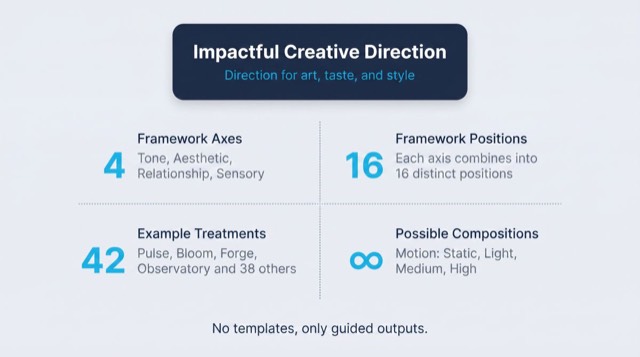
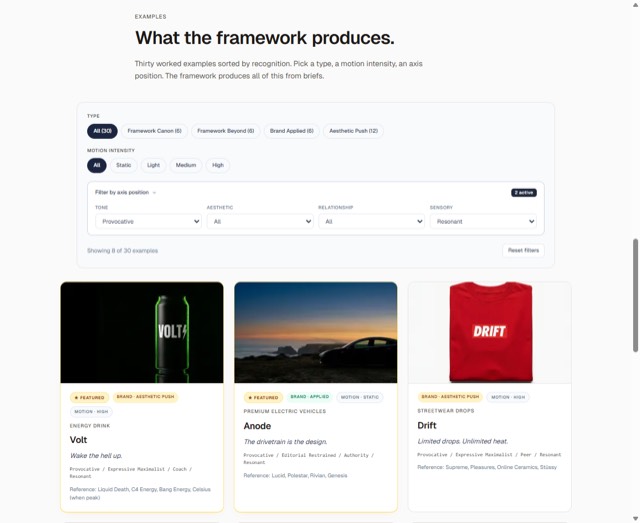
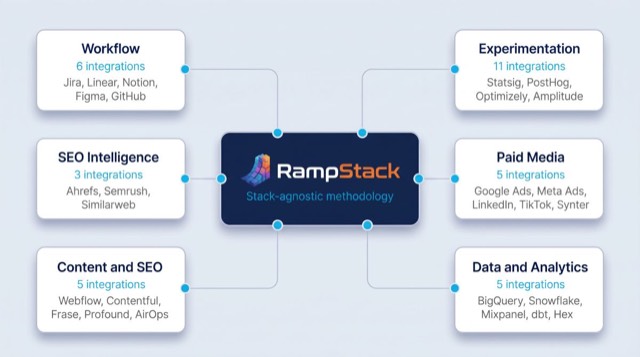
From the rampstackco/claude-skills README — shows the whole collection, not only this skill. · view on GitHub
How to use it
Claude Code
- Run the line below. It pulls the whole folder into
~/.claude/skills/cost-optimization-2. - Describe your job in plain words. Claude Code follows the skill from there.
npx degit rampstackco/claude-skills/skills/cost-optimization#main ~/.claude/skills/cost-optimization-2For one project only, change the path to .claude/skills/cost-optimization-2.
Claude (web or desktop app)
- On this page open ⋯ → Download .md.
- Save it as SKILL.md in a folder, zip the folder, then Customize → Skills → + → Create skill → Upload a skill.
- Pick the file and Save. Claude shows the name and description and runs a security scan.
- Check the skill is switched on.
- Start a new chat and describe your job in plain words. The AI follows the skill from there.
ChatGPT or another app
- ChatGPT: make a Project and paste it into Instructions.
- Neither? Paste it at the top of a new chat — it works for that chat.
Not working?
- Check which app you pasted it into — the steps above name the right one.
- Some skills need the paid tier of Claude or ChatGPT.
Paste into Claude, ChatGPT or Cursor.
Source of Cost optimization
Show the full text346 lines
| name | description | category | catalog_summary | display_order |
|---|---|---|---|---|
| cost-optimization | Audit and reduce infrastructure and tooling costs without sacrificing reliability or velocity. Use this skill when reviewing monthly cloud or SaaS spend, finding unused resources, rightsizing infrastructure, negotiating vendor contracts, deciding what to consolidate, or planning for budget cuts. Triggers on cost optimization, cloud spend, SaaS spend, rightsizing, unused resources, FinOps, infrastructure audit, vendor consolidation, budget cut, cost review. Also triggers when finance flags rising costs or when a contract renewal is up. | cross-cutting | Infrastructure spend audits, rightsizing, contract negotiation | 5 |
Cost Optimization
Audit cloud, SaaS, and infrastructure spend. Cut what's not earning its keep. Rightsize what's oversized. Negotiate what's negotiable. Without breaking what works.
When to use
- Quarterly or annual cost review
- Finance flags rising spend
- Vendor contract renewal coming up
- Budget cut required
- New leadership wants the numbers
- Migrating between providers (cost is part of the case)
- Audit before scaling significantly (catch waste before it scales)
When NOT to use
- Active incident response (use
incident-response) - Performance issues that happen to involve infrastructure (use
performance-optimization) - Vendor evaluation for a new purchase (use
vendor-evaluation) - Personnel or org costs (out of scope for this skill)
Required inputs
- Current cost (monthly, ideally for the last 12 months)
- Cost broken down by service or vendor
- Inventory of cloud resources (instances, databases, storage, etc.)
- Inventory of SaaS subscriptions
- Owners per cost line (who decided to spend this, who uses it)
- Constraints (compliance, performance, contract terms)
The framework: 5 levers
Every cost optimization opportunity falls into one of these levers.
Lever 1: Eliminate
Stop paying for things that aren't used.
- Idle resources (instances, databases, environments running but unused)
- Subscriptions where no one logs in
- Duplicate tools (multiple tools doing the same job)
- Old projects still incurring cost
- Test environments that should have been torn down
- Forgotten domains, backups, snapshots, logs
This is usually the largest opportunity in the first audit. Often 10-30% of spend.
Lever 2: Rightsize
Pay for what you actually use, not what you provisioned for the worst case three years ago.
- Oversized instances (CPU and memory utilization low)
- Over-provisioned databases (storage and throughput far above usage)
- Over-purchased SaaS seats
- Premium plans where standard would suffice
- High-availability setups for non-critical systems
Rightsizing requires real usage data, not theoretical needs.
Lever 3: Restructure
Use cheaper structures for the same workload.
- Reserved or committed-use pricing (1-3 year commitments at 30-70% discount)
- Spot or preemptible instances for fault-tolerant work
- Cold storage for data accessed rarely
- Tiered storage (hot/warm/cold) by access pattern
- CDN caching to reduce origin load
- Compression and deduplication
- Serverless for spiky workloads
- Reserved instances for steady workloads
The right structure depends on the access pattern. Mismatch costs money.
Lever 4: Negotiate
Pay less for the same thing.
- Annual contracts at lower rates than monthly
- Volume discounts at higher tiers
- Multi-year commitments for predictable workloads
- Bundle deals (consolidating services with one vendor)
- Renewal negotiation (vendors expect you to ask)
- RFP / competitive bid (using alternatives as leverage)
Most enterprise vendors negotiate. Most SaaS vendors don't, except at higher tiers. Consumer-tier services usually don't.
Lever 5: Reframe
Change the question.
- Build vs buy: maybe in-house is cheaper at scale
- Buy vs build: maybe outsourcing is cheaper at small scale
- Different architecture (e.g., monolith vs microservices) has different cost profiles
- Different audience (do all customers need the same tier?)
- Different stack (open source vs commercial)
Reframe is the longest-lead lever. Worth thinking about even if not actionable now.
Workflow
Step 1: Pull the spend data
Get monthly costs by service, vendor, and (where possible) team or project.
For cloud (AWS, GCP, Azure): the billing console and cost-explorer tools. For SaaS: each vendor's billing portal, plus an SaaS-management tool if available. For everything else: bank statements and accounting export.
12 months minimum. Trends matter as much as absolute numbers.
Step 2: Categorize
Organize spend into categories:
- Hosting / compute
- Storage
- Database
- Networking / CDN
- Monitoring / observability
- CMS / hosting platforms
- Analytics / marketing
- Productivity / collaboration
- Development tools
- Security / compliance
- Other
The categories vary by business. The point is: similar costs grouped, easy to compare.
Step 3: Identify the biggest line items
80/20 rule. Usually 20% of vendors account for 80% of spend.
Focus the audit on the top 80%. The long tail can be cleaned up but rarely yields big savings per item.
Step 4: Apply the 5 levers
For each major line item, walk the levers:
| Lever | Question |
|---|---|
| Eliminate | Is it used? Could we stop using it? |
| Rightsize | Are we paying for capacity we don't use? |
| Restructure | Is there a cheaper pricing model or service tier? |
| Negotiate | When was the last renewal? Did we negotiate? |
| Reframe | Is this even the right approach? |
Document the opportunity, the effort, the risk, and the savings estimate.
Step 5: Prioritize
Plot opportunities on a 2x2:
- Y axis: savings
- X axis: effort
Quadrants:
- High savings, low effort: do first
- High savings, high effort: plan
- Low savings, low effort: do as time allows
- Low savings, high effort: skip
Also consider risk:
- Eliminate something used by no one: low risk
- Rightsize a database: medium risk (test in staging first)
- Replace a critical dependency: high risk (plan carefully)
Step 6: Execute the easy wins
For each easy-win opportunity:
- Document the change
- Get owner approval
- Make the change
- Monitor for unexpected impact
- Confirm cost reduction in next billing cycle
Easy wins typically include:
- Canceling unused subscriptions
- Tearing down idle resources
- Switching off dev environments outside business hours
- Moving cold data to cheaper storage tiers
Step 7: Plan the larger work
For higher-effort opportunities:
- Spec the change (use
pm-spec-writingfor the plan) - Test in staging
- Roll out incrementally
- Validate cost impact
Examples:
- Migrating to reserved instances
- Consolidating monitoring vendors
- Migrating from one CMS to another with cost benefit
Step 8: Set up ongoing visibility
Optimization isn't one-time. Costs creep back up.
- Monthly cost review (at least)
- Cost dashboard (current, trend, by category)
- Alerts on cost spikes (e.g., daily spend exceeds threshold)
- Tagging or labeling on cloud resources (cost by team or project)
- Quarterly deeper review
Step 9: Negotiate at renewal
For vendor contracts up for renewal:
- Start the conversation 60-90 days before renewal
- Have alternatives identified (even if you don't switch)
- Ask for a multi-year discount
- Ask about volume tiers
- Ask if usage rightsizing is possible
- Be willing to walk (most vendors find a way to keep you)
Pre-pandemic, many vendors auto-renewed at increases. Post-pandemic, many are hungry for retention. Ask.
Step 10: Document the policy
Going forward:
- New vendor evaluation requires cost justification
- Resource provisioning has approval thresholds
- Tagging and labeling are required for cloud resources
- Quarterly review is calendared
- Cost attribution is clear
Without policy, costs creep.
Common opportunities by category
Hosting and compute
- Reserved or committed-use pricing for predictable workloads (30-70% off)
- Spot or preemptible for fault-tolerant batch
- Auto-scaling for variable loads
- Right instance family (compute-optimized, memory-optimized, etc.)
- Dev/staging instances stopped outside business hours
Storage
- Lifecycle policies to move old data to cheaper tiers
- Delete old logs, backups, snapshots
- Compression for archival
- Object versioning costs (every version is a stored object)
Database
- Right size based on actual CPU/memory usage
- Reserved capacity for predictable workloads
- Read replicas for read-heavy workloads (cheaper than scaling primary)
- Drop unused indexes (indexes cost storage and write performance)
- Old data archived or deleted
Networking and CDN
- CDN reduces origin egress costs (often the biggest cost category)
- Compression on the wire
- Image and video optimization
- Region-aware routing
Monitoring and observability
- Sample logs (don't ingest 100% of high-volume sources)
- Retention policies (do you need 90 days or 30?)
- Consolidate tools where possible
- Free or open-source tooling for non-critical needs
SaaS
- Audit logins per seat (inactive users on $X/seat = $X waste)
- Renegotiate at renewal
- Move to annual billing for the discount
- Consolidate overlapping tools
Failure patterns
Cost-cutting that breaks something. Aggressive rightsizing without testing causes outages. The cost of an outage is usually larger than the savings.
Optimization that takes more time than it saves. A team spends a quarter saving $5K/year. Math doesn't work. Focus on opportunities where savings exceed effort.
Renewal autopilot. Annual renewals go through without review. Calendar them.
No tagging. Cloud spend grows; no one knows whose. Tag everything from day one.
Free tier overruns. "It's on the free tier." Then it's not, and bills surprise. Set alerts on free-tier services.
No environment differentiation. Production-grade staging "to match prod." Costs as much as prod. Often unnecessary.
Untouched legacy. "The old project still runs." Why? Often: nothing actually uses it. Audit and shut down.
Premium tiers for non-premium needs. Enterprise plan because someone wanted a feature that's been since added to lower tiers. Recheck.
Vendor lock-in justifying cost. "We can't switch." That's not a reason to overpay; it's a strategic problem to plan around.
Optimizing the small stuff while ignoring the big stuff. Saving $50/month on tools while $5K/month sits in oversized infrastructure. Top-down first.
Penny-wise, pound-foolish. Cutting a useful tool to save $20/month, then losing hours to manual work. Tools that pay for themselves shouldn't be cut.
No reinvestment. Every dollar saved goes to bottom line; nothing reinvested in upgrades or capacity. Saved costs and improved capability aren't either/or.
Output format
A cost optimization document includes:
- Current state: total spend, by category, trended
- Top line items: the biggest costs
- Opportunities: by lever (eliminate / rightsize / restructure / negotiate / reframe)
- Prioritized list: with savings, effort, risk
- Action plan: owners, dates
- Easy wins executed: what's already done, results
- Ongoing governance: dashboard, review cadence, tagging, approval thresholds
If required data is unavailable
This skill's output depends on data, measurements, or tool results it cannot generate on its own. When a required input, tool, or data source is unavailable or unverifiable, the sanctioned output is the deliverable with the gap stated: what was needed, what was actually obtained or verified, and which parts of the output are affected. Fabricating, estimating, or interpolating a required number to complete the deliverable is never sanctioned. A stated gap is a complete answer.
Reference files
references/cloud-audit-checklist.md: A practical walkthrough for auditing a cloud account (compute, storage, database, network, monitoring) for waste and rightsizing opportunities.
| 1 | |
| 2 | name cost-optimization |
| 3 | description "Audit and reduce infrastructure and tooling costs without sacrificing reliability or velocity. Use this skill when reviewing monthly cloud or SaaS spend, finding unused resources, rightsizing infrastructure, negotiating vendor contracts, deciding what to consolidate, or planning for budget cuts. Triggers on cost optimization, cloud spend, SaaS spend, rightsizing, unused resources, FinOps, infrastructure audit, vendor consolidation, budget cut, cost review. Also triggers when finance flags rising costs or when a contract renewal is up." |
| 4 | category cross-cutting |
| 5 | catalog_summary "Infrastructure spend audits, rightsizing, contract negotiation" |
| 6 | display_order 5 |
| 7 | |
| 8 | |
| 9 | # Cost Optimization |
| 10 | |
| 11 | Audit cloud, SaaS, and infrastructure spend. Cut what's not earning its keep. Rightsize what's oversized. Negotiate what's negotiable. Without breaking what works. |
| 12 | |
| 13 | |
| 14 | |
| 15 | ## When to use |
| 16 | |
| 17 | Quarterly or annual cost review |
| 18 | Finance flags rising spend |
| 19 | Vendor contract renewal coming up |
| 20 | Budget cut required |
| 21 | New leadership wants the numbers |
| 22 | Migrating between providers (cost is part of the case) |
| 23 | Audit before scaling significantly (catch waste before it scales) |
| 24 | |
| 25 | ## When NOT to use |
| 26 | |
| 27 | Active incident response (use `incident-response`) |
| 28 | Performance issues that happen to involve infrastructure (use `performance-optimization`) |
| 29 | Vendor evaluation for a new purchase (use `vendor-evaluation`) |
| 30 | Personnel or org costs (out of scope for this skill) |
| 31 | |
| 32 | |
| 33 | |
| 34 | ## Required inputs |
| 35 | |
| 36 | Current cost (monthly, ideally for the last 12 months) |
| 37 | Cost broken down by service or vendor |
| 38 | Inventory of cloud resources (instances, databases, storage, etc.) |
| 39 | Inventory of SaaS subscriptions |
| 40 | Owners per cost line (who decided to spend this, who uses it) |
| 41 | Constraints (compliance, performance, contract terms) |
| 42 | |
| 43 | |
| 44 | |
| 45 | ## The framework: 5 levers |
| 46 | |
| 47 | Every cost optimization opportunity falls into one of these levers. |
| 48 | |
| 49 | ### Lever 1: Eliminate |
| 50 | |
| 51 | Stop paying for things that aren't used. |
| 52 | |
| 53 | Idle resources (instances, databases, environments running but unused) |
| 54 | Subscriptions where no one logs in |
| 55 | Duplicate tools (multiple tools doing the same job) |
| 56 | Old projects still incurring cost |
| 57 | Test environments that should have been torn down |
| 58 | Forgotten domains, backups, snapshots, logs |
| 59 | |
| 60 | This is usually the largest opportunity in the first audit. Often 10-30% of spend. |
| 61 | |
| 62 | ### Lever 2: Rightsize |
| 63 | |
| 64 | Pay for what you actually use, not what you provisioned for the worst case three years ago. |
| 65 | |
| 66 | Oversized instances (CPU and memory utilization low) |
| 67 | Over-provisioned databases (storage and throughput far above usage) |
| 68 | Over-purchased SaaS seats |
| 69 | Premium plans where standard would suffice |
| 70 | High-availability setups for non-critical systems |
| 71 | |
| 72 | Rightsizing requires real usage data, not theoretical needs. |
| 73 | |
| 74 | ### Lever 3: Restructure |
| 75 | |
| 76 | Use cheaper structures for the same workload. |
| 77 | |
| 78 | Reserved or committed-use pricing (1-3 year commitments at 30-70% discount) |
| 79 | Spot or preemptible instances for fault-tolerant work |
| 80 | Cold storage for data accessed rarely |
| 81 | Tiered storage (hot/warm/cold) by access pattern |
| 82 | CDN caching to reduce origin load |
| 83 | Compression and deduplication |
| 84 | Serverless for spiky workloads |
| 85 | Reserved instances for steady workloads |
| 86 | |
| 87 | The right structure depends on the access pattern. Mismatch costs money. |
| 88 | |
| 89 | ### Lever 4: Negotiate |
| 90 | |
| 91 | Pay less for the same thing. |
| 92 | |
| 93 | Annual contracts at lower rates than monthly |
| 94 | Volume discounts at higher tiers |
| 95 | Multi-year commitments for predictable workloads |
| 96 | Bundle deals (consolidating services with one vendor) |
| 97 | Renewal negotiation (vendors expect you to ask) |
| 98 | RFP / competitive bid (using alternatives as leverage) |
| 99 | |
| 100 | Most enterprise vendors negotiate. Most SaaS vendors don't, except at higher tiers. Consumer-tier services usually don't. |
| 101 | |
| 102 | ### Lever 5: Reframe |
| 103 | |
| 104 | Change the question. |
| 105 | |
| 106 | Build vs buy: maybe in-house is cheaper at scale |
| 107 | Buy vs build: maybe outsourcing is cheaper at small scale |
| 108 | Different architecture (e.g., monolith vs microservices) has different cost profiles |
| 109 | Different audience (do all customers need the same tier?) |
| 110 | Different stack (open source vs commercial) |
| 111 | |
| 112 | Reframe is the longest-lead lever. Worth thinking about even if not actionable now. |
| 113 | |
| 114 | |
| 115 | |
| 116 | ## Workflow |
| 117 | |
| 118 | ### Step 1: Pull the spend data |
| 119 | |
| 120 | Get monthly costs by service, vendor, and (where possible) team or project. |
| 121 | |
| 122 | For cloud (AWS, GCP, Azure): the billing console and cost-explorer tools. |
| 123 | For SaaS: each vendor's billing portal, plus an SaaS-management tool if available. |
| 124 | For everything else: bank statements and accounting export. |
| 125 | |
| 126 | 12 months minimum. Trends matter as much as absolute numbers. |
| 127 | |
| 128 | ### Step 2: Categorize |
| 129 | |
| 130 | Organize spend into categories: |
| 131 | |
| 132 | **Hosting / compute** |
| 133 | **Storage** |
| 134 | **Database** |
| 135 | **Networking / CDN** |
| 136 | **Monitoring / observability** |
| 137 | **Email** |
| 138 | **CMS / hosting platforms** |
| 139 | **Analytics / marketing** |
| 140 | **Productivity / collaboration** |
| 141 | **Development tools** |
| 142 | **Security / compliance** |
| 143 | **Other** |
| 144 | |
| 145 | The categories vary by business. The point is: similar costs grouped, easy to compare. |
| 146 | |
| 147 | ### Step 3: Identify the biggest line items |
| 148 | |
| 149 | 80/20 rule. Usually 20% of vendors account for 80% of spend. |
| 150 | |
| 151 | Focus the audit on the top 80%. The long tail can be cleaned up but rarely yields big savings per item. |
| 152 | |
| 153 | ### Step 4: Apply the 5 levers |
| 154 | |
| 155 | For each major line item, walk the levers: |
| 156 | |
| 157 | | Lever | Question | |
| 158 | |---|---| |
| 159 | | Eliminate | Is it used? Could we stop using it? | |
| 160 | | Rightsize | Are we paying for capacity we don't use? | |
| 161 | | Restructure | Is there a cheaper pricing model or service tier? | |
| 162 | | Negotiate | When was the last renewal? Did we negotiate? | |
| 163 | | Reframe | Is this even the right approach? | |
| 164 | |
| 165 | Document the opportunity, the effort, the risk, and the savings estimate. |
| 166 | |
| 167 | ### Step 5: Prioritize |
| 168 | |
| 169 | Plot opportunities on a 2x2: |
| 170 | Y axis: savings |
| 171 | X axis: effort |
| 172 | |
| 173 | Quadrants: |
| 174 | High savings, low effort: do first |
| 175 | High savings, high effort: plan |
| 176 | Low savings, low effort: do as time allows |
| 177 | Low savings, high effort: skip |
| 178 | |
| 179 | Also consider risk: |
| 180 | Eliminate something used by no one: low risk |
| 181 | Rightsize a database: medium risk (test in staging first) |
| 182 | Replace a critical dependency: high risk (plan carefully) |
| 183 | |
| 184 | ### Step 6: Execute the easy wins |
| 185 | |
| 186 | For each easy-win opportunity: |
| 187 | Document the change |
| 188 | Get owner approval |
| 189 | Make the change |
| 190 | Monitor for unexpected impact |
| 191 | Confirm cost reduction in next billing cycle |
| 192 | |
| 193 | Easy wins typically include: |
| 194 | Canceling unused subscriptions |
| 195 | Tearing down idle resources |
| 196 | Switching off dev environments outside business hours |
| 197 | Moving cold data to cheaper storage tiers |
| 198 | |
| 199 | ### Step 7: Plan the larger work |
| 200 | |
| 201 | For higher-effort opportunities: |
| 202 | Spec the change (use `pm-spec-writing` for the plan) |
| 203 | Test in staging |
| 204 | Roll out incrementally |
| 205 | Validate cost impact |
| 206 | |
| 207 | Examples: |
| 208 | Migrating to reserved instances |
| 209 | Consolidating monitoring vendors |
| 210 | Migrating from one CMS to another with cost benefit |
| 211 | |
| 212 | ### Step 8: Set up ongoing visibility |
| 213 | |
| 214 | Optimization isn't one-time. Costs creep back up. |
| 215 | |
| 216 | Monthly cost review (at least) |
| 217 | Cost dashboard (current, trend, by category) |
| 218 | Alerts on cost spikes (e.g., daily spend exceeds threshold) |
| 219 | Tagging or labeling on cloud resources (cost by team or project) |
| 220 | Quarterly deeper review |
| 221 | |
| 222 | ### Step 9: Negotiate at renewal |
| 223 | |
| 224 | For vendor contracts up for renewal: |
| 225 | Start the conversation 60-90 days before renewal |
| 226 | Have alternatives identified (even if you don't switch) |
| 227 | Ask for a multi-year discount |
| 228 | Ask about volume tiers |
| 229 | Ask if usage rightsizing is possible |
| 230 | Be willing to walk (most vendors find a way to keep you) |
| 231 | |
| 232 | Pre-pandemic, many vendors auto-renewed at increases. Post-pandemic, many are hungry for retention. Ask. |
| 233 | |
| 234 | ### Step 10: Document the policy |
| 235 | |
| 236 | Going forward: |
| 237 | New vendor evaluation requires cost justification |
| 238 | Resource provisioning has approval thresholds |
| 239 | Tagging and labeling are required for cloud resources |
| 240 | Quarterly review is calendared |
| 241 | Cost attribution is clear |
| 242 | |
| 243 | Without policy, costs creep. |
| 244 | |
| 245 | |
| 246 | |
| 247 | ## Common opportunities by category |
| 248 | |
| 249 | ### Hosting and compute |
| 250 | |
| 251 | Reserved or committed-use pricing for predictable workloads (30-70% off) |
| 252 | Spot or preemptible for fault-tolerant batch |
| 253 | Auto-scaling for variable loads |
| 254 | Right instance family (compute-optimized, memory-optimized, etc.) |
| 255 | Dev/staging instances stopped outside business hours |
| 256 | |
| 257 | ### Storage |
| 258 | |
| 259 | Lifecycle policies to move old data to cheaper tiers |
| 260 | Delete old logs, backups, snapshots |
| 261 | Compression for archival |
| 262 | Object versioning costs (every version is a stored object) |
| 263 | |
| 264 | ### Database |
| 265 | |
| 266 | Right size based on actual CPU/memory usage |
| 267 | Reserved capacity for predictable workloads |
| 268 | Read replicas for read-heavy workloads (cheaper than scaling primary) |
| 269 | Drop unused indexes (indexes cost storage and write performance) |
| 270 | Old data archived or deleted |
| 271 | |
| 272 | ### Networking and CDN |
| 273 | |
| 274 | CDN reduces origin egress costs (often the biggest cost category) |
| 275 | Compression on the wire |
| 276 | Image and video optimization |
| 277 | Region-aware routing |
| 278 | |
| 279 | ### Monitoring and observability |
| 280 | |
| 281 | Sample logs (don't ingest 100% of high-volume sources) |
| 282 | Retention policies (do you need 90 days or 30?) |
| 283 | Consolidate tools where possible |
| 284 | Free or open-source tooling for non-critical needs |
| 285 | |
| 286 | ### SaaS |
| 287 | |
| 288 | Audit logins per seat (inactive users on $X/seat = $X waste) |
| 289 | Renegotiate at renewal |
| 290 | Move to annual billing for the discount |
| 291 | Consolidate overlapping tools |
| 292 | |
| 293 | |
| 294 | |
| 295 | ## Failure patterns |
| 296 | |
| 297 | **Cost-cutting that breaks something.** Aggressive rightsizing without testing causes outages. The cost of an outage is usually larger than the savings. |
| 298 | |
| 299 | **Optimization that takes more time than it saves.** A team spends a quarter saving $5K/year. Math doesn't work. Focus on opportunities where savings exceed effort. |
| 300 | |
| 301 | **Renewal autopilot.** Annual renewals go through without review. Calendar them. |
| 302 | |
| 303 | **No tagging.** Cloud spend grows; no one knows whose. Tag everything from day one. |
| 304 | |
| 305 | **Free tier overruns.** "It's on the free tier." Then it's not, and bills surprise. Set alerts on free-tier services. |
| 306 | |
| 307 | **No environment differentiation.** Production-grade staging "to match prod." Costs as much as prod. Often unnecessary. |
| 308 | |
| 309 | **Untouched legacy.** "The old project still runs." Why? Often: nothing actually uses it. Audit and shut down. |
| 310 | |
| 311 | **Premium tiers for non-premium needs.** Enterprise plan because someone wanted a feature that's been since added to lower tiers. Recheck. |
| 312 | |
| 313 | **Vendor lock-in justifying cost.** "We can't switch." That's not a reason to overpay; it's a strategic problem to plan around. |
| 314 | |
| 315 | **Optimizing the small stuff while ignoring the big stuff.** Saving $50/month on tools while $5K/month sits in oversized infrastructure. Top-down first. |
| 316 | |
| 317 | **Penny-wise, pound-foolish.** Cutting a useful tool to save $20/month, then losing hours to manual work. Tools that pay for themselves shouldn't be cut. |
| 318 | |
| 319 | **No reinvestment.** Every dollar saved goes to bottom line; nothing reinvested in upgrades or capacity. Saved costs and improved capability aren't either/or. |
| 320 | |
| 321 | |
| 322 | |
| 323 | ## Output format |
| 324 | |
| 325 | A cost optimization document includes: |
| 326 | |
| 327 | **Current state:** total spend, by category, trended |
| 328 | **Top line items:** the biggest costs |
| 329 | **Opportunities:** by lever (eliminate / rightsize / restructure / negotiate / reframe) |
| 330 | **Prioritized list:** with savings, effort, risk |
| 331 | **Action plan:** owners, dates |
| 332 | **Easy wins executed:** what's already done, results |
| 333 | **Ongoing governance:** dashboard, review cadence, tagging, approval thresholds |
| 334 | |
| 335 | |
| 336 | |
| 337 | ## If required data is unavailable |
| 338 | |
| 339 | This skill's output depends on data, measurements, or tool results it cannot generate on its own. When a required input, tool, or data source is unavailable or unverifiable, the sanctioned output is the deliverable with the gap stated: what was needed, what was actually obtained or verified, and which parts of the output are affected. Fabricating, estimating, or interpolating a required number to complete the deliverable is never sanctioned. A stated gap is a complete answer. |
| 340 | |
| 341 | |
| 342 | |
| 343 | ## Reference files |
| 344 | |
| 345 | [`references/cloud-audit-checklist.md`]: A practical walkthrough for auditing a cloud account (compute, storage, database, network, monitoring) for waste and rightsizing opportunities. |
| 346 |
Discussion
Browse more free Claude skills or everything in Development.