Board game night planner
Plan a board game night that actually lands — the right games for your group size, mix, and time, in a running order that keeps energy up.
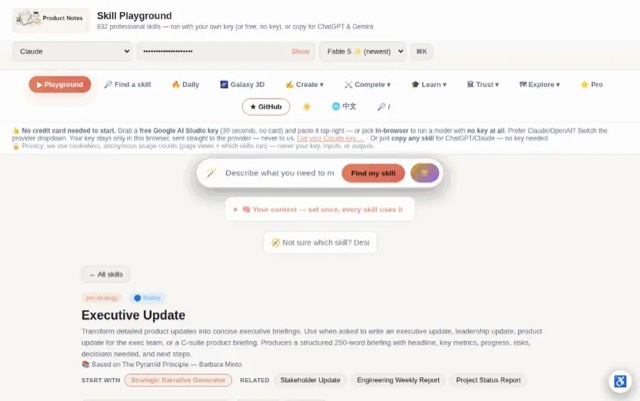
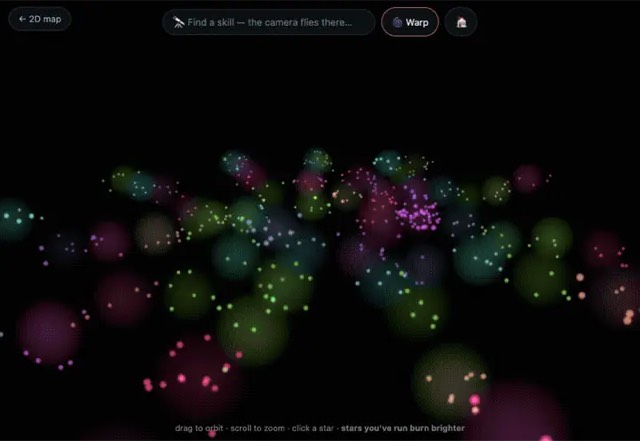
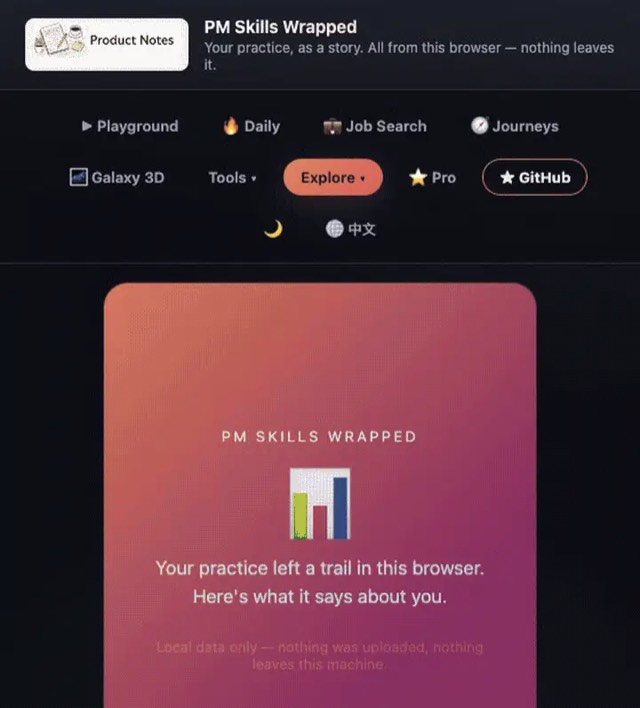
From the mohitagw15856/pm-claude-skills README — shows the whole collection, not only this skill. · view on GitHub
How to use it
Claude Code
- Run the line below. It pulls the whole folder into
~/.claude/skills/board-game-night-planner. - Describe your job in plain words. Claude Code follows the skill from there.
npx degit mohitagw15856/pm-claude-skills/skills/board-game-night-planner#main ~/.claude/skills/board-game-night-plannerFor one project only, change the path to .claude/skills/board-game-night-planner.
Claude (web or desktop app)
- On this page open ⋯ → Download .md.
- Save it as SKILL.md in a folder, zip the folder, then Customize → Skills → + → Create skill → Upload a skill.
- Pick the file and Save. Claude shows the name and description and runs a security scan.
- Check the skill is switched on.
- Start a new chat and describe your job in plain words. The AI follows the skill from there.
ChatGPT or another app
- ChatGPT: make a Project and paste it into Instructions.
- Neither? Paste it at the top of a new chat — it works for that chat.
Not working?
- Check which app you pasted it into — the steps above name the right one.
- Some skills need the paid tier of Claude or ChatGPT.
Paste into Claude, ChatGPT or Cursor.
Source of Board game night planner
Show the full text90 lines
| name | description | deprecated | supersededBy |
|---|---|---|---|
| board-game-night-planner | Plan a board game night that actually lands — the right games for your group size, mix, and time, in a running order that keeps energy up. Use when asked to plan a game night, what board game should we play, games for [N] people, or what to play with a mixed group. Produces game picks matched to player count and experience, a warm-up-to-main running order, teach-time and play-time estimates, and swaps for the non-gamers or the one player who hates losing. | 2026-08-21 | game-night-planner |
Board Game Night Planner
A game night dies when the game doesn't fit the group — too long, too heavy for casual players, or bad at your player count. This picks games that fit who's actually coming and how long you've got, orders them so the night builds instead of stalling on a 20-minute rules explanation, and plans for the friend who "doesn't really do board games."
What This Skill Produces
- Game picks that fit the count — games that shine at your number (a great 4-player game can be dull at 2 or 6)
- A running order — a quick warm-up, a main event, a filler for the tail end
- Teach + play estimates — how long to explain and to play, so the night fits the window
- Group-fit swaps — lighter picks for casual players, a party game to include everyone
- The "sore loser / late arrival" plan — co-op or team options and drop-in-friendly games
Required Inputs
Ask for these if not provided:
- Who & how many — player count, ages, and experience (casual vs into it)
- Time — total window and any hard end
- What you own or can get — your shelf, or open to suggestions
- The vibe — competitive, co-op, party/laughs, strategy
- Constraints — non-gamers present, kids, language, someone who hates conflict/losing
Programmatic Helper
Two of the things that actually derail a game night — the teach going long, and an argument nobody can settle — have a lookup rather than an opinion behind them:
npx --yes @mohitagw15856/rulebook find --players 5 --minutes 45   # what fits the slot
npx --yes @mohitagw15856/rulebook teach catan                     # a teach script, timed
npx --yes @mohitagw15856/rulebook ruling catan "can we trade on someone else's turn"
find filters 37 games by player count, length, weight and downtime. teach
gives a running order for explaining one, with honest timings. ruling returns
the actual rule and how commonly each house rule is played — which is what
ends the argument, because the disagreement is usually between two groups who
each learned it differently and are both partly right.
Use the teach times from teach in the running order below rather than
estimating them. A night runs long because the teach ran long.
Framework: Fit The Group, Build The Arc
- Player count first. Filter to games that play well at your exact number — the most common reason a night flops.
- Match weight to the room. Casual crowd → light/party games; a heavy euro will lose them. Save the brain-burner for the people who want it.
- Order for energy. Open with a short, easy game while people arrive; peak with the main event; end on a light filler.
- Budget the teach time. A 25-minute rules lecture kills momentum — pick games whose teach fits the group's patience.
- Include everyone. Have a co-op or team option and a party game so no one's frozen out or crushed.
Output Format
Game night: [N players] · [experience] · [time window] · [vibe]
Running order
- Warm-up: [game] — teach ~[x]m, play ~[y]m. Why: [fits arriving/casual].
- Main: [game] — teach ~[x]m, play ~[y]m. Why: [shines at N, matches vibe].
- Filler: [game] — quick, light close.
If there are non-gamers: [party/co-op swap]. If someone hates losing: [co-op or team game]. Fits the window? [yes / trim to X].
Quality Checks
- Every pick plays well at the stated player count
- Game weight matches the group's experience
- Running order builds energy (warm-up → main → filler)
- Teach + play times are estimated against the time window
- Includes an option so non-gamers/sore-losers aren't excluded
Anti-Patterns
- Ignoring player count — recommending a 3–4 player game for 6.
- A heavy strategy game for a casual, tipsy crowd.
- All main events, no warm-up — momentum stalls on rules.
- Forgetting the non-gamer who then sits out all night.
- Overstuffing the window so the main game gets cut mid-play.
Example Trigger Phrases
- "Game night for 5, mixed group, about 3 hours — what should we play?"
- "What board game is good for exactly 2 people?"
- "We've got non-gamers coming — pick something everyone can enjoy."
- "Plan an order of games for a 6-person party night."
- "Something co-op so my competitive friend doesn't rage-quit."
| 1 | |
| 2 | name board-game-night-planner |
| 3 | description "Plan a board game night that actually lands — the right games for your group size, mix, and time, in a running order that keeps energy up. Use when asked to plan a game night, what board game should we play, games for [N] people, or what to play with a mixed group. Produces game picks matched to player count and experience, a warm-up-to-main running order, teach-time and play-time estimates, and swaps for the non-gamers or the one player who hates losing." |
| 4 | deprecated 2026-08-21 |
| 5 | supersededBy game-night-planner |
| 6 | |
| 7 | |
| 8 | # Board Game Night Planner |
| 9 | |
| 10 | A game night dies when the game doesn't fit the group — too long, too heavy for casual players, or bad at your player count. This picks games that fit who's actually coming and how long you've got, orders them so the night builds instead of stalling on a 20-minute rules explanation, and plans for the friend who "doesn't really do board games." |
| 11 | |
| 12 | ## What This Skill Produces |
| 13 | |
| 14 | **Game picks that fit the count** — games that shine at *your* number (a great 4-player game can be dull at 2 or 6) |
| 15 | **A running order** — a quick warm-up, a main event, a filler for the tail end |
| 16 | **Teach + play estimates** — how long to explain and to play, so the night fits the window |
| 17 | **Group-fit swaps** — lighter picks for casual players, a party game to include everyone |
| 18 | **The "sore loser / late arrival" plan** — co-op or team options and drop-in-friendly games |
| 19 | |
| 20 | ## Required Inputs |
| 21 | |
| 22 | Ask for these if not provided: |
| 23 | **Who & how many** — player count, ages, and experience (casual vs into it) |
| 24 | **Time** — total window and any hard end |
| 25 | **What you own or can get** — your shelf, or open to suggestions |
| 26 | **The vibe** — competitive, co-op, party/laughs, strategy |
| 27 | **Constraints** — non-gamers present, kids, language, someone who hates conflict/losing |
| 28 | |
| 29 | ## Programmatic Helper |
| 30 | |
| 31 | Two of the things that actually derail a game night — the teach going long, and |
| 32 | an argument nobody can settle — have a lookup rather than an opinion behind them: |
| 33 | |
| 34 | |
| 35 | npx --yes @mohitagw15856/rulebook find --players 5 --minutes 45 # what fits the slot |
| 36 | npx --yes @mohitagw15856/rulebook teach catan # a teach script, timed |
| 37 | npx --yes @mohitagw15856/rulebook ruling catan "can we trade on someone else's turn" |
| 38 | |
| 39 | |
| 40 | `find` filters 37 games by player count, length, weight and downtime. `teach` |
| 41 | gives a running order for explaining one, with honest timings. `ruling` returns |
| 42 | the actual rule *and* how commonly each house rule is played — which is what |
| 43 | ends the argument, because the disagreement is usually between two groups who |
| 44 | each learned it differently and are both partly right. |
| 45 | |
| 46 | Use the teach times from `teach` in the running order below rather than |
| 47 | estimating them. A night runs long because the teach ran long. |
| 48 | |
| 49 | ## Framework: Fit The Group, Build The Arc |
| 50 | |
| 51 | **Player count first.** Filter to games that play well at your exact number — the most common reason a night flops. |
| 52 | **Match weight to the room.** Casual crowd → light/party games; a heavy euro will lose them. Save the brain-burner for the people who want it. |
| 53 | **Order for energy.** Open with a short, easy game while people arrive; peak with the main event; end on a light filler. |
| 54 | **Budget the teach time.** A 25-minute rules lecture kills momentum — pick games whose teach fits the group's patience. |
| 55 | **Include everyone.** Have a co-op or team option and a party game so no one's frozen out or crushed. |
| 56 | |
| 57 | ## Output Format |
| 58 | |
| 59 | ### Game night: [N players] · [experience] · [time window] · [vibe] |
| 60 | |
| 61 | **Running order** |
| 62 | **Warm-up:** [game] — teach ~[x]m, play ~[y]m. Why: [fits arriving/casual]. |
| 63 | **Main:** [game] — teach ~[x]m, play ~[y]m. Why: [shines at N, matches vibe]. |
| 64 | **Filler:** [game] — quick, light close. |
| 65 | |
| 66 | **If there are non-gamers:** [party/co-op swap]. |
| 67 | **If someone hates losing:** [co-op or team game]. |
| 68 | **Fits the window?** [yes / trim to X]. |
| 69 | |
| 70 | ## Quality Checks |
| 71 | [ ] Every pick plays well at the stated player count |
| 72 | [ ] Game weight matches the group's experience |
| 73 | [ ] Running order builds energy (warm-up → main → filler) |
| 74 | [ ] Teach + play times are estimated against the time window |
| 75 | [ ] Includes an option so non-gamers/sore-losers aren't excluded |
| 76 | |
| 77 | ## Anti-Patterns |
| 78 | **Ignoring player count** — recommending a 3–4 player game for 6. |
| 79 | **A heavy strategy game** for a casual, tipsy crowd. |
| 80 | **All main events, no warm-up** — momentum stalls on rules. |
| 81 | **Forgetting the non-gamer** who then sits out all night. |
| 82 | **Overstuffing the window** so the main game gets cut mid-play. |
| 83 | |
| 84 | ## Example Trigger Phrases |
| 85 | "Game night for 5, mixed group, about 3 hours — what should we play?" |
| 86 | "What board game is good for exactly 2 people?" |
| 87 | "We've got non-gamers coming — pick something everyone can enjoy." |
| 88 | "Plan an order of games for a 6-person party night." |
| 89 | "Something co-op so my competitive friend doesn't rage-quit." |
| 90 |
Discussion
Browse more free Claude skills.