Vendor evaluation
Evaluate, select, and contract with vendors and SaaS tools.
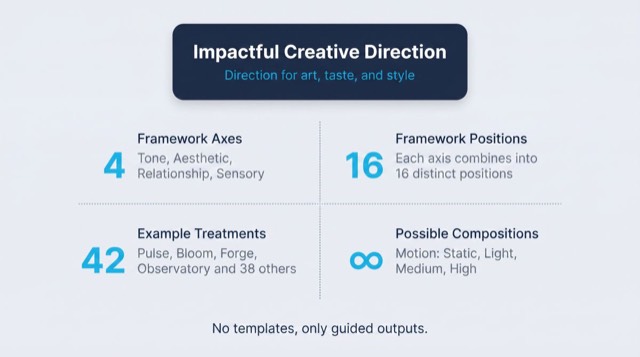
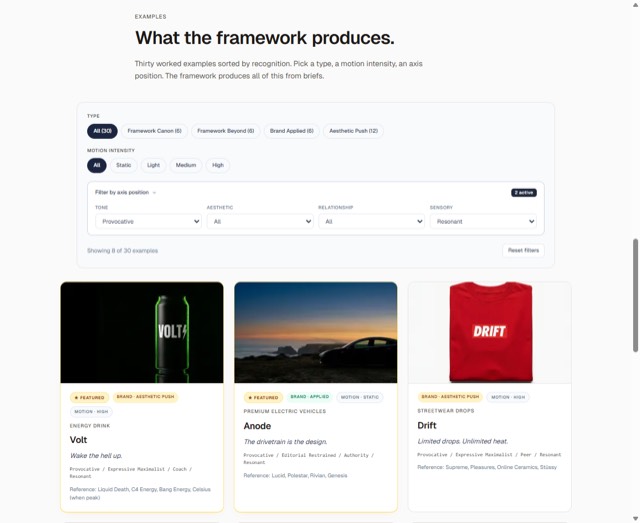
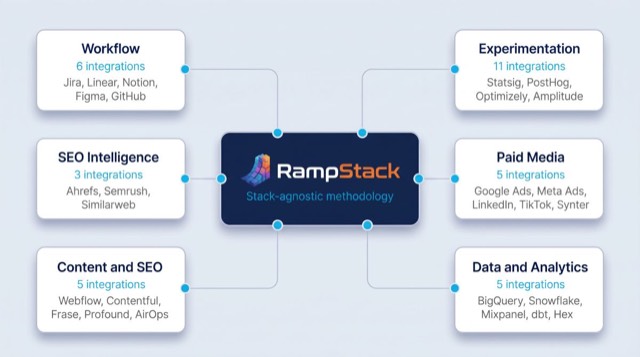
From the rampstackco/claude-skills README — shows the whole collection, not only this skill. · view on GitHub
How to use it
Claude Code
- Run the line below. It pulls the whole folder into
~/.claude/skills/vendor-evaluation-2. - Describe your job in plain words. Claude Code follows the skill from there.
npx degit rampstackco/claude-skills/skills/vendor-evaluation#main ~/.claude/skills/vendor-evaluation-2For one project only, change the path to .claude/skills/vendor-evaluation-2.
Claude (web or desktop app)
- On this page open ⋯ → Download .md.
- Save it as SKILL.md in a folder, zip the folder, then Customize → Skills → + → Create skill → Upload a skill.
- Pick the file and Save. Claude shows the name and description and runs a security scan.
- Check the skill is switched on.
- Start a new chat and describe your job in plain words. The AI follows the skill from there.
ChatGPT or another app
- ChatGPT: make a Project and paste it into Instructions.
- Neither? Paste it at the top of a new chat — it works for that chat.
Not working?
- Check which app you pasted it into — the steps above name the right one.
- Some skills need the paid tier of Claude or ChatGPT.
Paste into Claude, ChatGPT or Cursor.
Source of Vendor evaluation
Show the full text287 lines
| name | description | category | catalog_summary | display_order |
|---|---|---|---|---|
| vendor-evaluation | Evaluate, select, and contract with vendors and SaaS tools. Use this skill when comparing alternatives, running an RFP, scoring vendors against criteria, negotiating contracts, planning a switch, or assessing a vendor's risk. Triggers on vendor evaluation, RFP, vendor selection, build vs buy, SaaS evaluation, vendor scorecard, vendor comparison, contract negotiation, vendor switch, procurement. Also triggers when a renewal is coming up or when a tool isn't meeting expectations. | process-and-team | Tool and vendor selection using a structured rubric | 3 |
Vendor Evaluation
Pick the right tool or service, negotiate fair terms, and avoid the lock-in traps. Stack-agnostic. Applies to SaaS, infrastructure providers, agencies, and any external dependency.
When to use
- Selecting a tool or vendor for a new need
- Evaluating alternatives to a current vendor
- Build vs buy analysis
- Renewal coming up: should we stay or switch?
- Running a formal RFP or RFI
- Comparing finalists in a vendor selection
- Negotiating a contract
- Assessing vendor risk (financial, security, dependency)
When NOT to use
- General cost reduction (use
cost-optimization) - Specific contract legal terms (those go to legal)
- Performance issues with an existing vendor (try fixing before switching)
- Hiring an agency for a one-off project (lighter framework needed)
Required inputs
- The need (what problem are you solving, what would success look like)
- Constraints (budget, timeline, integration requirements)
- Stakeholders (users, IT, security, finance, legal)
- Existing context (what's already used, what's been tried)
- Compliance requirements
The framework: 5 phases
A structured vendor evaluation. Skip phases at your peril.
Phase 1: Define the need
Before looking at vendors, define what you actually need.
- What problem are you solving?
- What's the user / use case?
- What does "success" look like in 6 months? In 2 years?
- What's the budget (range, not just ceiling)?
- What's the timeline?
- Are there must-have integrations or constraints?
The temptation: skip this and start demoing. Vendors are happy to show off; you end up choosing what looks shiny rather than what fits.
Phase 2: Build vs buy
Before evaluating vendors, decide whether you should build instead.
Build when:
- It's core to the business (differentiating)
- The need is so specific no vendor matches
- The economics work at your scale
- You have the team to maintain it
- Vendor lock-in would be unacceptable
Buy when:
- It's table stakes (not differentiating)
- The need is well-served by existing products
- The economics favor it
- The team should focus elsewhere
- The vendor's specialization beats your generalism
Most teams over-build. The rule of thumb: buy unless there's a strong reason to build. Then question even that strong reason.
Phase 3: Generate the shortlist
Cast a wider net than feels comfortable, then narrow.
Sources:
- Internal team's existing knowledge
- Industry analyst reports (Gartner, Forrester, etc.)
- Peer recommendations (other companies similar to yours)
- Reviews (G2, Capterra; with caveats about review quality)
- Adjacent vendors you already use (often have the feature you need)
- Open-source alternatives
Cast wide first. Aim for 5-8 candidates. Then narrow to 2-4 finalists for deep evaluation.
Phase 4: Score the finalists
Use a scorecard. Without one, you'll be swayed by demo theatrics or who has the friendliest sales rep.
Scorecard dimensions (weight by your situation):
Functional fit (40%): Does it do what you need? Edge cases handled? UX quality. Workflow fit.
Technical fit (15%): Integration with your stack. API quality and completeness. Data export and portability. Performance at your scale. Self-hosted, hybrid, or SaaS-only.
Operational fit (10%): Onboarding effort. Training and adoption. Documentation quality. Support quality (test by submitting a ticket). SLAs.
Security and compliance (10%): SOC 2, ISO 27001, HIPAA, etc., as applicable. Data residency. Encryption at rest and in transit. Access controls and audit logs. Penetration test results (ask). Subprocessors.
Vendor health (10%): Years in business. Funding and runway (or revenue if private). Customer base size and similar customers. Public references. Roadmap visibility.
Cost (10%): License or subscription cost. Implementation and onboarding cost. Training cost. Integration cost. Opportunity cost (in-house resource time). Switching cost (in case of failure).
Lock-in risk (5%): Data export quality. Standard formats vs proprietary. Migration paths to alternatives. Open standards alignment. Contract escape clauses.
Score each finalist 1-5 on each dimension. Multiply by weight. Sum.
The score isn't gospel. It surfaces the tradeoffs.
Phase 5: Negotiate
Most enterprise contracts are negotiable. Most aren't negotiated.
What's negotiable:
- Price (multi-year, volume, prepayment, end-of-quarter timing)
- Terms (payment schedule, renewal terms)
- Success commitments (training, onboarding, support)
- SLAs (uptime, response time, credits)
- Termination clauses (auto-renewal, notice period, data export)
- Liability caps and indemnity (legal will care about these)
- Subprocessors and data handling (security/legal cares)
Common negotiation moves:
- Multi-year discount (3-year for a 15-30% discount is common)
- Volume tiers (commit to higher usage for a per-unit discount)
- Annual prepayment for a discount
- Free or discounted onboarding
- Pilot pricing (trial period at reduced rate)
- "Most favored customer" clauses (if your size warrants)
What to avoid:
- Multi-year lock with no escape clause for material breach
- Auto-renewal with short notice window (under 60 days; want longer)
- "All right, no further negotiation" stance from the start
- Signing without legal review
Workflow
Step 1: Define the need
Write a one-page brief: what we need, why, success criteria, constraints, stakeholders.
Step 2: Build vs buy
Honestly answer the build/buy question. Document the rationale.
Step 3: Generate shortlist
Wider net first, narrowed via desk research:
- Read summaries
- Skim reviews
- Look at customer logos
- Skim docs
- Skim API specs
Eliminate obvious misfits. Land on 2-4 finalists.
Step 4: Run demos and trials
For each finalist:
- Demo with the use case (don't take their default demo; bring yours)
- Trial period if possible
- Reference calls with similar customers
- Pilot with real data if feasible
Don't be charmed by the polished demo. Try it with your real workflow.
Step 5: Run security and compliance review
Critical for any vendor handling sensitive data:
- Request SOC 2 / ISO 27001 reports
- Review their security questionnaire (most have one ready)
- Verify data handling matches your requirements
- Identify subprocessors
This can take weeks for enterprise vendors. Start early.
Step 6: Score
Apply the scorecard. Do this collaboratively with stakeholders.
The scoring conversation matters more than the final number. It surfaces disagreement (one person scored UX 5, another scored 2: why?).
Step 7: Negotiate
With the apparent winner:
- Open negotiation by asking for terms (not just price)
- Be willing to walk
- Run negotiations with #2 in parallel where appropriate (gives you leverage)
Step 8: Plan the rollout
Contract signing is the start, not the end. Plan:
- Onboarding owner
- Training plan
- Migration plan if replacing an incumbent
- Success criteria at 30, 90, 180 days
- Renewal calendar
Step 9: Document
Record:
- The decision and the rationale
- Alternatives considered
- Scorecard results
- Negotiated terms
- Renewal date and notice deadlines
- Owner of the relationship
This is gold for the next renewal or the next similar evaluation.
Failure patterns
Skipping the needs definition. Demoing first. Buying what's shiny. Realizing 6 months in that the actual need wasn't met.
Single-source decisions. Talking to one vendor; deciding. No comparison. Probably overpaying or under-fitting.
Charisma-driven decisions. Buying based on the sales rep's likability. The product is what you'll use for years; the rep won't be there.
Reference calls that the vendor curated. Of course their references love them. Find references the vendor didn't suggest.
Glossing over security. Security review skipped because of timeline pressure. Then a breach. Slow down or accept the risk explicitly.
Demos that don't match the use case. Their default demo, not yours. Always do a use-case demo.
Trial that doesn't simulate real usage. A trial with synthetic data tells you the product works in synthetic conditions. Use real (or close to real) data.
Negotiating only on price. Terms, SLAs, and exit clauses matter more for long-term satisfaction than 5% price.
Auto-renewal without notice tracking. Renewal happens; rate goes up 15%. No one was watching. Track renewals; review with notice.
Lock-in without exit plan. Tightly integrating into a vendor's proprietary surface. When you want to leave, you can't. Plan exit at the start.
Multi-year contract for an unproven vendor. Save the multi-year for vendors you trust. New vendor: shorter term, evaluate after.
No internal champion. Tool selected; no one drives adoption. Tool sits unused. Identify the champion before signing.
Negotiating after a verbal commitment. "Yes, we want to buy" means they have less reason to negotiate. Keep options open until terms are settled.
Ignoring red flags in security review. Vendor's security responses are evasive or incomplete. Treat as a no.
Comparing apples to oranges. Vendors price differently (per user, per usage, flat). Build a comparable cost model at your scale.
Output format
A vendor evaluation document includes:
- Need brief: problem, success criteria, constraints
- Build vs buy decision: with rationale
- Shortlist: 2-4 finalists with brief description
- Scorecard: filled out per finalist, or state the gap per the data-availability rule
- Demo and trial notes: what was learned
- Security and compliance summary: findings per finalist
- Reference call notes: what customers said
- Recommendation: which vendor, with rationale
- Negotiated terms: what was agreed
- Rollout plan: onboarding, training, migration
- Renewal calendar: with notice deadline
If required data is unavailable
This skill's output depends on data, measurements, or tool results it cannot generate on its own. When a required input, tool, or data source is unavailable or unverifiable, the sanctioned output is the deliverable with the gap stated: what was needed, what was actually obtained or verified, and which parts of the output are affected. Fabricating, estimating, or interpolating a required number to complete the deliverable is never sanctioned. A stated gap is a complete answer.
Reference files
references/evaluation-rubric.md- Scoring template with weighted dimensions, 1-5 scale criteria for each dimension, and a worked vendor-comparison example.
| 1 | |
| 2 | name vendor-evaluation |
| 3 | description "Evaluate, select, and contract with vendors and SaaS tools. Use this skill when comparing alternatives, running an RFP, scoring vendors against criteria, negotiating contracts, planning a switch, or assessing a vendor's risk. Triggers on vendor evaluation, RFP, vendor selection, build vs buy, SaaS evaluation, vendor scorecard, vendor comparison, contract negotiation, vendor switch, procurement. Also triggers when a renewal is coming up or when a tool isn't meeting expectations." |
| 4 | category process-and-team |
| 5 | catalog_summary "Tool and vendor selection using a structured rubric" |
| 6 | display_order 3 |
| 7 | |
| 8 | |
| 9 | # Vendor Evaluation |
| 10 | |
| 11 | Pick the right tool or service, negotiate fair terms, and avoid the lock-in traps. Stack-agnostic. Applies to SaaS, infrastructure providers, agencies, and any external dependency. |
| 12 | |
| 13 | |
| 14 | |
| 15 | ## When to use |
| 16 | |
| 17 | Selecting a tool or vendor for a new need |
| 18 | Evaluating alternatives to a current vendor |
| 19 | Build vs buy analysis |
| 20 | Renewal coming up: should we stay or switch? |
| 21 | Running a formal RFP or RFI |
| 22 | Comparing finalists in a vendor selection |
| 23 | Negotiating a contract |
| 24 | Assessing vendor risk (financial, security, dependency) |
| 25 | |
| 26 | ## When NOT to use |
| 27 | |
| 28 | General cost reduction (use `cost-optimization`) |
| 29 | Specific contract legal terms (those go to legal) |
| 30 | Performance issues with an existing vendor (try fixing before switching) |
| 31 | Hiring an agency for a one-off project (lighter framework needed) |
| 32 | |
| 33 | |
| 34 | |
| 35 | ## Required inputs |
| 36 | |
| 37 | The need (what problem are you solving, what would success look like) |
| 38 | Constraints (budget, timeline, integration requirements) |
| 39 | Stakeholders (users, IT, security, finance, legal) |
| 40 | Existing context (what's already used, what's been tried) |
| 41 | Compliance requirements |
| 42 | |
| 43 | |
| 44 | |
| 45 | ## The framework: 5 phases |
| 46 | |
| 47 | A structured vendor evaluation. Skip phases at your peril. |
| 48 | |
| 49 | ### Phase 1: Define the need |
| 50 | |
| 51 | Before looking at vendors, define what you actually need. |
| 52 | |
| 53 | What problem are you solving? |
| 54 | What's the user / use case? |
| 55 | What does "success" look like in 6 months? In 2 years? |
| 56 | What's the budget (range, not just ceiling)? |
| 57 | What's the timeline? |
| 58 | Are there must-have integrations or constraints? |
| 59 | |
| 60 | The temptation: skip this and start demoing. Vendors are happy to show off; you end up choosing what looks shiny rather than what fits. |
| 61 | |
| 62 | ### Phase 2: Build vs buy |
| 63 | |
| 64 | Before evaluating vendors, decide whether you should build instead. |
| 65 | |
| 66 | **Build when:** |
| 67 | It's core to the business (differentiating) |
| 68 | The need is so specific no vendor matches |
| 69 | The economics work at your scale |
| 70 | You have the team to maintain it |
| 71 | Vendor lock-in would be unacceptable |
| 72 | |
| 73 | **Buy when:** |
| 74 | It's table stakes (not differentiating) |
| 75 | The need is well-served by existing products |
| 76 | The economics favor it |
| 77 | The team should focus elsewhere |
| 78 | The vendor's specialization beats your generalism |
| 79 | |
| 80 | Most teams over-build. The rule of thumb: buy unless there's a strong reason to build. Then question even that strong reason. |
| 81 | |
| 82 | ### Phase 3: Generate the shortlist |
| 83 | |
| 84 | Cast a wider net than feels comfortable, then narrow. |
| 85 | |
| 86 | Sources: |
| 87 | Internal team's existing knowledge |
| 88 | Industry analyst reports (Gartner, Forrester, etc.) |
| 89 | Peer recommendations (other companies similar to yours) |
| 90 | Reviews (G2, Capterra; with caveats about review quality) |
| 91 | Adjacent vendors you already use (often have the feature you need) |
| 92 | Open-source alternatives |
| 93 | |
| 94 | Cast wide first. Aim for 5-8 candidates. Then narrow to 2-4 finalists for deep evaluation. |
| 95 | |
| 96 | ### Phase 4: Score the finalists |
| 97 | |
| 98 | Use a scorecard. Without one, you'll be swayed by demo theatrics or who has the friendliest sales rep. |
| 99 | |
| 100 | Scorecard dimensions (weight by your situation): |
| 101 | |
| 102 | **Functional fit (40%):** Does it do what you need? Edge cases handled? UX quality. Workflow fit. |
| 103 | |
| 104 | **Technical fit (15%):** Integration with your stack. API quality and completeness. Data export and portability. Performance at your scale. Self-hosted, hybrid, or SaaS-only. |
| 105 | |
| 106 | **Operational fit (10%):** Onboarding effort. Training and adoption. Documentation quality. Support quality (test by submitting a ticket). SLAs. |
| 107 | |
| 108 | **Security and compliance (10%):** SOC 2, ISO 27001, HIPAA, etc., as applicable. Data residency. Encryption at rest and in transit. Access controls and audit logs. Penetration test results (ask). Subprocessors. |
| 109 | |
| 110 | **Vendor health (10%):** Years in business. Funding and runway (or revenue if private). Customer base size and similar customers. Public references. Roadmap visibility. |
| 111 | |
| 112 | **Cost (10%):** License or subscription cost. Implementation and onboarding cost. Training cost. Integration cost. Opportunity cost (in-house resource time). Switching cost (in case of failure). |
| 113 | |
| 114 | **Lock-in risk (5%):** Data export quality. Standard formats vs proprietary. Migration paths to alternatives. Open standards alignment. Contract escape clauses. |
| 115 | |
| 116 | Score each finalist 1-5 on each dimension. Multiply by weight. Sum. |
| 117 | |
| 118 | The score isn't gospel. It surfaces the tradeoffs. |
| 119 | |
| 120 | ### Phase 5: Negotiate |
| 121 | |
| 122 | Most enterprise contracts are negotiable. Most aren't negotiated. |
| 123 | |
| 124 | **What's negotiable:** |
| 125 | Price (multi-year, volume, prepayment, end-of-quarter timing) |
| 126 | Terms (payment schedule, renewal terms) |
| 127 | Success commitments (training, onboarding, support) |
| 128 | SLAs (uptime, response time, credits) |
| 129 | Termination clauses (auto-renewal, notice period, data export) |
| 130 | Liability caps and indemnity (legal will care about these) |
| 131 | Subprocessors and data handling (security/legal cares) |
| 132 | |
| 133 | **Common negotiation moves:** |
| 134 | Multi-year discount (3-year for a 15-30% discount is common) |
| 135 | Volume tiers (commit to higher usage for a per-unit discount) |
| 136 | Annual prepayment for a discount |
| 137 | Free or discounted onboarding |
| 138 | Pilot pricing (trial period at reduced rate) |
| 139 | "Most favored customer" clauses (if your size warrants) |
| 140 | |
| 141 | **What to avoid:** |
| 142 | Multi-year lock with no escape clause for material breach |
| 143 | Auto-renewal with short notice window (under 60 days; want longer) |
| 144 | "All right, no further negotiation" stance from the start |
| 145 | Signing without legal review |
| 146 | |
| 147 | |
| 148 | |
| 149 | ## Workflow |
| 150 | |
| 151 | ### Step 1: Define the need |
| 152 | |
| 153 | Write a one-page brief: what we need, why, success criteria, constraints, stakeholders. |
| 154 | |
| 155 | ### Step 2: Build vs buy |
| 156 | |
| 157 | Honestly answer the build/buy question. Document the rationale. |
| 158 | |
| 159 | ### Step 3: Generate shortlist |
| 160 | |
| 161 | Wider net first, narrowed via desk research: |
| 162 | Read summaries |
| 163 | Skim reviews |
| 164 | Look at customer logos |
| 165 | Skim docs |
| 166 | Skim API specs |
| 167 | |
| 168 | Eliminate obvious misfits. Land on 2-4 finalists. |
| 169 | |
| 170 | ### Step 4: Run demos and trials |
| 171 | |
| 172 | For each finalist: |
| 173 | Demo with the use case (don't take their default demo; bring yours) |
| 174 | Trial period if possible |
| 175 | Reference calls with similar customers |
| 176 | Pilot with real data if feasible |
| 177 | |
| 178 | Don't be charmed by the polished demo. Try it with your real workflow. |
| 179 | |
| 180 | ### Step 5: Run security and compliance review |
| 181 | |
| 182 | Critical for any vendor handling sensitive data: |
| 183 | Request SOC 2 / ISO 27001 reports |
| 184 | Review their security questionnaire (most have one ready) |
| 185 | Verify data handling matches your requirements |
| 186 | Identify subprocessors |
| 187 | |
| 188 | This can take weeks for enterprise vendors. Start early. |
| 189 | |
| 190 | ### Step 6: Score |
| 191 | |
| 192 | Apply the scorecard. Do this collaboratively with stakeholders. |
| 193 | |
| 194 | The scoring conversation matters more than the final number. It surfaces disagreement (one person scored UX 5, another scored 2: why?). |
| 195 | |
| 196 | ### Step 7: Negotiate |
| 197 | |
| 198 | With the apparent winner: |
| 199 | Open negotiation by asking for terms (not just price) |
| 200 | Be willing to walk |
| 201 | Run negotiations with #2 in parallel where appropriate (gives you leverage) |
| 202 | |
| 203 | ### Step 8: Plan the rollout |
| 204 | |
| 205 | Contract signing is the start, not the end. Plan: |
| 206 | Onboarding owner |
| 207 | Training plan |
| 208 | Migration plan if replacing an incumbent |
| 209 | Success criteria at 30, 90, 180 days |
| 210 | Renewal calendar |
| 211 | |
| 212 | ### Step 9: Document |
| 213 | |
| 214 | Record: |
| 215 | The decision and the rationale |
| 216 | Alternatives considered |
| 217 | Scorecard results |
| 218 | Negotiated terms |
| 219 | Renewal date and notice deadlines |
| 220 | Owner of the relationship |
| 221 | |
| 222 | This is gold for the next renewal or the next similar evaluation. |
| 223 | |
| 224 | |
| 225 | |
| 226 | ## Failure patterns |
| 227 | |
| 228 | **Skipping the needs definition.** Demoing first. Buying what's shiny. Realizing 6 months in that the actual need wasn't met. |
| 229 | |
| 230 | **Single-source decisions.** Talking to one vendor; deciding. No comparison. Probably overpaying or under-fitting. |
| 231 | |
| 232 | **Charisma-driven decisions.** Buying based on the sales rep's likability. The product is what you'll use for years; the rep won't be there. |
| 233 | |
| 234 | **Reference calls that the vendor curated.** Of course their references love them. Find references the vendor didn't suggest. |
| 235 | |
| 236 | **Glossing over security.** Security review skipped because of timeline pressure. Then a breach. Slow down or accept the risk explicitly. |
| 237 | |
| 238 | **Demos that don't match the use case.** Their default demo, not yours. Always do a use-case demo. |
| 239 | |
| 240 | **Trial that doesn't simulate real usage.** A trial with synthetic data tells you the product works in synthetic conditions. Use real (or close to real) data. |
| 241 | |
| 242 | **Negotiating only on price.** Terms, SLAs, and exit clauses matter more for long-term satisfaction than 5% price. |
| 243 | |
| 244 | **Auto-renewal without notice tracking.** Renewal happens; rate goes up 15%. No one was watching. Track renewals; review with notice. |
| 245 | |
| 246 | **Lock-in without exit plan.** Tightly integrating into a vendor's proprietary surface. When you want to leave, you can't. Plan exit at the start. |
| 247 | |
| 248 | **Multi-year contract for an unproven vendor.** Save the multi-year for vendors you trust. New vendor: shorter term, evaluate after. |
| 249 | |
| 250 | **No internal champion.** Tool selected; no one drives adoption. Tool sits unused. Identify the champion before signing. |
| 251 | |
| 252 | **Negotiating after a verbal commitment.** "Yes, we want to buy" means they have less reason to negotiate. Keep options open until terms are settled. |
| 253 | |
| 254 | **Ignoring red flags in security review.** Vendor's security responses are evasive or incomplete. Treat as a no. |
| 255 | |
| 256 | **Comparing apples to oranges.** Vendors price differently (per user, per usage, flat). Build a comparable cost model at your scale. |
| 257 | |
| 258 | |
| 259 | |
| 260 | ## Output format |
| 261 | |
| 262 | A vendor evaluation document includes: |
| 263 | |
| 264 | **Need brief:** problem, success criteria, constraints |
| 265 | **Build vs buy decision:** with rationale |
| 266 | **Shortlist:** 2-4 finalists with brief description |
| 267 | **Scorecard:** filled out per finalist, or state the gap per the data-availability rule |
| 268 | **Demo and trial notes:** what was learned |
| 269 | **Security and compliance summary:** findings per finalist |
| 270 | **Reference call notes:** what customers said |
| 271 | **Recommendation:** which vendor, with rationale |
| 272 | **Negotiated terms:** what was agreed |
| 273 | **Rollout plan:** onboarding, training, migration |
| 274 | **Renewal calendar:** with notice deadline |
| 275 | |
| 276 | |
| 277 | |
| 278 | ## If required data is unavailable |
| 279 | |
| 280 | This skill's output depends on data, measurements, or tool results it cannot generate on its own. When a required input, tool, or data source is unavailable or unverifiable, the sanctioned output is the deliverable with the gap stated: what was needed, what was actually obtained or verified, and which parts of the output are affected. Fabricating, estimating, or interpolating a required number to complete the deliverable is never sanctioned. A stated gap is a complete answer. |
| 281 | |
| 282 | |
| 283 | |
| 284 | ## Reference files |
| 285 | |
| 286 | [`references/evaluation-rubric.md`] - Scoring template with weighted dimensions, 1-5 scale criteria for each dimension, and a worked vendor-comparison example. |
| 287 |
Discussion
Browse more free Claude skills or everything in Sales.