Teaching Lesson Plan Skill
Design a structured lesson plan for any subject, audience, or format.
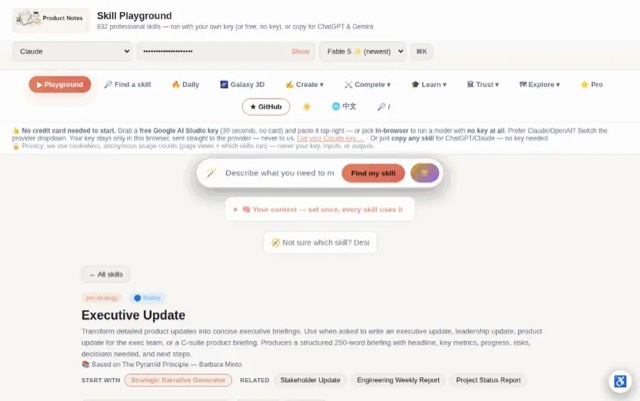
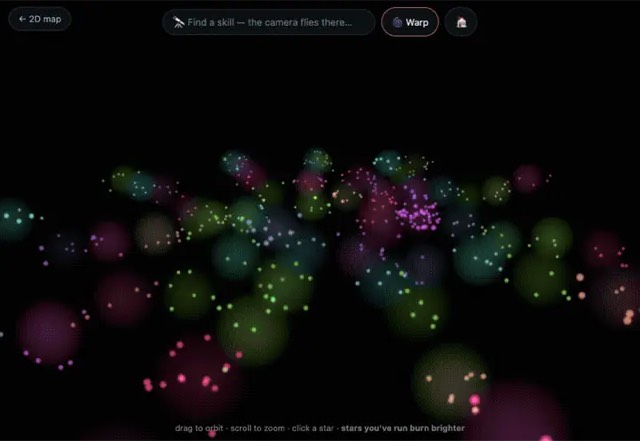
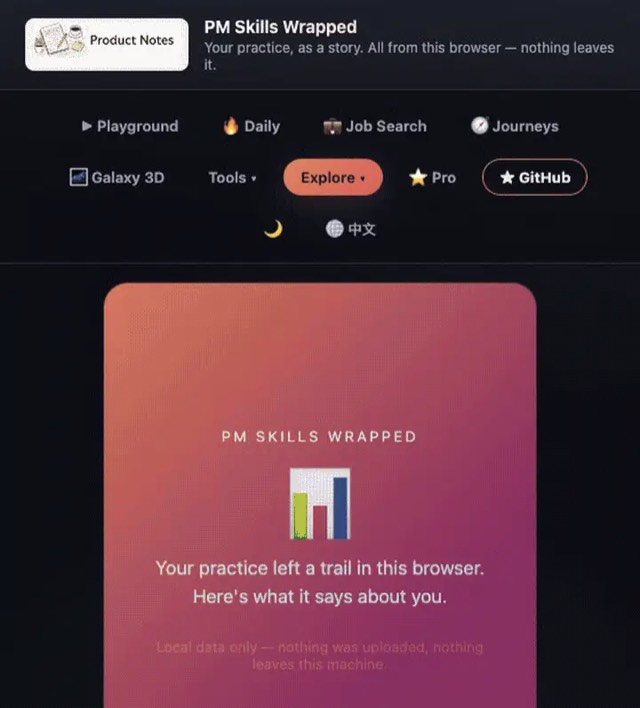
From the mohitagw15856/pm-claude-skills README — shows the whole collection, not only this skill. · view on GitHub
How to use it
Claude Code
- Run the line below. It pulls the whole folder into
~/.claude/skills/teaching-lesson-plan. - Describe your job in plain words. Claude Code follows the skill from there.
npx degit mohitagw15856/pm-claude-skills/skills/teaching-lesson-plan#main ~/.claude/skills/teaching-lesson-planFor one project only, change the path to .claude/skills/teaching-lesson-plan.
Claude (web or desktop app)
- On this page open ⋯ → Download .md.
- Save it as SKILL.md in a folder, zip the folder, then Customize → Skills → + → Create skill → Upload a skill.
- Pick the file and Save. Claude shows the name and description and runs a security scan.
- Check the skill is switched on.
- Start a new chat and describe your job in plain words. The AI follows the skill from there.
ChatGPT or another app
- ChatGPT: make a Project and paste it into Instructions.
- Neither? Paste it at the top of a new chat — it works for that chat.
Not working?
- Check which app you pasted it into — the steps above name the right one.
- Some skills need the paid tier of Claude or ChatGPT.
Paste into Claude, ChatGPT or Cursor.
Source of Teaching Lesson Plan Skill
Show the full text127 lines
| name | description |
|---|---|
| teaching-lesson-plan | Design a structured lesson plan for any subject, audience, or format. Use when asked to write a lesson plan, course outline, teaching session, workshop curriculum, or training module. Produces a complete lesson plan with learning objectives, activities, timing, assessment, and differentiation guidance. |
Teaching Lesson Plan Skill
Produces a complete, structured lesson plan for any subject, age group, or setting — from a one-hour corporate training to a full school lesson. Built around clear learning objectives, varied activities, and formative assessment.
Required Inputs
Ask the user for these if not provided:
- Subject or topic
- Audience (age group, experience level, group size)
- Session length (30 / 45 / 60 / 90 / 120 minutes)
- Setting (classroom / workshop / online / corporate training / one-to-one)
- Learning goal (what should participants know or be able to do by the end?)
- Prior knowledge (what can you assume they already know?)
Output Structure
Lesson Plan: [Topic]
Subject: [Subject] | Audience: [Description] | Duration: [X minutes] Setting: [Setting] | Group size: [N]
Learning Objectives
By the end of this session, participants will be able to:
- [Objective 1 — use Bloom's taxonomy verbs: recall, explain, apply, analyse, evaluate, create]
- [Objective 2]
- [Objective 3 — maximum 3–4 objectives per session]
Key vocabulary: [3–5 terms participants will need to know]
Materials and Preparation
- [Resource 1 — slides, handout, equipment]
- [Resource 2]
- Room setup: [configuration — rows / circles / tables / breakout spaces]
Lesson Structure
| Time | Phase | Activity | Format |
|---|---|---|---|
| [00:00] | Hook / Opener | [How you grab attention and establish relevance] | [Whole group / Individual / Pairs] |
| [00:05] | Prior knowledge | [How you connect to what they already know] | [Discussion / Quiz / Think-pair-share] |
| [00:15] | Instruction | [Direct teaching of new content] | [Explanation / Demo / Video] |
| [00:30] | Guided practice | [Supported practice with feedback] | [Worked examples / Group task] |
| [00:50] | Independent practice | [Students apply learning independently] | [Task / Problem / Discussion] |
| [01:05] | Check for understanding | [Formative assessment] | [Exit ticket / Quiz / Q&A] |
| [01:15] | Closure | [Summarise, connect to next session] | [Whole group] |
Key Explanations and Worked Examples
[Concept 1]
[Clear explanation + one concrete worked example. Explain the concept the way a good teacher would — no jargon without definition, one idea at a time.]
[Concept 2]
[Explanation + example]
Differentiation
For those who need more support:
- [Scaffold: e.g. sentence starters, worked examples, vocabulary cards]
- [Modified task or reduced scope]
For those ready for a challenge:
- [Extension: e.g. apply to a new context, evaluate, create something]
Formative Assessment (Check for Understanding)
During session:
- [Method 1: e.g. Cold calling with no-stakes approach, thumbs up/down, mini whiteboards]
- [Method 2: e.g. Think-pair-share before moving on]
Exit ticket (last 5 minutes): [One specific question that directly tests the learning objective — not "what did you enjoy?" but "solve this problem" or "explain this concept in your own words"]
Common Misconceptions to Address
| Misconception | Correct understanding | How to address it |
|---|---|---|
| [What learners often get wrong] | [The correct version] | [Specific activity or explanation] |
Quality Checks
- Learning objectives use action verbs (not "understand" or "know")
- Session has a clear hook that establishes relevance
- Activities are varied (not all listening)
- Formative assessment checks the actual learning objective
- Differentiation is specified for both support and extension
- Timing adds up to session length
Anti-Patterns
- Do not design a lesson plan without explicitly stating the learning objectives — activities must trace back to outcomes
- Do not allocate timing that does not add up to the total session length — the plan must be time-feasible
- Do not create activities with no assessment component — learning must be measurable, not just delivered
- Do not ignore differentiation — a plan with no accommodation for different learning levels or abilities is incomplete
- Do not front-load all content delivery without interactive breaks — passive listening degrades retention after 15–20 minutes
Example Trigger Phrases
- "Write a lesson plan on [topic] for [audience]"
- "Design a 60-minute session on [subject]"
- "Create a training module on [skill]"
- "Plan a workshop on [topic] for [group]"
| 1 | |
| 2 | name teaching-lesson-plan |
| 3 | description "Design a structured lesson plan for any subject, audience, or format. Use when asked to write a lesson plan, course outline, teaching session, workshop curriculum, or training module. Produces a complete lesson plan with learning objectives, activities, timing, assessment, and differentiation guidance." |
| 4 | |
| 5 | |
| 6 | # Teaching Lesson Plan Skill |
| 7 | |
| 8 | Produces a complete, structured lesson plan for any subject, age group, or setting — from a one-hour corporate training to a full school lesson. Built around clear learning objectives, varied activities, and formative assessment. |
| 9 | |
| 10 | ## Required Inputs |
| 11 | |
| 12 | Ask the user for these if not provided: |
| 13 | **Subject or topic** |
| 14 | **Audience** (age group, experience level, group size) |
| 15 | **Session length** (30 / 45 / 60 / 90 / 120 minutes) |
| 16 | **Setting** (classroom / workshop / online / corporate training / one-to-one) |
| 17 | **Learning goal** (what should participants know or be able to do by the end?) |
| 18 | **Prior knowledge** (what can you assume they already know?) |
| 19 | |
| 20 | ## Output Structure |
| 21 | |
| 22 | |
| 23 | |
| 24 | # Lesson Plan: [Topic] |
| 25 | |
| 26 | **Subject:** [Subject] | **Audience:** [Description] | **Duration:** [X minutes] |
| 27 | **Setting:** [Setting] | **Group size:** [N] |
| 28 | |
| 29 | |
| 30 | |
| 31 | ## Learning Objectives |
| 32 | |
| 33 | By the end of this session, participants will be able to: |
| 34 | [Objective 1 — use Bloom's taxonomy verbs: recall, explain, apply, analyse, evaluate, create] |
| 35 | [Objective 2] |
| 36 | [Objective 3 — maximum 3–4 objectives per session] |
| 37 | |
| 38 | **Key vocabulary:** [3–5 terms participants will need to know] |
| 39 | |
| 40 | |
| 41 | |
| 42 | ## Materials and Preparation |
| 43 | |
| 44 | [ ] [Resource 1 — slides, handout, equipment] |
| 45 | [ ] [Resource 2] |
| 46 | [ ] Room setup: [configuration — rows / circles / tables / breakout spaces] |
| 47 | |
| 48 | |
| 49 | |
| 50 | ## Lesson Structure |
| 51 | |
| 52 | | Time | Phase | Activity | Format | |
| 53 | |---|---|---|---| |
| 54 | | [00:00] | Hook / Opener | [How you grab attention and establish relevance] | [Whole group / Individual / Pairs] | |
| 55 | | [00:05] | Prior knowledge | [How you connect to what they already know] | [Discussion / Quiz / Think-pair-share] | |
| 56 | | [00:15] | Instruction | [Direct teaching of new content] | [Explanation / Demo / Video] | |
| 57 | | [00:30] | Guided practice | [Supported practice with feedback] | [Worked examples / Group task] | |
| 58 | | [00:50] | Independent practice | [Students apply learning independently] | [Task / Problem / Discussion] | |
| 59 | | [01:05] | Check for understanding | [Formative assessment] | [Exit ticket / Quiz / Q&A] | |
| 60 | | [01:15] | Closure | [Summarise, connect to next session] | [Whole group] | |
| 61 | |
| 62 | |
| 63 | |
| 64 | ## Key Explanations and Worked Examples |
| 65 | |
| 66 | ### [Concept 1] |
| 67 | [Clear explanation + one concrete worked example. Explain the concept the way a good teacher would — no jargon without definition, one idea at a time.] |
| 68 | |
| 69 | ### [Concept 2] |
| 70 | [Explanation + example] |
| 71 | |
| 72 | |
| 73 | |
| 74 | ## Differentiation |
| 75 | |
| 76 | **For those who need more support:** |
| 77 | [Scaffold: e.g. sentence starters, worked examples, vocabulary cards] |
| 78 | [Modified task or reduced scope] |
| 79 | |
| 80 | **For those ready for a challenge:** |
| 81 | [Extension: e.g. apply to a new context, evaluate, create something] |
| 82 | |
| 83 | |
| 84 | |
| 85 | ## Formative Assessment (Check for Understanding) |
| 86 | |
| 87 | **During session:** |
| 88 | [Method 1: e.g. Cold calling with no-stakes approach, thumbs up/down, mini whiteboards] |
| 89 | [Method 2: e.g. Think-pair-share before moving on] |
| 90 | |
| 91 | **Exit ticket (last 5 minutes):** |
| 92 | [One specific question that directly tests the learning objective — not "what did you enjoy?" but "solve this problem" or "explain this concept in your own words"] |
| 93 | |
| 94 | |
| 95 | |
| 96 | ## Common Misconceptions to Address |
| 97 | |
| 98 | | Misconception | Correct understanding | How to address it | |
| 99 | |---|---|---| |
| 100 | | [What learners often get wrong] | [The correct version] | [Specific activity or explanation] | |
| 101 | |
| 102 | |
| 103 | |
| 104 | ## Quality Checks |
| 105 | |
| 106 | [ ] Learning objectives use action verbs (not "understand" or "know") |
| 107 | [ ] Session has a clear hook that establishes relevance |
| 108 | [ ] Activities are varied (not all listening) |
| 109 | [ ] Formative assessment checks the actual learning objective |
| 110 | [ ] Differentiation is specified for both support and extension |
| 111 | [ ] Timing adds up to session length |
| 112 | |
| 113 | ## Anti-Patterns |
| 114 | |
| 115 | [ ] Do not design a lesson plan without explicitly stating the learning objectives — activities must trace back to outcomes |
| 116 | [ ] Do not allocate timing that does not add up to the total session length — the plan must be time-feasible |
| 117 | [ ] Do not create activities with no assessment component — learning must be measurable, not just delivered |
| 118 | [ ] Do not ignore differentiation — a plan with no accommodation for different learning levels or abilities is incomplete |
| 119 | [ ] Do not front-load all content delivery without interactive breaks — passive listening degrades retention after 15–20 minutes |
| 120 | |
| 121 | ## Example Trigger Phrases |
| 122 | |
| 123 | "Write a lesson plan on [topic] for [audience]" |
| 124 | "Design a 60-minute session on [subject]" |
| 125 | "Create a training module on [skill]" |
| 126 | "Plan a workshop on [topic] for [group]" |
| 127 |
Discussion
Browse more free Claude skills or everything in People & hiring.