Resume Skill
Write a sharp, achievement-led resume/CV that passes ATS and earns the interview.
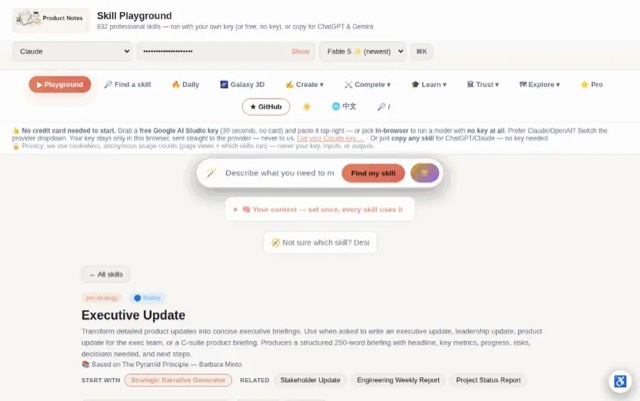
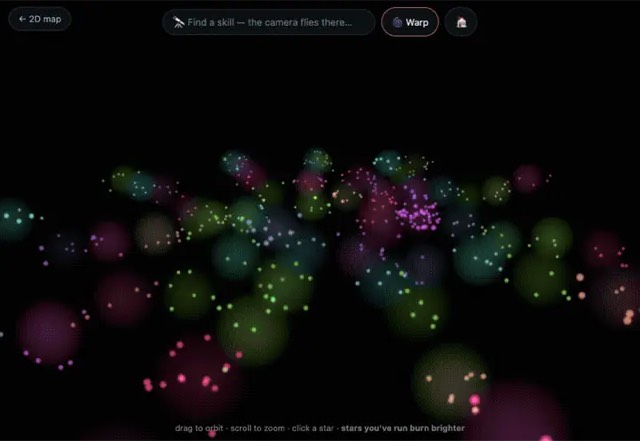
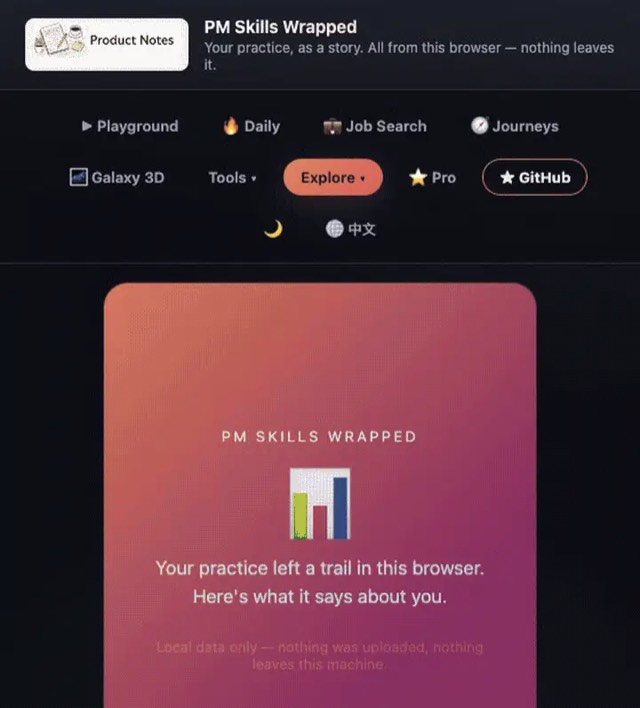
From the mohitagw15856/pm-claude-skills README — shows the whole collection, not only this skill. · view on GitHub
How to use it
Claude Code
- Run the line below. It pulls the whole folder into
~/.claude/skills/resume. - Describe your job in plain words. Claude Code follows the skill from there.
npx degit mohitagw15856/pm-claude-skills/skills/resume#main ~/.claude/skills/resumeFor one project only, change the path to .claude/skills/resume.
Claude (web or desktop app)
- On this page open ⋯ → Download .md.
- Save it as SKILL.md in a folder, zip the folder, then Customize → Skills → + → Create skill → Upload a skill.
- Pick the file and Save. Claude shows the name and description and runs a security scan.
- Check the skill is switched on.
- Start a new chat and describe your job in plain words. The AI follows the skill from there.
ChatGPT or another app
- ChatGPT: make a Project and paste it into Instructions.
- Neither? Paste it at the top of a new chat — it works for that chat.
Not working?
- Check which app you pasted it into — the steps above name the right one.
- Some skills need the paid tier of Claude or ChatGPT.
Paste into Claude, ChatGPT or Cursor.
Source of Resume Skill
Show the full text77 lines
| name | description |
|---|---|
| resume | Write a sharp, achievement-led resume/CV that passes ATS and earns the interview. Use when asked to write or rewrite a resume or CV, turn experience into a resume, or tailor a resume to a job. Produces a clean, single-column, ATS-friendly resume — summary, experience as quantified accomplishment bullets, skills, and education — ready to export as a designed PDF. |
Resume Skill
A resume gets ~7 seconds and an ATS scan before a human reads it. So it has to be scannable, achievement-led, and keyword-aligned — not a job-description recap. This skill turns your experience into quantified accomplishment bullets, structured single-column (ATS-safe), and tailored to the target role. Export it with the Paper or Modern PDF theme for a typeset result.
Working from a brief
You will often get rough notes, a partial history, or just a target role. Always deliver a complete,
ready-to-use resume anyway — do not stop to ask questions and do not leave bracketed placeholders like
[Company] or [add metric]. Where a detail is missing, infer a specific, realistic one from the rest of
the brief and the target role, and mark anything you inferred (assumed — confirm) so the user knows to
verify it. A concrete, labelled assumption always beats a blank or a clarifying question.
Quantify every achievement. Lead with the user's real numbers — when they gave a figure, use it exactly. Only when a metric is genuinely absent, turn the duty into an outcome-focused achievement (the result, e.g. "shipped the mobile app v1, growing it to its first cohort of users"); add a number only if it's a defensible, conservative estimate, marked (assumed — confirm). Never silently fabricate or inflate numbers on a real person's resume — an unmarked invented metric is the one thing worse than a missing one.
Output only the finished resume (and its short tailoring note) — no preamble, no "here's your resume", no meta-commentary about what you did.
Inputs (infer any not provided — label assumptions)
- Target role / job description — so the resume is tailored and keyword-aligned (generic resumes lose).
- Your experience — roles, dates, and what you did/achieved (rough notes fine; the skill quantifies them).
- Skills, tools, education, certifications.
- Seniority & format preference — reverse-chronological (default) vs. functional; one page (most) vs. two.
Output Format
A single-column, ATS-friendly resume in this order:
[Full Name]
[Target title] · [city / remote] · [email] · [phone] · [LinkedIn/portfolio]
Summary — 2–3 lines: who you are, your strongest proof, and what you're targeting. No "results-driven professional" filler.
Experience — reverse-chronological. Per role: [Title], [Company] · [dates]
- [Accomplishment bullet: action verb → what you did → quantified impact]. e.g. "Cut onboarding drop-off 18%→9%, unlocking ~$140k ARR."
- 3–5 bullets per recent role, fewer for older ones. Achievements, not duties.
Skills — grouped, keyword-rich, mirroring the job's language (ATS matches on these).
Education — degree, institution, year; certifications.
Tailoring note (separate, for the user): which of the job's keywords you wove in, and any gap to address in the cover letter.
Quality Checks
- Every experience bullet is an achievement with a metric, not a duty ("responsible for…")
- Bullets start with strong action verbs; no first-person pronouns
- Single-column, standard headings, no tables/text-boxes/graphics that break ATS parsing
- Keywords from the target job description appear naturally (skills + bullets)
- Length fits seniority (1 page < ~10 yrs; 2 max); newest/most-relevant first
- Contact line is complete and the summary names the target role
Anti-Patterns
- Do not list job duties — "managed a team" is a responsibility; "grew the team 4→11 and cut attrition 30%" is an achievement
- Do not use multi-column layouts, tables, headers/footers, or icons — they scramble in ATS parsers
- Do not write a generic resume — tailor the summary, skills, and emphasis to the target role
- Do not pad with soft-skill filler ("hard-working team player") — show it through results
- Do not invent or inflate metrics — use real numbers, or a defensible estimate clearly framed
Based On
Achievement-led, ATS-aware resume practice (reverse-chronological, quantified-impact bullets, keyword alignment).
| 1 | |
| 2 | name resume |
| 3 | description "Write a sharp, achievement-led resume/CV that passes ATS and earns the interview. Use when asked to write or rewrite a resume or CV, turn experience into a resume, or tailor a resume to a job. Produces a clean, single-column, ATS-friendly resume — summary, experience as quantified accomplishment bullets, skills, and education — ready to export as a designed PDF." |
| 4 | |
| 5 | |
| 6 | # Resume Skill |
| 7 | |
| 8 | A resume gets ~7 seconds and an ATS scan before a human reads it. So it has to be *scannable*, |
| 9 | *achievement-led*, and *keyword-aligned* — not a job-description recap. This skill turns your experience |
| 10 | into quantified accomplishment bullets, structured single-column (ATS-safe), and tailored to the target |
| 11 | role. Export it with the **Paper** or **Modern** PDF theme for a typeset result. |
| 12 | |
| 13 | ## Working from a brief |
| 14 | |
| 15 | You will often get rough notes, a partial history, or just a target role. **Always deliver a complete, |
| 16 | ready-to-use resume anyway** — do not stop to ask questions and do not leave bracketed placeholders like |
| 17 | `[Company]` or `[add metric]`. Where a detail is missing, infer a specific, realistic one from the rest of |
| 18 | the brief and the target role, and mark anything you inferred *(assumed — confirm)* so the user knows to |
| 19 | verify it. A concrete, labelled assumption always beats a blank or a clarifying question. |
| 20 | |
| 21 | Quantify every achievement. **Lead with the user's real numbers** — when they gave a figure, use it exactly. |
| 22 | Only when a metric is genuinely absent, turn the duty into an outcome-focused achievement (the *result*, e.g. |
| 23 | "shipped the mobile app v1, growing it to its first cohort of users"); add a number only if it's a |
| 24 | **defensible, conservative estimate**, marked *(assumed — confirm)*. Never silently fabricate or inflate |
| 25 | numbers on a real person's resume — an unmarked invented metric is the one thing worse than a missing one. |
| 26 | |
| 27 | Output **only the finished resume** (and its short tailoring note) — no preamble, no "here's your resume", no |
| 28 | meta-commentary about what you did. |
| 29 | |
| 30 | ## Inputs (infer any not provided — label assumptions) |
| 31 | |
| 32 | **Target role / job description** — so the resume is tailored and keyword-aligned (generic resumes lose). |
| 33 | **Your experience** — roles, dates, and what you did/achieved (rough notes fine; the skill quantifies them). |
| 34 | **Skills, tools, education, certifications.** |
| 35 | **Seniority & format preference** — reverse-chronological (default) vs. functional; one page (most) vs. two. |
| 36 | |
| 37 | ## Output Format |
| 38 | |
| 39 | A single-column, ATS-friendly resume in this order: |
| 40 | |
| 41 | ### [Full Name] |
| 42 | [Target title] · [city / remote] · [email] · [phone] · [LinkedIn/portfolio] |
| 43 | |
| 44 | **Summary** — 2–3 lines: who you are, your strongest proof, and what you're targeting. No "results-driven professional" filler. |
| 45 | |
| 46 | **Experience** — reverse-chronological. Per role: |
| 47 | **[Title]**, [Company] · [dates] |
| 48 | [Accomplishment bullet: **action verb → what you did → quantified impact**]. e.g. "Cut onboarding drop-off 18%→9%, unlocking ~$140k ARR." |
| 49 | 3–5 bullets per recent role, fewer for older ones. Achievements, not duties. |
| 50 | |
| 51 | **Skills** — grouped, keyword-rich, mirroring the job's language (ATS matches on these). |
| 52 | |
| 53 | **Education** — degree, institution, year; certifications. |
| 54 | |
| 55 | **Tailoring note** (separate, for the user): which of the job's keywords you wove in, and any gap to address in the cover letter. |
| 56 | |
| 57 | ## Quality Checks |
| 58 | |
| 59 | [ ] Every experience bullet is an **achievement with a metric**, not a duty ("responsible for…") |
| 60 | [ ] Bullets start with strong action verbs; no first-person pronouns |
| 61 | [ ] Single-column, standard headings, no tables/text-boxes/graphics that break ATS parsing |
| 62 | [ ] Keywords from the target job description appear naturally (skills + bullets) |
| 63 | [ ] Length fits seniority (1 page < ~10 yrs; 2 max); newest/most-relevant first |
| 64 | [ ] Contact line is complete and the summary names the target role |
| 65 | |
| 66 | ## Anti-Patterns |
| 67 | |
| 68 | [ ] Do not list job duties — "managed a team" is a responsibility; "grew the team 4→11 and cut attrition 30%" is an achievement |
| 69 | [ ] Do not use multi-column layouts, tables, headers/footers, or icons — they scramble in ATS parsers |
| 70 | [ ] Do not write a generic resume — tailor the summary, skills, and emphasis to the target role |
| 71 | [ ] Do not pad with soft-skill filler ("hard-working team player") — show it through results |
| 72 | [ ] Do not invent or inflate metrics — use real numbers, or a defensible estimate clearly framed |
| 73 | |
| 74 | ## Based On |
| 75 | |
| 76 | Achievement-led, ATS-aware resume practice (reverse-chronological, quantified-impact bullets, keyword alignment). |
| 77 |
Discussion
Browse more free Claude skills or everything in People & hiring.