Performance Review Skill
Write structured, balanced performance reviews from bullet-point inputs.
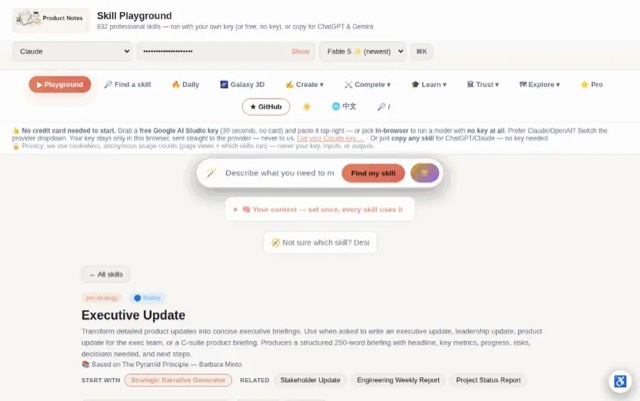
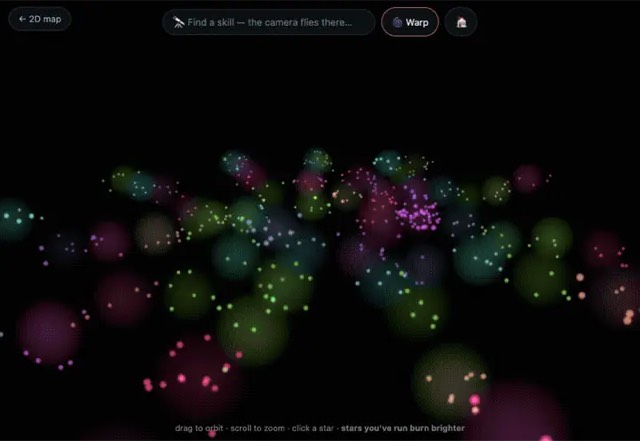
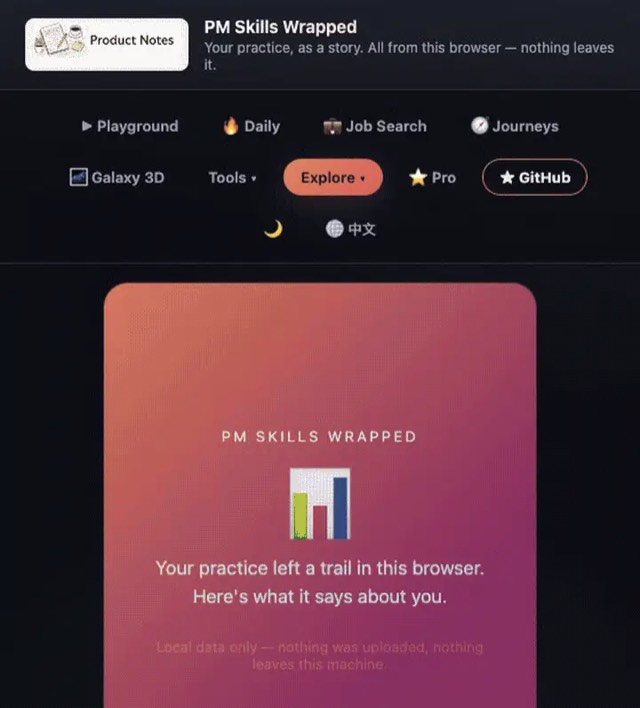
From the mohitagw15856/pm-claude-skills README — shows the whole collection, not only this skill. · view on GitHub
How to use it
Claude Code
- Run the line below. It pulls the whole folder into
~/.claude/skills/performance-review. - Describe your job in plain words. Claude Code follows the skill from there.
npx degit mohitagw15856/pm-claude-skills/skills/performance-review#main ~/.claude/skills/performance-reviewFor one project only, change the path to .claude/skills/performance-review.
Claude (web or desktop app)
- On this page open ⋯ → Download .md.
- Save it as SKILL.md in a folder, zip the folder, then Customize → Skills → + → Create skill → Upload a skill.
- Pick the file and Save. Claude shows the name and description and runs a security scan.
- Check the skill is switched on.
- Start a new chat and describe your job in plain words. The AI follows the skill from there.
ChatGPT or another app
- ChatGPT: make a Project and paste it into Instructions.
- Neither? Paste it at the top of a new chat — it works for that chat.
Not working?
- Check which app you pasted it into — the steps above name the right one.
- Some skills need the paid tier of Claude or ChatGPT.
Paste into Claude, ChatGPT or Cursor.
Source of Performance Review Skill
Show the full text129 lines
| name | description |
|---|---|
| performance-review | Write structured, balanced performance reviews from bullet-point inputs. Use when asked to write a performance review, self-assessment, peer review, 360 feedback, or manager evaluation. Produces a complete, fair, professionally written review covering achievements, areas for growth, and development goals. |
Performance Review Skill
This skill turns rough notes, bullet points, or bullet-point memories into a complete, professionally written performance review. Output is ready to submit or use as a strong first draft.
Required Inputs
Ask the user for these if not provided:
- Review type (Self-assessment / Manager review / Peer/360 / Upward feedback)
- Review period (e.g. H1 2025, Q2 2025, Annual)
- Name of person being reviewed (or "myself" for self-assessment)
- Role / level
- Key achievements or notable work (rough notes are fine)
- Areas where they struggled or could improve (be honest — reviews without growth areas aren't credible)
- Key projects or deliverables from the period
- Company values or competencies to assess against (optional — if provided, structure the review around them)
- Overall rating/recommendation (if the form requires one)
Output Structure
Performance Review: [Name]
Role: [Title / Level] Review period: [Period] Review type: [Manager / Self / Peer / Upward] Reviewed by: [If known]
Overall Summary
[3–5 sentences. High-level characterisation of the period. Acknowledge standout contributions. Be specific — use project names and outcomes, not vague praise. For self-assessments, this should reflect honestly on the period without underselling or overselling.]
Achievements & Impact
[3–5 achievements, each structured as:]
[Achievement title — specific and concrete] [2–4 sentences. What was the context? What did [name] do specifically? What was the measurable or observable outcome? Avoid generic praise — every sentence should be something only this person could have done.]
Strengths Demonstrated
[3–4 bullet points. Each bullet = one strength, with one concrete example from the review period. No abstract traits without evidence.]
- [Strength]: [Example — specific project or behaviour that demonstrated this]
Areas for Growth
[2–3 areas. Be direct and constructive — not vague. Frame as "opportunity to develop" not "failure." Each should include:]
[Area name]
- Observed pattern: [What was noticed — be specific, not personal]
- Why it matters: [Impact on team, output, or career progression]
- Suggested development: [One concrete action — e.g. "Take on [X] responsibility next half" or "Shadow [role] on [process]"]
Development Goals for Next Period
[2–3 goals. Format each as:]
Goal [N]: [Clear, outcome-oriented goal]
- Why: [Connection to growth areas or career aspirations]
- How to measure: [What "done" looks like]
- Support needed: [Resources, training, or manager input required]
Competency Ratings (if framework provided)
| Competency | Rating | Evidence |
|---|---|---|
| [Competency from company framework] | [Exceeds / Meets / Developing / Below] | [One-sentence example] |
Closing Recommendation
[2–3 sentences. For manager reviews: overall assessment and any promotion/compensation recommendation. For self-assessments: what you're asking for or committing to. For peer reviews: one sentence on what it's like to work with this person.]
Writing Rules
- Never use vague phrases: "strong communicator," "team player," "hardworking" — always back with evidence
- Growth areas must be honest — reviewers who only write positives lose credibility and help no one
- Use third person for manager/peer reviews, first person for self-assessments
- Avoid jargon — "drove alignment" and "leveraged synergies" are meaningless. Use plain language.
- If the user gives sparse notes, ask for one concrete example per achievement before writing
Deeper Materials
references/evidence-not-adjectives.md— the adjective→evidence substitution table and the calibration rules that keep files honest
Quality Checks
- Every achievement includes a specific outcome (not just activity)
- Strengths have concrete examples from the review period
- Growth areas are honest and constructive (not softened to meaninglessness)
- Development goals are measurable
- No vague phrases without evidence
- Tone is professional and fair throughout
Anti-Patterns
- Do not inflate positive language to avoid difficult feedback — growth areas must be clearly stated, not buried
- Do not include feedback that isn't supported by specific examples — every development point needs evidence
- Do not write a review that only covers what happened in the last month — the full review period must be considered
- Do not omit development goals — a review without forward-looking guidance is incomplete
- Do not use language that could be read as discriminatory — avoid references to personality traits unrelated to work performance
Example Trigger Phrases
- "Write a performance review for [name] based on these notes: [paste notes]"
- "Help me write my self-assessment for [period]"
- "Draft a peer review for my colleague who did [description]"
- "Turn these bullet points into a full performance review: [paste bullets]"
| 1 | |
| 2 | name performance-review |
| 3 | description "Write structured, balanced performance reviews from bullet-point inputs. Use when asked to write a performance review, self-assessment, peer review, 360 feedback, or manager evaluation. Produces a complete, fair, professionally written review covering achievements, areas for growth, and development goals." |
| 4 | |
| 5 | |
| 6 | # Performance Review Skill |
| 7 | |
| 8 | This skill turns rough notes, bullet points, or bullet-point memories into a complete, professionally written performance review. Output is ready to submit or use as a strong first draft. |
| 9 | |
| 10 | ## Required Inputs |
| 11 | |
| 12 | Ask the user for these if not provided: |
| 13 | **Review type** (Self-assessment / Manager review / Peer/360 / Upward feedback) |
| 14 | **Review period** (e.g. H1 2025, Q2 2025, Annual) |
| 15 | **Name of person being reviewed** (or "myself" for self-assessment) |
| 16 | **Role / level** |
| 17 | **Key achievements or notable work** (rough notes are fine) |
| 18 | **Areas where they struggled or could improve** (be honest — reviews without growth areas aren't credible) |
| 19 | **Key projects or deliverables from the period** |
| 20 | **Company values or competencies to assess against** (optional — if provided, structure the review around them) |
| 21 | **Overall rating/recommendation** (if the form requires one) |
| 22 | |
| 23 | ## Output Structure |
| 24 | |
| 25 | |
| 26 | |
| 27 | # Performance Review: [Name] |
| 28 | **Role:** [Title / Level] |
| 29 | **Review period:** [Period] |
| 30 | **Review type:** [Manager / Self / Peer / Upward] |
| 31 | **Reviewed by:** [If known] |
| 32 | |
| 33 | |
| 34 | |
| 35 | ## Overall Summary |
| 36 | |
| 37 | [3–5 sentences. High-level characterisation of the period. Acknowledge standout contributions. Be specific — use project names and outcomes, not vague praise. For self-assessments, this should reflect honestly on the period without underselling or overselling.] |
| 38 | |
| 39 | |
| 40 | |
| 41 | ## Achievements & Impact |
| 42 | |
| 43 | [3–5 achievements, each structured as:] |
| 44 | |
| 45 | **[Achievement title — specific and concrete]** |
| 46 | [2–4 sentences. What was the context? What did [name] do specifically? What was the measurable or observable outcome? Avoid generic praise — every sentence should be something only this person could have done.] |
| 47 | |
| 48 | |
| 49 | |
| 50 | ## Strengths Demonstrated |
| 51 | |
| 52 | [3–4 bullet points. Each bullet = one strength, with one concrete example from the review period. No abstract traits without evidence.] |
| 53 | |
| 54 | **[Strength]:** [Example — specific project or behaviour that demonstrated this] |
| 55 | |
| 56 | |
| 57 | |
| 58 | ## Areas for Growth |
| 59 | |
| 60 | [2–3 areas. Be direct and constructive — not vague. Frame as "opportunity to develop" not "failure." Each should include:] |
| 61 | |
| 62 | **[Area name]** |
| 63 | **Observed pattern:** [What was noticed — be specific, not personal] |
| 64 | **Why it matters:** [Impact on team, output, or career progression] |
| 65 | **Suggested development:** [One concrete action — e.g. "Take on [X] responsibility next half" or "Shadow [role] on [process]"] |
| 66 | |
| 67 | |
| 68 | |
| 69 | ## Development Goals for Next Period |
| 70 | |
| 71 | [2–3 goals. Format each as:] |
| 72 | |
| 73 | **Goal [N]:** [Clear, outcome-oriented goal] |
| 74 | **Why:** [Connection to growth areas or career aspirations] |
| 75 | **How to measure:** [What "done" looks like] |
| 76 | **Support needed:** [Resources, training, or manager input required] |
| 77 | |
| 78 | |
| 79 | |
| 80 | ## Competency Ratings (if framework provided) |
| 81 | |
| 82 | | Competency | Rating | Evidence | |
| 83 | |---|---|---| |
| 84 | | [Competency from company framework] | [Exceeds / Meets / Developing / Below] | [One-sentence example] | |
| 85 | |
| 86 | |
| 87 | |
| 88 | ## Closing Recommendation |
| 89 | |
| 90 | [2–3 sentences. For manager reviews: overall assessment and any promotion/compensation recommendation. For self-assessments: what you're asking for or committing to. For peer reviews: one sentence on what it's like to work with this person.] |
| 91 | |
| 92 | |
| 93 | |
| 94 | ## Writing Rules |
| 95 | |
| 96 | Never use vague phrases: "strong communicator," "team player," "hardworking" — always back with evidence |
| 97 | Growth areas must be honest — reviewers who only write positives lose credibility and help no one |
| 98 | Use third person for manager/peer reviews, first person for self-assessments |
| 99 | Avoid jargon — "drove alignment" and "leveraged synergies" are meaningless. Use plain language. |
| 100 | If the user gives sparse notes, ask for one concrete example per achievement before writing |
| 101 | |
| 102 | ## Deeper Materials |
| 103 | |
| 104 | [`references/evidence-not-adjectives.md`] — the adjective→evidence substitution table and the calibration rules that keep files honest |
| 105 | |
| 106 | ## Quality Checks |
| 107 | |
| 108 | [ ] Every achievement includes a specific outcome (not just activity) |
| 109 | [ ] Strengths have concrete examples from the review period |
| 110 | [ ] Growth areas are honest and constructive (not softened to meaninglessness) |
| 111 | [ ] Development goals are measurable |
| 112 | [ ] No vague phrases without evidence |
| 113 | [ ] Tone is professional and fair throughout |
| 114 | |
| 115 | ## Anti-Patterns |
| 116 | |
| 117 | [ ] Do not inflate positive language to avoid difficult feedback — growth areas must be clearly stated, not buried |
| 118 | [ ] Do not include feedback that isn't supported by specific examples — every development point needs evidence |
| 119 | [ ] Do not write a review that only covers what happened in the last month — the full review period must be considered |
| 120 | [ ] Do not omit development goals — a review without forward-looking guidance is incomplete |
| 121 | [ ] Do not use language that could be read as discriminatory — avoid references to personality traits unrelated to work performance |
| 122 | |
| 123 | ## Example Trigger Phrases |
| 124 | |
| 125 | "Write a performance review for [name] based on these notes: [paste notes]" |
| 126 | "Help me write my self-assessment for [period]" |
| 127 | "Draft a peer review for my colleague who did [description]" |
| 128 | "Turn these bullet points into a full performance review: [paste bullets]" |
| 129 |
Discussion
Browse more free Claude skills or everything in Development.