Launch Readiness Skill
Assesses pre-launch readiness across every function and produces an explicit Go / Conditional Go / No-Go recommendation.
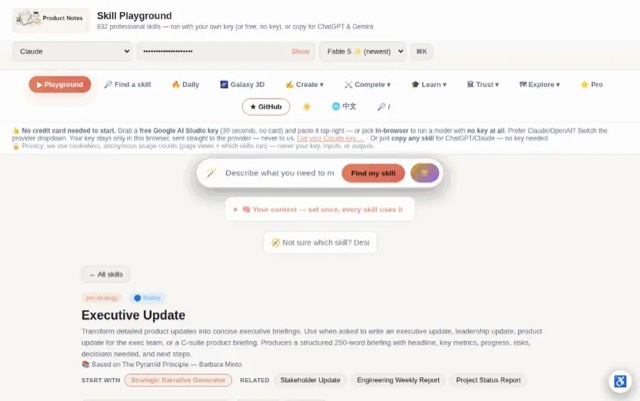
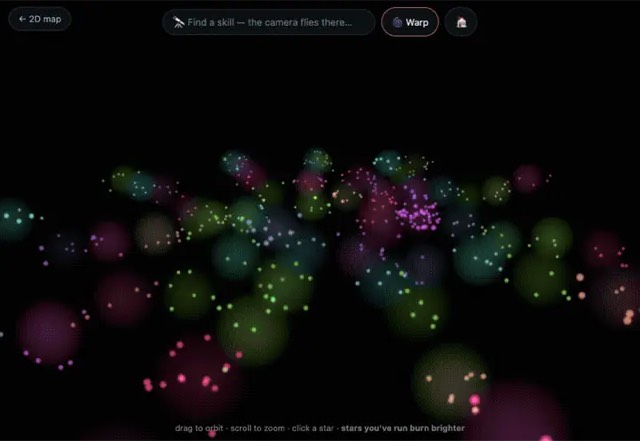
From the mohitagw15856/pm-claude-skills README — shows the whole collection, not only this skill. · view on GitHub
How to use it
Claude Code
- Run the line below. It pulls the whole folder into
~/.claude/skills/launch-readiness. - Describe your job in plain words. Claude Code follows the skill from there.
npx degit mohitagw15856/pm-claude-skills/skills/launch-readiness#main ~/.claude/skills/launch-readinessFor one project only, change the path to .claude/skills/launch-readiness.
Claude (web or desktop app)
- On this page open ⋯ → Download .md.
- Save it as SKILL.md in a folder, zip the folder, then Customize → Skills → + → Create skill → Upload a skill.
- Pick the file and Save. Claude shows the name and description and runs a security scan.
- Check the skill is switched on.
- Start a new chat and describe your job in plain words. The AI follows the skill from there.
ChatGPT or another app
- ChatGPT: make a Project and paste it into Instructions.
- Neither? Paste it at the top of a new chat — it works for that chat.
Not working?
- Check which app you pasted it into — the steps above name the right one.
- Some skills need the paid tier of Claude or ChatGPT.
Paste into Claude, ChatGPT or Cursor.
Source of Launch Readiness Skill
Show the full text91 lines
| name | description |
|---|---|
| launch-readiness | Assesses pre-launch readiness across every function and produces an explicit Go / Conditional Go / No-Go recommendation. Use when preparing for any product or feature launch, running a pre-launch review, or determining whether a release is safe to ship. Produces a function-by-function readiness status, a ranked blockers list with owners and deadlines, a risk register, and a clearly reasoned launch recommendation. |
Launch Readiness Skill
Ensure nothing falls through the cracks before launch by systematically checking readiness across every function — and producing a clear, evidenced go/no-go recommendation.
Required Inputs
Ask the user for these if not provided:
- Launch name and target date
- Launch tier (Tier 1 = major launch / Tier 2 = significant feature / Tier 3 = incremental update)
- Completed checklist items or self-assessment (even partial is fine — we'll surface gaps)
- Team and role names (to assign owners to blockers)
Readiness Checklist by Function
Product & Engineering
- Feature complete against launch spec
- Performance benchmarks met
- Accessibility standards checked
- Edge cases documented and handled
- Rollback plan defined and tested
Marketing & Comms
- Launch messaging approved
- Blog post / press release drafted
- Social content prepared
- Email campaigns scheduled
- Landing page live and tested
Support & Success
- Support team trained on new feature
- FAQ and help docs published
- Escalation path defined for launch issues
- Customer success briefed (if enterprise)
Sales & Partnerships
- Sales enablement materials ready
- Pricing confirmed and communicated
- Partner comms sent (if applicable)
Data & Analytics
- Tracking events implemented and verified
- Launch metrics dashboard live
- Baseline metrics captured pre-launch
Process
- Review provided launch brief and checklist responses
- Flag any incomplete items as blockers (must fix) or risks (monitor)
- Assess overall readiness and produce go/no-go recommendation with rationale
- If no-go, specify exactly what must be completed and by when
- Validate — Confirm every blocker has a named owner and resolution deadline, and that the rollback plan is tested (not just documented)
Output Structure
Launch Readiness Assessment: [Feature/Product Name]
Launch Date: [date] Launch Tier: [1 / 2 / 3] Overall Status: ✅ Go / ⚠️ Conditional Go / 🛑 No-Go
Blockers (must resolve before launch):
- [item + owner + resolution required by]
Risks (monitor closely):
- [item + mitigation plan]
Ready Areas:
- [function]: ✅ Ready
Recommendation: [Clear go/no-go with rationale — 3-5 sentences]
Quality Checks
- Every blocker has a specific owner (not "the team") and a deadline
- Rollback plan is explicitly tested, not just written
- Analytics events are verified in staging, not just implemented
- Go/No-Go decision has a named decision-maker and a cut-off time
- At least one post-launch monitoring check is scheduled (e.g., T+2hr, T+24hr)
Anti-Patterns
- Do not mark a function as "Ready" without evidence — green status must be backed by a completed checklist item, not an assumption
- Do not issue a Conditional Go without specifying exactly what conditions must be met and by when — vague conditions are not conditions
- Do not treat the rollback plan as complete unless it has been tested in staging, not just documented
- Do not assign blockers to "the team" — every blocker must have a single named owner or it will not be resolved before launch
- Do not skip the analytics verification step — unverified tracking events mean the launch will be invisible and cannot be evaluated
| 1 | |
| 2 | name launch-readiness |
| 3 | description "Assesses pre-launch readiness across every function and produces an explicit Go / Conditional Go / No-Go recommendation. Use when preparing for any product or feature launch, running a pre-launch review, or determining whether a release is safe to ship. Produces a function-by-function readiness status, a ranked blockers list with owners and deadlines, a risk register, and a clearly reasoned launch recommendation." |
| 4 | |
| 5 | |
| 6 | # Launch Readiness Skill |
| 7 | |
| 8 | Ensure nothing falls through the cracks before launch by systematically checking readiness across every function — and producing a clear, evidenced go/no-go recommendation. |
| 9 | |
| 10 | ## Required Inputs |
| 11 | |
| 12 | Ask the user for these if not provided: |
| 13 | **Launch name and target date** |
| 14 | **Launch tier** (Tier 1 = major launch / Tier 2 = significant feature / Tier 3 = incremental update) |
| 15 | **Completed checklist items or self-assessment** (even partial is fine — we'll surface gaps) |
| 16 | **Team and role names** (to assign owners to blockers) |
| 17 | |
| 18 | ## Readiness Checklist by Function |
| 19 | |
| 20 | ### Product & Engineering |
| 21 | [ ] Feature complete against launch spec |
| 22 | [ ] Performance benchmarks met |
| 23 | [ ] Accessibility standards checked |
| 24 | [ ] Edge cases documented and handled |
| 25 | [ ] Rollback plan defined and tested |
| 26 | |
| 27 | ### Marketing & Comms |
| 28 | [ ] Launch messaging approved |
| 29 | [ ] Blog post / press release drafted |
| 30 | [ ] Social content prepared |
| 31 | [ ] Email campaigns scheduled |
| 32 | [ ] Landing page live and tested |
| 33 | |
| 34 | ### Support & Success |
| 35 | [ ] Support team trained on new feature |
| 36 | [ ] FAQ and help docs published |
| 37 | [ ] Escalation path defined for launch issues |
| 38 | [ ] Customer success briefed (if enterprise) |
| 39 | |
| 40 | ### Sales & Partnerships |
| 41 | [ ] Sales enablement materials ready |
| 42 | [ ] Pricing confirmed and communicated |
| 43 | [ ] Partner comms sent (if applicable) |
| 44 | |
| 45 | ### Data & Analytics |
| 46 | [ ] Tracking events implemented and verified |
| 47 | [ ] Launch metrics dashboard live |
| 48 | [ ] Baseline metrics captured pre-launch |
| 49 | |
| 50 | ## Process |
| 51 | Review provided launch brief and checklist responses |
| 52 | Flag any incomplete items as blockers (must fix) or risks (monitor) |
| 53 | Assess overall readiness and produce go/no-go recommendation with rationale |
| 54 | If no-go, specify exactly what must be completed and by when |
| 55 | **Validate** — Confirm every blocker has a named owner and resolution deadline, and that the rollback plan is tested (not just documented) |
| 56 | |
| 57 | ## Output Structure |
| 58 | |
| 59 | ### Launch Readiness Assessment: [Feature/Product Name] |
| 60 | **Launch Date:** [date] |
| 61 | **Launch Tier:** [1 / 2 / 3] |
| 62 | **Overall Status:** ✅ Go / ⚠️ Conditional Go / 🛑 No-Go |
| 63 | |
| 64 | **Blockers (must resolve before launch):** |
| 65 | [item + owner + resolution required by] |
| 66 | |
| 67 | **Risks (monitor closely):** |
| 68 | [item + mitigation plan] |
| 69 | |
| 70 | **Ready Areas:** |
| 71 | [function]: ✅ Ready |
| 72 | |
| 73 | **Recommendation:** |
| 74 | [Clear go/no-go with rationale — 3-5 sentences] |
| 75 | |
| 76 | ## Quality Checks |
| 77 | |
| 78 | [ ] Every blocker has a specific owner (not "the team") and a deadline |
| 79 | [ ] Rollback plan is explicitly tested, not just written |
| 80 | [ ] Analytics events are verified in staging, not just implemented |
| 81 | [ ] Go/No-Go decision has a named decision-maker and a cut-off time |
| 82 | [ ] At least one post-launch monitoring check is scheduled (e.g., T+2hr, T+24hr) |
| 83 | |
| 84 | ## Anti-Patterns |
| 85 | |
| 86 | [ ] Do not mark a function as "Ready" without evidence — green status must be backed by a completed checklist item, not an assumption |
| 87 | [ ] Do not issue a Conditional Go without specifying exactly what conditions must be met and by when — vague conditions are not conditions |
| 88 | [ ] Do not treat the rollback plan as complete unless it has been tested in staging, not just documented |
| 89 | [ ] Do not assign blockers to "the team" — every blocker must have a single named owner or it will not be resolved before launch |
| 90 | [ ] Do not skip the analytics verification step — unverified tracking events mean the launch will be invisible and cannot be evaluated |
| 91 |
Discussion
Browse more free Claude skills or everything in Product.