Figma Design Critique — PM Perspective Skill
Runs a PM-perspective design critique focused on product outcomes and user goals, not aesthetics.
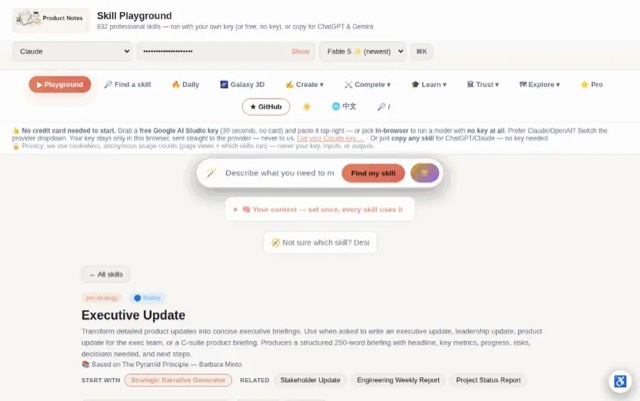
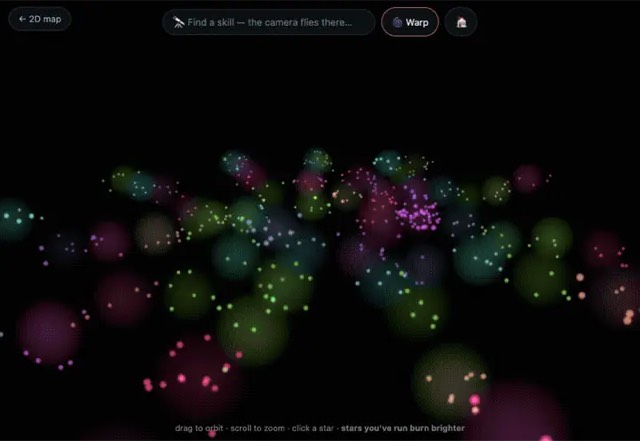
From the mohitagw15856/pm-claude-skills README — shows the whole collection, not only this skill. · view on GitHub
How to use it
Claude Code
- Run the line below. It pulls the whole folder into
~/.claude/skills/figma-design-critique-pm. - Describe your job in plain words. Claude Code follows the skill from there.
npx degit mohitagw15856/pm-claude-skills/skills/figma-design-critique-pm#main ~/.claude/skills/figma-design-critique-pmFor one project only, change the path to .claude/skills/figma-design-critique-pm.
Claude (web or desktop app)
- On this page open ⋯ → Download .md.
- Save it as SKILL.md in a folder, zip the folder, then Customize → Skills → + → Create skill → Upload a skill.
- Pick the file and Save. Claude shows the name and description and runs a security scan.
- Check the skill is switched on.
- Start a new chat and describe your job in plain words. The AI follows the skill from there.
ChatGPT or another app
- ChatGPT: make a Project and paste it into Instructions.
- Neither? Paste it at the top of a new chat — it works for that chat.
Not working?
- Check which app you pasted it into — the steps above name the right one.
- Some skills need the paid tier of Claude or ChatGPT.
Paste into Claude, ChatGPT or Cursor.
Source of Figma Design Critique — PM Perspective Skill
Show the full text84 lines
| name | description |
|---|---|
| figma-design-critique-pm | Runs a PM-perspective design critique focused on product outcomes and user goals, not aesthetics. Use when asked for a PM design critique, a product review of a Figma design, or feedback from a product perspective without needing to be a designer. Produces structured outcome-based feedback tied to user goals, business metrics, and requirement coverage. |
Figma Design Critique — PM Perspective Skill
This skill is specifically for product managers critiquing designs — focused on whether the design achieves the user goal and business outcome, not whether it looks good. Different from the general design-critique skill which covers UX aesthetics; this one centres product thinking.
Required Inputs
- Design description or screen summary
- User goal (what is the user trying to accomplish?)
- Business goal (what outcome does the product need?)
- Original requirements (what was this supposed to do?)
- Key metric (what would move if this design works?)
Output Structure
1. PM Critique Summary
User goal, business goal restated. Verdict: On track / Mostly on track / Needs rethinking
One-paragraph summary: what works from a product perspective, and the single most important thing to address.
2. Goal Alignment Check
| Goal | Design supports it? | Evidence |
|---|---|---|
| [User goal] | Yes/Partial/No | [Specific observation] |
| [Business goal] | Yes/Partial/No | [Observation] |
| [Key requirement] | Yes/Partial/No | [Observation] |
3. PM Feedback (Outcome-Focused)
Every concern must tie to an outcome. "I do not like this layout" is not PM feedback. "This layout puts the primary action below the fold, which will reduce mobile conversion" is PM feedback.
[Concern] — High/Medium/Low impact
- Observation: [Neutral description of what the design does]
- User impact: [What this means for the user goal]
- Business impact: [What this means for the metric]
- Evidence basis: [Research/data/analogous patterns/hypothesis — be honest]
- Question for designer: [What to explore — not a directive]
4. What the Design Does Well
2-4 specific things working well from a product perspective — with evidence. Not "colours are nice" but "primary CTA is the most prominent element, aligning with conversion goal." Always include this section.
5. Questions Before Next Iteration
| Question | Who answers | Why it matters |
|---|---|---|
| [Question] | Designer/PM/Eng | [Impact] |
6. PM Recommendation
Approve / Approve with changes (list) / Revise and re-review (one focus area only)
PM Critique Rules
- Never reference aesthetics as reason for feedback — only outcomes
- "I prefer" is not feedback — "users are likely to" is feedback
- Lead with what is working before what is not
- Ask questions before giving directives
- One primary recommendation — not a redesign in bullets
Quality Checks
- Every concern tied to user or business outcome
- What is working section is genuine and specific
- Questions section included (not just directives)
- PM recommendation is explicit
- Evidence basis stated honestly
Anti-Patterns
- Do not critique visual aesthetics — PM feedback must focus on product outcomes, user goals, and business requirements
- Do not provide feedback without stating the evidence basis — distinguish between observed design facts and assumed user behaviour
- Do not give vague feedback like "the flow feels confusing" — every concern must reference a specific screen state or interaction
- Do not ignore what is working — balanced critique includes explicit acknowledgment of design decisions that are well-executed
- Do not critique without knowing the design constraints — always ask about technical, time, or resource limitations before judging decisions
Example Trigger Phrases
- "Give me a PM critique of this design"
- "Review this design from a product perspective"
- "What product feedback do I have on this Figma design?"
- "Critique this design without being a designer"
- "Does this design achieve the user goal?"
| 1 | |
| 2 | name figma-design-critique-pm |
| 3 | description "Runs a PM-perspective design critique focused on product outcomes and user goals, not aesthetics. Use when asked for a PM design critique, a product review of a Figma design, or feedback from a product perspective without needing to be a designer. Produces structured outcome-based feedback tied to user goals, business metrics, and requirement coverage." |
| 4 | |
| 5 | |
| 6 | # Figma Design Critique — PM Perspective Skill |
| 7 | |
| 8 | This skill is specifically for product managers critiquing designs — focused on whether the design achieves the user goal and business outcome, not whether it looks good. Different from the general design-critique skill which covers UX aesthetics; this one centres product thinking. |
| 9 | |
| 10 | ## Required Inputs |
| 11 | |
| 12 | **Design description or screen summary** |
| 13 | **User goal** (what is the user trying to accomplish?) |
| 14 | **Business goal** (what outcome does the product need?) |
| 15 | **Original requirements** (what was this supposed to do?) |
| 16 | **Key metric** (what would move if this design works?) |
| 17 | |
| 18 | ## Output Structure |
| 19 | |
| 20 | ### 1. PM Critique Summary |
| 21 | User goal, business goal restated. |
| 22 | **Verdict:** On track / Mostly on track / Needs rethinking |
| 23 | |
| 24 | One-paragraph summary: what works from a product perspective, and the single most important thing to address. |
| 25 | |
| 26 | ### 2. Goal Alignment Check |
| 27 | |
| 28 | | Goal | Design supports it? | Evidence | |
| 29 | |---|---|---| |
| 30 | | [User goal] | Yes/Partial/No | [Specific observation] | |
| 31 | | [Business goal] | Yes/Partial/No | [Observation] | |
| 32 | | [Key requirement] | Yes/Partial/No | [Observation] | |
| 33 | |
| 34 | ### 3. PM Feedback (Outcome-Focused) |
| 35 | |
| 36 | Every concern must tie to an outcome. "I do not like this layout" is not PM feedback. "This layout puts the primary action below the fold, which will reduce mobile conversion" is PM feedback. |
| 37 | |
| 38 | **[Concern] — High/Medium/Low impact** |
| 39 | Observation: [Neutral description of what the design does] |
| 40 | User impact: [What this means for the user goal] |
| 41 | Business impact: [What this means for the metric] |
| 42 | Evidence basis: [Research/data/analogous patterns/hypothesis — be honest] |
| 43 | Question for designer: [What to explore — not a directive] |
| 44 | |
| 45 | ### 4. What the Design Does Well |
| 46 | 2-4 specific things working well from a product perspective — with evidence. Not "colours are nice" but "primary CTA is the most prominent element, aligning with conversion goal." Always include this section. |
| 47 | |
| 48 | ### 5. Questions Before Next Iteration |
| 49 | |
| 50 | | Question | Who answers | Why it matters | |
| 51 | |---|---|---| |
| 52 | | [Question] | Designer/PM/Eng | [Impact] | |
| 53 | |
| 54 | ### 6. PM Recommendation |
| 55 | Approve / Approve with changes (list) / Revise and re-review (one focus area only) |
| 56 | |
| 57 | ## PM Critique Rules |
| 58 | Never reference aesthetics as reason for feedback — only outcomes |
| 59 | "I prefer" is not feedback — "users are likely to" is feedback |
| 60 | Lead with what is working before what is not |
| 61 | Ask questions before giving directives |
| 62 | One primary recommendation — not a redesign in bullets |
| 63 | |
| 64 | ## Quality Checks |
| 65 | [ ] Every concern tied to user or business outcome |
| 66 | [ ] What is working section is genuine and specific |
| 67 | [ ] Questions section included (not just directives) |
| 68 | [ ] PM recommendation is explicit |
| 69 | [ ] Evidence basis stated honestly |
| 70 | |
| 71 | ## Anti-Patterns |
| 72 | |
| 73 | [ ] Do not critique visual aesthetics — PM feedback must focus on product outcomes, user goals, and business requirements |
| 74 | [ ] Do not provide feedback without stating the evidence basis — distinguish between observed design facts and assumed user behaviour |
| 75 | [ ] Do not give vague feedback like "the flow feels confusing" — every concern must reference a specific screen state or interaction |
| 76 | [ ] Do not ignore what is working — balanced critique includes explicit acknowledgment of design decisions that are well-executed |
| 77 | [ ] Do not critique without knowing the design constraints — always ask about technical, time, or resource limitations before judging decisions |
| 78 | |
| 79 | ## Example Trigger Phrases |
| 80 | "Give me a PM critique of this design" |
| 81 | "Review this design from a product perspective" |
| 82 | "What product feedback do I have on this Figma design?" |
| 83 | "Critique this design without being a designer" |
| 84 | "Does this design achieve the user goal?" |
Discussion
Browse more free Claude skills or everything in Design.