Discovery Call Prep Skill
Prepare a structured discovery call plan for any prospect.
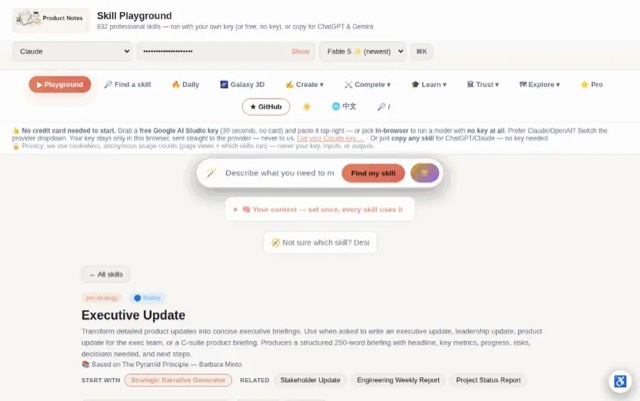
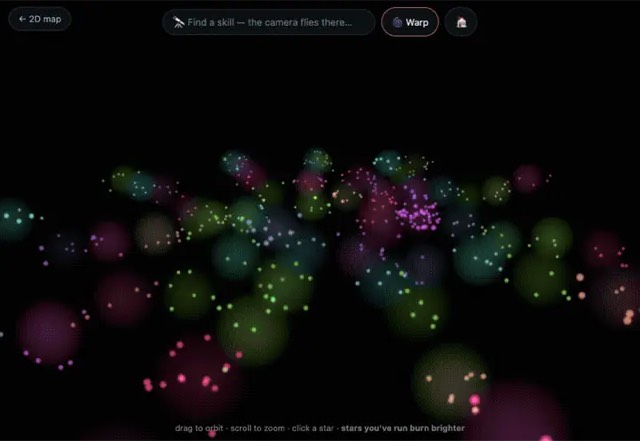
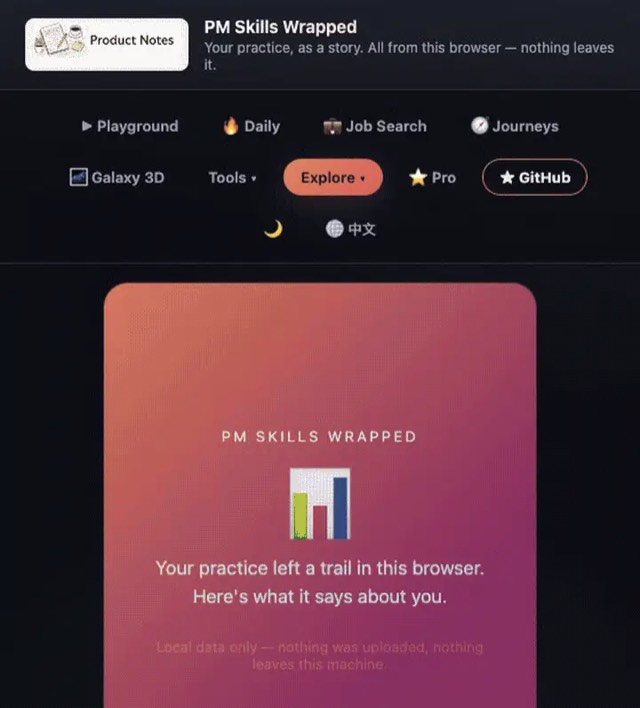
From the mohitagw15856/pm-claude-skills README — shows the whole collection, not only this skill. · view on GitHub
How to use it
Claude Code
- Run the line below. It pulls the whole folder into
~/.claude/skills/discovery-call-prep. - Describe your job in plain words. Claude Code follows the skill from there.
npx degit mohitagw15856/pm-claude-skills/skills/discovery-call-prep#main ~/.claude/skills/discovery-call-prepFor one project only, change the path to .claude/skills/discovery-call-prep.
Claude (web or desktop app)
- On this page open ⋯ → Download .md.
- Save it as SKILL.md in a folder, zip the folder, then Customize → Skills → + → Create skill → Upload a skill.
- Pick the file and Save. Claude shows the name and description and runs a security scan.
- Check the skill is switched on.
- Start a new chat and describe your job in plain words. The AI follows the skill from there.
ChatGPT or another app
- ChatGPT: make a Project and paste it into Instructions.
- Neither? Paste it at the top of a new chat — it works for that chat.
Not working?
- Check which app you pasted it into — the steps above name the right one.
- Some skills need the paid tier of Claude or ChatGPT.
Paste into Claude, ChatGPT or Cursor.
Source of Discovery Call Prep Skill
Show the full text114 lines
| name | description |
|---|---|
| discovery-call-prep | Prepare a structured discovery call plan for any prospect. Use when asked to prepare for a sales call, discovery call, prospect meeting, or first call with a potential customer. Produces a call brief with research, hypotheses, questions, and success criteria. |
Discovery Call Prep Skill
Produces a complete discovery call brief — research summary, call hypothesis, structured questions, and success criteria — so every call starts with context and ends with a clear next step.
Required Inputs
- Prospect company name
- Contact name and role
- Any known context (how they found you, prior interaction)
- Your product/solution (one line)
- Call duration (15 / 30 / 45 / 60 min)
Output Structure
Discovery Call Brief
Prospect: [Company] | Contact: [Name, Title] | Duration: [X min]
Research Summary
- What they do: [Product/service, customer, business model]
- Size: [Headcount, revenue if public]
- Stage: [Startup / Scaleup / Enterprise]
- Recent news: [Funding, launches, leadership changes — last 90 days]
- Contact background: [Role tenure, previous companies, LinkedIn activity]
- Likely priorities for someone in this role: [Based on title and stage]
Call Hypothesis
Before the call write your best guess:
- Their most likely pain: [What someone in this role at this company probably has]
- Why they would care about us: [Specific connection to your value]
- Biggest risk to the deal: [What might make this not a fit]
Write it down — then test it on the call.
Call Agenda
"Here is what I was thinking for our [X] minutes:
- 2 min: Quick intros
- min: Learn more about your situation
- min: Share how we have helped similar companies
- 5 min: Next steps Does that work? Anything specific you would like to cover?"
Discovery Questions
Open with context (not a pitch):
- "What prompted you to take this call today?"
- "What does [relevant area] look like for you at the moment?"
Go deeper on pain:
- "How long has [problem] been an issue?"
- "What have you tried to solve it?"
- "What is the impact of not solving this?"
Understand buying context:
- "Who else would be involved in a decision like this?"
- "Have you looked at other solutions?"
- "Is there a reason you are exploring this now?"
Qualify on budget:
- "Have you set aside budget for this kind of initiative?"
Close discovery:
- "Based on what you have told me, it sounds like [summary]. Is that right?"
Success Criteria
This call is successful if we leave with:
- Understanding of specific pain and business impact
- Knowledge of buying process and key stakeholders
- A clear agreed next step (demo / proposal / intro)
- Sense of timeline
This call is NOT successful if we only pitched and got "sounds interesting, send me some info."
Suggested Next Step
"Based on what we discussed, the logical next step would be [specific]. Does [day/time] work?"
Quality Checks
- Research summary includes recent news (last 90 days) — not just LinkedIn bio
- Call hypothesis is written before the call (not post-rationalised after)
- Discovery questions progress from context → pain → business impact → buying process
- Success criteria define what "not successful" looks like (not just the ideal outcome)
- A specific next step is proposed (not "let's stay in touch")
Anti-Patterns
- Do not write the call hypothesis after the call — hypotheses written post-hoc are rationalisations, not testable predictions
- Do not open with a product pitch before establishing the prospect's problem — leading with pitch signals you are not there to learn, which closes discovery conversations
- Do not use closed questions in the discovery phase ("Do you have this problem?") — they produce yes/no answers that confirm bias rather than reveal pain
- Do not skip the "not successful" definition in success criteria — a call that ends with "send me more info" feels like progress but is not a qualified next step
- Do not treat all prospect research equally — recent news (last 90 days) is more relevant to call context than static company facts from LinkedIn
Example Trigger Phrases
- "Prepare me for a discovery call with [company/contact]"
- "Build a call brief for my meeting with [name] at [company]"
- "What questions should I ask in a discovery call for [use case]?"
| 1 | |
| 2 | name discovery-call-prep |
| 3 | description "Prepare a structured discovery call plan for any prospect. Use when asked to prepare for a sales call, discovery call, prospect meeting, or first call with a potential customer. Produces a call brief with research, hypotheses, questions, and success criteria." |
| 4 | |
| 5 | |
| 6 | # Discovery Call Prep Skill |
| 7 | |
| 8 | Produces a complete discovery call brief — research summary, call hypothesis, structured questions, and success criteria — so every call starts with context and ends with a clear next step. |
| 9 | |
| 10 | ## Required Inputs |
| 11 | **Prospect company name** |
| 12 | **Contact name and role** |
| 13 | **Any known context** (how they found you, prior interaction) |
| 14 | **Your product/solution** (one line) |
| 15 | **Call duration** (15 / 30 / 45 / 60 min) |
| 16 | |
| 17 | ## Output Structure |
| 18 | |
| 19 | |
| 20 | |
| 21 | # Discovery Call Brief |
| 22 | **Prospect:** [Company] | **Contact:** [Name, Title] | **Duration:** [X min] |
| 23 | |
| 24 | |
| 25 | |
| 26 | ### Research Summary |
| 27 | What they do: [Product/service, customer, business model] |
| 28 | Size: [Headcount, revenue if public] |
| 29 | Stage: [Startup / Scaleup / Enterprise] |
| 30 | Recent news: [Funding, launches, leadership changes — last 90 days] |
| 31 | Contact background: [Role tenure, previous companies, LinkedIn activity] |
| 32 | Likely priorities for someone in this role: [Based on title and stage] |
| 33 | |
| 34 | |
| 35 | |
| 36 | ### Call Hypothesis |
| 37 | Before the call write your best guess: |
| 38 | **Their most likely pain:** [What someone in this role at this company probably has] |
| 39 | **Why they would care about us:** [Specific connection to your value] |
| 40 | **Biggest risk to the deal:** [What might make this not a fit] |
| 41 | |
| 42 | Write it down — then test it on the call. |
| 43 | |
| 44 | |
| 45 | |
| 46 | ### Call Agenda |
| 47 | "Here is what I was thinking for our [X] minutes: |
| 48 | 2 min: Quick intros |
| 49 | [X] min: Learn more about your situation |
| 50 | [X] min: Share how we have helped similar companies |
| 51 | 5 min: Next steps |
| 52 | Does that work? Anything specific you would like to cover?" |
| 53 | |
| 54 | |
| 55 | |
| 56 | ### Discovery Questions |
| 57 | |
| 58 | Open with context (not a pitch): |
| 59 | "What prompted you to take this call today?" |
| 60 | "What does [relevant area] look like for you at the moment?" |
| 61 | |
| 62 | Go deeper on pain: |
| 63 | "How long has [problem] been an issue?" |
| 64 | "What have you tried to solve it?" |
| 65 | "What is the impact of not solving this?" |
| 66 | |
| 67 | Understand buying context: |
| 68 | "Who else would be involved in a decision like this?" |
| 69 | "Have you looked at other solutions?" |
| 70 | "Is there a reason you are exploring this now?" |
| 71 | |
| 72 | Qualify on budget: |
| 73 | "Have you set aside budget for this kind of initiative?" |
| 74 | |
| 75 | Close discovery: |
| 76 | "Based on what you have told me, it sounds like [summary]. Is that right?" |
| 77 | |
| 78 | |
| 79 | |
| 80 | ### Success Criteria |
| 81 | This call is successful if we leave with: |
| 82 | Understanding of specific pain and business impact |
| 83 | Knowledge of buying process and key stakeholders |
| 84 | A clear agreed next step (demo / proposal / intro) |
| 85 | Sense of timeline |
| 86 | |
| 87 | This call is NOT successful if we only pitched and got "sounds interesting, send me some info." |
| 88 | |
| 89 | |
| 90 | |
| 91 | ### Suggested Next Step |
| 92 | "Based on what we discussed, the logical next step would be [specific]. Does [day/time] work?" |
| 93 | |
| 94 | ## Quality Checks |
| 95 | |
| 96 | [ ] Research summary includes recent news (last 90 days) — not just LinkedIn bio |
| 97 | [ ] Call hypothesis is written before the call (not post-rationalised after) |
| 98 | [ ] Discovery questions progress from context → pain → business impact → buying process |
| 99 | [ ] Success criteria define what "not successful" looks like (not just the ideal outcome) |
| 100 | [ ] A specific next step is proposed (not "let's stay in touch") |
| 101 | |
| 102 | ## Anti-Patterns |
| 103 | |
| 104 | [ ] Do not write the call hypothesis after the call — hypotheses written post-hoc are rationalisations, not testable predictions |
| 105 | [ ] Do not open with a product pitch before establishing the prospect's problem — leading with pitch signals you are not there to learn, which closes discovery conversations |
| 106 | [ ] Do not use closed questions in the discovery phase ("Do you have this problem?") — they produce yes/no answers that confirm bias rather than reveal pain |
| 107 | [ ] Do not skip the "not successful" definition in success criteria — a call that ends with "send me more info" feels like progress but is not a qualified next step |
| 108 | [ ] Do not treat all prospect research equally — recent news (last 90 days) is more relevant to call context than static company facts from LinkedIn |
| 109 | |
| 110 | ## Example Trigger Phrases |
| 111 | "Prepare me for a discovery call with [company/contact]" |
| 112 | "Build a call brief for my meeting with [name] at [company]" |
| 113 | "What questions should I ask in a discovery call for [use case]?" |
| 114 |
Discussion
Browse more free Claude skills or everything in Sales.