Budget Variance Analysis Skill
Produce a structured budget variance analysis from actual vs budget figures.
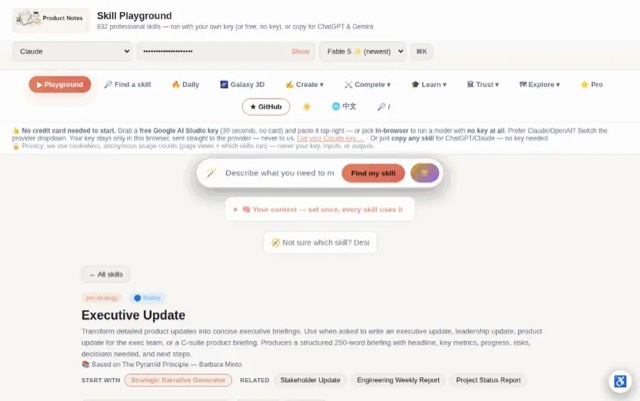


From the mohitagw15856/pm-claude-skills README — shows the whole collection, not only this skill. · view on GitHub
How to use it
Claude Code
- Run the line below. It pulls the whole folder into
~/.claude/skills/budget-variance-analysis. - Describe your job in plain words. Claude Code follows the skill from there.
npx degit mohitagw15856/pm-claude-skills/skills/budget-variance-analysis#main ~/.claude/skills/budget-variance-analysisFor one project only, change the path to .claude/skills/budget-variance-analysis.
Claude (web or desktop app)
- On this page open ⋯ → Download .md.
- Save it as SKILL.md in a folder, zip the folder, then Customize → Skills → + → Create skill → Upload a skill.
- Pick the file and Save. Claude shows the name and description and runs a security scan.
- Check the skill is switched on.
- Start a new chat and describe your job in plain words. The AI follows the skill from there.
ChatGPT or another app
- ChatGPT: make a Project and paste it into Instructions.
- Neither? Paste it at the top of a new chat — it works for that chat.
Not working?
- Check which app you pasted it into — the steps above name the right one.
- Some skills need the paid tier of Claude or ChatGPT.
Paste into Claude, ChatGPT or Cursor.
Source of Budget Variance Analysis Skill
Show the full text68 lines
| name | description |
|---|---|
| budget-variance-analysis | Produce a structured budget variance analysis from actual vs budget figures. Use when asked to analyse budget variances, explain underspend or overspend, write a variance commentary, or investigate why actuals differ from plan. Produces a categorised variance table with root cause analysis and management commentary. |
Budget Variance Analysis Skill
Produces a complete variance analysis from numbers through to root cause explanation and management commentary.
Required Inputs
- Actuals and budget figures (paste as table or describe line by line)
- Period (month / quarter / YTD)
- Materiality threshold (e.g. £10k or 5%)
- Known reasons for variances (if any)
- Audience (CFO / board / management / auditor)
Output Structure
1. Variance Summary Table
| Line Item | Budget | Actual | Variance £ | Variance % | F/A |
|---|---|---|---|---|---|
| Revenue | |||||
| Cost of Sales | |||||
| Gross Profit | |||||
| Opex | |||||
| EBITDA |
F = Favourable | A = Adverse
2. Material Variance Commentary
For each variance above threshold:
[Line item] — £[amount] F/A ([%])
- Root cause: [Specific explanation — not "timing" without detail]
- Permanent or timing? Will this reverse next period?
- Management action: What is being done
- Forecast impact: Does this change full-year outlook?
3. Top 3 Variances Requiring Attention
Ranked by materiality and strategic significance.
4. Forecast Revision
Does the full-year forecast need updating? State revised expectation and key assumptions.
5. Executive Summary
3-4 sentences of management commentary suitable for a board pack.
Quality Checks
- All variances above threshold explained
- Root causes specific (not vague)
- Favourable/Adverse correctly labelled
- Forecast impact stated for material variances
Anti-Patterns
- Do not explain a variance as "timing" without specifying which period it will reverse into and what amount is expected
- Do not label a favourable variance on a cost line without checking whether it is due to underspend, delayed spend, or reduced activity — the cause determines whether it is genuinely good news
- Do not omit variances below the materiality threshold entirely — note them collectively so the reader knows they exist and were reviewed
- Do not present a variance analysis without a forecast impact statement for material items — historical variances without forward implications are incomplete
Example Trigger Phrases
- "Write a variance analysis for these actuals vs budget: [paste]"
- "Explain why we are over budget on [cost line]"
- "Write the variance commentary for our finance review"
- "Produce a budget vs actual analysis for Q[N]"
| 1 | |
| 2 | name budget-variance-analysis |
| 3 | description "Produce a structured budget variance analysis from actual vs budget figures. Use when asked to analyse budget variances, explain underspend or overspend, write a variance commentary, or investigate why actuals differ from plan. Produces a categorised variance table with root cause analysis and management commentary." |
| 4 | |
| 5 | |
| 6 | # Budget Variance Analysis Skill |
| 7 | |
| 8 | Produces a complete variance analysis from numbers through to root cause explanation and management commentary. |
| 9 | |
| 10 | ## Required Inputs |
| 11 | **Actuals and budget figures** (paste as table or describe line by line) |
| 12 | **Period** (month / quarter / YTD) |
| 13 | **Materiality threshold** (e.g. £10k or 5%) |
| 14 | **Known reasons for variances** (if any) |
| 15 | **Audience** (CFO / board / management / auditor) |
| 16 | |
| 17 | ## Output Structure |
| 18 | |
| 19 | ### 1. Variance Summary Table |
| 20 | |
| 21 | | Line Item | Budget | Actual | Variance £ | Variance % | F/A | |
| 22 | |---|---|---|---|---|---| |
| 23 | | Revenue | | | | | | |
| 24 | | Cost of Sales | | | | | | |
| 25 | | Gross Profit | | | | | | |
| 26 | | Opex | | | | | | |
| 27 | | EBITDA | | | | | | |
| 28 | |
| 29 | F = Favourable | A = Adverse |
| 30 | |
| 31 | ### 2. Material Variance Commentary |
| 32 | |
| 33 | For each variance above threshold: |
| 34 | |
| 35 | **[Line item] — £[amount] F/A ([%])** |
| 36 | **Root cause:** [Specific explanation — not "timing" without detail] |
| 37 | **Permanent or timing?** Will this reverse next period? |
| 38 | **Management action:** What is being done |
| 39 | **Forecast impact:** Does this change full-year outlook? |
| 40 | |
| 41 | ### 3. Top 3 Variances Requiring Attention |
| 42 | Ranked by materiality and strategic significance. |
| 43 | |
| 44 | ### 4. Forecast Revision |
| 45 | Does the full-year forecast need updating? State revised expectation and key assumptions. |
| 46 | |
| 47 | ### 5. Executive Summary |
| 48 | 3-4 sentences of management commentary suitable for a board pack. |
| 49 | |
| 50 | ## Quality Checks |
| 51 | [ ] All variances above threshold explained |
| 52 | [ ] Root causes specific (not vague) |
| 53 | [ ] Favourable/Adverse correctly labelled |
| 54 | [ ] Forecast impact stated for material variances |
| 55 | |
| 56 | ## Anti-Patterns |
| 57 | |
| 58 | [ ] Do not explain a variance as "timing" without specifying which period it will reverse into and what amount is expected |
| 59 | [ ] Do not label a favourable variance on a cost line without checking whether it is due to underspend, delayed spend, or reduced activity — the cause determines whether it is genuinely good news |
| 60 | [ ] Do not omit variances below the materiality threshold entirely — note them collectively so the reader knows they exist and were reviewed |
| 61 | [ ] Do not present a variance analysis without a forecast impact statement for material items — historical variances without forward implications are incomplete |
| 62 | |
| 63 | ## Example Trigger Phrases |
| 64 | "Write a variance analysis for these actuals vs budget: [paste]" |
| 65 | "Explain why we are over budget on [cost line]" |
| 66 | "Write the variance commentary for our finance review" |
| 67 | "Produce a budget vs actual analysis for Q[N]" |
| 68 |
Discussion
Browse more free Claude skills or everything in Finance.