Board Deck Narrative Skill
Build the storyline and slide structure for a board presentation.
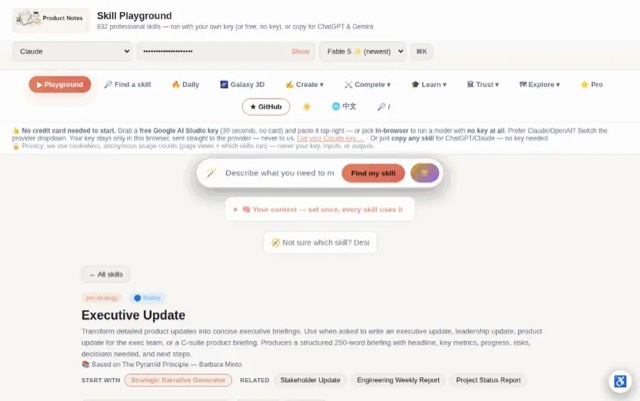
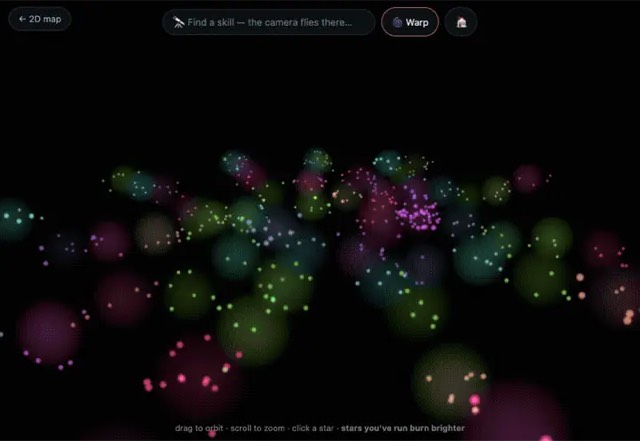
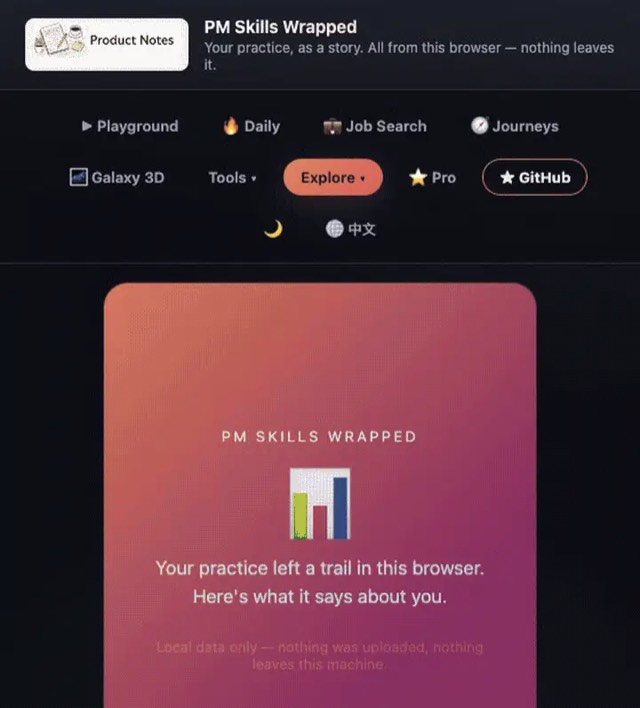
From the mohitagw15856/pm-claude-skills README — shows the whole collection, not only this skill. · view on GitHub
How to use it
Claude Code
- Run the line below. It pulls the whole folder into
~/.claude/skills/board-deck-narrative. - Describe your job in plain words. Claude Code follows the skill from there.
npx degit mohitagw15856/pm-claude-skills/skills/board-deck-narrative#main ~/.claude/skills/board-deck-narrativeFor one project only, change the path to .claude/skills/board-deck-narrative.
Claude (web or desktop app)
- On this page open ⋯ → Download .md.
- Save it as SKILL.md in a folder, zip the folder, then Customize → Skills → + → Create skill → Upload a skill.
- Pick the file and Save. Claude shows the name and description and runs a security scan.
- Check the skill is switched on.
- Start a new chat and describe your job in plain words. The AI follows the skill from there.
ChatGPT or another app
- ChatGPT: make a Project and paste it into Instructions.
- Neither? Paste it at the top of a new chat — it works for that chat.
Not working?
- Check which app you pasted it into — the steps above name the right one.
- Some skills need the paid tier of Claude or ChatGPT.
Paste into Claude, ChatGPT or Cursor.
Source of Board Deck Narrative Skill
Show the full text170 lines
| name | description |
|---|---|
| board-deck-narrative | Build the storyline and slide structure for a board presentation. Use when asked to create a board deck, board presentation narrative, board meeting slides, or quarterly board update. Produces a complete slide-by-slide structure with narrative beats, talking points, and slide content guidance. |
Board Deck Narrative Skill
This skill builds the complete narrative and slide structure for a board presentation — from opening framing to closing asks. It produces slide-by-slide content guidance, not just a list of topics.
Required Inputs
Ask the user for these if not provided:
- Company stage and context (Seed / Series A / Growth — and where you are in the year)
- Board meeting type (Regular quarterly / Annual / Special / Fundraise-related)
- Key themes for this meeting (e.g. strong growth quarter / pivoting strategy / hiring challenge / fundraise update)
- Key metrics to feature
- Decisions needed from the board (if any)
- Time available (e.g. 60 min / 90 min)
- Audience (investors only / investors + independent directors / mixed)
Output Structure
Board Deck Narrative: [Company] — [Quarter/Period]
Meeting type: [Regular quarterly / Special] Time: [X minutes] Narrative theme: [The one-sentence story of this quarter — e.g. "We hit our revenue target, but activation is the problem we need to solve together."]
Opening Frame (Slide 1–2)
Slide 1: Title
- Company name, quarter, date
- One-sentence framing of the meeting's narrative arc
Slide 2: Agenda
- List of sections + time allocation
- Flag which sections need board input vs. are informational
Presenter note: Board members are busy. Tell them in the first 2 minutes what you need from them today. It changes how they listen.
Business Performance (Slides 3–6, ~15 min)
Slide 3: Scorecard / KPI Dashboard
- Content: Key metrics vs. targets for the quarter. No more than 6 metrics.
- Format: Traffic-light table (Green / Amber / Red against plan)
- Narrative: [1–2 sentences — the headline story of the quarter in numbers]
- Don't hide reds. Boards lose trust when they discover hidden problems later.
Slide 4: Revenue / Growth Deep Dive
- Content: Revenue breakdown by segment, cohort retention, growth drivers
- Key message: [What the data shows about the health of growth]
- Call out: [Any trend that needs board context or discussion]
Slide 5: Unit Economics
- Content: CAC, LTV, payback period, gross margin — vs. last quarter and vs. plan
- Flag: Any metric moving in the wrong direction and what's causing it
Slide 6: Operational Highlights
- Content: 3–5 bullet points of the most significant things that happened this quarter
- Format: Each bullet = outcome, not activity. ("Signed 3 enterprise contracts worth £400K ARR" not "Continued enterprise sales motion")
Strategic Update (Slides 7–9, ~15 min)
Slide 7: Strategy Snapshot
- Content: Where you said you'd be vs. where you are against the annual plan
- Narrative: [Honest assessment — what's on track, what's shifted and why]
Slide 8: Key Strategic Decision or Update
- Content: The one strategic topic that most needs board input this meeting
- Format: Context → Options considered → Recommendation → Question for board
- This is the highest-value 10 minutes of the meeting. Frame it as a real question.
Slide 9: Product & Roadmap (if relevant)
- Content: Top 3 product bets this quarter — what shipped, what's coming, why these bets
- Tailored for: What the board needs to understand to support strategic decisions, not a sprint review
People & Organisation (Slide 10, ~5 min)
Slide 10: Team Update
- Content: Headcount (start vs. end of quarter), key hires made, open roles, any org changes
- Flag: Any people risks or leadership gaps the board should know about
- Don't skip this slide. Board members often have network value here.
Financial Update (Slides 11–12, ~10 min)
Slide 11: P&L Summary
- Content: Revenue, gross margin, opex by category, EBITDA/net burn — actual vs. budget
- Include: Year-to-date vs. annual plan
Slide 12: Cash & Runway
- Content: Cash on hand, monthly burn rate, runway at current burn
- Include: Scenario if burn increases (e.g. key hire made), scenario if growth accelerates
- Flag immediately: If runway is < 18 months — this needs board awareness and planning
Closing & Asks (Slides 13–14, ~10 min)
Slide 13: Priorities for Next Quarter
- Content: Top 3–5 priorities and what success looks like for each
- Format: Priority | What we're doing | How we'll know it worked
- Keeps board accountability consistent across meetings
Slide 14: Board Asks
- Content: Specific things you need from board members before next meeting
- Format: Each ask = specific, named if possible ("Looking for an intro to [Company] — [Board member X], do you have a connection?")
- A board meeting without specific asks is a missed opportunity
Appendix (Optional)
- Detailed cohort analysis
- Competitive landscape update
- Full P&L
- Team org chart
- Any supporting data referenced in the main deck
Appendix slides are available but not presented. Board members who want detail can ask.
Narrative Principles
- Lead with honesty. If it was a hard quarter, say so in the first slide. Don't bury bad news after the wins.
- One slide = one idea. If a slide has two messages, split it.
- Fewer slides, more depth. A 14-slide deck presented well beats a 35-slide deck rushed through.
- Every slide has a "so what." A slide that just shows data without a takeaway wastes board time.
- Leave time for discussion. Board value is in the conversation, not the presentation. Aim to spend 40% of the meeting presenting and 60% in discussion.
Deeper Materials
references/what-boards-actually-read.md— the pre-read reality, in-room dynamics, and the asks discipline
Quality Checks
- Opening frame states the meeting's narrative theme
- Scorecard slide uses traffic-light format (not just green metrics)
- Strategic decision slide frames a real question for the board
- Financial slide includes runway explicitly
- Board asks are specific and actionable
- Deck is ≤ 15 slides (excluding appendix)
Anti-Patterns
- Do not bury bad news after slides full of good news — boards lose trust when they discover problems were de-emphasised; lead with the honest narrative
- Do not include slides without a "so what" — a chart that shows data without a takeaway wastes board time and signals the presenter hasn't done the analysis
- Do not exceed 15 slides in the main deck — a longer deck usually means the presenter hasn't decided what matters most
- Do not attend a board meeting without at least one specific ask — a board meeting with no asks is a missed opportunity to leverage the room
- Do not report metrics without comparing them to plan or a prior period — a metric shown in isolation gives the board no basis for judgement
Example Trigger Phrases
- "Build a board deck structure for our Q[N] board meeting"
- "Help me create the narrative for our board presentation"
- "Write the slide structure for our annual board review"
- "Design a board deck for [specific context — e.g. fundraise update]"
| 1 | |
| 2 | name board-deck-narrative |
| 3 | description "Build the storyline and slide structure for a board presentation. Use when asked to create a board deck, board presentation narrative, board meeting slides, or quarterly board update. Produces a complete slide-by-slide structure with narrative beats, talking points, and slide content guidance." |
| 4 | |
| 5 | |
| 6 | # Board Deck Narrative Skill |
| 7 | |
| 8 | This skill builds the complete narrative and slide structure for a board presentation — from opening framing to closing asks. It produces slide-by-slide content guidance, not just a list of topics. |
| 9 | |
| 10 | ## Required Inputs |
| 11 | |
| 12 | Ask the user for these if not provided: |
| 13 | **Company stage and context** (Seed / Series A / Growth — and where you are in the year) |
| 14 | **Board meeting type** (Regular quarterly / Annual / Special / Fundraise-related) |
| 15 | **Key themes for this meeting** (e.g. strong growth quarter / pivoting strategy / hiring challenge / fundraise update) |
| 16 | **Key metrics to feature** |
| 17 | **Decisions needed from the board** (if any) |
| 18 | **Time available** (e.g. 60 min / 90 min) |
| 19 | **Audience** (investors only / investors + independent directors / mixed) |
| 20 | |
| 21 | ## Output Structure |
| 22 | |
| 23 | |
| 24 | |
| 25 | # Board Deck Narrative: [Company] — [Quarter/Period] |
| 26 | |
| 27 | **Meeting type:** [Regular quarterly / Special] |
| 28 | **Time:** [X minutes] |
| 29 | **Narrative theme:** [The one-sentence story of this quarter — e.g. "We hit our revenue target, but activation is the problem we need to solve together."] |
| 30 | |
| 31 | |
| 32 | |
| 33 | ## Opening Frame (Slide 1–2) |
| 34 | |
| 35 | **Slide 1: Title** |
| 36 | Company name, quarter, date |
| 37 | One-sentence framing of the meeting's narrative arc |
| 38 | |
| 39 | **Slide 2: Agenda** |
| 40 | List of sections + time allocation |
| 41 | Flag which sections need board input vs. are informational |
| 42 | |
| 43 | *Presenter note: Board members are busy. Tell them in the first 2 minutes what you need from them today. It changes how they listen.* |
| 44 | |
| 45 | |
| 46 | |
| 47 | ## Business Performance (Slides 3–6, ~15 min) |
| 48 | |
| 49 | **Slide 3: Scorecard / KPI Dashboard** |
| 50 | Content: Key metrics vs. targets for the quarter. No more than 6 metrics. |
| 51 | Format: Traffic-light table (Green / Amber / Red against plan) |
| 52 | Narrative: [1–2 sentences — the headline story of the quarter in numbers] |
| 53 | *Don't hide reds. Boards lose trust when they discover hidden problems later.* |
| 54 | |
| 55 | **Slide 4: Revenue / Growth Deep Dive** |
| 56 | Content: Revenue breakdown by segment, cohort retention, growth drivers |
| 57 | Key message: [What the data shows about the health of growth] |
| 58 | Call out: [Any trend that needs board context or discussion] |
| 59 | |
| 60 | **Slide 5: Unit Economics** |
| 61 | Content: CAC, LTV, payback period, gross margin — vs. last quarter and vs. plan |
| 62 | Flag: Any metric moving in the wrong direction and what's causing it |
| 63 | |
| 64 | **Slide 6: Operational Highlights** |
| 65 | Content: 3–5 bullet points of the most significant things that happened this quarter |
| 66 | Format: Each bullet = outcome, not activity. ("Signed 3 enterprise contracts worth £400K ARR" not "Continued enterprise sales motion") |
| 67 | |
| 68 | |
| 69 | |
| 70 | ## Strategic Update (Slides 7–9, ~15 min) |
| 71 | |
| 72 | **Slide 7: Strategy Snapshot** |
| 73 | Content: Where you said you'd be vs. where you are against the annual plan |
| 74 | Narrative: [Honest assessment — what's on track, what's shifted and why] |
| 75 | |
| 76 | **Slide 8: Key Strategic Decision or Update** |
| 77 | Content: The one strategic topic that most needs board input this meeting |
| 78 | Format: Context → Options considered → Recommendation → Question for board |
| 79 | *This is the highest-value 10 minutes of the meeting. Frame it as a real question.* |
| 80 | |
| 81 | **Slide 9: Product & Roadmap (if relevant)** |
| 82 | Content: Top 3 product bets this quarter — what shipped, what's coming, why these bets |
| 83 | Tailored for: What the board needs to understand to support strategic decisions, not a sprint review |
| 84 | |
| 85 | |
| 86 | |
| 87 | ## People & Organisation (Slide 10, ~5 min) |
| 88 | |
| 89 | **Slide 10: Team Update** |
| 90 | Content: Headcount (start vs. end of quarter), key hires made, open roles, any org changes |
| 91 | Flag: Any people risks or leadership gaps the board should know about |
| 92 | *Don't skip this slide. Board members often have network value here.* |
| 93 | |
| 94 | |
| 95 | |
| 96 | ## Financial Update (Slides 11–12, ~10 min) |
| 97 | |
| 98 | **Slide 11: P&L Summary** |
| 99 | Content: Revenue, gross margin, opex by category, EBITDA/net burn — actual vs. budget |
| 100 | Include: Year-to-date vs. annual plan |
| 101 | |
| 102 | **Slide 12: Cash & Runway** |
| 103 | Content: Cash on hand, monthly burn rate, runway at current burn |
| 104 | Include: Scenario if burn increases (e.g. key hire made), scenario if growth accelerates |
| 105 | Flag immediately: If runway is < 18 months — this needs board awareness and planning |
| 106 | |
| 107 | |
| 108 | |
| 109 | ## Closing & Asks (Slides 13–14, ~10 min) |
| 110 | |
| 111 | **Slide 13: Priorities for Next Quarter** |
| 112 | Content: Top 3–5 priorities and what success looks like for each |
| 113 | Format: Priority | What we're doing | How we'll know it worked |
| 114 | *Keeps board accountability consistent across meetings* |
| 115 | |
| 116 | **Slide 14: Board Asks** |
| 117 | Content: Specific things you need from board members before next meeting |
| 118 | Format: Each ask = specific, named if possible ("Looking for an intro to [Company] — [Board member X], do you have a connection?") |
| 119 | *A board meeting without specific asks is a missed opportunity* |
| 120 | |
| 121 | |
| 122 | |
| 123 | ## Appendix (Optional) |
| 124 | |
| 125 | Detailed cohort analysis |
| 126 | Competitive landscape update |
| 127 | Full P&L |
| 128 | Team org chart |
| 129 | Any supporting data referenced in the main deck |
| 130 | |
| 131 | *Appendix slides are available but not presented. Board members who want detail can ask.* |
| 132 | |
| 133 | |
| 134 | |
| 135 | ## Narrative Principles |
| 136 | |
| 137 | **Lead with honesty.** If it was a hard quarter, say so in the first slide. Don't bury bad news after the wins. |
| 138 | **One slide = one idea.** If a slide has two messages, split it. |
| 139 | **Fewer slides, more depth.** A 14-slide deck presented well beats a 35-slide deck rushed through. |
| 140 | **Every slide has a "so what."** A slide that just shows data without a takeaway wastes board time. |
| 141 | **Leave time for discussion.** Board value is in the conversation, not the presentation. Aim to spend 40% of the meeting presenting and 60% in discussion. |
| 142 | |
| 143 | ## Deeper Materials |
| 144 | |
| 145 | [`references/what-boards-actually-read.md`] — the pre-read reality, in-room dynamics, and the asks discipline |
| 146 | |
| 147 | ## Quality Checks |
| 148 | |
| 149 | [ ] Opening frame states the meeting's narrative theme |
| 150 | [ ] Scorecard slide uses traffic-light format (not just green metrics) |
| 151 | [ ] Strategic decision slide frames a real question for the board |
| 152 | [ ] Financial slide includes runway explicitly |
| 153 | [ ] Board asks are specific and actionable |
| 154 | [ ] Deck is ≤ 15 slides (excluding appendix) |
| 155 | |
| 156 | ## Anti-Patterns |
| 157 | |
| 158 | [ ] Do not bury bad news after slides full of good news — boards lose trust when they discover problems were de-emphasised; lead with the honest narrative |
| 159 | [ ] Do not include slides without a "so what" — a chart that shows data without a takeaway wastes board time and signals the presenter hasn't done the analysis |
| 160 | [ ] Do not exceed 15 slides in the main deck — a longer deck usually means the presenter hasn't decided what matters most |
| 161 | [ ] Do not attend a board meeting without at least one specific ask — a board meeting with no asks is a missed opportunity to leverage the room |
| 162 | [ ] Do not report metrics without comparing them to plan or a prior period — a metric shown in isolation gives the board no basis for judgement |
| 163 | |
| 164 | ## Example Trigger Phrases |
| 165 | |
| 166 | "Build a board deck structure for our Q[N] board meeting" |
| 167 | "Help me create the narrative for our board presentation" |
| 168 | "Write the slide structure for our annual board review" |
| 169 | "Design a board deck for [specific context — e.g. fundraise update]" |
| 170 |
Discussion
Browse more free Claude skills or everything in Design.