Win/Loss Analysis Skill
Analyze why deals are won and lost and turn it into an action plan.
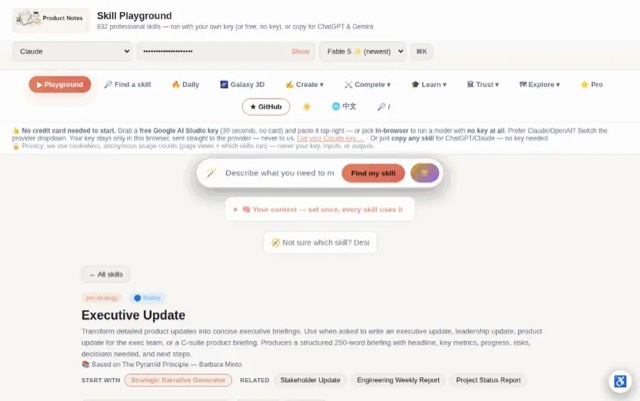
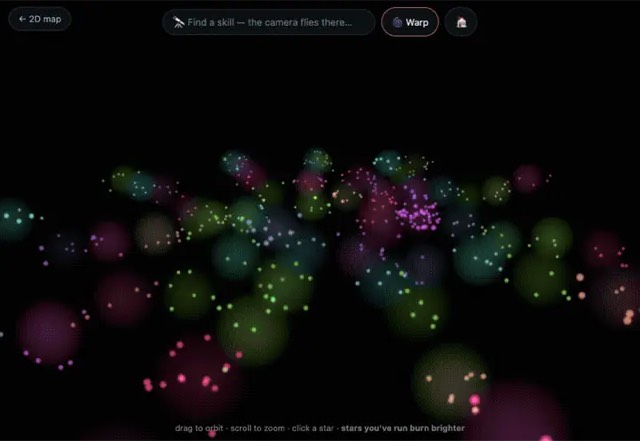
From the mohitagw15856/pm-claude-skills README — shows the whole collection, not only this skill. · view on GitHub
How to use it
Claude Code
- Run the line below. It pulls the whole folder into
~/.claude/skills/win-loss-analysis. - Describe your job in plain words. Claude Code follows the skill from there.
npx degit mohitagw15856/pm-claude-skills/skills/win-loss-analysis#main ~/.claude/skills/win-loss-analysisFor one project only, change the path to .claude/skills/win-loss-analysis.
Claude (web or desktop app)
- On this page open ⋯ → Download .md.
- Save it as SKILL.md in a folder, zip the folder, then Customize → Skills → + → Create skill → Upload a skill.
- Pick the file and Save. Claude shows the name and description and runs a security scan.
- Check the skill is switched on.
- Start a new chat and describe your job in plain words. The AI follows the skill from there.
ChatGPT or another app
- ChatGPT: make a Project and paste it into Instructions.
- Neither? Paste it at the top of a new chat — it works for that chat.
Not working?
- Check which app you pasted it into — the steps above name the right one.
- Some skills need the paid tier of Claude or ChatGPT.
Paste into Claude, ChatGPT or Cursor.
Source of Win/Loss Analysis Skill
Show the full text104 lines
| name | description |
|---|---|
| win-loss-analysis | Analyze why deals are won and lost and turn it into an action plan. Use when asked to run a win/loss analysis, review closed-won and closed-lost deals, understand why the team is losing to a competitor, or summarize sales feedback into patterns. Produces a structured win/loss report with themes, win/loss rates by segment and competitor, representative quotes, and prioritized actions for product, marketing, and sales. |
Win/Loss Analysis Skill
Turn raw deal outcomes and buyer feedback into a clear picture of why you win and lose — and what to do about it. The output should let a product marketer or revenue leader act on patterns, not anecdotes.
What This Skill Produces
- A win/loss report with the top reasons deals were won and lost, ranked by frequency and deal value
- Win/loss rates cut by segment, deal size, competitor, and source where the data allows
- Representative buyer quotes that make each theme concrete
- A prioritized action list mapped to product, marketing, sales, and pricing owners
Required Inputs
Ask for these if not provided:
- Deal data — a list of closed-won and closed-lost deals, ideally with amount, segment, competitor, and stage lost
- Feedback source — win/loss interview notes, CRM
closed_lost_reasonfields, survey responses, or call transcripts - Time window and any segmentation you care about (segment, region, product line)
- Primary competitors to track explicitly
- The decision this feeds — a QBR, a roadmap review, a messaging refresh, an enablement push
If the data is thin, say so and analyze what exists rather than inventing outcomes.
Process
- Normalize the reasons — collapse free-text loss reasons into a consistent taxonomy (price, product gap, timing/no-decision, competitor, champion left, poor fit, etc.).
- Quantify — count wins and losses per reason; weight by deal value; compute win rate overall and by cut.
- Separate controllable from structural — a missing feature is controllable; a genuine no-budget is not. Focus action on the controllable.
- Pull evidence — attach 1–2 real quotes per major theme. Never fabricate quotes; mark
[quote to add]if none is available. - Isolate competitor dynamics — where you lose to each competitor and on what basis.
- Recommend actions — for each top theme, the single highest-leverage move and who owns it.
Output Format
Win/Loss Analysis — [Period]
Scope: [N won · N lost · total value] · Segments: [list] · Source: [interviews / CRM / survey]
Headline
[2–3 sentences: overall win rate, the biggest swing factor, and the one thing to fix first.]
Why We Win (ranked)
| # | Reason | % of wins | Notable in |
|---|---|---|---|
| 1 | [Reason] | [%] | [segment/competitor] |
Evidence: "[buyer quote]"
Why We Lose (ranked)
| # | Reason | % of losses | Controllable? | Est. value at stake |
|---|---|---|---|---|
| 1 | [Reason] | [%] | Yes/No/Partly | [$] |
Evidence: "[buyer quote]"
Win Rate by Cut
| Cut | Win rate | Read |
|---|---|---|
| [Segment / competitor / deal size] | [%] | [what it means] |
Competitive Read
- vs [Competitor]: [where and why we win/lose, and the counter]
Actions
| Theme | Recommended action | Owner | Effort | Expected impact |
|---|---|---|---|---|
| [Theme] | [Specific move] | [Product/PMM/Sales] | S/M/L | [win-rate or deal-value effect] |
Deeper Materials
references/buyer-interview-craft.md— the interview craft that defeats buyer politeness — who calls, when, and the questions that get truth
Quality Checks
- Every reason is backed by counts, not vibes
- Losses are split into controllable vs structural
- Each major theme has a real quote or an explicit
[quote to add] - Actions name an owner and the highest-leverage single move
- Competitor findings are specific enough to change a battlecard
Anti-Patterns
- Do not treat "price" as a root cause without checking whether it's really value perception
- Do not average away segment differences — a 60% overall win rate can hide a 20% enterprise rate
- Do not fabricate buyer quotes or inflate sample size; state the n
- Do not list 15 actions — rank ruthlessly and name the top few
- Do not blame sales or product reflexively; let the data assign the theme
Example Trigger Phrases
- "Run a win/loss analysis on last quarter's closed deals"
- "Why are we losing enterprise deals to [Competitor]?"
- "Summarize these win/loss interviews into themes and actions"
- "Turn our CRM closed-lost reasons into a report for the QBR"
| 1 | |
| 2 | name win-loss-analysis |
| 3 | description "Analyze why deals are won and lost and turn it into an action plan. Use when asked to run a win/loss analysis, review closed-won and closed-lost deals, understand why the team is losing to a competitor, or summarize sales feedback into patterns. Produces a structured win/loss report with themes, win/loss rates by segment and competitor, representative quotes, and prioritized actions for product, marketing, and sales." |
| 4 | |
| 5 | |
| 6 | # Win/Loss Analysis Skill |
| 7 | |
| 8 | Turn raw deal outcomes and buyer feedback into a clear picture of *why* you win and lose — and what to do about it. The output should let a product marketer or revenue leader act on patterns, not anecdotes. |
| 9 | |
| 10 | ## What This Skill Produces |
| 11 | |
| 12 | A win/loss report with the top reasons deals were won and lost, ranked by frequency and deal value |
| 13 | Win/loss rates cut by segment, deal size, competitor, and source where the data allows |
| 14 | Representative buyer quotes that make each theme concrete |
| 15 | A prioritized action list mapped to product, marketing, sales, and pricing owners |
| 16 | |
| 17 | ## Required Inputs |
| 18 | |
| 19 | Ask for these if not provided: |
| 20 | |
| 21 | **Deal data** — a list of closed-won and closed-lost deals, ideally with amount, segment, competitor, and stage lost |
| 22 | **Feedback source** — win/loss interview notes, CRM `closed_lost_reason` fields, survey responses, or call transcripts |
| 23 | **Time window and any segmentation** you care about (segment, region, product line) |
| 24 | **Primary competitors** to track explicitly |
| 25 | **The decision** this feeds — a QBR, a roadmap review, a messaging refresh, an enablement push |
| 26 | |
| 27 | If the data is thin, say so and analyze what exists rather than inventing outcomes. |
| 28 | |
| 29 | ## Process |
| 30 | |
| 31 | **Normalize the reasons** — collapse free-text loss reasons into a consistent taxonomy (price, product gap, timing/no-decision, competitor, champion left, poor fit, etc.). |
| 32 | **Quantify** — count wins and losses per reason; weight by deal value; compute win rate overall and by cut. |
| 33 | **Separate controllable from structural** — a missing feature is controllable; a genuine no-budget is not. Focus action on the controllable. |
| 34 | **Pull evidence** — attach 1–2 real quotes per major theme. Never fabricate quotes; mark `[quote to add]` if none is available. |
| 35 | **Isolate competitor dynamics** — where you lose to each competitor and on what basis. |
| 36 | **Recommend actions** — for each top theme, the single highest-leverage move and who owns it. |
| 37 | |
| 38 | ## Output Format |
| 39 | |
| 40 | |
| 41 | |
| 42 | # Win/Loss Analysis — [Period] |
| 43 | |
| 44 | **Scope:** [N won · N lost · total value] · **Segments:** [list] · **Source:** [interviews / CRM / survey] |
| 45 | |
| 46 | ## Headline |
| 47 | [2–3 sentences: overall win rate, the biggest swing factor, and the one thing to fix first.] |
| 48 | |
| 49 | ## Why We Win (ranked) |
| 50 | | # | Reason | % of wins | Notable in | |
| 51 | |---|---|---|---| |
| 52 | | 1 | [Reason] | [%] | [segment/competitor] | |
| 53 | |
| 54 | **Evidence:** *"[buyer quote]"* |
| 55 | |
| 56 | ## Why We Lose (ranked) |
| 57 | | # | Reason | % of losses | Controllable? | Est. value at stake | |
| 58 | |---|---|---|---|---| |
| 59 | | 1 | [Reason] | [%] | Yes/No/Partly | [$] | |
| 60 | |
| 61 | **Evidence:** *"[buyer quote]"* |
| 62 | |
| 63 | ## Win Rate by Cut |
| 64 | | Cut | Win rate | Read | |
| 65 | |---|---|---| |
| 66 | | [Segment / competitor / deal size] | [%] | [what it means] | |
| 67 | |
| 68 | ## Competitive Read |
| 69 | **vs [Competitor]:** [where and why we win/lose, and the counter] |
| 70 | |
| 71 | ## Actions |
| 72 | | Theme | Recommended action | Owner | Effort | Expected impact | |
| 73 | |---|---|---|---|---| |
| 74 | | [Theme] | [Specific move] | [Product/PMM/Sales] | S/M/L | [win-rate or deal-value effect] | |
| 75 | |
| 76 | |
| 77 | |
| 78 | ## Deeper Materials |
| 79 | |
| 80 | [`references/buyer-interview-craft.md`] — the interview craft that defeats buyer politeness — who calls, when, and the questions that get truth |
| 81 | |
| 82 | ## Quality Checks |
| 83 | |
| 84 | [ ] Every reason is backed by counts, not vibes |
| 85 | [ ] Losses are split into controllable vs structural |
| 86 | [ ] Each major theme has a real quote or an explicit `[quote to add]` |
| 87 | [ ] Actions name an owner and the highest-leverage single move |
| 88 | [ ] Competitor findings are specific enough to change a battlecard |
| 89 | |
| 90 | ## Anti-Patterns |
| 91 | |
| 92 | [ ] Do not treat "price" as a root cause without checking whether it's really value perception |
| 93 | [ ] Do not average away segment differences — a 60% overall win rate can hide a 20% enterprise rate |
| 94 | [ ] Do not fabricate buyer quotes or inflate sample size; state the n |
| 95 | [ ] Do not list 15 actions — rank ruthlessly and name the top few |
| 96 | [ ] Do not blame sales or product reflexively; let the data assign the theme |
| 97 | |
| 98 | ## Example Trigger Phrases |
| 99 | |
| 100 | "Run a win/loss analysis on last quarter's closed deals" |
| 101 | "Why are we losing enterprise deals to [Competitor]?" |
| 102 | "Summarize these win/loss interviews into themes and actions" |
| 103 | "Turn our CRM closed-lost reasons into a report for the QBR" |
| 104 |
Discussion
Browse more free Claude skills or everything in Product.