Stakeholder Influence Mapper Skill
Map stakeholders for a product decision and produce a tailored influence strategy with talking points.
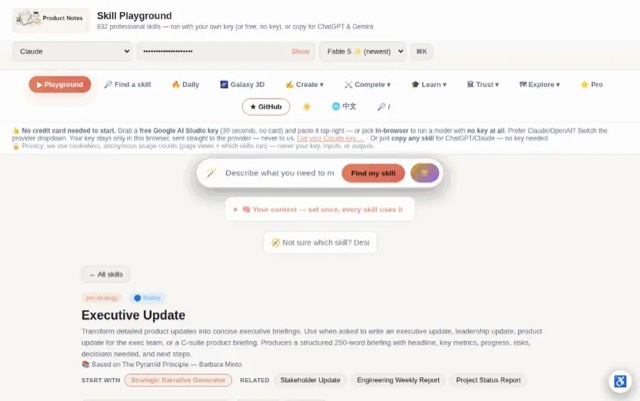
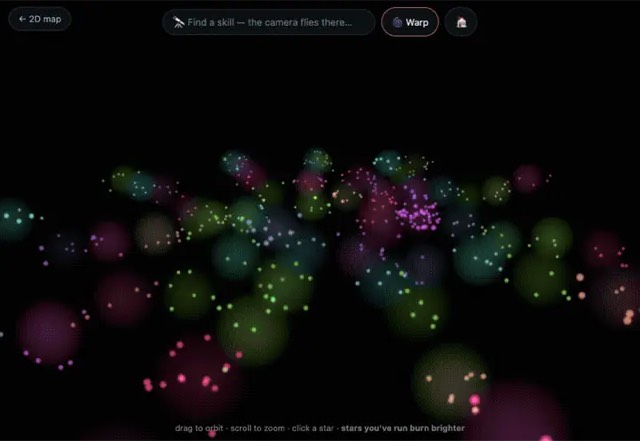
From the mohitagw15856/pm-claude-skills README — shows the whole collection, not only this skill. · view on GitHub
How to use it
Claude Code
- Run the line below. It pulls the whole folder into
~/.claude/skills/stakeholder-influence-mapper. - Describe your job in plain words. Claude Code follows the skill from there.
npx degit mohitagw15856/pm-claude-skills/skills/stakeholder-influence-mapper#main ~/.claude/skills/stakeholder-influence-mapperFor one project only, change the path to .claude/skills/stakeholder-influence-mapper.
Claude (web or desktop app)
- On this page open ⋯ → Download .md.
- Save it as SKILL.md in a folder, zip the folder, then Customize → Skills → + → Create skill → Upload a skill.
- Pick the file and Save. Claude shows the name and description and runs a security scan.
- Check the skill is switched on.
- Start a new chat and describe your job in plain words. The AI follows the skill from there.
ChatGPT or another app
- ChatGPT: make a Project and paste it into Instructions.
- Neither? Paste it at the top of a new chat — it works for that chat.
Not working?
- Check which app you pasted it into — the steps above name the right one.
- Some skills need the paid tier of Claude or ChatGPT.
Paste into Claude, ChatGPT or Cursor.
Source of Stakeholder Influence Mapper Skill
Show the full text69 lines
| name | description |
|---|---|
| stakeholder-influence-mapper | Map stakeholders for a product decision and produce a tailored influence strategy with talking points. Use when asked to get alignment, build consensus, get buy-in from engineering or finance or legal, navigate organisational resistance, or plan stakeholder conversations for a major initiative. Produces a stakeholder map, recommended conversation sequence, and tailored talking points per stakeholder. |
Stakeholder Influence Mapper Skill
Turn a product initiative into a structured influence plan — who needs to be aligned, in what order, and exactly what to say to each person in their language.
Required Inputs
Ask the user for these if not provided:
- Initiative description (what you want to do and why)
- List of key stakeholders (name, role, relationship to initiative)
- Timeline pressure (when do you need a decision?)
- Any known objections or political context (what you're already aware of)
Process
- Build stakeholder map with: role, primary concern, decision authority (blocker / influencer / informed), current stance (supportive / neutral / resistant / unknown)
- Identify the critical path of conversations — who must be won before others
- For each stakeholder, lead with their concern, not your ask
- Prepare one likely objection per stakeholder and a prepared response
- Flag any stakeholders who should NOT be approached until others are aligned
- Validate — Confirm every "blocker" stakeholder has a specific tactic (not just "have a conversation"), and that the sequence accounts for political dependencies
Output Structure
Stakeholder Map: [Initiative Name]
| Stakeholder | Role | Primary Concern | Authority | Current Stance |
|---|---|---|---|---|
| [name] | [role] | [concern] | [type] | [stance] |
Recommended Conversation Sequence
- [Name first] — because [reason they unlock others]
- [Name second] — once [first] is aligned [continue...]
Talking Points by Stakeholder
[Stakeholder Name]
Lead with: [Their concern, not your feature] Your ask: [One specific thing you need from them] Likely objection: [What they'll push back on] Prepared response: [How to address it without being defensive] What success looks like: [What alignment from them looks like]
Notes
- Never send the same message to all stakeholders — calibrate every time
- Engineering leads want technical feasibility acknowledged first
- Finance stakeholders want ROI framing before anything else
- Legal/compliance stakeholders want risk mitigation addressed upfront
Quality Checks
- Every blocker has a specific tactic (not just "have a chat")
- Conversation sequence accounts for political dependencies
- Each stakeholder's talking points lead with their concern, not your agenda
- At least one "do not approach until X is aligned" flag is considered
- The ask from each stakeholder is a single, specific thing (not a vague "support")
Anti-Patterns
- Do not approach high-influence blockers before aligning their sponsors — approach order determines outcome
- Do not create talking points that lead with your agenda — always lead with the stakeholder's stated concern
- Do not treat every stakeholder as equally important — focus depth on the decision-makers and key influencers
- Do not omit the "do not approach until X is aligned" flags — sequencing mistakes can permanently close doors
- Do not build the map based only on org chart position — influence often lives outside formal authority
| 1 | |
| 2 | name stakeholder-influence-mapper |
| 3 | description "Map stakeholders for a product decision and produce a tailored influence strategy with talking points. Use when asked to get alignment, build consensus, get buy-in from engineering or finance or legal, navigate organisational resistance, or plan stakeholder conversations for a major initiative. Produces a stakeholder map, recommended conversation sequence, and tailored talking points per stakeholder." |
| 4 | |
| 5 | |
| 6 | # Stakeholder Influence Mapper Skill |
| 7 | |
| 8 | Turn a product initiative into a structured influence plan — who needs to be aligned, in what order, and exactly what to say to each person in their language. |
| 9 | |
| 10 | ## Required Inputs |
| 11 | |
| 12 | Ask the user for these if not provided: |
| 13 | **Initiative description** (what you want to do and why) |
| 14 | **List of key stakeholders** (name, role, relationship to initiative) |
| 15 | **Timeline pressure** (when do you need a decision?) |
| 16 | **Any known objections or political context** (what you're already aware of) |
| 17 | |
| 18 | ## Process |
| 19 | Build stakeholder map with: role, primary concern, decision authority (blocker / influencer / informed), current stance (supportive / neutral / resistant / unknown) |
| 20 | Identify the critical path of conversations — who must be won before others |
| 21 | For each stakeholder, lead with their concern, not your ask |
| 22 | Prepare one likely objection per stakeholder and a prepared response |
| 23 | Flag any stakeholders who should NOT be approached until others are aligned |
| 24 | **Validate** — Confirm every "blocker" stakeholder has a specific tactic (not just "have a conversation"), and that the sequence accounts for political dependencies |
| 25 | |
| 26 | ## Output Structure |
| 27 | |
| 28 | ### Stakeholder Map: [Initiative Name] |
| 29 | |
| 30 | | Stakeholder | Role | Primary Concern | Authority | Current Stance | |
| 31 | |-------------|------|-----------------|-----------|----------------| |
| 32 | | [name] | [role] | [concern] | [type] | [stance] | |
| 33 | |
| 34 | ### Recommended Conversation Sequence |
| 35 | **[Name first]** — because [reason they unlock others] |
| 36 | **[Name second]** — once [first] is aligned |
| 37 | [continue...] |
| 38 | |
| 39 | ### Talking Points by Stakeholder |
| 40 | |
| 41 | #### [Stakeholder Name] |
| 42 | **Lead with:** [Their concern, not your feature] |
| 43 | **Your ask:** [One specific thing you need from them] |
| 44 | **Likely objection:** [What they'll push back on] |
| 45 | **Prepared response:** [How to address it without being defensive] |
| 46 | **What success looks like:** [What alignment from them looks like] |
| 47 | |
| 48 | ## Notes |
| 49 | Never send the same message to all stakeholders — calibrate every time |
| 50 | Engineering leads want technical feasibility acknowledged first |
| 51 | Finance stakeholders want ROI framing before anything else |
| 52 | Legal/compliance stakeholders want risk mitigation addressed upfront |
| 53 | |
| 54 | ## Quality Checks |
| 55 | |
| 56 | [ ] Every blocker has a specific tactic (not just "have a chat") |
| 57 | [ ] Conversation sequence accounts for political dependencies |
| 58 | [ ] Each stakeholder's talking points lead with their concern, not your agenda |
| 59 | [ ] At least one "do not approach until X is aligned" flag is considered |
| 60 | [ ] The ask from each stakeholder is a single, specific thing (not a vague "support") |
| 61 | |
| 62 | ## Anti-Patterns |
| 63 | |
| 64 | [ ] Do not approach high-influence blockers before aligning their sponsors — approach order determines outcome |
| 65 | [ ] Do not create talking points that lead with your agenda — always lead with the stakeholder's stated concern |
| 66 | [ ] Do not treat every stakeholder as equally important — focus depth on the decision-makers and key influencers |
| 67 | [ ] Do not omit the "do not approach until X is aligned" flags — sequencing mistakes can permanently close doors |
| 68 | [ ] Do not build the map based only on org chart position — influence often lives outside formal authority |
| 69 |
Discussion
Browse more free Claude skills.