SEO Content Brief Skill
Create a structured SEO content brief for any target keyword or topic.
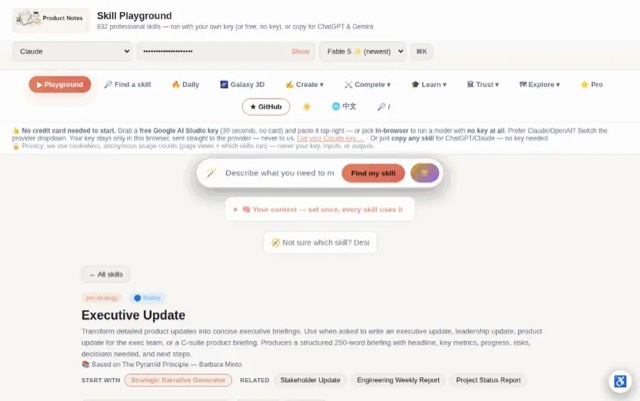
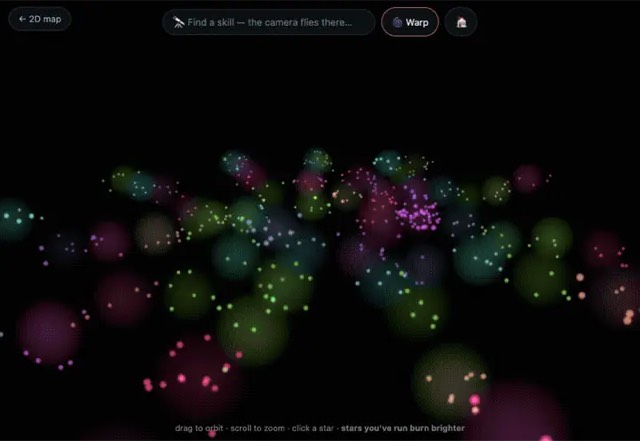
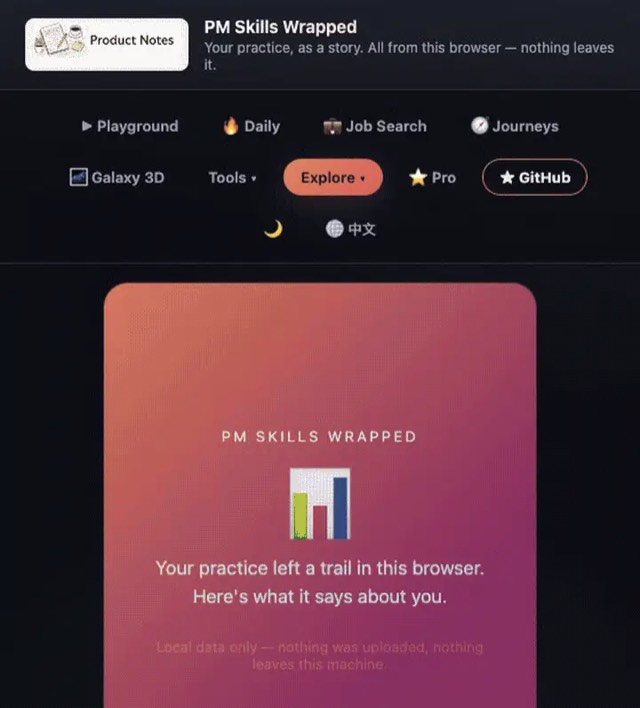
From the mohitagw15856/pm-claude-skills README — shows the whole collection, not only this skill. · view on GitHub
How to use it
Claude Code
- Run the line below. It pulls the whole folder into
~/.claude/skills/seo-content-brief-2. - Describe your job in plain words. Claude Code follows the skill from there.
npx degit mohitagw15856/pm-claude-skills/skills/seo-content-brief#main ~/.claude/skills/seo-content-brief-2For one project only, change the path to .claude/skills/seo-content-brief-2.
Claude (web or desktop app)
- On this page open ⋯ → Download .md.
- Save it as SKILL.md in a folder, zip the folder, then Customize → Skills → + → Create skill → Upload a skill.
- Pick the file and Save. Claude shows the name and description and runs a security scan.
- Check the skill is switched on.
- Start a new chat and describe your job in plain words. The AI follows the skill from there.
ChatGPT or another app
- ChatGPT: make a Project and paste it into Instructions.
- Neither? Paste it at the top of a new chat — it works for that chat.
Not working?
- Check which app you pasted it into — the steps above name the right one.
- Some skills need the paid tier of Claude or ChatGPT.
Paste into Claude, ChatGPT or Cursor.
Source of SEO Content Brief Skill
Show the full text135 lines
| name | description |
|---|---|
| seo-content-brief | Create a structured SEO content brief for any target keyword or topic. Use when asked to write an SEO brief, content brief, keyword brief, or content strategy document. Produces a complete brief with target keyword, search intent, outline, competitor insights, internal links, and on-page SEO guidance. |
SEO Content Brief Skill
Produces a complete SEO content brief that writers can use to create content that ranks — combining search intent analysis, competitive insights, and on-page optimisation requirements into a single actionable document.
Required Inputs
Ask the user for these if not provided:
- Target keyword or topic
- Target audience (who is searching for this?)
- Website or domain (for internal linking context)
- Content goal (rank for keyword / drive leads / build authority / support existing content)
- Current ranking or page (if improving existing content — optional)
- Word count target or preference (optional — if not provided, derive from search intent)
Output Structure
SEO Content Brief: [Target Keyword]
Target keyword: [Primary keyword] Secondary keywords: [Related terms to include naturally] Search intent: [Informational / Navigational / Commercial / Transactional] Target word count: [Range — e.g. 1,200–1,800 words] Content type: [Blog post / Landing page / Guide / Comparison / Listicle] Audience: [Who will read this] CTA: [What action should this page drive?]
Search Intent Analysis
What the searcher wants: [What someone typing this keyword is actually trying to accomplish]
What "good" looks like for this query:
- Format: [How results typically appear — guide, list, comparison table, etc.]
- Depth: [Surface-level overview vs. comprehensive deep dive]
- Tone: [Expert / Conversational / Technical / Beginner-friendly]
User's next question: [What they'll search for after reading a good answer — use for internal linking]
Competitor Content Analysis
| Ranking page | Word count | Key sections covered | Gaps or weaknesses |
|---|---|---|---|
| [URL or description] | [~N words] | [Sections] | [What they're missing] |
Opportunity to differentiate: [Specific angle, data, or depth your content can add that competitors lack]
Recommended Outline
Each heading is the exact H2/H3 to use (these are what Google reads):
[H1: Title — include primary keyword, under 60 characters]
Introduction (150–200 words)
- Hook with the problem or question
- State what the reader will learn
- Include primary keyword naturally in first 100 words
[H2: First main section]
- [Key points to cover]
- [Include secondary keyword: X]
[H2: Second main section]
- [Key points]
[H2: Third main section]
- [Key points — consider a table or list here for featured snippet opportunity]
[H2: FAQ section] (recommended for informational queries)
- Q: [Question from "People Also Ask" for this keyword]
- Q: [Question 2]
Conclusion (100–150 words)
- Summarise key takeaways
- Include CTA
On-Page SEO Requirements
| Element | Requirement |
|---|---|
| Title tag | [60 chars max — primary keyword near start] |
| Meta description | [155 chars max — include keyword + benefit] |
| H1 | [Match or close to title tag] |
| Keyword density | [Use primary keyword 3–5x naturally; don't force it] |
| Image alt text | [Describe image + include keyword where natural] |
| Internal links | [3–5 internal links — see suggestions below] |
| External links | [1–2 authoritative sources to cite] |
Internal Linking Suggestions
| Anchor text | Link to | Why |
|---|---|---|
| [Relevant phrase] | [/page-path] | [Topic relevance] |
Quality Checks
- Search intent is correctly identified (informational vs commercial)
- Outline addresses the actual user question (not just the keyword)
- Competitor gaps are specific and actionable
- FAQ section addresses real "People Also Ask" questions
- Title tag is under 60 characters and includes the keyword
- Internal linking suggestions are relevant and specific
Example Trigger Phrases
- "Write an SEO brief for the keyword [keyword]"
- "Create a content brief for [topic]"
- "What should I include in a blog post about [keyword]?"
- "Build a content strategy brief for [topic]"
Anti-Patterns
- Do not write an outline that answers a different question than the actual search intent — the brief must match what the searcher wants, not what the brand wants to say
- Do not set keyword density targets so high that they produce unnatural writing — 3–5 natural mentions is guidance, not a quota
- Do not skip the competitor gap analysis — without it, the brief produces content that duplicates what already ranks
- Do not leave the FAQ section without real "People Also Ask" questions — fabricated questions miss search volume opportunities
- Do not write a title tag longer than 60 characters — it will be truncated in search results and undermine ranking
| 1 | |
| 2 | name seo-content-brief |
| 3 | description "Create a structured SEO content brief for any target keyword or topic. Use when asked to write an SEO brief, content brief, keyword brief, or content strategy document. Produces a complete brief with target keyword, search intent, outline, competitor insights, internal links, and on-page SEO guidance." |
| 4 | |
| 5 | |
| 6 | # SEO Content Brief Skill |
| 7 | |
| 8 | Produces a complete SEO content brief that writers can use to create content that ranks — combining search intent analysis, competitive insights, and on-page optimisation requirements into a single actionable document. |
| 9 | |
| 10 | ## Required Inputs |
| 11 | |
| 12 | Ask the user for these if not provided: |
| 13 | **Target keyword or topic** |
| 14 | **Target audience** (who is searching for this?) |
| 15 | **Website or domain** (for internal linking context) |
| 16 | **Content goal** (rank for keyword / drive leads / build authority / support existing content) |
| 17 | **Current ranking or page** (if improving existing content — optional) |
| 18 | **Word count target or preference** (optional — if not provided, derive from search intent) |
| 19 | |
| 20 | ## Output Structure |
| 21 | |
| 22 | |
| 23 | |
| 24 | # SEO Content Brief: [Target Keyword] |
| 25 | |
| 26 | **Target keyword:** [Primary keyword] |
| 27 | **Secondary keywords:** [Related terms to include naturally] |
| 28 | **Search intent:** [Informational / Navigational / Commercial / Transactional] |
| 29 | **Target word count:** [Range — e.g. 1,200–1,800 words] |
| 30 | **Content type:** [Blog post / Landing page / Guide / Comparison / Listicle] |
| 31 | **Audience:** [Who will read this] |
| 32 | **CTA:** [What action should this page drive?] |
| 33 | |
| 34 | |
| 35 | |
| 36 | ## Search Intent Analysis |
| 37 | |
| 38 | **What the searcher wants:** [What someone typing this keyword is actually trying to accomplish] |
| 39 | |
| 40 | **What "good" looks like for this query:** |
| 41 | Format: [How results typically appear — guide, list, comparison table, etc.] |
| 42 | Depth: [Surface-level overview vs. comprehensive deep dive] |
| 43 | Tone: [Expert / Conversational / Technical / Beginner-friendly] |
| 44 | |
| 45 | **User's next question:** [What they'll search for after reading a good answer — use for internal linking] |
| 46 | |
| 47 | |
| 48 | |
| 49 | ## Competitor Content Analysis |
| 50 | |
| 51 | | Ranking page | Word count | Key sections covered | Gaps or weaknesses | |
| 52 | |---|---|---|---| |
| 53 | | [URL or description] | [~N words] | [Sections] | [What they're missing] | |
| 54 | |
| 55 | **Opportunity to differentiate:** [Specific angle, data, or depth your content can add that competitors lack] |
| 56 | |
| 57 | |
| 58 | |
| 59 | ## Recommended Outline |
| 60 | |
| 61 | Each heading is the exact H2/H3 to use (these are what Google reads): |
| 62 | |
| 63 | **[H1: Title — include primary keyword, under 60 characters]** |
| 64 | |
| 65 | **Introduction** (150–200 words) |
| 66 | Hook with the problem or question |
| 67 | State what the reader will learn |
| 68 | Include primary keyword naturally in first 100 words |
| 69 | |
| 70 | **[H2: First main section]** |
| 71 | [Key points to cover] |
| 72 | [Include secondary keyword: X] |
| 73 | |
| 74 | **[H2: Second main section]** |
| 75 | [Key points] |
| 76 | |
| 77 | **[H2: Third main section]** |
| 78 | [Key points — consider a table or list here for featured snippet opportunity] |
| 79 | |
| 80 | **[H2: FAQ section]** *(recommended for informational queries)* |
| 81 | Q: [Question from "People Also Ask" for this keyword] |
| 82 | Q: [Question 2] |
| 83 | |
| 84 | **Conclusion** (100–150 words) |
| 85 | Summarise key takeaways |
| 86 | Include CTA |
| 87 | |
| 88 | |
| 89 | |
| 90 | ## On-Page SEO Requirements |
| 91 | |
| 92 | | Element | Requirement | |
| 93 | |---|---| |
| 94 | | Title tag | [60 chars max — primary keyword near start] | |
| 95 | | Meta description | [155 chars max — include keyword + benefit] | |
| 96 | | H1 | [Match or close to title tag] | |
| 97 | | Keyword density | [Use primary keyword 3–5x naturally; don't force it] | |
| 98 | | Image alt text | [Describe image + include keyword where natural] | |
| 99 | | Internal links | [3–5 internal links — see suggestions below] | |
| 100 | | External links | [1–2 authoritative sources to cite] | |
| 101 | |
| 102 | |
| 103 | |
| 104 | ## Internal Linking Suggestions |
| 105 | |
| 106 | | Anchor text | Link to | Why | |
| 107 | |---|---|---| |
| 108 | | [Relevant phrase] | [/page-path] | [Topic relevance] | |
| 109 | |
| 110 | |
| 111 | |
| 112 | ## Quality Checks |
| 113 | |
| 114 | [ ] Search intent is correctly identified (informational vs commercial) |
| 115 | [ ] Outline addresses the actual user question (not just the keyword) |
| 116 | [ ] Competitor gaps are specific and actionable |
| 117 | [ ] FAQ section addresses real "People Also Ask" questions |
| 118 | [ ] Title tag is under 60 characters and includes the keyword |
| 119 | [ ] Internal linking suggestions are relevant and specific |
| 120 | |
| 121 | ## Example Trigger Phrases |
| 122 | |
| 123 | "Write an SEO brief for the keyword [keyword]" |
| 124 | "Create a content brief for [topic]" |
| 125 | "What should I include in a blog post about [keyword]?" |
| 126 | "Build a content strategy brief for [topic]" |
| 127 | |
| 128 | ## Anti-Patterns |
| 129 | |
| 130 | [ ] Do not write an outline that answers a different question than the actual search intent — the brief must match what the searcher wants, not what the brand wants to say |
| 131 | [ ] Do not set keyword density targets so high that they produce unnatural writing — 3–5 natural mentions is guidance, not a quota |
| 132 | [ ] Do not skip the competitor gap analysis — without it, the brief produces content that duplicates what already ranks |
| 133 | [ ] Do not leave the FAQ section without real "People Also Ask" questions — fabricated questions miss search volume opportunities |
| 134 | [ ] Do not write a title tag longer than 60 characters — it will be truncated in search results and undermine ranking |
| 135 |
Discussion
Browse more free Claude skills or everything in Marketing.