Sales Battlecard Skill
Create a competitive sales battlecard for any competitor.
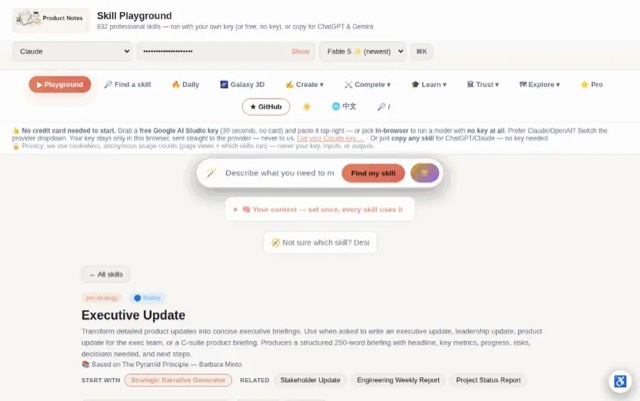
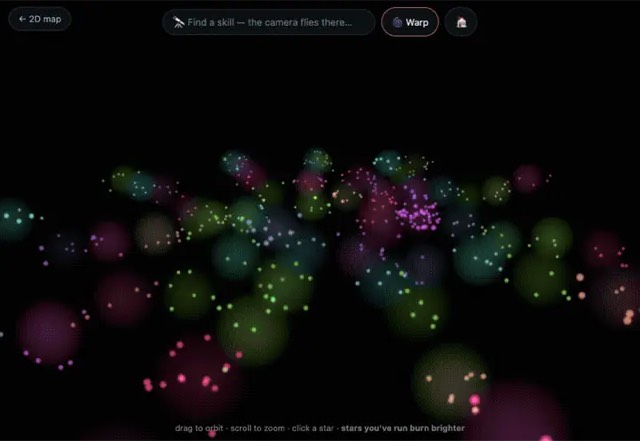
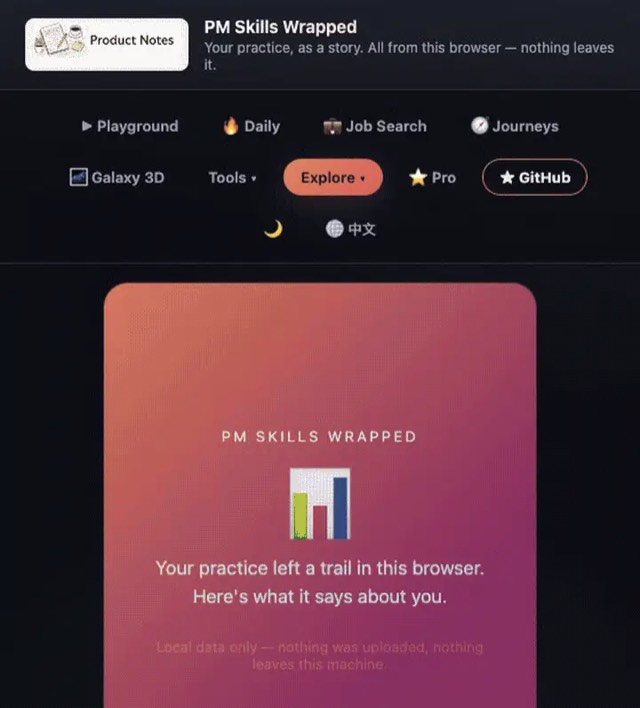
From the mohitagw15856/pm-claude-skills README — shows the whole collection, not only this skill. · view on GitHub
How to use it
Claude Code
- Run the line below. It pulls the whole folder into
~/.claude/skills/sales-battlecard. - Describe your job in plain words. Claude Code follows the skill from there.
npx degit mohitagw15856/pm-claude-skills/skills/sales-battlecard#main ~/.claude/skills/sales-battlecardFor one project only, change the path to .claude/skills/sales-battlecard.
Claude (web or desktop app)
- On this page open ⋯ → Download .md.
- Save it as SKILL.md in a folder, zip the folder, then Customize → Skills → + → Create skill → Upload a skill.
- Pick the file and Save. Claude shows the name and description and runs a security scan.
- Check the skill is switched on.
- Start a new chat and describe your job in plain words. The AI follows the skill from there.
ChatGPT or another app
- ChatGPT: make a Project and paste it into Instructions.
- Neither? Paste it at the top of a new chat — it works for that chat.
Not working?
- Check which app you pasted it into — the steps above name the right one.
- Some skills need the paid tier of Claude or ChatGPT.
Paste into Claude, ChatGPT or Cursor.
Source of Sales Battlecard Skill
Show the full text97 lines
| name | description |
|---|---|
| sales-battlecard | Create a competitive sales battlecard for any competitor. Use when asked to build a battlecard, competitive comparison, sales cheat sheet, or objection handling guide for a specific competitor. Produces a one-page battlecard with positioning, differentiators, objection responses, and landmines. |
Sales Battlecard Skill
Produces a practical one-page competitive battlecard that sales reps can use in calls — not a theoretical analysis.
Required Inputs
- Your product/company
- Competitor name
- Your target customer (ICP)
- Your top 3 differentiators vs this competitor
- Common objections when competing against them
- Known competitor weaknesses
Output Structure
Battlecard: [Your Product] vs [Competitor]
Updated: [Date] — Review quarterly
In One Sentence
When a prospect mentions [Competitor], say: "[Your positioning in one sentence]"
Why Customers Choose [Competitor]
(Be honest about their genuine strengths)
- [Strength 1]
- [Strength 2]
Why Customers Choose Us
(Specific differentiators with proof points)
- [Differentiator 1]: [Proof point — customer outcome or capability]
- [Differentiator 2]: [Proof point]
Objection Responses
"[Competitor] is cheaper" "You are right their list price is lower. What our customers find is [specific TCO difference]. [Customer] saw [result]. Should we explore total cost of ownership?"
"We already use [Competitor]" "That is helpful. What is working well? [Listen] And what is one thing you wish was better?"
"[Competitor] has [feature] you do not" "You are right. What problem are you solving with that feature? [Listen] Here is how our customers solve that..."
Landmines to Plant
- "How do you currently handle [area where competitor is weak]?"
- "What happens when you need to [scenario competitor struggles with]?"
Traps to Avoid
- Never badmouth [Competitor] directly
- Do not lead with features — lead with the prospect problem
- Do not claim you do everything better — be specific about where you win
When We Win / When We Lose
We win when: [Scenario — e.g. customer prioritises outcome over price] We lose when: [Honest scenario — e.g. primary driver is lowest upfront cost]
Quality Checks
- Competitor strengths are listed honestly (not minimised)
- Differentiators have proof points (not just claims)
- Objection responses are conversational (not scripted-sounding)
- Landmine questions are natural and non-confrontational
- "When we lose" is included and honest
- Battlecard has a review date
Example Trigger Phrases
- "Build a battlecard against [competitor]"
- "Create a competitive cheat sheet for [competitor]"
- "Write objection handling for [competitor] comparisons"
Anti-Patterns
- Do not minimise or ignore genuine competitor strengths — sales reps who encounter them unprepared lose credibility
- Do not write differentiators without proof points — a claim without evidence is marketing, not a battlecard
- Do not make the battlecard exhaustive — it is a one-page cheat sheet, not a full competitive analysis
- Do not include a "When we lose" section that is dishonestly optimistic — honest loss scenarios build rep trust
- Do not skip the review date — an outdated battlecard with wrong information is worse than no battlecard
| 1 | |
| 2 | name sales-battlecard |
| 3 | description "Create a competitive sales battlecard for any competitor. Use when asked to build a battlecard, competitive comparison, sales cheat sheet, or objection handling guide for a specific competitor. Produces a one-page battlecard with positioning, differentiators, objection responses, and landmines." |
| 4 | |
| 5 | |
| 6 | # Sales Battlecard Skill |
| 7 | |
| 8 | Produces a practical one-page competitive battlecard that sales reps can use in calls — not a theoretical analysis. |
| 9 | |
| 10 | ## Required Inputs |
| 11 | **Your product/company** |
| 12 | **Competitor name** |
| 13 | **Your target customer** (ICP) |
| 14 | **Your top 3 differentiators** vs this competitor |
| 15 | **Common objections** when competing against them |
| 16 | **Known competitor weaknesses** |
| 17 | |
| 18 | ## Output Structure |
| 19 | |
| 20 | |
| 21 | |
| 22 | # Battlecard: [Your Product] vs [Competitor] |
| 23 | Updated: [Date] — Review quarterly |
| 24 | |
| 25 | |
| 26 | |
| 27 | ### In One Sentence |
| 28 | When a prospect mentions [Competitor], say: "[Your positioning in one sentence]" |
| 29 | |
| 30 | |
| 31 | |
| 32 | ### Why Customers Choose [Competitor] |
| 33 | (Be honest about their genuine strengths) |
| 34 | [Strength 1] |
| 35 | [Strength 2] |
| 36 | |
| 37 | |
| 38 | |
| 39 | ### Why Customers Choose Us |
| 40 | (Specific differentiators with proof points) |
| 41 | **[Differentiator 1]:** [Proof point — customer outcome or capability] |
| 42 | **[Differentiator 2]:** [Proof point] |
| 43 | |
| 44 | |
| 45 | |
| 46 | ### Objection Responses |
| 47 | |
| 48 | **"[Competitor] is cheaper"** |
| 49 | "You are right their list price is lower. What our customers find is [specific TCO difference]. [Customer] saw [result]. Should we explore total cost of ownership?" |
| 50 | |
| 51 | **"We already use [Competitor]"** |
| 52 | "That is helpful. What is working well? [Listen] And what is one thing you wish was better?" |
| 53 | |
| 54 | **"[Competitor] has [feature] you do not"** |
| 55 | "You are right. What problem are you solving with that feature? [Listen] Here is how our customers solve that..." |
| 56 | |
| 57 | |
| 58 | |
| 59 | ### Landmines to Plant |
| 60 | "How do you currently handle [area where competitor is weak]?" |
| 61 | "What happens when you need to [scenario competitor struggles with]?" |
| 62 | |
| 63 | |
| 64 | |
| 65 | ### Traps to Avoid |
| 66 | Never badmouth [Competitor] directly |
| 67 | Do not lead with features — lead with the prospect problem |
| 68 | Do not claim you do everything better — be specific about where you win |
| 69 | |
| 70 | |
| 71 | |
| 72 | ### When We Win / When We Lose |
| 73 | We win when: [Scenario — e.g. customer prioritises outcome over price] |
| 74 | We lose when: [Honest scenario — e.g. primary driver is lowest upfront cost] |
| 75 | |
| 76 | ## Quality Checks |
| 77 | |
| 78 | [ ] Competitor strengths are listed honestly (not minimised) |
| 79 | [ ] Differentiators have proof points (not just claims) |
| 80 | [ ] Objection responses are conversational (not scripted-sounding) |
| 81 | [ ] Landmine questions are natural and non-confrontational |
| 82 | [ ] "When we lose" is included and honest |
| 83 | [ ] Battlecard has a review date |
| 84 | |
| 85 | ## Example Trigger Phrases |
| 86 | "Build a battlecard against [competitor]" |
| 87 | "Create a competitive cheat sheet for [competitor]" |
| 88 | "Write objection handling for [competitor] comparisons" |
| 89 | |
| 90 | ## Anti-Patterns |
| 91 | |
| 92 | [ ] Do not minimise or ignore genuine competitor strengths — sales reps who encounter them unprepared lose credibility |
| 93 | [ ] Do not write differentiators without proof points — a claim without evidence is marketing, not a battlecard |
| 94 | [ ] Do not make the battlecard exhaustive — it is a one-page cheat sheet, not a full competitive analysis |
| 95 | [ ] Do not include a "When we lose" section that is dishonestly optimistic — honest loss scenarios build rep trust |
| 96 | [ ] Do not skip the review date — an outdated battlecard with wrong information is worse than no battlecard |
| 97 |
Discussion
Browse more free Claude skills or everything in Product.