PR Description Writer Skill
Write a clear, structured pull request description from a git diff, branch summary, or commit list.
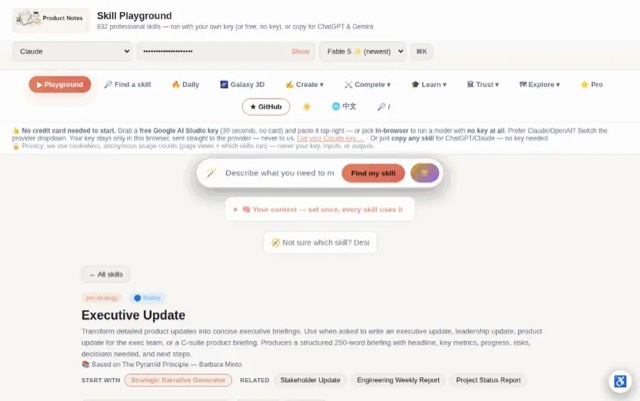
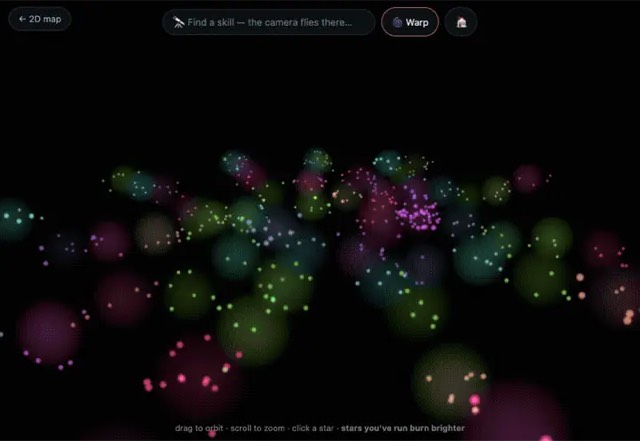
From the mohitagw15856/pm-claude-skills README — shows the whole collection, not only this skill. · view on GitHub
How to use it
Claude Code
- Run the line below. It pulls the whole folder into
~/.claude/skills/pr-description-writer. - Describe your job in plain words. Claude Code follows the skill from there.
npx degit mohitagw15856/pm-claude-skills/skills/pr-description-writer#main ~/.claude/skills/pr-description-writerFor one project only, change the path to .claude/skills/pr-description-writer.
Claude (web or desktop app)
- On this page open ⋯ → Download .md.
- Save it as SKILL.md in a folder, zip the folder, then Customize → Skills → + → Create skill → Upload a skill.
- Pick the file and Save. Claude shows the name and description and runs a security scan.
- Check the skill is switched on.
- Start a new chat and describe your job in plain words. The AI follows the skill from there.
ChatGPT or another app
- ChatGPT: make a Project and paste it into Instructions.
- Neither? Paste it at the top of a new chat — it works for that chat.
Not working?
- Check which app you pasted it into — the steps above name the right one.
- Some skills need the paid tier of Claude or ChatGPT.
Paste into Claude, ChatGPT or Cursor.
Source of PR Description Writer Skill
Show the full text119 lines
| name | description | deprecated | supersededBy |
|---|---|---|---|
| pr-description-writer | Write a clear, structured pull request description from a git diff, branch summary, or commit list. Use when asked to write a PR description, draft a pull request, or document code changes. Produces a description with summary, motivation, changes made, testing steps, and reviewer guidance. | 2026-08-21 | pr-description |
PR Description Writer Skill
Writes structured, reviewer-friendly pull request descriptions from a diff, commit list, or informal notes. Covers the what, why, and how-to-review so reviewers can start immediately.
Required Inputs
Ask for these if not provided:
- What changed (paste a git diff,
git log --oneline, or describe the changes in plain English) - Why it was changed (the problem being solved or feature being added)
- How to test it (any specific steps a reviewer needs to verify it works)
- Risk level (low / medium / high — affects how much reviewer guidance to include)
- PR type (feature / bug fix / refactor / dependency upgrade / config change / hotfix)
- Target branch (e.g. main / develop / release/2.4 — affects risk framing and reviewer guidance)
- Linked issue or ticket (e.g. JIRA-1234, GitHub #567 — or "none")
Output Format
Title
A clear, imperative-mood title under 72 characters:
[type]: [concise description of what changed]
Examples:
feat: add rate limiting to the public APIfix: resolve race condition in session expiryrefactor: extract payment logic into PaymentService
Summary
2–3 sentences covering:
- What this PR does (the change)
- Why it was needed (the problem or goal)
- The approach taken (at a high level)
Changes Made
Bullet list of specific changes — one bullet per logical change, not per file:
- Added [X] to handle [Y]
- Refactored [A] to reduce [B]
- Removed [C] as it was replaced by [D]
- Updated [E] to fix [F]
Screenshots / Demo
[If UI change: include before/after screenshots or a screen recording] [If API change: include example request/response] [If no visual change and no API contract change: omit this section entirely — do not leave it as a placeholder]
How to Test
Step-by-step instructions a reviewer can follow:
- [Setup step if needed]
- [Action to take]
- [What to verify]
- [Edge case to check]
Include any specific commands, test data, or environment flags needed.
Testing Checklist
- Unit tests added/updated
- Integration tests added/updated
- Edge cases covered
- Manual testing completed
- No regressions in existing tests
Reviewer Notes
Flag anything that warrants extra attention:
- Areas of uncertainty where a second opinion is welcome
- Deliberate trade-offs made (and why)
- Out-of-scope items noticed but not addressed
- Dependencies on other PRs (link them)
Related
- Closes #[issue number] (if applicable)
- Related to #[PR/issue number]
Deeper Materials
This skill ships with support files — use them when they are available:
references/reviewer-empathy.md— PR Descriptions as Review Navigation. Apply it while producing the output; it carries the calibration and judgment calls the method summary above compresses.templates/pr-template.md— a fill-in version of the deliverable with the quality gates inline. Offer it when the user wants to work the document themselves rather than have it generated.
Scoring Rubric (0–40)
Score any output of this skill before handing it over; 32+ is ship-quality.
| Dimension | 0 | 5 | 10 |
|---|---|---|---|
| Why over what | Description only restates the diff; no motivation given | The what is clear, but the why is thin or generic ("improves the code") | Problem, goal, and approach are explicit; the description adds context the diff cannot convey |
| Title & structure | Single unstructured paragraph; title vague, missing a type prefix, or over 72 characters | Structured with headers, but the title or section usage slips (placeholder sections left in) | Valid type prefix, imperative mood, under 72 characters; sections let a reviewer navigate straight to what they need |
| Testing reproducibility | No testing steps | Steps exist but assume codebase familiarity or skip edge cases | Someone unfamiliar with the code can reproduce verification — commands, test data, flags, and at least one edge case included |
| Risk-calibrated reviewer guidance | High-risk PR with no reviewer notes, or notes that are pure boilerplate | Notes exist but name no specific trade-off, uncertainty, or out-of-scope item | Guidance matches risk: high-risk flags specific concerns and deliberate trade-offs; low-risk keeps notes to one line or omits them |
Quality Checks
- Title is imperative mood and under 72 characters
- Summary explains what AND why (not just what)
- Changes list describes logical changes (not file-by-file changes)
- Title starts with a valid type prefix (feat / fix / refactor / chore / deps / config / hotfix) and is under 72 characters
- Testing steps are reproducible by someone unfamiliar with the code
- For high-risk PRs, Reviewer Notes flags at least one specific area of concern or deliberate trade-off; for low-risk PRs, Reviewer Notes is either omitted or kept to one line
Anti-Patterns
- Do not write a description that only restates what changed — explain why the change was made
- Do not skip the testing steps — reviewers need to know how to verify the change works
- Do not omit the reviewer notes for high-risk PRs — flag deliberate trade-offs and areas needing careful review
- Do not describe implementation details that are obvious from the diff — add context that the diff cannot convey
- Do not produce a single paragraph — structure with headers so reviewers can navigate to what they need
Usage Examples
- "Write a PR description for these changes" + [paste diff or description]
- "Draft a pull request for [feature]"
- "I need a PR description — here's what I changed"
- "Summarise these commits into a PR description"
- "Write the PR body for this branch"
| 1 | |
| 2 | name pr-description-writer |
| 3 | description "Write a clear, structured pull request description from a git diff, branch summary, or commit list. Use when asked to write a PR description, draft a pull request, or document code changes. Produces a description with summary, motivation, changes made, testing steps, and reviewer guidance." |
| 4 | deprecated 2026-08-21 |
| 5 | supersededBy pr-description |
| 6 | |
| 7 | |
| 8 | # PR Description Writer Skill |
| 9 | |
| 10 | Writes structured, reviewer-friendly pull request descriptions from a diff, commit list, or informal notes. Covers the what, why, and how-to-review so reviewers can start immediately. |
| 11 | |
| 12 | ## Required Inputs |
| 13 | |
| 14 | Ask for these if not provided: |
| 15 | **What changed** (paste a git diff, `git log --oneline`, or describe the changes in plain English) |
| 16 | **Why it was changed** (the problem being solved or feature being added) |
| 17 | **How to test it** (any specific steps a reviewer needs to verify it works) |
| 18 | **Risk level** (low / medium / high — affects how much reviewer guidance to include) |
| 19 | **PR type** (feature / bug fix / refactor / dependency upgrade / config change / hotfix) |
| 20 | **Target branch** (e.g. main / develop / release/2.4 — affects risk framing and reviewer guidance) |
| 21 | **Linked issue or ticket** (e.g. JIRA-1234, GitHub #567 — or "none") |
| 22 | |
| 23 | ## Output Format |
| 24 | |
| 25 | ### Title |
| 26 | A clear, imperative-mood title under 72 characters: |
| 27 | `[type]: [concise description of what changed]` |
| 28 | |
| 29 | Examples: |
| 30 | `feat: add rate limiting to the public API` |
| 31 | `fix: resolve race condition in session expiry` |
| 32 | `refactor: extract payment logic into PaymentService` |
| 33 | |
| 34 | ### Summary |
| 35 | 2–3 sentences covering: |
| 36 | What this PR does (the change) |
| 37 | Why it was needed (the problem or goal) |
| 38 | The approach taken (at a high level) |
| 39 | |
| 40 | ### Changes Made |
| 41 | Bullet list of specific changes — one bullet per logical change, not per file: |
| 42 | Added [X] to handle [Y] |
| 43 | Refactored [A] to reduce [B] |
| 44 | Removed [C] as it was replaced by [D] |
| 45 | Updated [E] to fix [F] |
| 46 | |
| 47 | ### Screenshots / Demo |
| 48 | [If UI change: include before/after screenshots or a screen recording] |
| 49 | [If API change: include example request/response] |
| 50 | [If no visual change and no API contract change: omit this section entirely — do not leave it as a placeholder] |
| 51 | |
| 52 | ### How to Test |
| 53 | Step-by-step instructions a reviewer can follow: |
| 54 | [Setup step if needed] |
| 55 | [Action to take] |
| 56 | [What to verify] |
| 57 | [Edge case to check] |
| 58 | |
| 59 | Include any specific commands, test data, or environment flags needed. |
| 60 | |
| 61 | ### Testing Checklist |
| 62 | [ ] Unit tests added/updated |
| 63 | [ ] Integration tests added/updated |
| 64 | [ ] Edge cases covered |
| 65 | [ ] Manual testing completed |
| 66 | [ ] No regressions in existing tests |
| 67 | |
| 68 | ### Reviewer Notes |
| 69 | Flag anything that warrants extra attention: |
| 70 | Areas of uncertainty where a second opinion is welcome |
| 71 | Deliberate trade-offs made (and why) |
| 72 | Out-of-scope items noticed but not addressed |
| 73 | Dependencies on other PRs (link them) |
| 74 | |
| 75 | ### Related |
| 76 | Closes #[issue number] (if applicable) |
| 77 | Related to #[PR/issue number] |
| 78 | |
| 79 | ## Deeper Materials |
| 80 | |
| 81 | This skill ships with support files — use them when they are available: |
| 82 | |
| 83 | **`references/reviewer-empathy.md`** — PR Descriptions as Review Navigation. Apply it while producing the output; it carries the calibration and judgment calls the method summary above compresses. |
| 84 | **`templates/pr-template.md`** — a fill-in version of the deliverable with the quality gates inline. Offer it when the user wants to work the document themselves rather than have it generated. |
| 85 | |
| 86 | ## Scoring Rubric (0–40) |
| 87 | |
| 88 | Score any output of this skill before handing it over; 32+ is ship-quality. |
| 89 | |
| 90 | | Dimension | 0 | 5 | 10 | |
| 91 | |---|---|---|---| |
| 92 | | **Why over what** | Description only restates the diff; no motivation given | The what is clear, but the why is thin or generic ("improves the code") | Problem, goal, and approach are explicit; the description adds context the diff cannot convey | |
| 93 | | **Title & structure** | Single unstructured paragraph; title vague, missing a type prefix, or over 72 characters | Structured with headers, but the title or section usage slips (placeholder sections left in) | Valid type prefix, imperative mood, under 72 characters; sections let a reviewer navigate straight to what they need | |
| 94 | | **Testing reproducibility** | No testing steps | Steps exist but assume codebase familiarity or skip edge cases | Someone unfamiliar with the code can reproduce verification — commands, test data, flags, and at least one edge case included | |
| 95 | | **Risk-calibrated reviewer guidance** | High-risk PR with no reviewer notes, or notes that are pure boilerplate | Notes exist but name no specific trade-off, uncertainty, or out-of-scope item | Guidance matches risk: high-risk flags specific concerns and deliberate trade-offs; low-risk keeps notes to one line or omits them | |
| 96 | |
| 97 | ## Quality Checks |
| 98 | [ ] Title is imperative mood and under 72 characters |
| 99 | [ ] Summary explains what AND why (not just what) |
| 100 | [ ] Changes list describes logical changes (not file-by-file changes) |
| 101 | [ ] Title starts with a valid type prefix (feat / fix / refactor / chore / deps / config / hotfix) and is under 72 characters |
| 102 | [ ] Testing steps are reproducible by someone unfamiliar with the code |
| 103 | [ ] For high-risk PRs, Reviewer Notes flags at least one specific area of concern or deliberate trade-off; for low-risk PRs, Reviewer Notes is either omitted or kept to one line |
| 104 | |
| 105 | ## Anti-Patterns |
| 106 | |
| 107 | [ ] Do not write a description that only restates what changed — explain why the change was made |
| 108 | [ ] Do not skip the testing steps — reviewers need to know how to verify the change works |
| 109 | [ ] Do not omit the reviewer notes for high-risk PRs — flag deliberate trade-offs and areas needing careful review |
| 110 | [ ] Do not describe implementation details that are obvious from the diff — add context that the diff cannot convey |
| 111 | [ ] Do not produce a single paragraph — structure with headers so reviewers can navigate to what they need |
| 112 | |
| 113 | ## Usage Examples |
| 114 | "Write a PR description for these changes" + [paste diff or description] |
| 115 | "Draft a pull request for [feature]" |
| 116 | "I need a PR description — here's what I changed" |
| 117 | "Summarise these commits into a PR description" |
| 118 | "Write the PR body for this branch" |
| 119 |
Discussion
Browse more free Claude skills or everything in Development.