Email Campaign Skill
Write and sequence multi-email nurture or launch campaigns.
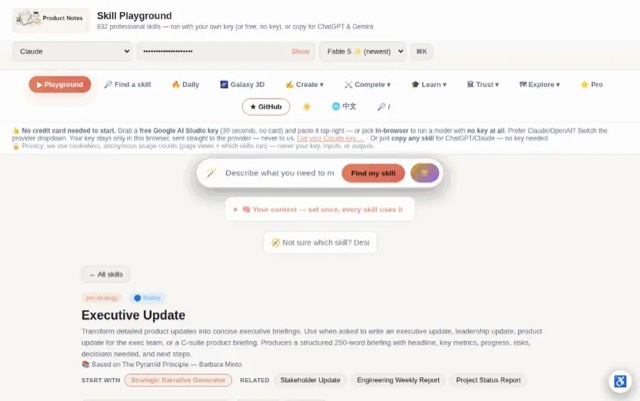
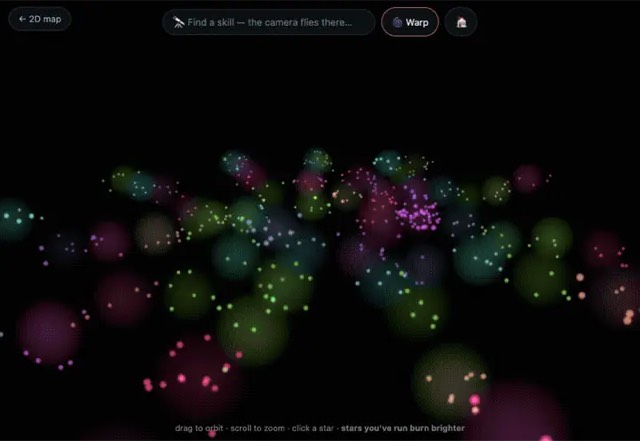
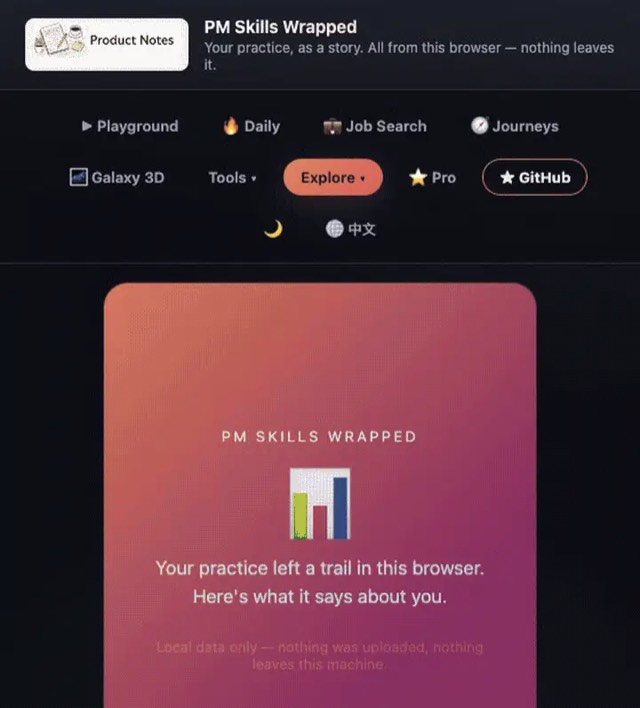
From the mohitagw15856/pm-claude-skills README — shows the whole collection, not only this skill. · view on GitHub
How to use it
Claude Code
- Run the line below. It pulls the whole folder into
~/.claude/skills/email-campaign-2. - Describe your job in plain words. Claude Code follows the skill from there.
npx degit mohitagw15856/pm-claude-skills/skills/email-campaign#main ~/.claude/skills/email-campaign-2For one project only, change the path to .claude/skills/email-campaign-2.
Claude (web or desktop app)
- On this page open ⋯ → Download .md.
- Save it as SKILL.md in a folder, zip the folder, then Customize → Skills → + → Create skill → Upload a skill.
- Pick the file and Save. Claude shows the name and description and runs a security scan.
- Check the skill is switched on.
- Start a new chat and describe your job in plain words. The AI follows the skill from there.
ChatGPT or another app
- ChatGPT: make a Project and paste it into Instructions.
- Neither? Paste it at the top of a new chat — it works for that chat.
Not working?
- Check which app you pasted it into — the steps above name the right one.
- Some skills need the paid tier of Claude or ChatGPT.
Paste into Claude, ChatGPT or Cursor.
Source of Email Campaign Skill
Show the full text87 lines
| name | description |
|---|---|
| email-campaign | Write and sequence multi-email nurture or launch campaigns. Use when asked for an email sequence, drip campaign, onboarding emails, product launch emails, or nurture flow. Produces subject lines, preview text, full email body, and send-timing recommendations for each email in the sequence. |
Email Campaign Skill
This skill writes complete, sequenced email campaigns — from welcome flows to product launches to re-engagement sequences. Each email is written with subject line, preview text, full body copy, and CTA.
Required Inputs
Ask the user for these if not provided:
- Campaign goal (onboard new users / launch a product / nurture leads / re-engage churned users / announce a feature)
- Audience (who receives this? job title, lifecycle stage, what they know already)
- Product or offer being promoted or introduced
- Number of emails in sequence (if unsure, recommend based on goal)
- Tone (professional / conversational / bold / educational)
- Sender name (person or brand?)
Sequence Recommendations by Goal
If the user hasn't specified number of emails, use these defaults:
- Onboarding: 4 emails over 7 days (Day 0, Day 1, Day 3, Day 7)
- Product launch: 3 emails (Teaser → Launch Day → Follow-up/Last chance)
- Lead nurture: 5 emails over 2 weeks
- Re-engagement: 3 emails (Gentle nudge → Value reminder → Final offer)
- Feature announcement: 2 emails (Announcement → How-to/deep dive)
Output Structure Per Email
For every email in the sequence, produce:
Email [N] of [Total] — [Descriptive label e.g. "Welcome / Day 0"] Send timing: [When relative to trigger event or previous email]
Subject line: [Primary option] Subject line (A/B variant): [Alternative to test] Preview text: [40–90 characters — adds context to the subject, doesn't repeat it]
Body:
[Full email copy — formatted with clear opening line, 2–3 body paragraphs, one primary CTA]
CTA button text: [3–6 words] CTA destination: [What page/action this should link to]
Strategic note: [Why this email does what it does — the psychological or strategic intent. 1–2 sentences.]
Writing Rules
- Opening line must earn attention — no "Hi, welcome to [product]" openers
- Each email has ONE primary CTA — never two competing asks
- Keep paragraphs to 2–3 sentences maximum for mobile readability
- Use "you" more than "we" — centre the reader, not the brand
- Subject lines under 50 characters perform best on mobile — flag if going over
- Preview text should add information the subject doesn't — never just repeat it
- Every email should stand alone — assume some subscribers miss earlier emails
Quality Checks
- Each email has a single clear CTA
- Subject lines are under 50 characters (or flagged)
- Preview text doesn't repeat the subject line
- Opening line is specific and attention-earning
- Sequence has logical narrative arc (doesn't feel like disconnected blasts)
- Tone is consistent across all emails
- Strategic notes explain the intent of each email
Anti-Patterns
- Do not include more than one primary CTA per email — competing calls to action reduce click-through by splitting attention
- Do not open with "Hi, welcome to [product]" or any variation of a generic greeting — the opening line must earn attention immediately or recipients stop reading
- Do not write preview text that repeats the subject line — preview text is a second chance to earn the open, not a repeat of the first chance
- Do not write a sequence where each email restates the same value proposition — each email must advance the narrative or serve a distinct purpose in the buyer's journey
- Do not assume all subscribers receive all emails — each email must stand alone for subscribers who missed earlier messages in the sequence
Example Trigger Phrases
- "Write a 3-email launch sequence for [product]"
- "Build an onboarding email flow for [SaaS tool]"
- "Create a drip campaign to nurture leads for [offer]"
- "Write a re-engagement campaign for churned users"
| 1 | |
| 2 | name email-campaign |
| 3 | description "Write and sequence multi-email nurture or launch campaigns. Use when asked for an email sequence, drip campaign, onboarding emails, product launch emails, or nurture flow. Produces subject lines, preview text, full email body, and send-timing recommendations for each email in the sequence." |
| 4 | |
| 5 | |
| 6 | # Email Campaign Skill |
| 7 | |
| 8 | This skill writes complete, sequenced email campaigns — from welcome flows to product launches to re-engagement sequences. Each email is written with subject line, preview text, full body copy, and CTA. |
| 9 | |
| 10 | ## Required Inputs |
| 11 | |
| 12 | Ask the user for these if not provided: |
| 13 | **Campaign goal** (onboard new users / launch a product / nurture leads / re-engage churned users / announce a feature) |
| 14 | **Audience** (who receives this? job title, lifecycle stage, what they know already) |
| 15 | **Product or offer** being promoted or introduced |
| 16 | **Number of emails in sequence** (if unsure, recommend based on goal) |
| 17 | **Tone** (professional / conversational / bold / educational) |
| 18 | **Sender name** (person or brand?) |
| 19 | |
| 20 | ## Sequence Recommendations by Goal |
| 21 | |
| 22 | If the user hasn't specified number of emails, use these defaults: |
| 23 | **Onboarding:** 4 emails over 7 days (Day 0, Day 1, Day 3, Day 7) |
| 24 | **Product launch:** 3 emails (Teaser → Launch Day → Follow-up/Last chance) |
| 25 | **Lead nurture:** 5 emails over 2 weeks |
| 26 | **Re-engagement:** 3 emails (Gentle nudge → Value reminder → Final offer) |
| 27 | **Feature announcement:** 2 emails (Announcement → How-to/deep dive) |
| 28 | |
| 29 | ## Output Structure Per Email |
| 30 | |
| 31 | For every email in the sequence, produce: |
| 32 | |
| 33 | |
| 34 | |
| 35 | **Email [N] of [Total] — [Descriptive label e.g. "Welcome / Day 0"]** |
| 36 | **Send timing:** [When relative to trigger event or previous email] |
| 37 | |
| 38 | **Subject line:** [Primary option] |
| 39 | **Subject line (A/B variant):** [Alternative to test] |
| 40 | **Preview text:** [40–90 characters — adds context to the subject, doesn't repeat it] |
| 41 | |
| 42 | **Body:** |
| 43 | |
| 44 | [Full email copy — formatted with clear opening line, 2–3 body paragraphs, one primary CTA] |
| 45 | |
| 46 | **CTA button text:** [3–6 words] |
| 47 | **CTA destination:** [What page/action this should link to] |
| 48 | |
| 49 | **Strategic note:** [Why this email does what it does — the psychological or strategic intent. 1–2 sentences.] |
| 50 | |
| 51 | |
| 52 | |
| 53 | ## Writing Rules |
| 54 | |
| 55 | Opening line must earn attention — no "Hi, welcome to [product]" openers |
| 56 | Each email has ONE primary CTA — never two competing asks |
| 57 | Keep paragraphs to 2–3 sentences maximum for mobile readability |
| 58 | Use "you" more than "we" — centre the reader, not the brand |
| 59 | Subject lines under 50 characters perform best on mobile — flag if going over |
| 60 | Preview text should add information the subject doesn't — never just repeat it |
| 61 | Every email should stand alone — assume some subscribers miss earlier emails |
| 62 | |
| 63 | ## Quality Checks |
| 64 | |
| 65 | [ ] Each email has a single clear CTA |
| 66 | [ ] Subject lines are under 50 characters (or flagged) |
| 67 | [ ] Preview text doesn't repeat the subject line |
| 68 | [ ] Opening line is specific and attention-earning |
| 69 | [ ] Sequence has logical narrative arc (doesn't feel like disconnected blasts) |
| 70 | [ ] Tone is consistent across all emails |
| 71 | [ ] Strategic notes explain the intent of each email |
| 72 | |
| 73 | ## Anti-Patterns |
| 74 | |
| 75 | [ ] Do not include more than one primary CTA per email — competing calls to action reduce click-through by splitting attention |
| 76 | [ ] Do not open with "Hi, welcome to [product]" or any variation of a generic greeting — the opening line must earn attention immediately or recipients stop reading |
| 77 | [ ] Do not write preview text that repeats the subject line — preview text is a second chance to earn the open, not a repeat of the first chance |
| 78 | [ ] Do not write a sequence where each email restates the same value proposition — each email must advance the narrative or serve a distinct purpose in the buyer's journey |
| 79 | [ ] Do not assume all subscribers receive all emails — each email must stand alone for subscribers who missed earlier messages in the sequence |
| 80 | |
| 81 | ## Example Trigger Phrases |
| 82 | |
| 83 | "Write a 3-email launch sequence for [product]" |
| 84 | "Build an onboarding email flow for [SaaS tool]" |
| 85 | "Create a drip campaign to nurture leads for [offer]" |
| 86 | "Write a re-engagement campaign for churned users" |
| 87 |
Discussion
Browse more free Claude skills or everything in Marketing.