Competitor Signal Tracker Skill
Analyse competitor moves and translate them into strategic implications for your product roadmap.
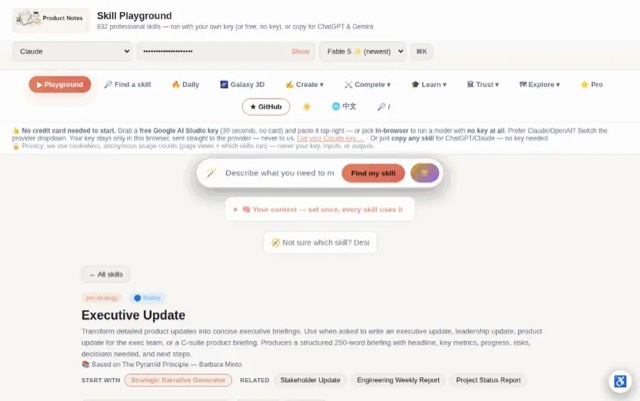
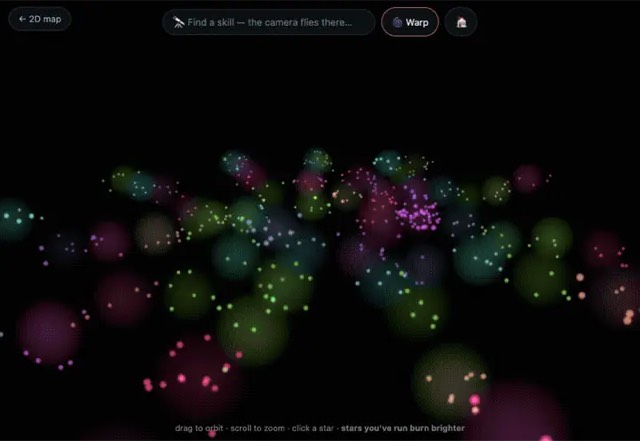
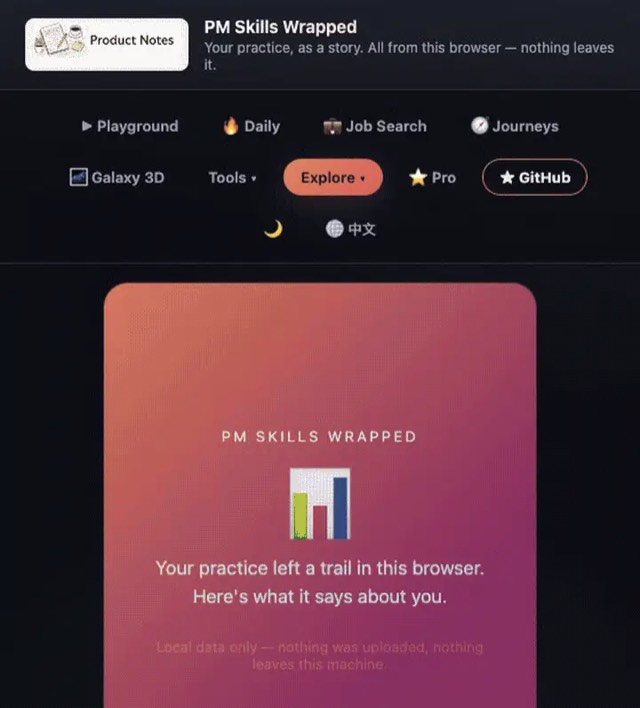
From the mohitagw15856/pm-claude-skills README — shows the whole collection, not only this skill. · view on GitHub
How to use it
Claude Code
- Run the line below. It pulls the whole folder into
~/.claude/skills/competitor-signal-tracker. - Describe your job in plain words. Claude Code follows the skill from there.
npx degit mohitagw15856/pm-claude-skills/skills/competitor-signal-tracker#main ~/.claude/skills/competitor-signal-trackerFor one project only, change the path to .claude/skills/competitor-signal-tracker.
Claude (web or desktop app)
- On this page open ⋯ → Download .md.
- Save it as SKILL.md in a folder, zip the folder, then Customize → Skills → + → Create skill → Upload a skill.
- Pick the file and Save. Claude shows the name and description and runs a security scan.
- Check the skill is switched on.
- Start a new chat and describe your job in plain words. The AI follows the skill from there.
ChatGPT or another app
- ChatGPT: make a Project and paste it into Instructions.
- Neither? Paste it at the top of a new chat — it works for that chat.
Not working?
- Check which app you pasted it into — the steps above name the right one.
- Some skills need the paid tier of Claude or ChatGPT.
Paste into Claude, ChatGPT or Cursor.
Source of Competitor Signal Tracker Skill
Show the full text61 lines
| name | description |
|---|---|
| competitor-signal-tracker | Analyse competitor moves and translate them into strategic implications for your product roadmap. Use when a competitor announces a new feature, pricing change, partnership, or strategic shift, or when producing a periodic competitive intelligence report. Produces a categorised signal analysis with reactive-vs-proactive assessment, threat ratings, specific roadmap implications, and recommended responses with owners. For a recurring whole-market briefing use competitive-intelligence-monitor instead. |
Competitor Signal Tracker Skill
Turn scattered competitor information into structured strategic intelligence — not just "what they did" but "what it means for us."
Required Inputs
Ask the user for these if not provided:
- Competitor name(s) and the signals/updates to analyse
- Your product's current roadmap or strategic priorities (to assess relevance)
- Time period the signals cover (this week, this month, etc.)
Signal Categories to Track
- Product signals: New features, removals, UX changes, beta programmes
- Pricing signals: Changes to tiers, free limits, enterprise terms
- Hiring signals: Job postings that reveal strategic bets (e.g., hiring ML engineers = AI investment)
- Partnership signals: Integrations, acquisitions, ecosystem moves
- Messaging signals: Changes in positioning, target audience, value proposition
Process
- For each competitor update provided, categorise the signal type
- Assess: Is this reactive (responding to market) or proactive (setting direction)?
- Rate strategic threat level: High / Medium / Low / Watch
- Connect to your roadmap: does this accelerate, validate, or challenge any of your bets?
- Recommend a response: Accelerate existing initiative / Deprioritise / Monitor / Investigate further
- Validate — Confirm every High threat has a specific recommended response with an owner. "Monitor" is not an acceptable response for High-rated threats.
Output Structure
Competitive Intelligence Report — [Date]
[Competitor Name]
Signal: [What they did] Signal Type: [Product / Pricing / Hiring / Partnership / Messaging] Reactive or Proactive: [assessment] Threat Level: [High / Medium / Low / Watch] Implication for Us: [Specific connection to our roadmap or strategy] Recommended Response: [Action + owner + timeline]
Strategic Summary
[2-3 sentences on the overall competitive landscape shift this period]
Anti-Patterns
- Do not rate a signal as High threat without explaining the specific roadmap item or customer segment it threatens — unjustified threat ratings lose credibility over time
- Do not treat a hiring signal as definitive proof of a strategic bet — hiring signals require corroboration from product, messaging, or pricing signals before acting on them
- Do not conflate a competitor's announcement with a competitor's shipped capability — press releases and blog posts often describe aspirations, not production features
- Do not recommend "accelerate existing initiative" for every High signal — sometimes the right response is to differentiate harder in an adjacent area rather than race the competitor directly
Quality Checks
- Every signal is categorised (not just described)
- Threat level is justified — not assigned arbitrarily
- High-threat signals have specific recommended responses (not "monitor")
- Implications connect to specific roadmap items or strategic bets
- Strategic summary gives a landscape-level view, not just a list of individual signals
| 1 | |
| 2 | name competitor-signal-tracker |
| 3 | description "Analyse competitor moves and translate them into strategic implications for your product roadmap. Use when a competitor announces a new feature, pricing change, partnership, or strategic shift, or when producing a periodic competitive intelligence report. Produces a categorised signal analysis with reactive-vs-proactive assessment, threat ratings, specific roadmap implications, and recommended responses with owners. For a recurring whole-market briefing use competitive-intelligence-monitor instead." |
| 4 | |
| 5 | |
| 6 | # Competitor Signal Tracker Skill |
| 7 | |
| 8 | Turn scattered competitor information into structured strategic intelligence — not just "what they did" but "what it means for us." |
| 9 | |
| 10 | ## Required Inputs |
| 11 | |
| 12 | Ask the user for these if not provided: |
| 13 | **Competitor name(s)** and the signals/updates to analyse |
| 14 | **Your product's current roadmap or strategic priorities** (to assess relevance) |
| 15 | **Time period** the signals cover (this week, this month, etc.) |
| 16 | |
| 17 | ## Signal Categories to Track |
| 18 | **Product signals:** New features, removals, UX changes, beta programmes |
| 19 | **Pricing signals:** Changes to tiers, free limits, enterprise terms |
| 20 | **Hiring signals:** Job postings that reveal strategic bets (e.g., hiring ML engineers = AI investment) |
| 21 | **Partnership signals:** Integrations, acquisitions, ecosystem moves |
| 22 | **Messaging signals:** Changes in positioning, target audience, value proposition |
| 23 | |
| 24 | ## Process |
| 25 | For each competitor update provided, categorise the signal type |
| 26 | Assess: Is this reactive (responding to market) or proactive (setting direction)? |
| 27 | Rate strategic threat level: High / Medium / Low / Watch |
| 28 | Connect to your roadmap: does this accelerate, validate, or challenge any of your bets? |
| 29 | Recommend a response: Accelerate existing initiative / Deprioritise / Monitor / Investigate further |
| 30 | **Validate** — Confirm every High threat has a specific recommended response with an owner. "Monitor" is not an acceptable response for High-rated threats. |
| 31 | |
| 32 | ## Output Structure |
| 33 | |
| 34 | ### Competitive Intelligence Report — [Date] |
| 35 | |
| 36 | #### [Competitor Name] |
| 37 | **Signal:** [What they did] |
| 38 | **Signal Type:** [Product / Pricing / Hiring / Partnership / Messaging] |
| 39 | **Reactive or Proactive:** [assessment] |
| 40 | **Threat Level:** [High / Medium / Low / Watch] |
| 41 | **Implication for Us:** [Specific connection to our roadmap or strategy] |
| 42 | **Recommended Response:** [Action + owner + timeline] |
| 43 | |
| 44 | #### Strategic Summary |
| 45 | [2-3 sentences on the overall competitive landscape shift this period] |
| 46 | |
| 47 | ## Anti-Patterns |
| 48 | |
| 49 | [ ] Do not rate a signal as High threat without explaining the specific roadmap item or customer segment it threatens — unjustified threat ratings lose credibility over time |
| 50 | [ ] Do not treat a hiring signal as definitive proof of a strategic bet — hiring signals require corroboration from product, messaging, or pricing signals before acting on them |
| 51 | [ ] Do not conflate a competitor's announcement with a competitor's shipped capability — press releases and blog posts often describe aspirations, not production features |
| 52 | [ ] Do not recommend "accelerate existing initiative" for every High signal — sometimes the right response is to differentiate harder in an adjacent area rather than race the competitor directly |
| 53 | |
| 54 | ## Quality Checks |
| 55 | |
| 56 | [ ] Every signal is categorised (not just described) |
| 57 | [ ] Threat level is justified — not assigned arbitrarily |
| 58 | [ ] High-threat signals have specific recommended responses (not "monitor") |
| 59 | [ ] Implications connect to specific roadmap items or strategic bets |
| 60 | [ ] Strategic summary gives a landscape-level view, not just a list of individual signals |
| 61 |
Discussion
Browse more free Claude skills or everything in Product.