Competitive Intelligence Monitor Skill
Monitor competitor signals and surface strategic implications for your roadmap.
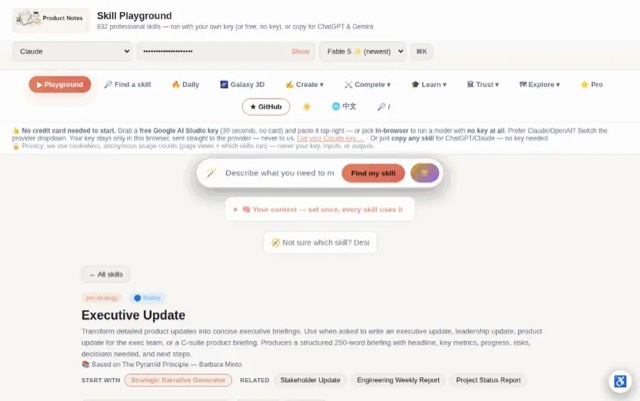
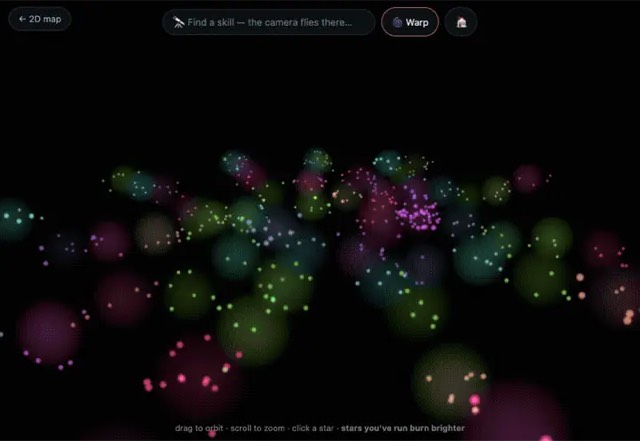
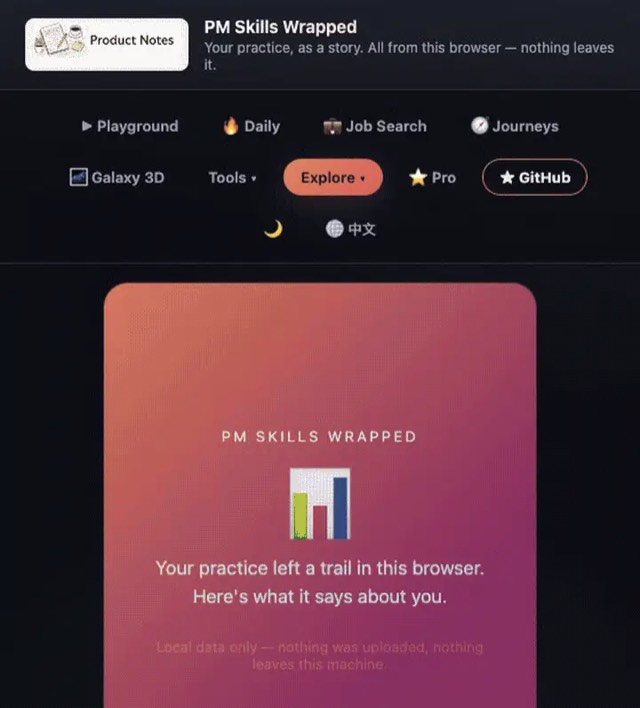
From the mohitagw15856/pm-claude-skills README — shows the whole collection, not only this skill. · view on GitHub
How to use it
Claude Code
- Run the line below. It pulls the whole folder into
~/.claude/skills/competitive-intelligence-monitor. - Describe your job in plain words. Claude Code follows the skill from there.
npx degit mohitagw15856/pm-claude-skills/skills/competitive-intelligence-monitor#main ~/.claude/skills/competitive-intelligence-monitorFor one project only, change the path to .claude/skills/competitive-intelligence-monitor.
Claude (web or desktop app)
- On this page open ⋯ → Download .md.
- Save it as SKILL.md in a folder, zip the folder, then Customize → Skills → + → Create skill → Upload a skill.
- Pick the file and Save. Claude shows the name and description and runs a security scan.
- Check the skill is switched on.
- Start a new chat and describe your job in plain words. The AI follows the skill from there.
ChatGPT or another app
- ChatGPT: make a Project and paste it into Instructions.
- Neither? Paste it at the top of a new chat — it works for that chat.
Not working?
- Check which app you pasted it into — the steps above name the right one.
- Some skills need the paid tier of Claude or ChatGPT.
Paste into Claude, ChatGPT or Cursor.
Source of Competitive Intelligence Monitor Skill
Show the full text73 lines
| name | description |
|---|---|
| competitive-intelligence-monitor | Monitor competitor signals and surface strategic implications for your roadmap. Use when asked to monitor competitors, track the competitive landscape, produce a competitive briefing, or understand what has changed in the market this week or month. Produces a structured intelligence brief with high/medium/low priority signals, roadmap implications, and a strategic landscape summary. For a single competitor announcement use competitor-signal-tracker; for a one-off deep dive use competitor-teardown. |
Competitive Intelligence Monitor Skill
Turn scattered competitor updates into structured weekly intelligence — not just "what they did" but "what changed since last week and what it means for us."
Required Inputs
Ask the user for these if not provided:
- Competitors to monitor (list of company names)
- Your current roadmap or strategic priorities (to assess relevance of signals)
- Previous brief or last run summary (for diff mode — what's new vs. last time)
- Time period (this week, this month)
Signal Categories to Monitor
- Product signals: New features, removals, UX changes, beta programmes
- Pricing signals: Changes to tiers, free limits, enterprise terms
- Hiring signals: Job postings revealing strategic bets
- Partnership signals: Integrations, acquisitions, ecosystem moves
- Messaging signals: Changes in positioning, audience, value proposition
Process
First Run (Full Report)
- For each competitor provided, scan all five signal categories
- Categorise each signal found
- Assess: reactive (responding to market) or proactive (setting direction)?
- Rate threat level: High / Medium / Low / Watch
- Connect each signal to a specific item on the provided roadmap
- Recommend response: Accelerate / Deprioritise / Monitor / Investigate
- Validate — Every High signal must have a specific recommended action and owner. "Monitor" is only acceptable for Low and Watch ratings.
Subsequent Runs (Diff Only)
- Compare current signals against previous run summary
- Output ONLY what is new or changed since last run
- Flag if a previously Low signal has escalated to High
- Keep output under 300 words — brevity is the point
Output Structure
Competitive Intelligence Brief — [Date]
New Since Last Run: [n signals]
🔴 High Priority
[Competitor]: [Signal] → [Implication] → [Recommended action + owner]
🟡 Watch
[Competitor]: [Signal] → [Why it matters now]
✅ No Change
[Competitors with no new signals this week]
This Week's Strategic Summary: [2 sentences max — what is the overall competitive landscape doing?]
Anti-Patterns
- Do not mark a signal as Low priority simply because it is new and unfamiliar — unknown competitive moves often deserve investigation before dismissal
- Do not provide "monitor" as the recommended response for a High-priority signal — High signals require a specific action with a named owner
- Do not include signals from competitors that are not relevant to the stated roadmap or strategic priorities — noise reduces the brief's usefulness and trains the team to ignore it
- Do not produce a diff-mode brief that is longer than the full report — if the diff output exceeds 300 words, it is a full report, not a diff
Quality Checks
- Every High-priority signal has a specific response action and owner
- Signals are categorised (not just listed as "they did X")
- Roadmap connections are specific (not "generally relevant")
- Diff mode output is under 300 words
- Strategic summary describes the landscape trend, not just repeats individual signals
| 1 | |
| 2 | name competitive-intelligence-monitor |
| 3 | description "Monitor competitor signals and surface strategic implications for your roadmap. Use when asked to monitor competitors, track the competitive landscape, produce a competitive briefing, or understand what has changed in the market this week or month. Produces a structured intelligence brief with high/medium/low priority signals, roadmap implications, and a strategic landscape summary. For a single competitor announcement use competitor-signal-tracker; for a one-off deep dive use competitor-teardown." |
| 4 | |
| 5 | |
| 6 | # Competitive Intelligence Monitor Skill |
| 7 | |
| 8 | Turn scattered competitor updates into structured weekly intelligence — not just "what they did" but "what changed since last week and what it means for us." |
| 9 | |
| 10 | ## Required Inputs |
| 11 | |
| 12 | Ask the user for these if not provided: |
| 13 | **Competitors to monitor** (list of company names) |
| 14 | **Your current roadmap or strategic priorities** (to assess relevance of signals) |
| 15 | **Previous brief or last run summary** (for diff mode — what's new vs. last time) |
| 16 | **Time period** (this week, this month) |
| 17 | |
| 18 | ## Signal Categories to Monitor |
| 19 | **Product signals:** New features, removals, UX changes, beta programmes |
| 20 | **Pricing signals:** Changes to tiers, free limits, enterprise terms |
| 21 | **Hiring signals:** Job postings revealing strategic bets |
| 22 | **Partnership signals:** Integrations, acquisitions, ecosystem moves |
| 23 | **Messaging signals:** Changes in positioning, audience, value proposition |
| 24 | |
| 25 | ## Process |
| 26 | |
| 27 | ### First Run (Full Report) |
| 28 | For each competitor provided, scan all five signal categories |
| 29 | Categorise each signal found |
| 30 | Assess: reactive (responding to market) or proactive (setting direction)? |
| 31 | Rate threat level: High / Medium / Low / Watch |
| 32 | Connect each signal to a specific item on the provided roadmap |
| 33 | Recommend response: Accelerate / Deprioritise / Monitor / Investigate |
| 34 | **Validate** — Every High signal must have a specific recommended action and owner. "Monitor" is only acceptable for Low and Watch ratings. |
| 35 | |
| 36 | ### Subsequent Runs (Diff Only) |
| 37 | Compare current signals against previous run summary |
| 38 | Output ONLY what is new or changed since last run |
| 39 | Flag if a previously Low signal has escalated to High |
| 40 | Keep output under 300 words — brevity is the point |
| 41 | |
| 42 | ## Output Structure |
| 43 | |
| 44 | ### Competitive Intelligence Brief — [Date] |
| 45 | **New Since Last Run:** [n signals] |
| 46 | |
| 47 | #### 🔴 High Priority |
| 48 | **[Competitor]:** [Signal] → [Implication] → [Recommended action + owner] |
| 49 | |
| 50 | #### 🟡 Watch |
| 51 | **[Competitor]:** [Signal] → [Why it matters now] |
| 52 | |
| 53 | #### ✅ No Change |
| 54 | [Competitors with no new signals this week] |
| 55 | |
| 56 | **This Week's Strategic Summary:** |
| 57 | [2 sentences max — what is the overall competitive landscape doing?] |
| 58 | |
| 59 | ## Anti-Patterns |
| 60 | |
| 61 | [ ] Do not mark a signal as Low priority simply because it is new and unfamiliar — unknown competitive moves often deserve investigation before dismissal |
| 62 | [ ] Do not provide "monitor" as the recommended response for a High-priority signal — High signals require a specific action with a named owner |
| 63 | [ ] Do not include signals from competitors that are not relevant to the stated roadmap or strategic priorities — noise reduces the brief's usefulness and trains the team to ignore it |
| 64 | [ ] Do not produce a diff-mode brief that is longer than the full report — if the diff output exceeds 300 words, it is a full report, not a diff |
| 65 | |
| 66 | ## Quality Checks |
| 67 | |
| 68 | [ ] Every High-priority signal has a specific response action and owner |
| 69 | [ ] Signals are categorised (not just listed as "they did X") |
| 70 | [ ] Roadmap connections are specific (not "generally relevant") |
| 71 | [ ] Diff mode output is under 300 words |
| 72 | [ ] Strategic summary describes the landscape trend, not just repeats individual signals |
| 73 |
Discussion
Browse more free Claude skills or everything in Product.