Community Management Playbook Skill
Build a community management playbook for a brand's social media channels.
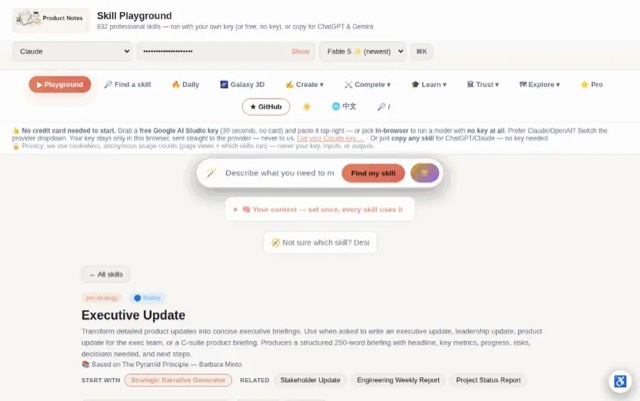
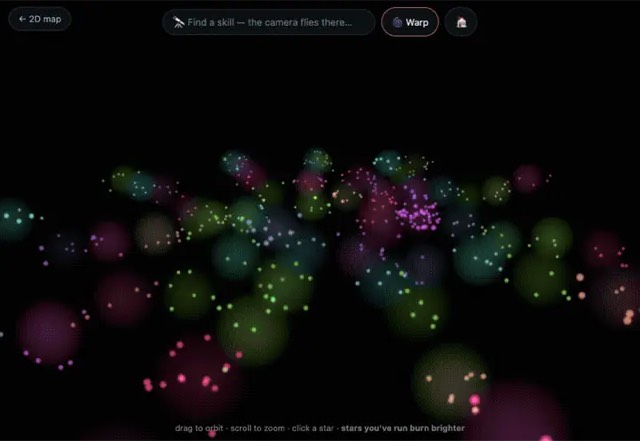
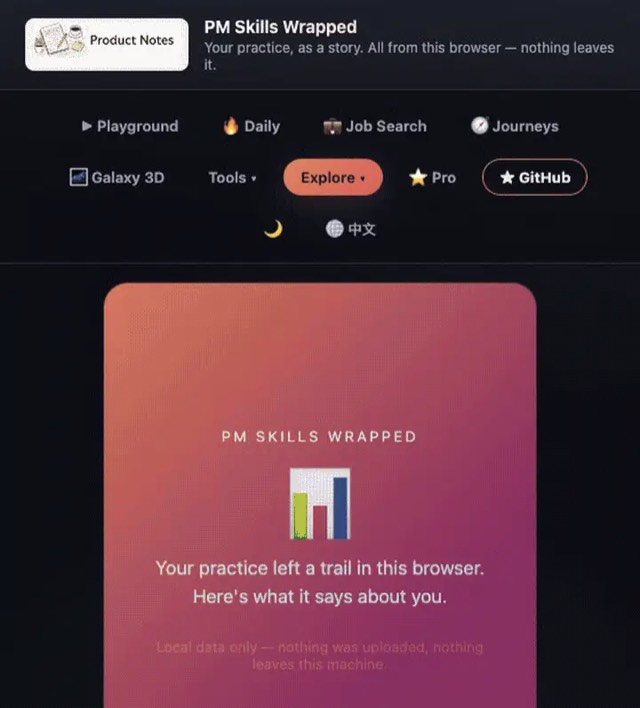
From the mohitagw15856/pm-claude-skills README — shows the whole collection, not only this skill. · view on GitHub
How to use it
Claude Code
- Run the line below. It pulls the whole folder into
~/.claude/skills/community-management-playbook. - Describe your job in plain words. Claude Code follows the skill from there.
npx degit mohitagw15856/pm-claude-skills/skills/community-management-playbook#main ~/.claude/skills/community-management-playbookFor one project only, change the path to .claude/skills/community-management-playbook.
Claude (web or desktop app)
- On this page open ⋯ → Download .md.
- Save it as SKILL.md in a folder, zip the folder, then Customize → Skills → + → Create skill → Upload a skill.
- Pick the file and Save. Claude shows the name and description and runs a security scan.
- Check the skill is switched on.
- Start a new chat and describe your job in plain words. The AI follows the skill from there.
ChatGPT or another app
- ChatGPT: make a Project and paste it into Instructions.
- Neither? Paste it at the top of a new chat — it works for that chat.
Not working?
- Check which app you pasted it into — the steps above name the right one.
- Some skills need the paid tier of Claude or ChatGPT.
Paste into Claude, ChatGPT or Cursor.
Source of Community Management Playbook Skill
Show the full text318 lines
| name | description |
|---|---|
| community-management-playbook | Build a community management playbook for a brand's social media channels. Use when asked to create guidelines for managing comments, DMs, and community interactions, define a moderation policy, or build response frameworks for social media community managers. Produces a complete playbook with response templates, escalation paths, moderation rules, and tone guidelines. |
Community Management Playbook Skill
This skill produces a complete community management playbook covering response frameworks, tone guidelines, comment moderation rules, DM handling, crisis and escalation paths, response templates, and community health metrics. Output gives a community manager or social media team everything they need to manage public interactions consistently, professionally, and at speed.
Required Inputs
Ask the user for these if not provided:
- Brand / product name
- Active platforms — which channels need community management (Instagram, LinkedIn, X/Twitter, Facebook, TikTok, YouTube, Discord, Reddit, etc.)
- Team structure — who manages community? (solo, small team, agency, rotating)
- Brand tone of voice — how the brand sounds (e.g. warm and friendly / professional / witty / technical)
- Primary community type — customers, fans, professional network, creators, users of a product
- Common comment types — what kinds of interactions do you get? (support questions, complaints, praise, spam, trolls)
- Response time SLA — how fast must the team respond? (e.g. within 2 hours on weekdays)
Output Structure
Community Management Playbook: [Brand Name]
Version: 1.0 Platforms covered: [List] Team: [Names or roles] Last updated: [Date]
1. Why Community Management Matters
[2–3 sentences on what's at stake: brand reputation, customer loyalty, algorithm signals, trust-building. Frame community management as a business function, not just social admin.]
Our community management goals:
- [Goal 1: e.g. Respond to every comment and DM within our SLA — no question goes unanswered]
- [Goal 2: e.g. Turn complaints into loyalty moments — every resolved issue is a trust win]
- [Goal 3: e.g. Amplify positive sentiment — surface customer stories and user wins]
- [Goal 4: e.g. Protect brand reputation — remove harmful content quickly and consistently]
2. Response Framework
Use this decision tree for every comment or message:
Is it spam, phishing, or dangerous content?
  → YES: Delete immediately. Report if platform requires. Log in moderation tracker.
  → NO: Continue ↓

Is it a hate comment, harassment, or offensive content?
  → YES: Hide or delete. Consider account block. Escalate if ongoing. See Section 6.
  → NO: Continue ↓

Is it a customer complaint or support question?
  → YES: Respond within SLA. Acknowledge, empathise, resolve or redirect. See Section 4.
  → NO: Continue ↓

Is it positive — praise, testimonial, or user win?
  → YES: Like + reply with warm acknowledgement. Flag for social proof content if suitable.
  → NO: Continue ↓

Is it a question about the brand, product, or content?
  → YES: Answer clearly and helpfully. Include a CTA if relevant.
  → NO: Continue ↓

Is it a general conversation starter or neutral engagement?
  → YES: Engage authentically — like, reply briefly, or ask a follow-up question.
3. Response Time SLAs
| Channel | Comment type | Target response time | Owner |
|---|---|---|---|
| [Instagram] | Customer complaint | [2 hours (business hours)] | [CM Lead] |
| [Instagram] | General comment / question | [Same day] | [CM team] |
| [Instagram] | DM | [4 hours (business hours)] | [CM Lead] |
| [LinkedIn] | Professional comment / question | [4 hours (business hours)] | [CM / Marketing] |
| [X / Twitter] | Public reply / mention | [2 hours (business hours)] | [CM Lead] |
| [X / Twitter] | DM | [4 hours (business hours)] | [CM team] |
| [Facebook] | Comment | [4 hours (business hours)] | [CM team] |
| [TikTok] | Comment on promoted post | [8 hours] | [CM team] |
| [YouTube] | Comment | [24 hours] | [CM team] |
Out-of-hours coverage:
- [Define weekend / evening coverage — e.g. "On-call CM checks mentions at 9am, 1pm, and 6pm on weekends"]
- Crisis escalation is always on — see Section 6 for out-of-hours escalation contacts
4. Response Templates
These are starting-point templates — always personalise with the person's name and specific context.
Positive comments
Praise / testimonial:
"Thank you so much, [name]! 🙌 This genuinely made our day. So glad [product/service] is working for you. [Add specific personal note if possible]."
User-generated content / sharing their experience:
"Love seeing this, [name]! Thanks for sharing 🙌. [Relevant genuine comment on their specific post or experience]."
Review or recommendation:
"Thank you for taking the time to share this, [name] — really appreciate it. [Add genuine specific reaction]. If you ever want to [next step / share more / join community], we'd love to have you."
Questions about the product or brand
Feature question:
"Great question, [name]! [Answer clearly in 1–3 sentences]. If you'd like more detail, [link to docs / help centre / DM us]. Happy to help with anything else!"
Pricing / availability question:
"[Answer] — [link if relevant]. Feel free to DM us if you need anything specific. 😊"
"Is this available in [region/format]?" question:
"[Answer with current availability]. If that's changed, you'll always see it first at [link / newsletter sign-up / our channels]. 🙌"
Complaints
Product issue — acknowledged, redirecting to support:
"Hi [name], really sorry to hear this — that's definitely not the experience we want for you. 😔 Could you DM us with [order number / account email / details]? We'll get this sorted as quickly as possible."
Shipping / fulfilment complaint:
"Hi [name], thank you for letting us know and I'm so sorry for this. We want to make it right. Please DM us with your order reference and we'll investigate right away."
General dissatisfaction:
"Hi [name], I'm sorry to hear you're not happy — your feedback genuinely matters to us. Could you DM us or email [support email] so we can understand what happened and fix it? We really do want to get this right."
Public complaint that needs urgent attention:
"Hi [name], I can see why that would be frustrating and I want to make sure we sort this out properly. I'm going to DM you now — please look out for a message from us."
Difficult interactions
Polite but persistent critic:
"Hi [name], thank you for the honest feedback — we do read and take this seriously. We can't always respond to every individual point publicly, but if you'd like to share more detail, [DM us / email us at X]. We're genuinely working on [relevant area] and appreciate you holding us accountable."
Misinformation or incorrect claim about the brand:
"Hi [name], just wanted to gently clarify — [correct the record factually in 1–2 sentences]. Happy to share more if useful! [Link to source / official page if relevant]."
Competitor attack or negative comparison:
[Do NOT engage publicly with competitive comparisons. Respond only if there's factual misinformation. Template: "Hi [name], happy to share what makes [brand] work for our customers — feel free to DM us if you'd like to know more."]
DM templates
First DM response — complaint:
"Hi [name], thanks for reaching out. I'm [name] from the [brand] team. I've seen your [comment/message] and want to make sure we get this sorted for you properly. Could you share [details needed — order number, email, screenshots]? I'll personally make sure this is resolved."
First DM response — support question:
"Hi [name]! Thanks for getting in touch. Happy to help — [answer or next step]. If you need anything else, just reply here. 😊"
Issue resolved — closing DM:
"Glad we could sort that out, [name]! If you ever need anything else, we're here. Have a great [day/weekend]! 🙌"
5. Moderation Rules
Content that must be deleted immediately:
- Spam (repeated posts, fake giveaways, phishing links)
- Explicit or NSFW content
- Personal attacks on other community members
- Doxxing (sharing personal information about another person)
- Content that violates platform terms of service
- Illegal content or illegal product promotion
Content that should be hidden (not deleted) — review within 4 hours:
- Unverified complaints that may require investigation before action
- Offensive language that isn't targeting a specific person
- Posts that may be legitimate but contain sensitive information
Content that should be left (even if negative) — respond and monitor:
- Genuine product criticism or negative reviews
- Complaints that are being actively resolved
- Controversial opinions that are within the rules of civil debate
- Negative comparisons to competitors (only respond if misinformation)
Account-level actions:
| Action | When to use |
|---|---|
| Comment hide | First instance of borderline content |
| Comment delete | Clear rule violation |
| User block | Repeated harassment / spam after warning |
| Report to platform | Content that may breach platform T&Cs or laws |
"Never delete to silence" rule: Never delete a genuine complaint or criticism just because it's uncomfortable. Deleting legitimate negative feedback damages trust more than the original complaint.
6. Escalation & Crisis Protocol
Escalation tiers
Tier 1 — CM handles directly:
- Routine complaints, questions, thank-yous
- Single negative comment, isolated incident
- Standard off-topic or mildly unhappy comment
Tier 2 — Escalate to [Marketing Lead / Brand Manager] within 2 hours:
- Customer with significant public platform (journalist, influencer, known figure)
- Complaint gaining traction (10+ likes on a negative comment)
- Legal or compliance mention ("I'm going to sue", "trading standards", "data breach")
- Media interest — journalist asking questions publicly
Tier 3 — Escalate to [CMO / Founder / CEO] immediately:
- Viral negative content (100+ shares / views growing rapidly)
- Allegation of safety issue, injury, or product harm
- Coordinated negative campaign or pile-on
- Any media coverage of a complaint
- Potential crisis — brand reputation at risk
Crisis response protocol
- Stop scheduled posting — pause all queued content immediately
- Assess — what is the scope? How fast is it spreading? What's the allegation?
- Brief leadership — share screenshot, link, and initial assessment within 30 minutes
- Hold public response — do not post publicly until leadership approves messaging
- Draft response options — prepare 2–3 response options (acknowledge / deny / defer)
- Respond or don't respond? — sometimes silence + private resolution beats a public statement
- Monitor — track mentions every 30 minutes during a crisis
- Post-crisis review — within 48 hours, document what happened and what to do differently
Out-of-hours escalation contacts:
- CM Lead: [Name, mobile]
- Marketing Lead: [Name, mobile]
- [Senior escalation]: [Name, mobile]
7. Tone of Voice in Practice
| Situation | Tone | Example phrase | Avoid |
|---|---|---|---|
| Complimenting content | Warm, genuine, specific | "This genuinely made our day 🙌" | Generic "Thank you!" |
| Answering a product question | Helpful, clear, not jargony | "Great question — here's exactly how it works…" | "Per our FAQs…" |
| Resolving a complaint | Empathetic, responsible, action-oriented | "Really sorry to hear this — let's sort it out." | "This is not our fault" |
| Engaging with light content | Playful, natural, on-brand | [Match the energy of the post — don't be stiff] | Corporate speak |
| Handling criticism | Measured, honest, not defensive | "We hear you and we're working on it." | "As per our T&Cs…" |
| Addressing a crisis | Calm, clear, factual, empathetic | "We're aware of this and are treating it as an urgent priority." | Defensive or dismissive |
Emoji use: [Define brand's emoji policy — e.g. "Use emojis sparingly — 1 per response max, only on positive interactions. Never on complaints or sensitive topics."]
8. Community Health Metrics
Track these weekly:
| Metric | What it measures | Target | Current |
|---|---|---|---|
| Average response time | Speed of community management | [≤ X hours] | [X hours] |
| Response rate | % of comments/DMs replied to | [≥ X%] | [X%] |
| Comment sentiment ratio | Positive : Neutral : Negative split | [≥ X% positive] | [X%] |
| Escalation rate | % of interactions escalated | [≤ X%] | [X%] |
| DM resolution time | Time to resolve a DM complaint | [≤ X hours] | [X hours] |
| Content reports / removals | Volume of content moderated | [Track trend] | [X/week] |
Weekly CM review (15 min):
- Review last week's metrics vs target
- Flag any recurring complaint themes (product signals for the team)
- Identify any standout positive interactions worth amplifying
- Note any escalations and how they were handled
9. Platform-Specific Notes
| Platform | Key nuance | Best practice |
|---|---|---|
| Comments move fast on Reels; DMs high volume | Prioritise Reel comments; use saved replies for FAQ DMs | |
| Professional audience; public replies visible to networks | Keep responses professional; avoid humour on complaints | |
| X / Twitter | Real-time; pile-ons escalate fast | Monitor with keyword alerts; act on Tier 2 triggers quickly |
| TikTok | Comment culture is more casual; meme responses ok | Match platform tone but keep brand voice; don't try too hard |
| YouTube | Older comments resurface regularly | Monitor new comments on older videos; set up notifications |
| Groups + page comments; older audience | More formal tone; monitor group dynamics separately | |
| Discord | Real-time community; requires moderators | Designate community moderators; publish community rules prominently |
Quality Checks
- Response templates cover all common scenarios (positive, neutral, complaint, crisis)
- SLAs are realistic for available team resource
- Moderation rules clearly distinguish between delete, hide, and leave
- Escalation tiers are specific — each tier has a named contact and timeframe
- Tone of voice guidance is concrete enough to write from (examples included)
- Community health metrics have targets, not just labels
- Platform-specific nuances are covered for every active channel
Anti-Patterns
- Do not delete genuine customer complaints to silence negative feedback — deletion damages trust more than the original complaint and can escalate a minor issue to a viral one
- Do not respond to competitor comparison comments publicly — engaging publicly with competitive comparisons amplifies them; redirect to DMs or ignore
- Do not use the same template response for every complaint — copy-paste responses on visible complaints are noticed by other users and undermine brand authenticity
- Do not leave a crisis without pausing scheduled content — queued posts published during an active brand crisis appear tone-deaf and make the situation worse
- Do not set response time SLAs that cannot be met with the available team size — an SLA that is consistently missed is worse than no SLA
Example Trigger Phrases
- "Build a community management playbook for [brand]"
- "Create social media response guidelines for our team"
- "What should our moderation policy be for [platform]?"
- "Write community management templates and escalation procedures"
- "How should we handle negative comments on social media?"
| 1 | |
| 2 | name community-management-playbook |
| 3 | description "Build a community management playbook for a brand's social media channels. Use when asked to create guidelines for managing comments, DMs, and community interactions, define a moderation policy, or build response frameworks for social media community managers. Produces a complete playbook with response templates, escalation paths, moderation rules, and tone guidelines." |
| 4 | |
| 5 | |
| 6 | # Community Management Playbook Skill |
| 7 | |
| 8 | This skill produces a complete community management playbook covering response frameworks, tone guidelines, comment moderation rules, DM handling, crisis and escalation paths, response templates, and community health metrics. Output gives a community manager or social media team everything they need to manage public interactions consistently, professionally, and at speed. |
| 9 | |
| 10 | ## Required Inputs |
| 11 | |
| 12 | Ask the user for these if not provided: |
| 13 | **Brand / product name** |
| 14 | **Active platforms** — which channels need community management (Instagram, LinkedIn, X/Twitter, Facebook, TikTok, YouTube, Discord, Reddit, etc.) |
| 15 | **Team structure** — who manages community? (solo, small team, agency, rotating) |
| 16 | **Brand tone of voice** — how the brand sounds (e.g. warm and friendly / professional / witty / technical) |
| 17 | **Primary community type** — customers, fans, professional network, creators, users of a product |
| 18 | **Common comment types** — what kinds of interactions do you get? (support questions, complaints, praise, spam, trolls) |
| 19 | **Response time SLA** — how fast must the team respond? (e.g. within 2 hours on weekdays) |
| 20 | |
| 21 | ## Output Structure |
| 22 | |
| 23 | |
| 24 | |
| 25 | # Community Management Playbook: [Brand Name] |
| 26 | |
| 27 | **Version:** 1.0 |
| 28 | **Platforms covered:** [List] |
| 29 | **Team:** [Names or roles] |
| 30 | **Last updated:** [Date] |
| 31 | |
| 32 | |
| 33 | |
| 34 | ## 1. Why Community Management Matters |
| 35 | |
| 36 | [2–3 sentences on what's at stake: brand reputation, customer loyalty, algorithm signals, trust-building. Frame community management as a business function, not just social admin.] |
| 37 | |
| 38 | **Our community management goals:** |
| 39 | [Goal 1: e.g. Respond to every comment and DM within our SLA — no question goes unanswered] |
| 40 | [Goal 2: e.g. Turn complaints into loyalty moments — every resolved issue is a trust win] |
| 41 | [Goal 3: e.g. Amplify positive sentiment — surface customer stories and user wins] |
| 42 | [Goal 4: e.g. Protect brand reputation — remove harmful content quickly and consistently] |
| 43 | |
| 44 | |
| 45 | |
| 46 | ## 2. Response Framework |
| 47 | |
| 48 | Use this decision tree for every comment or message: |
| 49 | |
| 50 | |
| 51 | Is it spam, phishing, or dangerous content? |
| 52 | → YES: Delete immediately. Report if platform requires. Log in moderation tracker. |
| 53 | → NO: Continue ↓ |
| 54 | |
| 55 | Is it a hate comment, harassment, or offensive content? |
| 56 | → YES: Hide or delete. Consider account block. Escalate if ongoing. See Section 6. |
| 57 | → NO: Continue ↓ |
| 58 | |
| 59 | Is it a customer complaint or support question? |
| 60 | → YES: Respond within SLA. Acknowledge, empathise, resolve or redirect. See Section 4. |
| 61 | → NO: Continue ↓ |
| 62 | |
| 63 | Is it positive — praise, testimonial, or user win? |
| 64 | → YES: Like + reply with warm acknowledgement. Flag for social proof content if suitable. |
| 65 | → NO: Continue ↓ |
| 66 | |
| 67 | Is it a question about the brand, product, or content? |
| 68 | → YES: Answer clearly and helpfully. Include a CTA if relevant. |
| 69 | → NO: Continue ↓ |
| 70 | |
| 71 | Is it a general conversation starter or neutral engagement? |
| 72 | → YES: Engage authentically — like, reply briefly, or ask a follow-up question. |
| 73 | |
| 74 | |
| 75 | |
| 76 | |
| 77 | ## 3. Response Time SLAs |
| 78 | |
| 79 | | Channel | Comment type | Target response time | Owner | |
| 80 | |---|---|---|---| |
| 81 | | [Instagram] | Customer complaint | [2 hours (business hours)] | [CM Lead] | |
| 82 | | [Instagram] | General comment / question | [Same day] | [CM team] | |
| 83 | | [Instagram] | DM | [4 hours (business hours)] | [CM Lead] | |
| 84 | | [LinkedIn] | Professional comment / question | [4 hours (business hours)] | [CM / Marketing] | |
| 85 | | [X / Twitter] | Public reply / mention | [2 hours (business hours)] | [CM Lead] | |
| 86 | | [X / Twitter] | DM | [4 hours (business hours)] | [CM team] | |
| 87 | | [Facebook] | Comment | [4 hours (business hours)] | [CM team] | |
| 88 | | [TikTok] | Comment on promoted post | [8 hours] | [CM team] | |
| 89 | | [YouTube] | Comment | [24 hours] | [CM team] | |
| 90 | |
| 91 | **Out-of-hours coverage:** |
| 92 | [Define weekend / evening coverage — e.g. "On-call CM checks mentions at 9am, 1pm, and 6pm on weekends"] |
| 93 | Crisis escalation is always on — see Section 6 for out-of-hours escalation contacts |
| 94 | |
| 95 | |
| 96 | |
| 97 | ## 4. Response Templates |
| 98 | |
| 99 | These are starting-point templates — always personalise with the person's name and specific context. |
| 100 | |
| 101 | ### Positive comments |
| 102 | |
| 103 | **Praise / testimonial:** |
| 104 | > "Thank you so much, [name]! 🙌 This genuinely made our day. So glad [product/service] is working for you. [Add specific personal note if possible]." |
| 105 | |
| 106 | **User-generated content / sharing their experience:** |
| 107 | > "Love seeing this, [name]! Thanks for sharing 🙌. [Relevant genuine comment on their specific post or experience]." |
| 108 | |
| 109 | **Review or recommendation:** |
| 110 | > "Thank you for taking the time to share this, [name] — really appreciate it. [Add genuine specific reaction]. If you ever want to [next step / share more / join community], we'd love to have you." |
| 111 | |
| 112 | |
| 113 | |
| 114 | ### Questions about the product or brand |
| 115 | |
| 116 | **Feature question:** |
| 117 | > "Great question, [name]! [Answer clearly in 1–3 sentences]. If you'd like more detail, [link to docs / help centre / DM us]. Happy to help with anything else!" |
| 118 | |
| 119 | **Pricing / availability question:** |
| 120 | > "[Answer] — [link if relevant]. Feel free to DM us if you need anything specific. 😊" |
| 121 | |
| 122 | **"Is this available in [region/format]?" question:** |
| 123 | > "[Answer with current availability]. If that's changed, you'll always see it first at [link / newsletter sign-up / our channels]. 🙌" |
| 124 | |
| 125 | |
| 126 | |
| 127 | ### Complaints |
| 128 | |
| 129 | **Product issue — acknowledged, redirecting to support:** |
| 130 | > "Hi [name], really sorry to hear this — that's definitely not the experience we want for you. 😔 Could you DM us with [order number / account email / details]? We'll get this sorted as quickly as possible." |
| 131 | |
| 132 | **Shipping / fulfilment complaint:** |
| 133 | > "Hi [name], thank you for letting us know and I'm so sorry for this. We want to make it right. Please DM us with your order reference and we'll investigate right away." |
| 134 | |
| 135 | **General dissatisfaction:** |
| 136 | > "Hi [name], I'm sorry to hear you're not happy — your feedback genuinely matters to us. Could you DM us or email [support email] so we can understand what happened and fix it? We really do want to get this right." |
| 137 | |
| 138 | **Public complaint that needs urgent attention:** |
| 139 | > "Hi [name], I can see why that would be frustrating and I want to make sure we sort this out properly. I'm going to DM you now — please look out for a message from us." |
| 140 | |
| 141 | |
| 142 | |
| 143 | ### Difficult interactions |
| 144 | |
| 145 | **Polite but persistent critic:** |
| 146 | > "Hi [name], thank you for the honest feedback — we do read and take this seriously. We can't always respond to every individual point publicly, but if you'd like to share more detail, [DM us / email us at X]. We're genuinely working on [relevant area] and appreciate you holding us accountable." |
| 147 | |
| 148 | **Misinformation or incorrect claim about the brand:** |
| 149 | > "Hi [name], just wanted to gently clarify — [correct the record factually in 1–2 sentences]. Happy to share more if useful! [Link to source / official page if relevant]." |
| 150 | |
| 151 | **Competitor attack or negative comparison:** |
| 152 | > [Do NOT engage publicly with competitive comparisons. Respond only if there's factual misinformation. Template: "Hi [name], happy to share what makes [brand] work for our customers — feel free to DM us if you'd like to know more."] |
| 153 | |
| 154 | |
| 155 | |
| 156 | ### DM templates |
| 157 | |
| 158 | **First DM response — complaint:** |
| 159 | > "Hi [name], thanks for reaching out. I'm [name] from the [brand] team. I've seen your [comment/message] and want to make sure we get this sorted for you properly. Could you share [details needed — order number, email, screenshots]? I'll personally make sure this is resolved." |
| 160 | |
| 161 | **First DM response — support question:** |
| 162 | > "Hi [name]! Thanks for getting in touch. Happy to help — [answer or next step]. If you need anything else, just reply here. 😊" |
| 163 | |
| 164 | **Issue resolved — closing DM:** |
| 165 | > "Glad we could sort that out, [name]! If you ever need anything else, we're here. Have a great [day/weekend]! 🙌" |
| 166 | |
| 167 | |
| 168 | |
| 169 | ## 5. Moderation Rules |
| 170 | |
| 171 | **Content that must be deleted immediately:** |
| 172 | [ ] Spam (repeated posts, fake giveaways, phishing links) |
| 173 | [ ] Explicit or NSFW content |
| 174 | [ ] Personal attacks on other community members |
| 175 | [ ] Doxxing (sharing personal information about another person) |
| 176 | [ ] Content that violates platform terms of service |
| 177 | [ ] Illegal content or illegal product promotion |
| 178 | |
| 179 | **Content that should be hidden (not deleted) — review within 4 hours:** |
| 180 | [ ] Unverified complaints that may require investigation before action |
| 181 | [ ] Offensive language that isn't targeting a specific person |
| 182 | [ ] Posts that may be legitimate but contain sensitive information |
| 183 | |
| 184 | **Content that should be left (even if negative) — respond and monitor:** |
| 185 | [ ] Genuine product criticism or negative reviews |
| 186 | [ ] Complaints that are being actively resolved |
| 187 | [ ] Controversial opinions that are within the rules of civil debate |
| 188 | [ ] Negative comparisons to competitors (only respond if misinformation) |
| 189 | |
| 190 | **Account-level actions:** |
| 191 | |
| 192 | | Action | When to use | |
| 193 | |---|---| |
| 194 | | Comment hide | First instance of borderline content | |
| 195 | | Comment delete | Clear rule violation | |
| 196 | | User block | Repeated harassment / spam after warning | |
| 197 | | Report to platform | Content that may breach platform T&Cs or laws | |
| 198 | |
| 199 | **"Never delete to silence" rule:** Never delete a genuine complaint or criticism just because it's uncomfortable. Deleting legitimate negative feedback damages trust more than the original complaint. |
| 200 | |
| 201 | |
| 202 | |
| 203 | ## 6. Escalation & Crisis Protocol |
| 204 | |
| 205 | ### Escalation tiers |
| 206 | |
| 207 | **Tier 1 — CM handles directly:** |
| 208 | Routine complaints, questions, thank-yous |
| 209 | Single negative comment, isolated incident |
| 210 | Standard off-topic or mildly unhappy comment |
| 211 | |
| 212 | **Tier 2 — Escalate to [Marketing Lead / Brand Manager] within 2 hours:** |
| 213 | Customer with significant public platform (journalist, influencer, known figure) |
| 214 | Complaint gaining traction (10+ likes on a negative comment) |
| 215 | Legal or compliance mention ("I'm going to sue", "trading standards", "data breach") |
| 216 | Media interest — journalist asking questions publicly |
| 217 | |
| 218 | **Tier 3 — Escalate to [CMO / Founder / CEO] immediately:** |
| 219 | Viral negative content (100+ shares / views growing rapidly) |
| 220 | Allegation of safety issue, injury, or product harm |
| 221 | Coordinated negative campaign or pile-on |
| 222 | Any media coverage of a complaint |
| 223 | Potential crisis — brand reputation at risk |
| 224 | |
| 225 | ### Crisis response protocol |
| 226 | |
| 227 | **Stop scheduled posting** — pause all queued content immediately |
| 228 | **Assess** — what is the scope? How fast is it spreading? What's the allegation? |
| 229 | **Brief leadership** — share screenshot, link, and initial assessment within 30 minutes |
| 230 | **Hold public response** — do not post publicly until leadership approves messaging |
| 231 | **Draft response options** — prepare 2–3 response options (acknowledge / deny / defer) |
| 232 | **Respond or don't respond?** — sometimes silence + private resolution beats a public statement |
| 233 | **Monitor** — track mentions every 30 minutes during a crisis |
| 234 | **Post-crisis review** — within 48 hours, document what happened and what to do differently |
| 235 | |
| 236 | **Out-of-hours escalation contacts:** |
| 237 | CM Lead: [Name, mobile] |
| 238 | Marketing Lead: [Name, mobile] |
| 239 | [Senior escalation]: [Name, mobile] |
| 240 | |
| 241 | |
| 242 | |
| 243 | ## 7. Tone of Voice in Practice |
| 244 | |
| 245 | | Situation | Tone | Example phrase | Avoid | |
| 246 | |---|---|---|---| |
| 247 | | Complimenting content | Warm, genuine, specific | "This genuinely made our day 🙌" | Generic "Thank you!" | |
| 248 | | Answering a product question | Helpful, clear, not jargony | "Great question — here's exactly how it works…" | "Per our FAQs…" | |
| 249 | | Resolving a complaint | Empathetic, responsible, action-oriented | "Really sorry to hear this — let's sort it out." | "This is not our fault" | |
| 250 | | Engaging with light content | Playful, natural, on-brand | [Match the energy of the post — don't be stiff] | Corporate speak | |
| 251 | | Handling criticism | Measured, honest, not defensive | "We hear you and we're working on it." | "As per our T&Cs…" | |
| 252 | | Addressing a crisis | Calm, clear, factual, empathetic | "We're aware of this and are treating it as an urgent priority." | Defensive or dismissive | |
| 253 | |
| 254 | **Emoji use:** [Define brand's emoji policy — e.g. "Use emojis sparingly — 1 per response max, only on positive interactions. Never on complaints or sensitive topics."] |
| 255 | |
| 256 | |
| 257 | |
| 258 | ## 8. Community Health Metrics |
| 259 | |
| 260 | Track these weekly: |
| 261 | |
| 262 | | Metric | What it measures | Target | Current | |
| 263 | |---|---|---|---| |
| 264 | | Average response time | Speed of community management | [≤ X hours] | [X hours] | |
| 265 | | Response rate | % of comments/DMs replied to | [≥ X%] | [X%] | |
| 266 | | Comment sentiment ratio | Positive : Neutral : Negative split | [≥ X% positive] | [X%] | |
| 267 | | Escalation rate | % of interactions escalated | [≤ X%] | [X%] | |
| 268 | | DM resolution time | Time to resolve a DM complaint | [≤ X hours] | [X hours] | |
| 269 | | Content reports / removals | Volume of content moderated | [Track trend] | [X/week] | |
| 270 | |
| 271 | **Weekly CM review (15 min):** |
| 272 | Review last week's metrics vs target |
| 273 | Flag any recurring complaint themes (product signals for the team) |
| 274 | Identify any standout positive interactions worth amplifying |
| 275 | Note any escalations and how they were handled |
| 276 | |
| 277 | |
| 278 | |
| 279 | ## 9. Platform-Specific Notes |
| 280 | |
| 281 | | Platform | Key nuance | Best practice | |
| 282 | |---|---|---| |
| 283 | | **Instagram** | Comments move fast on Reels; DMs high volume | Prioritise Reel comments; use saved replies for FAQ DMs | |
| 284 | | **LinkedIn** | Professional audience; public replies visible to networks | Keep responses professional; avoid humour on complaints | |
| 285 | | **X / Twitter** | Real-time; pile-ons escalate fast | Monitor with keyword alerts; act on Tier 2 triggers quickly | |
| 286 | | **TikTok** | Comment culture is more casual; meme responses ok | Match platform tone but keep brand voice; don't try too hard | |
| 287 | | **YouTube** | Older comments resurface regularly | Monitor new comments on older videos; set up notifications | |
| 288 | | **Facebook** | Groups + page comments; older audience | More formal tone; monitor group dynamics separately | |
| 289 | | **Discord** | Real-time community; requires moderators | Designate community moderators; publish community rules prominently | |
| 290 | |
| 291 | |
| 292 | |
| 293 | ## Quality Checks |
| 294 | |
| 295 | [ ] Response templates cover all common scenarios (positive, neutral, complaint, crisis) |
| 296 | [ ] SLAs are realistic for available team resource |
| 297 | [ ] Moderation rules clearly distinguish between delete, hide, and leave |
| 298 | [ ] Escalation tiers are specific — each tier has a named contact and timeframe |
| 299 | [ ] Tone of voice guidance is concrete enough to write from (examples included) |
| 300 | [ ] Community health metrics have targets, not just labels |
| 301 | [ ] Platform-specific nuances are covered for every active channel |
| 302 | |
| 303 | ## Anti-Patterns |
| 304 | |
| 305 | [ ] Do not delete genuine customer complaints to silence negative feedback — deletion damages trust more than the original complaint and can escalate a minor issue to a viral one |
| 306 | [ ] Do not respond to competitor comparison comments publicly — engaging publicly with competitive comparisons amplifies them; redirect to DMs or ignore |
| 307 | [ ] Do not use the same template response for every complaint — copy-paste responses on visible complaints are noticed by other users and undermine brand authenticity |
| 308 | [ ] Do not leave a crisis without pausing scheduled content — queued posts published during an active brand crisis appear tone-deaf and make the situation worse |
| 309 | [ ] Do not set response time SLAs that cannot be met with the available team size — an SLA that is consistently missed is worse than no SLA |
| 310 | |
| 311 | ## Example Trigger Phrases |
| 312 | |
| 313 | "Build a community management playbook for [brand]" |
| 314 | "Create social media response guidelines for our team" |
| 315 | "What should our moderation policy be for [platform]?" |
| 316 | "Write community management templates and escalation procedures" |
| 317 | "How should we handle negative comments on social media?" |
| 318 |
Discussion
Browse more free Claude skills or everything in Marketing.