Change Management Plan Skill
Create a structured change management plan for any organisational change.
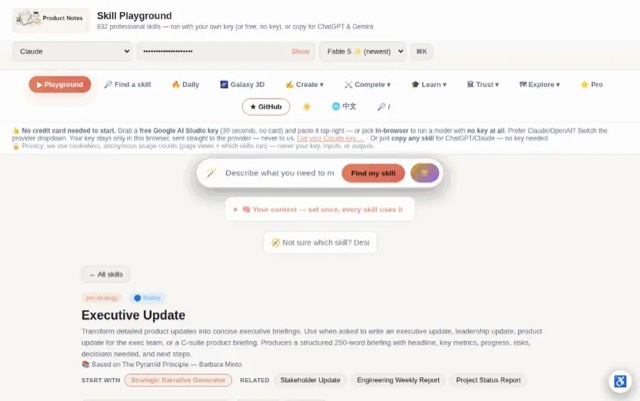

From the mohitagw15856/pm-claude-skills README — shows the whole collection, not only this skill. · view on GitHub
How to use it
Claude Code
- Run the line below. It pulls the whole folder into
~/.claude/skills/change-management-plan. - Describe your job in plain words. Claude Code follows the skill from there.
npx degit mohitagw15856/pm-claude-skills/skills/change-management-plan#main ~/.claude/skills/change-management-planFor one project only, change the path to .claude/skills/change-management-plan.
Claude (web or desktop app)
- On this page open ⋯ → Download .md.
- Save it as SKILL.md in a folder, zip the folder, then Customize → Skills → + → Create skill → Upload a skill.
- Pick the file and Save. Claude shows the name and description and runs a security scan.
- Check the skill is switched on.
- Start a new chat and describe your job in plain words. The AI follows the skill from there.
ChatGPT or another app
- ChatGPT: make a Project and paste it into Instructions.
- Neither? Paste it at the top of a new chat — it works for that chat.
Not working?
- Check which app you pasted it into — the steps above name the right one.
- Some skills need the paid tier of Claude or ChatGPT.
Paste into Claude, ChatGPT or Cursor.
Source of Change Management Plan Skill
Show the full text148 lines
| name | description |
|---|---|
| change-management-plan | Create a structured change management plan for any organisational change. Use when asked to write a change management plan, manage a change initiative, plan a system rollout, or lead an organisational transformation. Produces a plan covering stakeholder analysis, impact assessment, communication strategy, and resistance management. |
Change Management Plan Skill
Produces a structured change management plan — because most change initiatives fail not because the change is wrong, but because people aren't brought along with it.
Required Inputs
Ask the user for these if not provided:
- The change (what is changing, and what is the current state?)
- Scale (how many people affected, in how many teams/locations?)
- Timeline (when does the change go live? How long is the transition?)
- Sponsor (who is accountable at senior level?)
- Key concern (what is the biggest risk to adoption?)
- What happens if change fails (consequences of low adoption)
Output Structure
Change Management Plan: [Change Name]
Change sponsor: [Executive owner] Change manager: [Who is running this] Go-live date: [Date] Affected population: [N people, N teams/locations]
1. Change Summary
From (current state): [Specific description of today's situation] To (future state): [Specific description of what changes] Why this change is happening: [Honest explanation — people adopt change faster when they understand the real reason] What stays the same: [Explicitly naming what is NOT changing reduces anxiety]
2. Stakeholder Analysis
| Stakeholder group | Size | Impact level | Current sentiment | What they need |
|---|---|---|---|---|
| [Group] | [N] | High/Med/Low | Supportive / Neutral / Resistant | [Specific concern or need] |
Key influencers to engage early: [Name the informal leaders, respected voices, and early adopters who can help. And the resistors who need direct attention.]
3. Impact Assessment
| Area | Impact | Severity | Action needed |
|---|---|---|---|
| Daily workflow | [What changes day-to-day] | High/Med/Low | [Training / support / redesign] |
| Systems or tools | [What tools are affected] | ||
| Roles and responsibilities | [Any role changes] | ||
| Processes | [Process changes] | ||
| Metrics and targets | [Any KPI changes] |
4. Communication Plan
Core message: [The 1-sentence summary everyone should understand and remember]
| Audience | Message focus | Channel | Timing | Owner |
|---|---|---|---|---|
| All staff | [Why this is happening + what to expect] | All-hands / Email | [T-6 weeks] | Sponsor |
| Managers | [How to support their teams] | Manager briefing | [T-5 weeks] | Change manager |
| Directly affected teams | [What changes for them specifically] | Team meeting | [T-4 weeks] | Line manager |
| [Other group] | [Tailored message] |
Communication principles:
- Over-communicate — people need to hear a message 7 times to internalise it
- Use managers to cascade, not just top-down announcements
- Create a feedback channel — questions left unanswered become rumours
5. Training and Support Plan
| Audience | Training type | Timing | Duration | Delivery | Owner |
|---|---|---|---|---|---|
| [Group] | [e.g. Hands-on system training] | [T-2 weeks] | [2 hours] | [In-person / online] | [Owner] |
Go-live support:
- [What support is available on day 1 — helpdesk, floor walkers, champions]
- [Escalation path for issues in first 30 days]
6. Resistance Management
Anticipated resistance sources:
| Concern | Who holds it | Root cause | Response |
|---|---|---|---|
| [e.g. "This will increase my workload"] | [Middle managers] | [Loss of autonomy] | [Specific action to address] |
Resistance management principles:
- Acknowledge concerns genuinely — dismissing resistance amplifies it
- Involve resistors in design where possible — converts them into advocates
- Distinguish between genuine concerns (worth addressing) and preference for the status quo (to be managed, not solved)
7. Adoption Metrics
| Metric | Baseline | Target | Measurement point | Owner |
|---|---|---|---|---|
| [System usage rate] | [0%] | [80%] | [30 days post go-live] | [Owner] |
| [Process compliance] | [X%] | [Y%] | [60 days] | [Owner] |
| [Staff confidence score] | [Survey score] | [Target] | [90 days] | [Owner] |
Adoption milestones:
- D+7: [First check — early issues identified]
- D+30: [First adoption review]
- D+90: [Sustained adoption confirmed or remediation plan activated]
Quality Checks
- "What stays the same" is explicitly addressed
- Stakeholder analysis includes resistors, not just supporters
- Communication plan uses managers to cascade (not just top-down)
- Training is timed before go-live (not after)
- Adoption metrics have a measurement date and owner
- Resistance management has specific responses (not just "communicate more")
Anti-Patterns
- Do not treat communication as a one-time announcement — people need to hear a message multiple times before they internalise it; plan for repeated touchpoints
- Do not assign change management to a single owner without involving line managers — managers are the most effective cascade channel and must be briefed before their teams
- Do not schedule training after go-live — people who learn a new system on the day they need to use it will revert to the old process
- Do not ignore resistors in the stakeholder analysis — resistors who are not explicitly engaged will undermine adoption, especially informal leaders
- Do not measure adoption only at go-live — the real test is sustained adoption at 90 days, when novelty has worn off
Example Trigger Phrases
- "Write a change management plan for [initiative]"
- "Help me plan the rollout of [system change] for [team/org]"
- "Create a communication and training plan for [change]"
- "How do I manage resistance to [change]?"
| 1 | |
| 2 | name change-management-plan |
| 3 | description "Create a structured change management plan for any organisational change. Use when asked to write a change management plan, manage a change initiative, plan a system rollout, or lead an organisational transformation. Produces a plan covering stakeholder analysis, impact assessment, communication strategy, and resistance management." |
| 4 | |
| 5 | |
| 6 | # Change Management Plan Skill |
| 7 | |
| 8 | Produces a structured change management plan — because most change initiatives fail not because the change is wrong, but because people aren't brought along with it. |
| 9 | |
| 10 | ## Required Inputs |
| 11 | |
| 12 | Ask the user for these if not provided: |
| 13 | **The change** (what is changing, and what is the current state?) |
| 14 | **Scale** (how many people affected, in how many teams/locations?) |
| 15 | **Timeline** (when does the change go live? How long is the transition?) |
| 16 | **Sponsor** (who is accountable at senior level?) |
| 17 | **Key concern** (what is the biggest risk to adoption?) |
| 18 | **What happens if change fails** (consequences of low adoption) |
| 19 | |
| 20 | ## Output Structure |
| 21 | |
| 22 | |
| 23 | |
| 24 | # Change Management Plan: [Change Name] |
| 25 | |
| 26 | **Change sponsor:** [Executive owner] |
| 27 | **Change manager:** [Who is running this] |
| 28 | **Go-live date:** [Date] |
| 29 | **Affected population:** [N people, N teams/locations] |
| 30 | |
| 31 | |
| 32 | |
| 33 | ## 1. Change Summary |
| 34 | |
| 35 | **From (current state):** [Specific description of today's situation] |
| 36 | **To (future state):** [Specific description of what changes] |
| 37 | **Why this change is happening:** [Honest explanation — people adopt change faster when they understand the real reason] |
| 38 | **What stays the same:** [Explicitly naming what is NOT changing reduces anxiety] |
| 39 | |
| 40 | |
| 41 | |
| 42 | ## 2. Stakeholder Analysis |
| 43 | |
| 44 | | Stakeholder group | Size | Impact level | Current sentiment | What they need | |
| 45 | |---|---|---|---|---| |
| 46 | | [Group] | [N] | High/Med/Low | Supportive / Neutral / Resistant | [Specific concern or need] | |
| 47 | |
| 48 | **Key influencers to engage early:** |
| 49 | [Name the informal leaders, respected voices, and early adopters who can help. And the resistors who need direct attention.] |
| 50 | |
| 51 | |
| 52 | |
| 53 | ## 3. Impact Assessment |
| 54 | |
| 55 | | Area | Impact | Severity | Action needed | |
| 56 | |---|---|---|---| |
| 57 | | Daily workflow | [What changes day-to-day] | High/Med/Low | [Training / support / redesign] | |
| 58 | | Systems or tools | [What tools are affected] | | | |
| 59 | | Roles and responsibilities | [Any role changes] | | | |
| 60 | | Processes | [Process changes] | | | |
| 61 | | Metrics and targets | [Any KPI changes] | | | |
| 62 | |
| 63 | |
| 64 | |
| 65 | ## 4. Communication Plan |
| 66 | |
| 67 | **Core message:** [The 1-sentence summary everyone should understand and remember] |
| 68 | |
| 69 | | Audience | Message focus | Channel | Timing | Owner | |
| 70 | |---|---|---|---|---| |
| 71 | | All staff | [Why this is happening + what to expect] | All-hands / Email | [T-6 weeks] | Sponsor | |
| 72 | | Managers | [How to support their teams] | Manager briefing | [T-5 weeks] | Change manager | |
| 73 | | Directly affected teams | [What changes for them specifically] | Team meeting | [T-4 weeks] | Line manager | |
| 74 | | [Other group] | [Tailored message] | | | | |
| 75 | |
| 76 | **Communication principles:** |
| 77 | Over-communicate — people need to hear a message 7 times to internalise it |
| 78 | Use managers to cascade, not just top-down announcements |
| 79 | Create a feedback channel — questions left unanswered become rumours |
| 80 | |
| 81 | |
| 82 | |
| 83 | ## 5. Training and Support Plan |
| 84 | |
| 85 | | Audience | Training type | Timing | Duration | Delivery | Owner | |
| 86 | |---|---|---|---|---|---| |
| 87 | | [Group] | [e.g. Hands-on system training] | [T-2 weeks] | [2 hours] | [In-person / online] | [Owner] | |
| 88 | |
| 89 | **Go-live support:** |
| 90 | [What support is available on day 1 — helpdesk, floor walkers, champions] |
| 91 | [Escalation path for issues in first 30 days] |
| 92 | |
| 93 | |
| 94 | |
| 95 | ## 6. Resistance Management |
| 96 | |
| 97 | **Anticipated resistance sources:** |
| 98 | |
| 99 | | Concern | Who holds it | Root cause | Response | |
| 100 | |---|---|---|---| |
| 101 | | [e.g. "This will increase my workload"] | [Middle managers] | [Loss of autonomy] | [Specific action to address] | |
| 102 | |
| 103 | **Resistance management principles:** |
| 104 | Acknowledge concerns genuinely — dismissing resistance amplifies it |
| 105 | Involve resistors in design where possible — converts them into advocates |
| 106 | Distinguish between genuine concerns (worth addressing) and preference for the status quo (to be managed, not solved) |
| 107 | |
| 108 | |
| 109 | |
| 110 | ## 7. Adoption Metrics |
| 111 | |
| 112 | | Metric | Baseline | Target | Measurement point | Owner | |
| 113 | |---|---|---|---|---| |
| 114 | | [System usage rate] | [0%] | [80%] | [30 days post go-live] | [Owner] | |
| 115 | | [Process compliance] | [X%] | [Y%] | [60 days] | [Owner] | |
| 116 | | [Staff confidence score] | [Survey score] | [Target] | [90 days] | [Owner] | |
| 117 | |
| 118 | **Adoption milestones:** |
| 119 | D+7: [First check — early issues identified] |
| 120 | D+30: [First adoption review] |
| 121 | D+90: [Sustained adoption confirmed or remediation plan activated] |
| 122 | |
| 123 | |
| 124 | |
| 125 | ## Quality Checks |
| 126 | |
| 127 | [ ] "What stays the same" is explicitly addressed |
| 128 | [ ] Stakeholder analysis includes resistors, not just supporters |
| 129 | [ ] Communication plan uses managers to cascade (not just top-down) |
| 130 | [ ] Training is timed before go-live (not after) |
| 131 | [ ] Adoption metrics have a measurement date and owner |
| 132 | [ ] Resistance management has specific responses (not just "communicate more") |
| 133 | |
| 134 | ## Anti-Patterns |
| 135 | |
| 136 | [ ] Do not treat communication as a one-time announcement — people need to hear a message multiple times before they internalise it; plan for repeated touchpoints |
| 137 | [ ] Do not assign change management to a single owner without involving line managers — managers are the most effective cascade channel and must be briefed before their teams |
| 138 | [ ] Do not schedule training after go-live — people who learn a new system on the day they need to use it will revert to the old process |
| 139 | [ ] Do not ignore resistors in the stakeholder analysis — resistors who are not explicitly engaged will undermine adoption, especially informal leaders |
| 140 | [ ] Do not measure adoption only at go-live — the real test is sustained adoption at 90 days, when novelty has worn off |
| 141 | |
| 142 | ## Example Trigger Phrases |
| 143 | |
| 144 | "Write a change management plan for [initiative]" |
| 145 | "Help me plan the rollout of [system change] for [team/org]" |
| 146 | "Create a communication and training plan for [change]" |
| 147 | "How do I manage resistance to [change]?" |
| 148 |
Discussion
Browse more free Claude skills.