Paid social brief skill
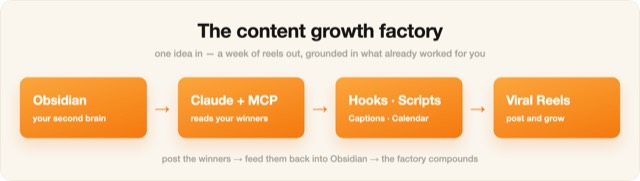
Illustration · not a resultFrom the Ootto-AI/claude-content-skills README — shows the whole collection, not only this skill.source ↗
Use when an approved social campaign needs a media-ready brief for paid distribution, creative testing, and measurement.
by Ootto-AI·MIT license·★ 139 Stars on the repo·GitHub ↗
npx degit Ootto-AI/claude-content-skills/skills/paid-social-brief#main ~/.claude/skills/paid-social-briefChecked ·commit main
Illustration · not a resultFrom the Ootto-AI/claude-content-skills README — shows the whole collection, not only this skill.view on GitHub
Files of Paid social brief
Show the full text46 lines
Paid Social Brief
Translate an approved campaign into testable paid-social decisions without pretending media execution or platform access exists.
1. Confirm the approved foundation
Ask for the campaign objective, offer, claim boundary, landing destination, proof, audience evidence, budget range if supplied, policy constraints, and the owner who can actually configure the platform. If the offer or landing page is unapproved, do not write ads around it.
2. Define the test, not a prediction
State the hypothesis, audience context, creative angle, desired action, measurement event, and what would count as useful learning. Separate audience hypotheses from targeting settings because platform availability and policy can change. Keep the number of simultaneous variables small enough to interpret.
3. Specify creative and destination requirements
List the approved message variants, proof assets, disclosures, format needs, destination expectation, exclusions, and prohibited claims. Tie each creative to a hypothesis. Note where a native platform review or legal approval is required rather than claiming it is complete.
4. Set guardrails for operation and review
Provide the budget and pacing decisions only when supplied by an authorised owner; otherwise mark them open. Define launch checks, reporting window, stop or revise conditions, and the exact data needed for a review. Ensure tracked links follow the agreed UTM plan.
Hard rules
- Do not claim access to ad accounts, audiences, pixels, spend, or platform features you do not have.
- Never target or exclude sensitive groups in a way that violates law, policy, or the approved brief.
- Do not use unsubstantiated performance, health, financial, or customer-result claims.
- Do not optimize solely for cheap clicks when the campaign's intended action is elsewhere.
- Keep organic and paid results labelled separately in every report.
Failure modes
| Failure | Do this instead |
|---|---|
| A media brief is only ad copy | Define the hypothesis, audience context, measurement, and decision threshold. |
| Too many variables change at once | Limit the first test to the few variables needed to answer one question. |
| Creative promises more than the destination delivers | Align every claim with the approved landing experience and proof. |
| Results cannot be attributed | Create the UTM and measurement plan before launch. |
Where it sits
Use campaign-brief and positioning-audit before this skill. Use utm-campaign-plan to make link naming consistent and cross-platform-distribution to distinguish paid from owned work. Use social-analytics-report for operating decisions and launch-retrospective for the full review.
| 1 | |
| 2 | name paid-social-brief |
| 3 | description Use when an approved social campaign needs a media-ready brief for paid distribution, creative testing, and measurement. Trigger phrases include "brief paid social", "plan this ad test", "turn this campaign into paid", "what should we test in ads?", and "make a Meta or LinkedIn ad brief". Do not use this to claim ad-account access, launch spend, bypass platform policy, or invent targeting capabilities; use campaign-brief for the source strategy, utm-campaign-plan for tracking conventions, and social-analytics-report for results interpretation. |
| 4 | |
| 5 | |
| 6 | # Paid Social Brief |
| 7 | |
| 8 | Translate an approved campaign into testable paid-social decisions without pretending media execution or platform access exists. |
| 9 | |
| 10 | ## 1. Confirm the approved foundation |
| 11 | |
| 12 | Ask for the campaign objective, offer, claim boundary, landing destination, proof, audience evidence, budget range if supplied, policy constraints, and the owner who can actually configure the platform. If the offer or landing page is unapproved, do not write ads around it. |
| 13 | |
| 14 | ## 2. Define the test, not a prediction |
| 15 | |
| 16 | State the hypothesis, audience context, creative angle, desired action, measurement event, and what would count as useful learning. Separate audience hypotheses from targeting settings because platform availability and policy can change. Keep the number of simultaneous variables small enough to interpret. |
| 17 | |
| 18 | ## 3. Specify creative and destination requirements |
| 19 | |
| 20 | List the approved message variants, proof assets, disclosures, format needs, destination expectation, exclusions, and prohibited claims. Tie each creative to a hypothesis. Note where a native platform review or legal approval is required rather than claiming it is complete. |
| 21 | |
| 22 | ## 4. Set guardrails for operation and review |
| 23 | |
| 24 | Provide the budget and pacing decisions only when supplied by an authorised owner; otherwise mark them open. Define launch checks, reporting window, stop or revise conditions, and the exact data needed for a review. Ensure tracked links follow the agreed UTM plan. |
| 25 | |
| 26 | ## Hard rules |
| 27 | |
| 28 | Do not claim access to ad accounts, audiences, pixels, spend, or platform features you do not have. |
| 29 | Never target or exclude sensitive groups in a way that violates law, policy, or the approved brief. |
| 30 | Do not use unsubstantiated performance, health, financial, or customer-result claims. |
| 31 | Do not optimize solely for cheap clicks when the campaign's intended action is elsewhere. |
| 32 | Keep organic and paid results labelled separately in every report. |
| 33 | |
| 34 | ## Failure modes |
| 35 | |
| 36 | | Failure | Do this instead | |
| 37 | | --- | --- | |
| 38 | | A media brief is only ad copy | Define the hypothesis, audience context, measurement, and decision threshold. | |
| 39 | | Too many variables change at once | Limit the first test to the few variables needed to answer one question. | |
| 40 | | Creative promises more than the destination delivers | Align every claim with the approved landing experience and proof. | |
| 41 | | Results cannot be attributed | Create the UTM and measurement plan before launch. | |
| 42 | |
| 43 | ## Where it sits |
| 44 | |
| 45 | Use campaign-brief and positioning-audit before this skill. Use utm-campaign-plan to make link naming consistent and cross-platform-distribution to distinguish paid from owned work. Use social-analytics-report for operating decisions and launch-retrospective for the full review. |
| 46 |
Discussion
Alternatives
 Amazon Ads AuditYou share your Amazon advertising numbers and goals; you get back a plain-language review of what's draining your budget and what to change first.
 Apple Ads AuditPaste what you're spending on Apple Search Ads and your recent numbers; get back a plain review of what's wasting money and what to fix first.Amazon Ads PlanningPlan and review Amazon Ads with margin-aware ACoS, product, and search-term guardrails. Use for Amazon advertising, Sponsored Products, Sponsored Brands, Sponsored Display, ASIN targeting, Amazon ACoS, or Amazon Ads performance exports.
Browse more free Claude skills or everything in Marketing.