Launch retrospective skill
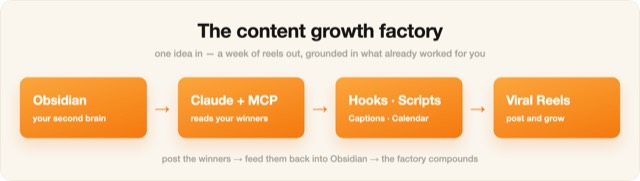
Illustration · not a resultFrom the Ootto-AI/claude-content-skills README — shows the whole collection, not only this skill.source ↗
Use after a social launch, campaign, creator collaboration, or distribution test has enough evidence to decide what should be repeated, changed, or stopped.
by Ootto-AI·MIT license·★ 139 Stars on the repo·GitHub ↗
npx degit Ootto-AI/claude-content-skills/skills/launch-retrospective#main ~/.claude/skills/launch-retrospectiveChecked ·commit main
Illustration · not a resultFrom the Ootto-AI/claude-content-skills README — shows the whole collection, not only this skill.view on GitHub
Files of Launch retrospective
Show the full text46 lines
Launch Retrospective
Turn a completed campaign into durable operational learning: what happened, why it may have happened, and the next smallest decision.
1. Reconstruct the intended plan
Bring together the original objective, audience, approved message, channel roles, budget or partner scope where supplied, timing, measurement plan, and decisions made during execution. Compare what actually shipped with what was planned. Separate a deliberate change from an accidental deviation.
2. Gather the evidence with limits attached
Use available performance data, qualitative feedback, partner notes, approvals, and execution records. State dates, metric definitions, missing data, and material confounders. Keep a timeline so the team does not attribute an outcome to a change that happened after it.
3. Distinguish facts from explanations
List observations first: what was published, what audiences did, and what tracking shows. Then list hypotheses about message, format, distribution, timing, destination, or process. Give each hypothesis a confidence level and the evidence that would strengthen or weaken it.
4. Commit to operational changes
Return a short set of keep, change, test, and stop decisions with owners and due dates. Update reusable inputs such as the campaign brief template, proof library, UTM vocabulary, or creator brief. Leave a clear record of unresolved questions so they are not rewritten as facts next time.
Hard rules
- Do not use a retrospective to blame individuals, creators, or customers for an outcome.
- Never claim causation where the evidence only shows correlation.
- Include negative and inconclusive results; they are part of the learning.
- Do not compare campaigns with different objectives or measurement conditions as if they were identical.
- Separate process failure from message failure before prescribing a fix.
Failure modes
| Failure | Do this instead |
|---|---|
| The retro is a victory lap or blame document | Use a factual timeline, uncertainty, and future-oriented decisions. |
| A single metric explains the whole launch | Combine the original job, data boundary, qualitative evidence, and process record. |
| Lessons stay as vague observations | Turn each learning into a named change, test, or stop decision. |
| The same tracking issue returns next launch | Update the UTM or measurement workflow with a clear owner. |
Where it sits
Use social-analytics-report for structured performance evidence during the launch. Use campaign-brief, paid-social-brief, influencer-partnerships, and utm-campaign-plan as source records. Feed confirmed lessons into the next campaign-brief rather than treating the retro as a standalone document.
| 1 | |
| 2 | name launch-retrospective |
| 3 | description Use after a social launch, campaign, creator collaboration, or distribution test has enough evidence to decide what should be repeated, changed, or stopped. Trigger phrases include "run a launch retro", "what did we learn from this campaign?", "postmortem this launch", "should we repeat this?", and "turn these results into next steps". Do not use this to assign blame, invent missing data, or write a live performance dashboard; use social-analytics-report for the in-flight metric read and campaign-brief to plan the next campaign. |
| 4 | |
| 5 | |
| 6 | # Launch Retrospective |
| 7 | |
| 8 | Turn a completed campaign into durable operational learning: what happened, why it may have happened, and the next smallest decision. |
| 9 | |
| 10 | ## 1. Reconstruct the intended plan |
| 11 | |
| 12 | Bring together the original objective, audience, approved message, channel roles, budget or partner scope where supplied, timing, measurement plan, and decisions made during execution. Compare what actually shipped with what was planned. Separate a deliberate change from an accidental deviation. |
| 13 | |
| 14 | ## 2. Gather the evidence with limits attached |
| 15 | |
| 16 | Use available performance data, qualitative feedback, partner notes, approvals, and execution records. State dates, metric definitions, missing data, and material confounders. Keep a timeline so the team does not attribute an outcome to a change that happened after it. |
| 17 | |
| 18 | ## 3. Distinguish facts from explanations |
| 19 | |
| 20 | List observations first: what was published, what audiences did, and what tracking shows. Then list hypotheses about message, format, distribution, timing, destination, or process. Give each hypothesis a confidence level and the evidence that would strengthen or weaken it. |
| 21 | |
| 22 | ## 4. Commit to operational changes |
| 23 | |
| 24 | Return a short set of keep, change, test, and stop decisions with owners and due dates. Update reusable inputs such as the campaign brief template, proof library, UTM vocabulary, or creator brief. Leave a clear record of unresolved questions so they are not rewritten as facts next time. |
| 25 | |
| 26 | ## Hard rules |
| 27 | |
| 28 | Do not use a retrospective to blame individuals, creators, or customers for an outcome. |
| 29 | Never claim causation where the evidence only shows correlation. |
| 30 | Include negative and inconclusive results; they are part of the learning. |
| 31 | Do not compare campaigns with different objectives or measurement conditions as if they were identical. |
| 32 | Separate process failure from message failure before prescribing a fix. |
| 33 | |
| 34 | ## Failure modes |
| 35 | |
| 36 | | Failure | Do this instead | |
| 37 | | --- | --- | |
| 38 | | The retro is a victory lap or blame document | Use a factual timeline, uncertainty, and future-oriented decisions. | |
| 39 | | A single metric explains the whole launch | Combine the original job, data boundary, qualitative evidence, and process record. | |
| 40 | | Lessons stay as vague observations | Turn each learning into a named change, test, or stop decision. | |
| 41 | | The same tracking issue returns next launch | Update the UTM or measurement workflow with a clear owner. | |
| 42 | |
| 43 | ## Where it sits |
| 44 | |
| 45 | Use social-analytics-report for structured performance evidence during the launch. Use campaign-brief, paid-social-brief, influencer-partnerships, and utm-campaign-plan as source records. Feed confirmed lessons into the next campaign-brief rather than treating the retro as a standalone document. |
| 46 |
Discussion
Alternatives
Browse more free Claude skills or everything in Product.