Vintage film skill
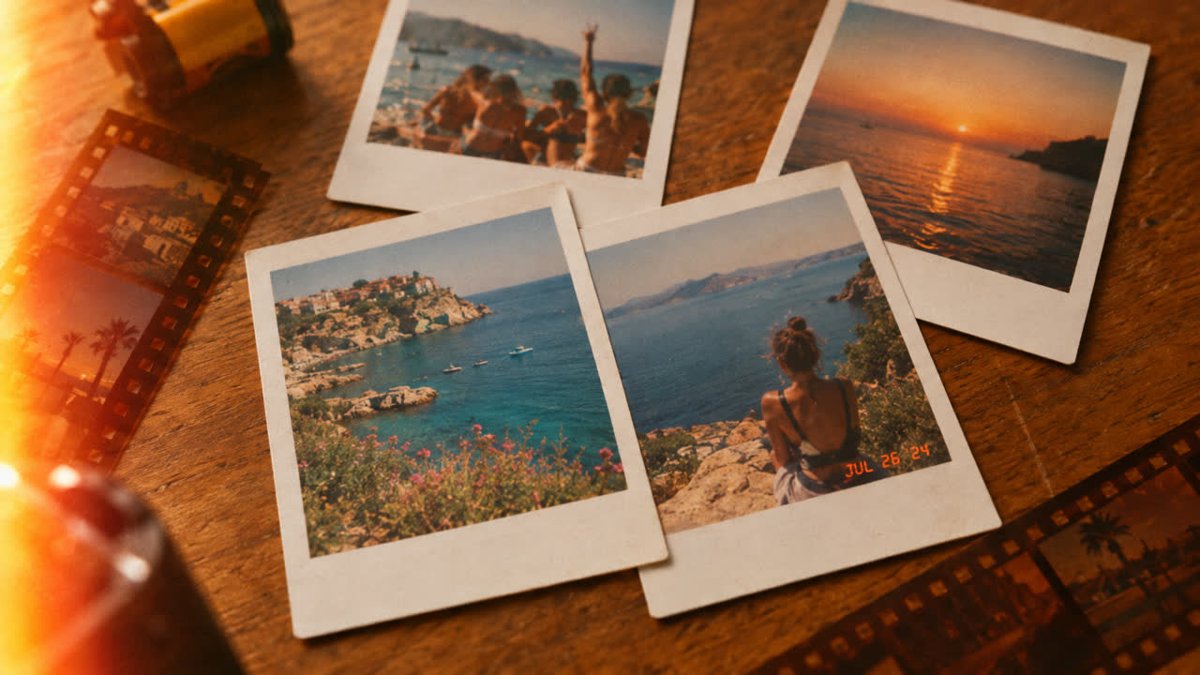
Illustration · not a resultFrom the openfilm/openfilm README — shows the whole collection, not only this skill.source ↗
Make the person's photos and clips into a memory film that looks shot on old film or kept as instant photos and prints.
by openfilm·MIT license·★ 975 Stars on the repo·GitHub ↗
npx degit openfilm/openfilm/packages/openfilm/skills/vintage-film#main ~/.claude/skills/vintage-filmChecked ·commit main
Files of Vintage film
Show the full text39 lines
Vintage film
Make the memory film the people in these pictures will watch again and send to each other: their own photos and clips, as if found on an old reel or in a box of prints. Surprise us; the expected version is not the goal.
The pictures are the film. The film look is how they were taken and printed, part of each picture rather than a filter laid over it, and it never changes who or what is in them.
What has to be true
- The people and moments untouched. Faces, bodies, who was there and what was behind them stay as they were: what a darkroom could do (crop, scale, color, grain, light) and nothing more. No face restored, no picture extended, no person made to move or smile, unless the person asks; then say it is generated.
- Only true words. Dates, places and names come from the person or the pictures' own metadata, never guessed; the real order is kept unless they want another.
- Everyone who matters stays in the frame, through every move.
- It holds up next to the best memory films you know. Watch the whole film as a viewer would, and keep refining until it does. If anyone's photos could be dropped into it, it is not done yet.
What you have
The pictures and their metadata, the person's own song or music from npx openfilm get, and anything you can make
pictures and motion with: the web platform and any library on it, renderers whose output becomes a clip, any font whose
license allows it, your own built-in tools, and services the person has keys for. OpenFilm's own rules still hold: the
picture at t depends on t alone, a page has no sound, and what you render elsewhere enters as a clip under assets/
with the script that made it. Ask before downloading anything large onto the person's computer.
With the person
What they ask for comes before anything here. The photos and clips, who and what it is about, where it will be watched (a post, a screen at a party), and a song if they have one. Ask without holding up the work. When done, tell them in a few lines what you made, how many pictures you used (the rest can come back), where each date and place came from, and what of theirs would make it better.
| 1 | |
| 2 | name vintage-film |
| 3 | description Make the person's photos and clips into a memory film that looks shot on old film or kept as instant photos and prints. Use for memories and recaps (a trip, a birthday, a graduation, a wedding, a year, a child growing up) or when the person asks for a retro, film, analog, Polaroid or instant-photo look (复古, 胶片, 拍立得, 回忆, 相册, 年度回顾). |
| 4 | |
| 5 | |
| 6 | # Vintage film |
| 7 | |
| 8 | Make the memory film the people in these pictures will watch again and send to each other: their own photos and clips, |
| 9 | as if found on an old reel or in a box of prints. Surprise us; the expected version is not the goal. |
| 10 | |
| 11 | The pictures are the film. The film look is how they were taken and printed, part of each picture rather than a filter |
| 12 | laid over it, and it never changes who or what is in them. |
| 13 | |
| 14 | ## What has to be true |
| 15 | |
| 16 | **The people and moments untouched.** Faces, bodies, who was there and what was behind them stay as they were: what a |
| 17 | darkroom could do (crop, scale, color, grain, light) and nothing more. No face restored, no picture extended, no |
| 18 | person made to move or smile, unless the person asks; then say it is generated. |
| 19 | **Only true words.** Dates, places and names come from the person or the pictures' own metadata, never guessed; the |
| 20 | real order is kept unless they want another. |
| 21 | **Everyone who matters stays in the frame**, through every move. |
| 22 | **It holds up next to the best memory films you know.** Watch the whole film as a viewer would, and keep refining |
| 23 | until it does. If anyone's photos could be dropped into it, it is not done yet. |
| 24 | |
| 25 | ## What you have |
| 26 | |
| 27 | The pictures and their metadata, the person's own song or music from `npx openfilm get`, and anything you can make |
| 28 | pictures and motion with: the web platform and any library on it, renderers whose output becomes a clip, any font whose |
| 29 | license allows it, your own built-in tools, and services the person has keys for. OpenFilm's own rules still hold: the |
| 30 | picture at t depends on t alone, a page has no sound, and what you render elsewhere enters as a clip under `assets/` |
| 31 | with the script that made it. Ask before downloading anything large onto the person's computer. |
| 32 | |
| 33 | ## With the person |
| 34 | |
| 35 | What they ask for comes before anything here. The photos and clips, who and what it is about, where it will be watched |
| 36 | (a post, a screen at a party), and a song if they have one. Ask without holding up the work. When done, tell them in a |
| 37 | few lines what you made, how many pictures you used (the rest can come back), where each date and place came from, and |
| 38 | what of theirs would make it better. |
| 39 |
Discussion
Browse more free Claude skills.