Build reusable Terraform modules for AWS, Azure, GCP
Terraform module library
Build reusable Terraform modules for AWS, Azure, GCP, and OCI infrastructure following infrastructure-as-code best practices. Use when creating infrastructure modules, standardizing cloud provisioning, or implementing reusable IaC…
---
name: terraform-module-library
description: Build reusable Terraform modules for AWS, Azure, GCP, and OCI infrastructure following infrastructure-as-code best practices. Use when creating infrastructure modules, standardizing cloud provisioning, or implementing reusable IaC components.
---

# Terraform Module Library

Production-ready Terraform module patterns for AWS, Azure, GCP, and OCI infrastructure.

## Purpose

Create reusable, well-tested Terraform modules for common cloud infrastructure patterns across multiple cloud providers.

## When to Use

- Build reusable infrastructure components
- Standardize cloud resource provisioning
- Implement infrastructure as code best practices
Overview
Production-ready Terraform module patterns for AWS, Azure, GCP, and OCI infrastructure.
Manual install (npx, ZIP)
Claude Code
npx skills add wshobson/agents --skill terraform-module-library -g -a claude-codeClaude Code (manual)
mkdir -p ~/.claude/skills && curl -sL https://codeload.github.com/wshobson/agents/tar.gz/4236bb91f839 \
  | tar -xz -C ~/.claude/skills --strip-components=4 agents-4236bb91f839/plugins/cloud-infrastructure/skills/terraform-module-library
Windows (PowerShell)
New-Item -ItemType Directory -Force "$HOME\.claude\skills" | Out-Null; Invoke-WebRequest "https://m.agentalley.io/zip/e2d8c7f6d87d8440f875/terraform-module-library.zip" -OutFile "$env:TEMP\terraform-module-library.zip"; Expand-Archive "$env:TEMP\terraform-module-library.zip" -DestinationPath "$HOME\.claude\skills" -ForceClaude.ai / desktop
Codex, Cursor, other agents
Connects with Agent Alley MCP · agentalley.io/mcp
Files included
SKILL.md5.5 KBreferences/2 files · 2.7 KB
Read the files here
SKILL.md
Show the full text252 lines
Terraform Module Library
Production-ready Terraform module patterns for AWS, Azure, GCP, and OCI infrastructure.
Purpose
Create reusable, well-tested Terraform modules for common cloud infrastructure patterns across multiple cloud providers.
When to Use
- Build reusable infrastructure components
- Standardize cloud resource provisioning
- Implement infrastructure as code best practices
- Create multi-cloud compatible modules
- Establish organizational Terraform standards
Module Structure
terraform-modules/
├── aws/
│   ├── vpc/
│   ├── eks/
│   ├── rds/
│   └── s3/
├── azure/
│   ├── vnet/
│   ├── aks/
│   └── storage/
├── gcp/
│   ├── vpc/
│   ├── gke/
│   └── cloud-sql/
└── oci/
    ├── vcn/
    ├── oke/
    └── object-storage/
Standard Module Pattern
module-name/
├── main.tf          # Main resources
├── variables.tf     # Input variables
├── outputs.tf       # Output values
├── versions.tf      # Provider versions
├── README.md        # Documentation
├── examples/        # Usage examples
│   └── complete/
│       ├── main.tf
│       └── variables.tf
└── tests/           # Terratest files
    └── module_test.go
AWS VPC Module Example
main.tf:
resource "aws_vpc" "main" {
  cidr_block           = var.cidr_block
  enable_dns_hostnames = var.enable_dns_hostnames
  enable_dns_support   = var.enable_dns_support

  tags = merge(
    {
      Name = var.name
    },
    var.tags
  )
}

resource "aws_subnet" "private" {
  count             = length(var.private_subnet_cidrs)
  vpc_id            = aws_vpc.main.id
  cidr_block        = var.private_subnet_cidrs[count.index]
  availability_zone = var.availability_zones[count.index]

  tags = merge(
    {
      Name = "${var.name}-private-${count.index + 1}"
      Tier = "private"
    },
    var.tags
  )
}

resource "aws_internet_gateway" "main" {
  count  = var.create_internet_gateway ? 1 : 0
  vpc_id = aws_vpc.main.id

  tags = merge(
    {
      Name = "${var.name}-igw"
    },
    var.tags
  )
}
variables.tf:
variable "name" {
  description = "Name of the VPC"
  type        = string
}

variable "cidr_block" {
  description = "CIDR block for VPC"
  type        = string
  validation {
    condition     = can(regex("^([0-9]{1,3}\\.){3}[0-9]{1,3}/[0-9]{1,2}$", var.cidr_block))
    error_message = "CIDR block must be valid IPv4 CIDR notation."
  }
}

variable "availability_zones" {
  description = "List of availability zones"
  type        = list(string)
}

variable "private_subnet_cidrs" {
  description = "CIDR blocks for private subnets"
  type        = list(string)
  default     = []
}

variable "enable_dns_hostnames" {
  description = "Enable DNS hostnames in VPC"
  type        = bool
  default     = true
}

variable "tags" {
  description = "Additional tags"
  type        = map(string)
  default     = {}
}
outputs.tf:
output "vpc_id" {
  description = "ID of the VPC"
  value       = aws_vpc.main.id
}

output "private_subnet_ids" {
  description = "IDs of private subnets"
  value       = aws_subnet.private[*].id
}

output "vpc_cidr_block" {
  description = "CIDR block of VPC"
  value       = aws_vpc.main.cidr_block
}
Best Practices
- Use semantic versioning for modules
- Document all variables with descriptions
- Provide examples in examples/ directory
- Use validation blocks for input validation
- Output important attributes for module composition
- Pin provider versions in versions.tf
- Use locals for computed values
- Implement conditional resources with count/for_each
- Test modules with Terratest
- Tag all resources consistently
Reference: See references/aws-modules.md and references/oci-modules.md
Module Composition
module "vpc" {
  source = "../../modules/aws/vpc"

  name               = "production"
  cidr_block         = "10.0.0.0/16"
  availability_zones = ["us-west-2a", "us-west-2b", "us-west-2c"]

  private_subnet_cidrs = [
    "10.0.1.0/24",
    "10.0.2.0/24",
    "10.0.3.0/24"
  ]

  tags = {
    Environment = "production"
    ManagedBy   = "terraform"
  }
}

module "rds" {
  source = "../../modules/aws/rds"

  identifier     = "production-db"
  engine         = "postgres"
  engine_version = "15.3"
  instance_class = "db.t3.large"

  vpc_id     = module.vpc.vpc_id
  subnet_ids = module.vpc.private_subnet_ids

  tags = {
    Environment = "production"
  }
}
Testing
// tests/vpc_test.go
package test

import (
    "testing"
    "github.com/gruntwork-io/terratest/modules/terraform"
    "github.com/stretchr/testify/assert"
)

func TestVPCModule(t *testing.T) {
    terraformOptions := &terraform.Options{
        TerraformDir: "../examples/complete",
    }

    defer terraform.Destroy(t, terraformOptions)
    terraform.InitAndApply(t, terraformOptions)

    vpcID := terraform.Output(t, terraformOptions, "vpc_id")
    assert.NotEmpty(t, vpcID)
}
Related Skills
multi-cloud-architecture- For architectural decisionscost-optimization- For cost-effective designs
| 1 | |
| 2 | name terraform-module-library |
| 3 | description Build reusable Terraform modules for AWS, Azure, GCP, and OCI infrastructure following infrastructure-as-code best practices. Use when creating infrastructure modules, standardizing cloud provisioning, or implementing reusable IaC components. |
| 4 | |
| 5 | |
| 6 | # Terraform Module Library |
| 7 | |
| 8 | Production-ready Terraform module patterns for AWS, Azure, GCP, and OCI infrastructure. |
| 9 | |
| 10 | ## Purpose |
| 11 | |
| 12 | Create reusable, well-tested Terraform modules for common cloud infrastructure patterns across multiple cloud providers. |
| 13 | |
| 14 | ## When to Use |
| 15 | |
| 16 | Build reusable infrastructure components |
| 17 | Standardize cloud resource provisioning |
| 18 | Implement infrastructure as code best practices |
| 19 | Create multi-cloud compatible modules |
| 20 | Establish organizational Terraform standards |
| 21 | |
| 22 | ## Module Structure |
| 23 | |
| 24 | |
| 25 | terraform-modules/ |
| 26 | ├── aws/ |
| 27 | │ ├── vpc/ |
| 28 | │ ├── eks/ |
| 29 | │ ├── rds/ |
| 30 | │ └── s3/ |
| 31 | ├── azure/ |
| 32 | │ ├── vnet/ |
| 33 | │ ├── aks/ |
| 34 | │ └── storage/ |
| 35 | ├── gcp/ |
| 36 | │ ├── vpc/ |
| 37 | │ ├── gke/ |
| 38 | │ └── cloud-sql/ |
| 39 | └── oci/ |
| 40 | ├── vcn/ |
| 41 | ├── oke/ |
| 42 | └── object-storage/ |
| 43 | |
| 44 | |
| 45 | ## Standard Module Pattern |
| 46 | |
| 47 | |
| 48 | module-name/ |
| 49 | ├── main.tf # Main resources |
| 50 | ├── variables.tf # Input variables |
| 51 | ├── outputs.tf # Output values |
| 52 | ├── versions.tf # Provider versions |
| 53 | ├── README.md # Documentation |
| 54 | ├── examples/ # Usage examples |
| 55 | │ └── complete/ |
| 56 | │ ├── main.tf |
| 57 | │ └── variables.tf |
| 58 | └── tests/ # Terratest files |
| 59 | └── module_test.go |
| 60 | |
| 61 | |
| 62 | ## AWS VPC Module Example |
| 63 | |
| 64 | **main.tf:** |
| 65 | |
| 66 | |
| 67 | resource "aws_vpc" "main" { |
| 68 | cidr_block = var.cidr_block |
| 69 | enable_dns_hostnames = var.enable_dns_hostnames |
| 70 | enable_dns_support = var.enable_dns_support |
| 71 | |
| 72 | tags = merge( |
| 73 | { |
| 74 | Name = var.name |
| 75 | }, |
| 76 | var.tags |
| 77 | ) |
| 78 | } |
| 79 | |
| 80 | resource "aws_subnet" "private" { |
| 81 | count = length(var.private_subnet_cidrs) |
| 82 | vpc_id = aws_vpc.main.id |
| 83 | cidr_block = var.private_subnet_cidrs[count.index] |
| 84 | availability_zone = var.availability_zones[count.index] |
| 85 | |
| 86 | tags = merge( |
| 87 | { |
| 88 | Name = "${var.name}-private-${count.index + 1}" |
| 89 | Tier = "private" |
| 90 | }, |
| 91 | var.tags |
| 92 | ) |
| 93 | } |
| 94 | |
| 95 | resource "aws_internet_gateway" "main" { |
| 96 | count = var.create_internet_gateway ? 1 : 0 |
| 97 | vpc_id = aws_vpc.main.id |
| 98 | |
| 99 | tags = merge( |
| 100 | { |
| 101 | Name = "${var.name}-igw" |
| 102 | }, |
| 103 | var.tags |
| 104 | ) |
| 105 | } |
| 106 | |
| 107 | |
| 108 | **variables.tf:** |
| 109 | |
| 110 | |
| 111 | variable "name" { |
| 112 | description = "Name of the VPC" |
| 113 | type = string |
| 114 | } |
| 115 | |
| 116 | variable "cidr_block" { |
| 117 | description = "CIDR block for VPC" |
| 118 | type = string |
| 119 | validation { |
| 120 | condition = can(regex("^([0-9]{1,3}\\.){3}[0-9]{1,3}/[0-9]{1,2}$", var.cidr_block)) |
| 121 | error_message = "CIDR block must be valid IPv4 CIDR notation." |
| 122 | } |
| 123 | } |
| 124 | |
| 125 | variable "availability_zones" { |
| 126 | description = "List of availability zones" |
| 127 | type = list(string) |
| 128 | } |
| 129 | |
| 130 | variable "private_subnet_cidrs" { |
| 131 | description = "CIDR blocks for private subnets" |
| 132 | type = list(string) |
| 133 | default = [] |
| 134 | } |
| 135 | |
| 136 | variable "enable_dns_hostnames" { |
| 137 | description = "Enable DNS hostnames in VPC" |
| 138 | type = bool |
| 139 | default = true |
| 140 | } |
| 141 | |
| 142 | variable "tags" { |
| 143 | description = "Additional tags" |
| 144 | type = map(string) |
| 145 | default = {} |
| 146 | } |
| 147 | |
| 148 | |
| 149 | **outputs.tf:** |
| 150 | |
| 151 | |
| 152 | output "vpc_id" { |
| 153 | description = "ID of the VPC" |
| 154 | value = aws_vpc.main.id |
| 155 | } |
| 156 | |
| 157 | output "private_subnet_ids" { |
| 158 | description = "IDs of private subnets" |
| 159 | value = aws_subnet.private[*].id |
| 160 | } |
| 161 | |
| 162 | output "vpc_cidr_block" { |
| 163 | description = "CIDR block of VPC" |
| 164 | value = aws_vpc.main.cidr_block |
| 165 | } |
| 166 | |
| 167 | |
| 168 | ## Best Practices |
| 169 | |
| 170 | **Use semantic versioning** for modules |
| 171 | **Document all variables** with descriptions |
| 172 | **Provide examples** in examples/ directory |
| 173 | **Use validation blocks** for input validation |
| 174 | **Output important attributes** for module composition |
| 175 | **Pin provider versions** in versions.tf |
| 176 | **Use locals** for computed values |
| 177 | **Implement conditional resources** with count/for_each |
| 178 | **Test modules** with Terratest |
| 179 | **Tag all resources** consistently |
| 180 | |
| 181 | **Reference:** See `references/aws-modules.md` and `references/oci-modules.md` |
| 182 | |
| 183 | ## Module Composition |
| 184 | |
| 185 | |
| 186 | module "vpc" { |
| 187 | source = "../../modules/aws/vpc" |
| 188 | |
| 189 | name = "production" |
| 190 | cidr_block = "10.0.0.0/16" |
| 191 | availability_zones = ["us-west-2a", "us-west-2b", "us-west-2c"] |
| 192 | |
| 193 | private_subnet_cidrs = [ |
| 194 | "10.0.1.0/24", |
| 195 | "10.0.2.0/24", |
| 196 | "10.0.3.0/24" |
| 197 | ] |
| 198 | |
| 199 | tags = { |
| 200 | Environment = "production" |
| 201 | ManagedBy = "terraform" |
| 202 | } |
| 203 | } |
| 204 | |
| 205 | module "rds" { |
| 206 | source = "../../modules/aws/rds" |
| 207 | |
| 208 | identifier = "production-db" |
| 209 | engine = "postgres" |
| 210 | engine_version = "15.3" |
| 211 | instance_class = "db.t3.large" |
| 212 | |
| 213 | vpc_id = module.vpc.vpc_id |
| 214 | subnet_ids = module.vpc.private_subnet_ids |
| 215 | |
| 216 | tags = { |
| 217 | Environment = "production" |
| 218 | } |
| 219 | } |
| 220 | |
| 221 | |
| 222 | |
| 223 | ## Testing |
| 224 | |
| 225 | |
| 226 | // tests/vpc_test.go |
| 227 | package test |
| 228 | |
| 229 | import ( |
| 230 | "testing" |
| 231 | "github.com/gruntwork-io/terratest/modules/terraform" |
| 232 | "github.com/stretchr/testify/assert" |
| 233 | ) |
| 234 | |
| 235 | func TestVPCModule(t *testing.T) { |
| 236 | terraformOptions := &terraform.Options{ |
| 237 | TerraformDir: "../examples/complete", |
| 238 | } |
| 239 | |
| 240 | defer terraform.Destroy(t, terraformOptions) |
| 241 | terraform.InitAndApply(t, terraformOptions) |
| 242 | |
| 243 | vpcID := terraform.Output(t, terraformOptions, "vpc_id") |
| 244 | assert.NotEmpty(t, vpcID) |
| 245 | } |
| 246 | |
| 247 | |
| 248 | ## Related Skills |
| 249 | |
| 250 | `multi-cloud-architecture` - For architectural decisions |
| 251 | `cost-optimization` - For cost-effective designs |
| 252 |
Details
- Updated
- Sep 21, 2026
- License
- MIT
- Stars on the repo
- ★ 39,857
- Checked
- Source
- wshobson/agents ↗
- Creator
- wshobson · 179 listings
Similar skills
See all → SkillFrom a business idea, app ideaAzure app onboard
 microsoft/skills · by microsoftEnd-to-end orchestrator: from a business idea, app idea, or existing app to running Azure deployment with cost estimates and pre-deploy approval. Analyzes your app, auto-detects the right Azure services, scaffolds infrastructure code, and deploys — tailored to your app, not a template. Handles moving existing apps to Azure without rewriting or with minimal changes. WHEN: bring your app to Azure, plan my app, cost to run, is my code ready to deploy, deploy my app to the cloud, deploy all my services, what Azure services do I need, plan my Azure deployment, deploy my new app to Azure, one-click deploy, I have an app and want it on Azure, migrate my app to Azure, help me get started, build an app, no code yet, starter project. DO NOT USE FOR: use azd for deployment(use azure-deploy), optimizing existing costs (use cost-optimization), code readiness checks only (use azure-app-onboard-prereq).★ 3.1k GitHub stars
 SkillAssess whether source code is ready to deploy to AzureAzure App Onboard Prereq — Repository Evaluationmicrosoft/skills · by microsoftAssess whether source code is ready to deploy to Azure — the check BEFORE infrastructure work. Evaluates build health, app completeness, dependencies and local services, stack compatibility, and deployment feasibility. Answers questions about what your app needs before it can be deployed — frameworks, dependencies, and configuration. Checks whether dependencies are compatible and identifies deployment blockers and unsupported frameworks. WHEN: "evaluate my repo", "is my app ready to deploy", "what does my app need to deploy", "what do I need before deploying", "does my app need", "can I ship this to Azure", "scan my repo for issues", "is this app deployable", "check if my app is ready for Azure", "do I need a Dockerfile", "what's blocking my deployment", "are there any blockers", "are my dependencies compatible", "does Azure support my framework", "what needs to change before deploying", "check my app configuration".★ 3.1k GitHub stars
 SkillConfigure Azure API Management as an AI Gateway for AIAzure aigatewaymicrosoft/azure-skills · by microsoftConfigure Azure API Management as an AI Gateway for AI models, MCP tools, and agents. WHEN: semantic caching, token limit, content safety, load balancing, AI model governance, MCP rate limiting, jailbreak detection, add Azure OpenAI backend, add AI Foundry model, test AI gateway, LLM policies, configure AI backend, token metrics, AI cost control, convert API to MCP, import OpenAPI to gateway.★ 1.6k GitHub stars
 SkillQuery and analyze data in Azure Data Explorer using KQLAzure Data Explorer (Kusto) Query & Analyticsmicrosoft/azure-skills · by microsoftQuery and analyze data in Azure Data Explorer (Kusto/ADX) using KQL for log analytics, telemetry, and time series analysis. WHEN: KQL queries, Kusto database queries, Azure Data Explorer, ADX clusters, log analytics, time series data, IoT telemetry, anomaly detection.★ 1.6k GitHub stars
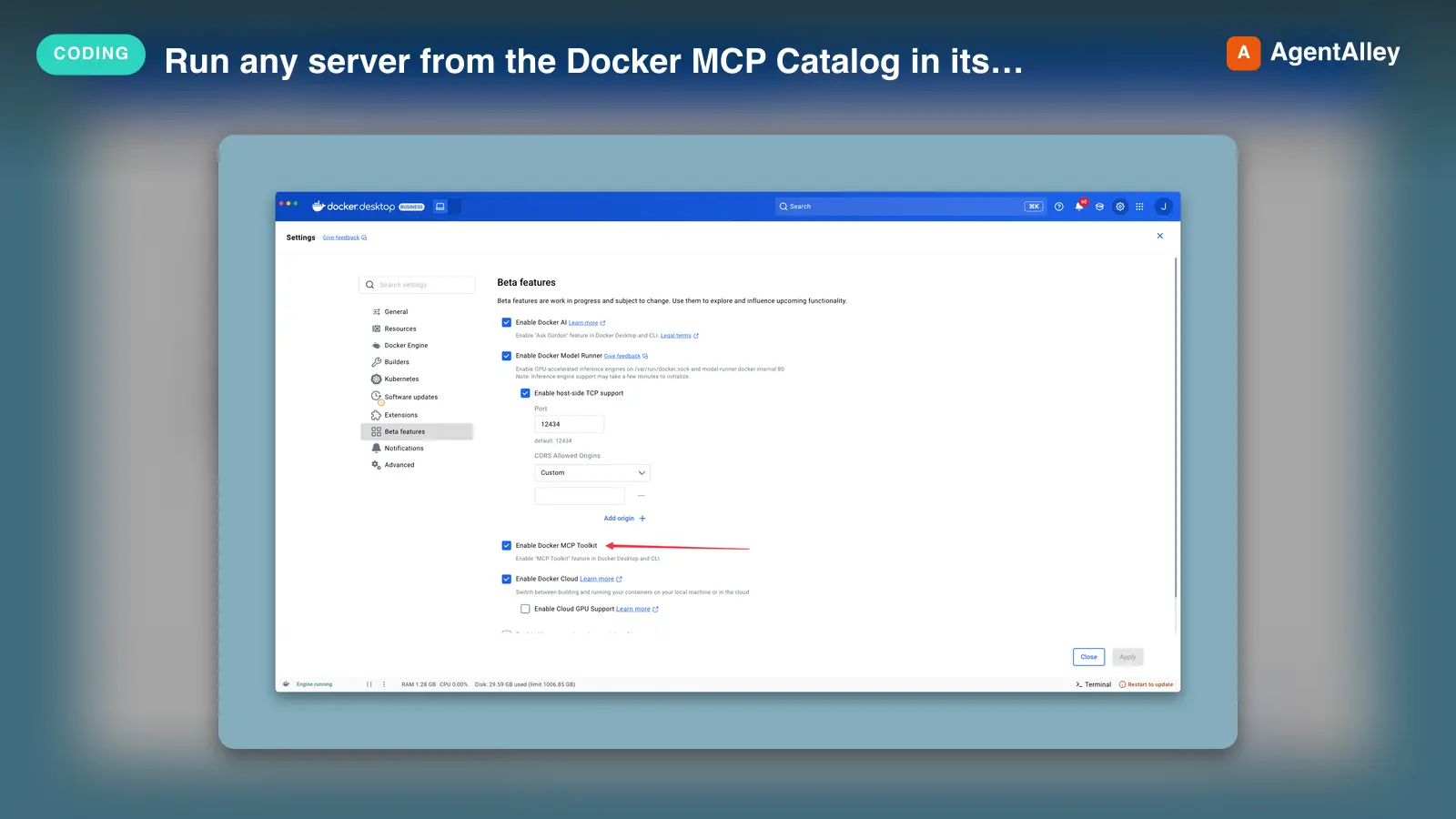 MCPRun any server from the Docker MCP Catalog in its ownDocker MCP gateway
 docker/mcp-gateway · by dockerDocker's own CLI plugin: run any server from the Docker MCP Catalog in its own container, behind one connection, with secrets kept out of env vars.★ 1.6k GitHub stars
 MCPOpen infrastructure for AI agents to discover and pay eachElisym
 elisymlabs/elisym · by elisymlabsOpen infrastructure for AI agents to discover and pay each other★ 17 GitHub stars
More from wshobson
 SkillMaster C/.NET backend development patterns for building
 wshobson/agents · by wshobsonMaster C#/.NET backend development patterns for building robust APIs, MCP servers, and enterprise applications. Covers async/await, dependency injection, Entity Framework Core, Dapper, configuration, caching, and testing with xUnit. Use when developing .NET backends, reviewing C# code, or designing API architectures.★ 39.9k GitHub stars
 SkillImplement WCAG 2.2 compliant interfaces with mobileAccessibility compliancewshobson/agents · by wshobsonImplement WCAG 2.2 compliant interfaces with mobile accessibility, inclusive design patterns, and assistive technology support. Use when auditing accessibility, implementing ARIA patterns, building for screen readers, or ensuring inclusive user experiences.★ 39.9k GitHub stars
 SkillMaster Material Design 3 and Jetpack Compose patternsAndroid Mobile Designwshobson/agents · by wshobsonMaster Material Design 3 and Jetpack Compose patterns for building native Android apps. Use when designing Android interfaces, implementing Compose UI, or following Google's Material Design guidelines.★ 39.9k GitHub stars
 SkillMigrate from AngularJS to Angular using hybrid modeAngular migrationwshobson/agents · by wshobsonMigrate from AngularJS to Angular using hybrid mode, incremental component rewriting, and dependency injection updates. Use when upgrading AngularJS applications, planning framework migrations, or modernizing legacy Angular code.★ 39.9k GitHub stars
 SkillUnderstand anti-reversing, obfuscationAnti reversing techniqueswshobson/agents · by wshobsonUnderstand anti-reversing, obfuscation, and protection techniques encountered during software analysis. Use this skill when analyzing malware evasion techniques, when implementing anti-debugging protections for CTF challenges, when reverse engineering packed binaries, or when building security research tools that need to detect virtualized environments.★ 39.9k GitHub stars
 SkillBuild production Apache Airflow DAGs with best practicesApache Airflow DAG Patternswshobson/agents · by wshobsonBuild production Apache Airflow DAGs with best practices for operators, sensors, testing, and deployment. Use when creating data pipelines, orchestrating workflows, or scheduling batch jobs.★ 39.9k GitHub stars