Social proof mining skill
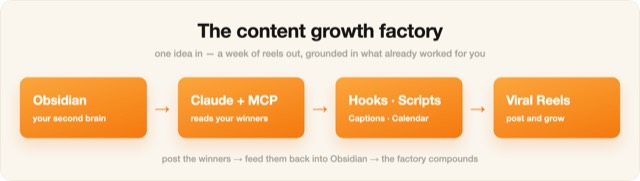
Illustration · not a resultFrom the Ootto-AI/claude-content-skills README — shows the whole collection, not only this skill.source ↗
Use when you need to locate and prepare already-approved customer evidence for a social campaign, profile, post, or sales-adjacent explanation.
by Ootto-AI·MIT license·★ 139 Stars on the repo·GitHub ↗
npx degit Ootto-AI/claude-content-skills/skills/social-proof-mining#main ~/.claude/skills/social-proof-miningChecked ·commit main
Illustration · not a resultFrom the Ootto-AI/claude-content-skills README — shows the whole collection, not only this skill.view on GitHub
Files of Social proof mining
Show the full text46 lines
Social Proof Mining
Build an approval-safe proof library that links every useful claim to a real source, permission status, and context.
1. Gather only traceable evidence
Ask for approved testimonials, case studies, reviews, customer messages, performance data, or public posts along with their source, date, owner, and permission status. Keep evidence that is merely interesting separate from evidence cleared for marketing use.
2. Match proof to a narrow claim
For each item, identify exactly what it supports: a workflow, a customer situation, a qualitative benefit, or a measured outcome. Preserve the conditions around it. If a quote says a customer saved time in one context, do not rewrite it as a universal productivity claim.
3. Create usable proof units
Return a proof card with the exact source wording, approved short form, claim it supports, required attribution or disclosure, usage limits, and a note on context. Flag anything that needs customer, legal, or product approval before it can be published.
4. Choose the smallest truthful placement
Recommend where each proof unit helps: a post, profile, campaign brief, creator brief, or comparison explanation. Pair proof with the claim it verifies. If proof is weak or stale, say so and route to a request for better evidence instead of polishing it into certainty.
Hard rules
- Never invent, composite, or substantially rewrite a customer quote.
- Do not use names, handles, logos, screenshots, DMs, or identifiable outcomes without appropriate permission.
- Preserve scope, timeframe, and conditions for any numeric result.
- Do not imply that one customer represents all customers or guaranteed results.
- Separate public evidence from private feedback and respect every usage restriction.
Failure modes
| Failure | Do this instead |
|---|---|
| A compelling quote has no permission record | Mark it unavailable until the owner confirms usage rights. |
| Proof is detached from its conditions | Keep the original context beside the approved claim. |
| Testimonials become generic praise | Match each item to a specific audience concern or claim. |
| A campaign needs proof that does not exist | Narrow the promise or create a demonstration, not a false testimonial. |
Where it sits
Use social-listening to identify recurring customer language; use this skill to isolate approved evidence. Feed the output into positioning-audit, campaign-brief, linkedin-thought-leadership, and influencer-partnerships. Use audience-personas only for grouped patterns, never to disclose individual customer data.
| 1 | |
| 2 | name social-proof-mining |
| 3 | description Use when you need to locate and prepare already-approved customer evidence for a social campaign, profile, post, or sales-adjacent explanation. Trigger phrases include "find proof we can use", "what customer evidence supports this?", "mine testimonials", "turn these outcomes into social proof", and "which quote backs this claim?". Do not use this to fabricate testimonials, imply endorsement, expose private customer information, or turn a single anecdote into a performance promise; use social-listening for broad feedback patterns and positioning-audit for the message itself. |
| 4 | |
| 5 | |
| 6 | # Social Proof Mining |
| 7 | |
| 8 | Build an approval-safe proof library that links every useful claim to a real source, permission status, and context. |
| 9 | |
| 10 | ## 1. Gather only traceable evidence |
| 11 | |
| 12 | Ask for approved testimonials, case studies, reviews, customer messages, performance data, or public posts along with their source, date, owner, and permission status. Keep evidence that is merely interesting separate from evidence cleared for marketing use. |
| 13 | |
| 14 | ## 2. Match proof to a narrow claim |
| 15 | |
| 16 | For each item, identify exactly what it supports: a workflow, a customer situation, a qualitative benefit, or a measured outcome. Preserve the conditions around it. If a quote says a customer saved time in one context, do not rewrite it as a universal productivity claim. |
| 17 | |
| 18 | ## 3. Create usable proof units |
| 19 | |
| 20 | Return a proof card with the exact source wording, approved short form, claim it supports, required attribution or disclosure, usage limits, and a note on context. Flag anything that needs customer, legal, or product approval before it can be published. |
| 21 | |
| 22 | ## 4. Choose the smallest truthful placement |
| 23 | |
| 24 | Recommend where each proof unit helps: a post, profile, campaign brief, creator brief, or comparison explanation. Pair proof with the claim it verifies. If proof is weak or stale, say so and route to a request for better evidence instead of polishing it into certainty. |
| 25 | |
| 26 | ## Hard rules |
| 27 | |
| 28 | Never invent, composite, or substantially rewrite a customer quote. |
| 29 | Do not use names, handles, logos, screenshots, DMs, or identifiable outcomes without appropriate permission. |
| 30 | Preserve scope, timeframe, and conditions for any numeric result. |
| 31 | Do not imply that one customer represents all customers or guaranteed results. |
| 32 | Separate public evidence from private feedback and respect every usage restriction. |
| 33 | |
| 34 | ## Failure modes |
| 35 | |
| 36 | | Failure | Do this instead | |
| 37 | | --- | --- | |
| 38 | | A compelling quote has no permission record | Mark it unavailable until the owner confirms usage rights. | |
| 39 | | Proof is detached from its conditions | Keep the original context beside the approved claim. | |
| 40 | | Testimonials become generic praise | Match each item to a specific audience concern or claim. | |
| 41 | | A campaign needs proof that does not exist | Narrow the promise or create a demonstration, not a false testimonial. | |
| 42 | |
| 43 | ## Where it sits |
| 44 | |
| 45 | Use social-listening to identify recurring customer language; use this skill to isolate approved evidence. Feed the output into positioning-audit, campaign-brief, linkedin-thought-leadership, and influencer-partnerships. Use audience-personas only for grouped patterns, never to disclose individual customer data. |
| 46 |
Discussion
Browse more free Claude skills.