SEO keyword gap audit
Find keywords competitors rank for that the target property does not, and prioritize them by opportunity.
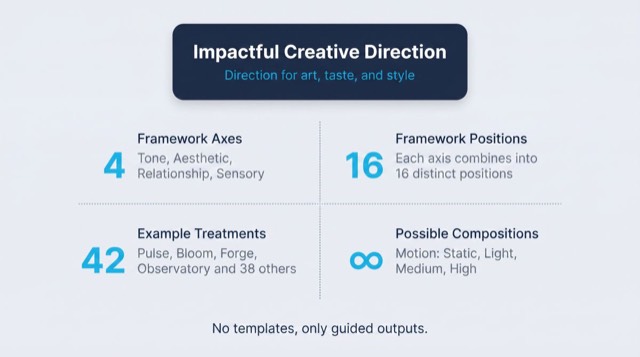
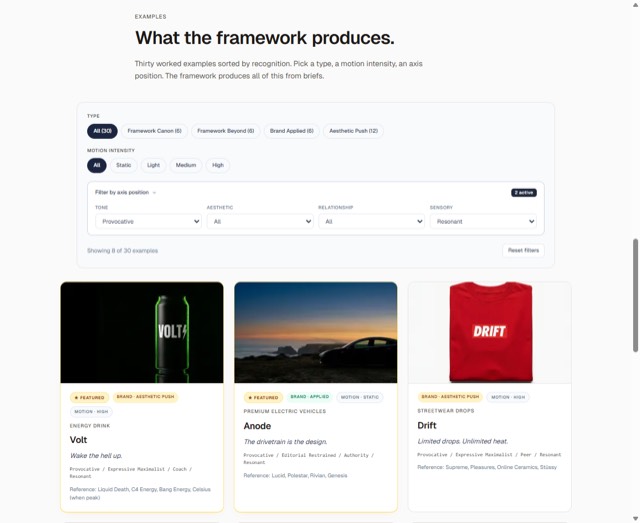
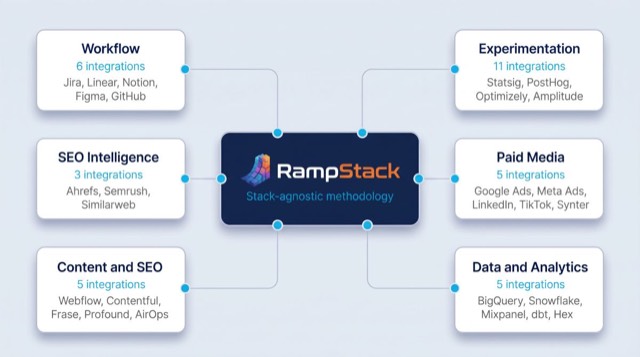
From the rampstackco/claude-skills README — shows the whole collection, not only this skill. · view on GitHub
How to use it
Claude Code
- Run the line below. It pulls the whole folder into
~/.claude/skills/seo-keyword-gap-audit. - Describe your job in plain words. Claude Code follows the skill from there.
npx degit rampstackco/claude-skills/skills/seo-keyword-gap-audit#main ~/.claude/skills/seo-keyword-gap-auditFor one project only, change the path to .claude/skills/seo-keyword-gap-audit.
Claude (web or desktop app)
- On this page open ⋯ → Download .md.
- Save it as SKILL.md in a folder, zip the folder, then Customize → Skills → + → Create skill → Upload a skill.
- Pick the file and Save. Claude shows the name and description and runs a security scan.
- Check the skill is switched on.
- Start a new chat and describe your job in plain words. The AI follows the skill from there.
ChatGPT or another app
- ChatGPT: make a Project and paste it into Instructions.
- Neither? Paste it at the top of a new chat — it works for that chat.
Not working?
- Check which app you pasted it into — the steps above name the right one.
- Some skills need the paid tier of Claude or ChatGPT.
Paste into Claude, ChatGPT or Cursor.
Source of SEO keyword gap audit
Show the full text168 lines
| name | description | category | catalog_summary | display_order |
|---|---|---|---|---|
| seo-keyword-gap-audit | Find keywords competitors rank for that the target property does not, and prioritize them by opportunity. Uses Ahrefs MCP for keyword and competitor data. Use this skill when planning content investment, identifying quick wins, building a content calendar against a competitor set, or scoping a market entry. Triggers on keyword gap, content gap, competitor keywords, opportunity keywords, what should we target, where are competitors winning, keyword opportunity. Also triggers when planning content for a new market or after losing organic share to a specific competitor. | seo-audit-suite | Competitor keyword gaps with opportunity scoring and clustering | 3 |
SEO Keyword Gap Audit
Find keyword opportunities by comparing the target property's organic footprint against a competitor set, using Ahrefs MCP data. Stack-agnostic. Produces a prioritized list of keywords to target with new or improved content.
When to use
- Planning content investment for the next quarter
- Identifying quick-win keywords for fast organic gains
- Scoping market entry into a new vertical
- Refreshing a stale content strategy
- Diagnosing why a competitor is gaining organic share
- Pre-acquisition due diligence on growth ceiling
When NOT to use
- Pure keyword discovery without a competitor frame (use
seo-keyword) - Single-page optimization (use
seo-onpage) - Content audit on existing pages (use
seo-content-audit) - Topic and pillar planning (use
content-strategy)
Required inputs
- Target property
- Competitor set (3-5 properties with overlapping intent and audience)
- Target market and language
- Business priorities (which segments matter most)
- Existing content inventory (URLs and primary topics)
- Confirmation Ahrefs MCP is connected
The framework: the gap matrix
A keyword can fall into one of four cells based on whether the target ranks and whether competitors rank.
| Target ranks | Target does not rank | |
|---|---|---|
| Competitors rank | Shared territory (defend and grow) | Pure gap (the opportunity) |
| Competitors do not rank | Unique territory (asset to protect) | Untouched (validate before investing) |
The audit focuses primarily on the "pure gap" cell. The other cells get secondary treatment.
Pure gap (top focus)
Keywords where one or more competitors rank in the top 10 and the target does not rank at all or ranks past page 3. These are the primary opportunities.
Shared territory
Keywords where both target and competitors rank. Useful for defending position and finding pages to push from page 2 to page 1.
Unique territory
Keywords where the target ranks and no competitor does. These are differentiators. Audit to confirm they are actually valuable (not just irrelevant terms).
Untouched
Keywords no one in the set ranks for. Could be opportunity or could be irrelevant. Validate intent before investing.
Opportunity scoring
Not every gap keyword is worth pursuing. Score each candidate.
Scoring dimensions
| Dimension | What it measures | Weight |
|---|---|---|
| Search volume | Estimated monthly searches in target market | 20% |
| Business relevance | How close to a money topic for the target | 30% |
| Difficulty | How hard to rank (Ahrefs KD or proxy) | 15% |
| Intent match | Whether target can satisfy the dominant intent | 20% |
| Position potential | Realistic top 3 reach within 6 months | 15% |
Weights adjust based on goal. For quick wins, weight position potential and difficulty higher. For strategic territory, weight business relevance and volume higher.
Opportunity score formula
score = (volume_normalized * 0.2)
      + (relevance_score * 0.3)
      + (difficulty_inverted * 0.15)
      + (intent_match * 0.2)
      + (position_potential * 0.15)
Where each input is normalized to 0-100. The result is a 0-100 score.
Banding for action
| Score | Action |
|---|---|
| 80-100 | Top priority. Plan content this quarter. |
| 60-79 | Strong priority. Plan within 6 months. |
| 40-59 | Watch list. Revisit if competitive landscape shifts. |
| Below 40 | Park or drop. |
Workflow
- Define the competitor set. 3-5 properties. Confirm they share intent and audience.
- Pull keyword data. For each property: organic keywords, top pages, traffic estimates.
- Build the gap matrix. Label each keyword with which property ranks where.
- Filter to the pure gap cell. Strip out the other cells for now.
- Validate intent. For each keyword, confirm the SERP intent matches what the target can produce.
- Score by opportunity. Use the formula. See
references/opportunity-scoring-rubric.md. - Cluster. Group related keywords into topics. One topic, one piece of content.
- Map to existing content. Some gap keywords are addressable by updating an existing page rather than creating new.
- Sequence. Build the prioritized list with action (create / update / merge / new pillar).
- Hand off. Output feeds
content-strategyandseo-onpage.
Failure patterns
- Wrong competitor set. Choosing competitors by brand recognition rather than SERP overlap produces gap lists that are not actually competitive. Pick competitors that fight you in the SERPs.
- Volume worship. High-volume gap keywords are often unrealistic. A 50-volume keyword you can rank for beats a 5,000-volume keyword you cannot.
- Ignoring intent. A gap keyword where the SERP is dominated by tools or marketplaces is not addressable by an article. Match content type to intent.
- Skipping clustering. Targeting individual keywords instead of topics produces thin content that loses to topical hubs.
- Over-relying on Ahrefs KD. Difficulty scores are heuristics. Look at the actual SERP. If it is dominated by Forbes and Wikipedia, KD is misleadingly low.
- No business filter. A high-volume gap with zero buyer intent is a vanity opportunity. Filter for relevance.
- One-shot audits. Gap closes and reopens as competitors publish. Rerun on a cadence.
- Forgetting unique territory. Defending what you uniquely rank for can be more valuable than chasing gaps. Audit both directions.
- Single-language audits in multi-market sites. Run separate gap audits per market. Patterns differ.
Output format
A keyword gap audit document with:
- Executive summary. Top 3 themes and top 10 priority keywords.
- Competitor set. Who, why selected, SERP overlap evidence.
- The gap matrix. Counts and patterns across the four cells.
- Pure gap analysis. The opportunity list, scored and banded.
- Topic clusters. Groups of related keywords mapped to content concepts.
- Action map. Create / update / merge decisions per cluster.
- Quick wins. Top 5-10 highest-confidence opportunities.
- Strategic plays. High-impact, longer-horizon investments.
- Methodology. Data sources, scoring weights, caveats.
Length: 6-15 pages plus an attached opportunity spreadsheet.
If required data is unavailable
This skill's output depends on data, measurements, or tool results it cannot generate on its own. When a required input, tool, or data source is unavailable or unverifiable, the sanctioned output is the deliverable with the gap stated: what was needed, what was actually obtained or verified, and which parts of the output are affected. Fabricating, estimating, or interpolating a required number to complete the deliverable is never sanctioned. A stated gap is a complete answer.
Reference files
references/opportunity-scoring-rubric.md- Scoring rubric with normalization rules, formula, and worked examples.
| 1 | |
| 2 | name seo-keyword-gap-audit |
| 3 | description "Find keywords competitors rank for that the target property does not, and prioritize them by opportunity. Uses Ahrefs MCP for keyword and competitor data. Use this skill when planning content investment, identifying quick wins, building a content calendar against a competitor set, or scoping a market entry. Triggers on keyword gap, content gap, competitor keywords, opportunity keywords, what should we target, where are competitors winning, keyword opportunity. Also triggers when planning content for a new market or after losing organic share to a specific competitor." |
| 4 | category seo-audit-suite |
| 5 | catalog_summary "Competitor keyword gaps with opportunity scoring and clustering" |
| 6 | display_order 3 |
| 7 | |
| 8 | |
| 9 | # SEO Keyword Gap Audit |
| 10 | |
| 11 | Find keyword opportunities by comparing the target property's organic footprint against a competitor set, using Ahrefs MCP data. Stack-agnostic. Produces a prioritized list of keywords to target with new or improved content. |
| 12 | |
| 13 | |
| 14 | |
| 15 | ## When to use |
| 16 | |
| 17 | Planning content investment for the next quarter |
| 18 | Identifying quick-win keywords for fast organic gains |
| 19 | Scoping market entry into a new vertical |
| 20 | Refreshing a stale content strategy |
| 21 | Diagnosing why a competitor is gaining organic share |
| 22 | Pre-acquisition due diligence on growth ceiling |
| 23 | |
| 24 | ## When NOT to use |
| 25 | |
| 26 | Pure keyword discovery without a competitor frame (use `seo-keyword`) |
| 27 | Single-page optimization (use `seo-onpage`) |
| 28 | Content audit on existing pages (use `seo-content-audit`) |
| 29 | Topic and pillar planning (use `content-strategy`) |
| 30 | |
| 31 | |
| 32 | |
| 33 | ## Required inputs |
| 34 | |
| 35 | Target property |
| 36 | Competitor set (3-5 properties with overlapping intent and audience) |
| 37 | Target market and language |
| 38 | Business priorities (which segments matter most) |
| 39 | Existing content inventory (URLs and primary topics) |
| 40 | Confirmation Ahrefs MCP is connected |
| 41 | |
| 42 | |
| 43 | |
| 44 | ## The framework: the gap matrix |
| 45 | |
| 46 | A keyword can fall into one of four cells based on whether the target ranks and whether competitors rank. |
| 47 | |
| 48 | | | Target ranks | Target does not rank | |
| 49 | | --- | --- | --- | |
| 50 | | **Competitors rank** | Shared territory (defend and grow) | Pure gap (the opportunity) | |
| 51 | | **Competitors do not rank** | Unique territory (asset to protect) | Untouched (validate before investing) | |
| 52 | |
| 53 | The audit focuses primarily on the "pure gap" cell. The other cells get secondary treatment. |
| 54 | |
| 55 | ### Pure gap (top focus) |
| 56 | |
| 57 | Keywords where one or more competitors rank in the top 10 and the target does not rank at all or ranks past page 3. These are the primary opportunities. |
| 58 | |
| 59 | ### Shared territory |
| 60 | |
| 61 | Keywords where both target and competitors rank. Useful for defending position and finding pages to push from page 2 to page 1. |
| 62 | |
| 63 | ### Unique territory |
| 64 | |
| 65 | Keywords where the target ranks and no competitor does. These are differentiators. Audit to confirm they are actually valuable (not just irrelevant terms). |
| 66 | |
| 67 | ### Untouched |
| 68 | |
| 69 | Keywords no one in the set ranks for. Could be opportunity or could be irrelevant. Validate intent before investing. |
| 70 | |
| 71 | |
| 72 | |
| 73 | ## Opportunity scoring |
| 74 | |
| 75 | Not every gap keyword is worth pursuing. Score each candidate. |
| 76 | |
| 77 | ### Scoring dimensions |
| 78 | |
| 79 | | Dimension | What it measures | Weight | |
| 80 | | --- | --- | --- | |
| 81 | | Search volume | Estimated monthly searches in target market | 20% | |
| 82 | | Business relevance | How close to a money topic for the target | 30% | |
| 83 | | Difficulty | How hard to rank (Ahrefs KD or proxy) | 15% | |
| 84 | | Intent match | Whether target can satisfy the dominant intent | 20% | |
| 85 | | Position potential | Realistic top 3 reach within 6 months | 15% | |
| 86 | |
| 87 | Weights adjust based on goal. For quick wins, weight position potential and difficulty higher. For strategic territory, weight business relevance and volume higher. |
| 88 | |
| 89 | ### Opportunity score formula |
| 90 | |
| 91 | |
| 92 | score = (volume_normalized * 0.2) |
| 93 | + (relevance_score * 0.3) |
| 94 | + (difficulty_inverted * 0.15) |
| 95 | + (intent_match * 0.2) |
| 96 | + (position_potential * 0.15) |
| 97 | |
| 98 | |
| 99 | Where each input is normalized to 0-100. The result is a 0-100 score. |
| 100 | |
| 101 | ### Banding for action |
| 102 | |
| 103 | | Score | Action | |
| 104 | | --- | --- | |
| 105 | | 80-100 | Top priority. Plan content this quarter. | |
| 106 | | 60-79 | Strong priority. Plan within 6 months. | |
| 107 | | 40-59 | Watch list. Revisit if competitive landscape shifts. | |
| 108 | | Below 40 | Park or drop. | |
| 109 | |
| 110 | |
| 111 | |
| 112 | ## Workflow |
| 113 | |
| 114 | **Define the competitor set.** 3-5 properties. Confirm they share intent and audience. |
| 115 | **Pull keyword data.** For each property: organic keywords, top pages, traffic estimates. |
| 116 | **Build the gap matrix.** Label each keyword with which property ranks where. |
| 117 | **Filter to the pure gap cell.** Strip out the other cells for now. |
| 118 | **Validate intent.** For each keyword, confirm the SERP intent matches what the target can produce. |
| 119 | **Score by opportunity.** Use the formula. See [`references/opportunity-scoring-rubric.md`]. |
| 120 | **Cluster.** Group related keywords into topics. One topic, one piece of content. |
| 121 | **Map to existing content.** Some gap keywords are addressable by updating an existing page rather than creating new. |
| 122 | **Sequence.** Build the prioritized list with action (create / update / merge / new pillar). |
| 123 | **Hand off.** Output feeds `content-strategy` and `seo-onpage`. |
| 124 | |
| 125 | |
| 126 | |
| 127 | ## Failure patterns |
| 128 | |
| 129 | **Wrong competitor set.** Choosing competitors by brand recognition rather than SERP overlap produces gap lists that are not actually competitive. Pick competitors that fight you in the SERPs. |
| 130 | **Volume worship.** High-volume gap keywords are often unrealistic. A 50-volume keyword you can rank for beats a 5,000-volume keyword you cannot. |
| 131 | **Ignoring intent.** A gap keyword where the SERP is dominated by tools or marketplaces is not addressable by an article. Match content type to intent. |
| 132 | **Skipping clustering.** Targeting individual keywords instead of topics produces thin content that loses to topical hubs. |
| 133 | **Over-relying on Ahrefs KD.** Difficulty scores are heuristics. Look at the actual SERP. If it is dominated by Forbes and Wikipedia, KD is misleadingly low. |
| 134 | **No business filter.** A high-volume gap with zero buyer intent is a vanity opportunity. Filter for relevance. |
| 135 | **One-shot audits.** Gap closes and reopens as competitors publish. Rerun on a cadence. |
| 136 | **Forgetting unique territory.** Defending what you uniquely rank for can be more valuable than chasing gaps. Audit both directions. |
| 137 | **Single-language audits in multi-market sites.** Run separate gap audits per market. Patterns differ. |
| 138 | |
| 139 | |
| 140 | |
| 141 | ## Output format |
| 142 | |
| 143 | A keyword gap audit document with: |
| 144 | |
| 145 | **Executive summary.** Top 3 themes and top 10 priority keywords. |
| 146 | **Competitor set.** Who, why selected, SERP overlap evidence. |
| 147 | **The gap matrix.** Counts and patterns across the four cells. |
| 148 | **Pure gap analysis.** The opportunity list, scored and banded. |
| 149 | **Topic clusters.** Groups of related keywords mapped to content concepts. |
| 150 | **Action map.** Create / update / merge decisions per cluster. |
| 151 | **Quick wins.** Top 5-10 highest-confidence opportunities. |
| 152 | **Strategic plays.** High-impact, longer-horizon investments. |
| 153 | **Methodology.** Data sources, scoring weights, caveats. |
| 154 | |
| 155 | Length: 6-15 pages plus an attached opportunity spreadsheet. |
| 156 | |
| 157 | |
| 158 | |
| 159 | ## If required data is unavailable |
| 160 | |
| 161 | This skill's output depends on data, measurements, or tool results it cannot generate on its own. When a required input, tool, or data source is unavailable or unverifiable, the sanctioned output is the deliverable with the gap stated: what was needed, what was actually obtained or verified, and which parts of the output are affected. Fabricating, estimating, or interpolating a required number to complete the deliverable is never sanctioned. A stated gap is a complete answer. |
| 162 | |
| 163 | |
| 164 | |
| 165 | ## Reference files |
| 166 | |
| 167 | [`references/opportunity-scoring-rubric.md`] - Scoring rubric with normalization rules, formula, and worked examples. |
| 168 |
Discussion
Browse more free Claude skills or everything in Product.