SEO audit orchestration
Master orchestrator for a full SEO audit suite powered by the Ahrefs MCP.
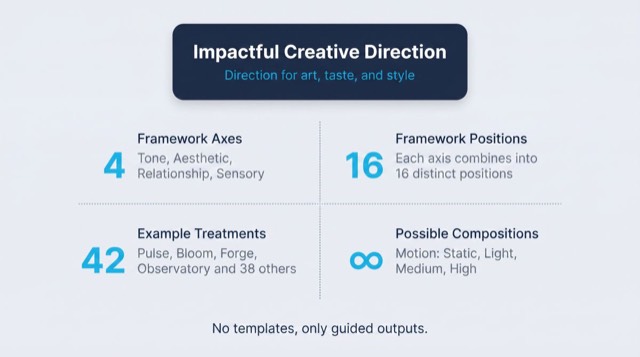
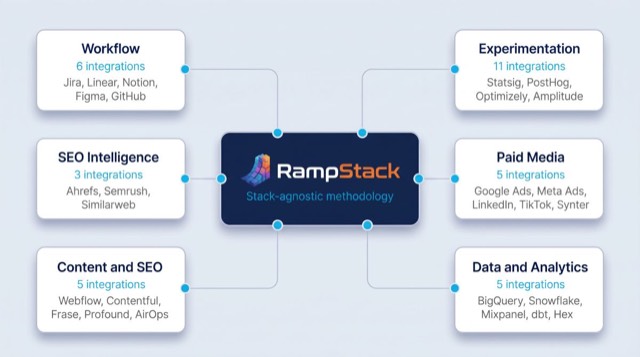
From the rampstackco/claude-skills README — shows the whole collection, not only this skill. · view on GitHub
How to use it
Claude Code
- Run the line below. It pulls the whole folder into
~/.claude/skills/seo-audit-orchestration. - Describe your job in plain words. Claude Code follows the skill from there.
npx degit rampstackco/claude-skills/skills/seo-audit-orchestration#main ~/.claude/skills/seo-audit-orchestrationFor one project only, change the path to .claude/skills/seo-audit-orchestration.
Claude (web or desktop app)
- On this page open ⋯ → Download .md.
- Save it as SKILL.md in a folder, zip the folder, then Customize → Skills → + → Create skill → Upload a skill.
- Pick the file and Save. Claude shows the name and description and runs a security scan.
- Check the skill is switched on.
- Start a new chat and describe your job in plain words. The AI follows the skill from there.
ChatGPT or another app
- ChatGPT: make a Project and paste it into Instructions.
- Neither? Paste it at the top of a new chat — it works for that chat.
Not working?
- Check which app you pasted it into — the steps above name the right one.
- Some skills need the paid tier of Claude or ChatGPT.
Paste into Claude, ChatGPT or Cursor.
Source of SEO audit orchestration
Show the full text189 lines
| name | description | category | catalog_summary | display_order |
|---|---|---|---|---|
| seo-audit-orchestration | Master orchestrator for a full SEO audit suite powered by the Ahrefs MCP. Use this skill when running a comprehensive SEO audit, scoping a quarterly health check, doing pre-acquisition SEO due diligence, or post-migration verification. Triggers on full SEO audit, comprehensive SEO review, SEO health check, audit my site, SEO due diligence, audit suite, comprehensive audit, end-to-end SEO. Also triggers when a stakeholder wants the complete picture rather than a single-dimension audit. | seo-audit-suite | Master orchestrator: sequences the suite, produces a rollup report | 1 |
SEO Audit Orchestration
Run a complete SEO audit by sequencing the sibling audit skills in a defined order. Stack-agnostic. Assumes the Ahrefs MCP is connected. Produces a single rollup report that synthesizes findings across backlinks, keywords, content, traffic, technical health, and rankings.
When to use
- Running a full SEO audit (quarterly, biannual, annual)
- Pre-acquisition SEO due diligence
- Post-migration verification (after content move, replatform, or domain change)
- Onboarding a new client or new property
- Building a baseline before a major SEO investment
- Diagnosing chronic underperformance
When NOT to use
- Single-dimension audits (use the specific child skill:
seo-onpage,seo-backlink-audit, etc.) - Investigating a specific traffic drop (use
seo-traffic-diagnosis) - Tactical questions like "which keywords should we target" (use
seo-keyword-gap-audit) - Routine monitoring (use
seo-rank-tracking)
Required inputs
- The site or properties in scope
- Target market and primary languages
- Competitor set (3-5 properties)
- Goal of the audit (baseline, due diligence, fix plan, growth roadmap)
- Time and reporting constraints
- Confirmation that the Ahrefs MCP is connected and the workspace has access to the target property
The framework: 6 phases of an end-to-end audit
A complete audit moves through six phases in order. Skipping phases produces gaps. Reordering them produces rework.
Phase 1: Scope and baseline
Define the audit before running it.
- What is in scope (subdomains, paths, languages)
- What is out of scope
- Goal of the audit (baseline, fix plan, growth roadmap, due diligence)
- Stakeholders and their priorities
- Reporting format and length expectations
Output: a 1-page audit charter.
Phase 2: Data gather
Pull the raw data from Ahrefs and any companion sources.
Required pulls:
- Site Explorer: organic keywords, organic traffic, top pages, top countries, referring domains, backlinks, anchor text profile
- Site Audit: full crawl results
- Keywords Explorer: target keyword universe and competitor keyword overlap
- Content Explorer: top performing content in target topics
- Rank Tracker: current tracked positions if set up
Companion pulls (not Ahrefs-native):
- Search Console: query and page data, coverage issues
- Analytics: traffic, conversions, segment by source
- Server logs (if available): bot crawl behavior
Document data freshness for every pull. Stale data yields wrong conclusions.
Phase 3: Run the sub-audits
Run each child audit. Each produces its own findings doc.
| Sub-audit | Skill | What it produces |
|---|---|---|
| Site health | seo-site-health-audit |
Prioritized technical fix backlog |
| Backlinks | seo-backlink-audit |
Profile health, toxic list, reclamation list |
| Keywords | seo-keyword-gap-audit |
Prioritized opportunity list |
| Content | seo-content-gap-audit |
Create/update/merge roadmap |
| Page-level | seo-onpage |
Per-page audit on top pages |
| AI search | seo-aeo-geo |
AI search readiness gaps |
The child skills do the analysis. This skill sequences them and integrates the outputs.
Phase 4: Synthesize
Combine findings into themes. A list of 200 issues is not an audit. A short list of themes is.
Themes typically emerge in categories like:
- Technical foundation gaps that cap upside
- Content depth gaps in priority topics
- Backlink profile concentration risks
- Keyword opportunities the site is leaving on the table
- Cannibalization or thin coverage
- AI search readiness
Each theme should answer: what is happening, why it matters, what is the size of prize, what is the fix.
Phase 5: Prioritize
Rank the themes. Use a simple impact/effort matrix.
- Quick wins: high impact, low effort. Do now.
- Strategic plays: high impact, high effort. Plan and resource.
- Maintenance: low impact, low effort. Backlog.
- Avoid: low impact, high effort. Drop.
Tie each theme to a measurable target (organic clicks, ranked keywords in target band, conversions from organic).
Phase 6: Deliver
Produce the rollup report. See references/audit-rollup-template.md.
Structure:
- Executive summary (1 page)
- Themes and recommendations (1 page each; count per audit type, from the template's length-targets table)
- Sub-audit findings (linked or appended)
- Roadmap (next 90 days)
Walk stakeholders through it. Get commitment to the next 90 days of work.
Workflow
- Charter the audit. 1-page scope, goal, stakeholders, format.
- Confirm Ahrefs MCP access. Verify the workspace has the target property and recent data.
- Pull all data. Run the gather list in phase 2. Document freshness.
- Run each sub-audit. Use the child skills. Each produces its own findings doc.
- Synthesize themes. Hold to the theme count the template's length-targets table gives for this audit type. Each theme ties to an impact and a fix.
- Prioritize. Impact/effort matrix. Quick wins surface to the top.
- Draft the rollup. Use the template. Executive summary first.
- Review with the team. Pressure-test conclusions before stakeholder readout.
- Deliver. Walk stakeholders through. Get commitment to next 90 days.
- Schedule the next one. Audits decay. Rerun on a cadence.
Failure patterns
- Audit without a goal. Produces a 60-page document nobody reads. Charter the audit first.
- All findings, no themes. A list of 200 issues is data, not an audit. Synthesize into themes.
- Skipping the sub-audits. Running one big audit instead of six focused ones produces shallow analysis everywhere.
- No prioritization. "Here are 47 things to fix" gets nothing fixed. Rank them.
- Stale data. Ahrefs index updates on a delay. Note freshness. Do not draw conclusions from week-old movement.
- Tool worship. Ahrefs is one source. Search Console, analytics, and logs add ground truth. Triangulate.
- Audit-to-audit drift. Running every audit differently makes trends impossible to spot. Standardize the structure.
- No 90-day roadmap. Without a plan after the audit, the audit is shelfware.
- Solo audit. Audits done alone miss context. Pull in the people who own the work.
Output format
A rollup audit report with:
- Executive summary.
- Audit charter (scope, goal, methodology).
- Themes and recommendations (each theme with what, why, size of prize, fix).
- Sub-audit appendix (linked outputs from each child skill).
- 90-day roadmap (sequenced work with owners and targets).
- Methodology notes (data sources, pull dates, caveats).
Total length, executive summary length, and theme count all vary by audit type: a quarterly health check is not a due-diligence audit. The length-targets table in references/audit-rollup-template.md owns those numbers per type. Whatever the type, the executive summary stays readable in 5 minutes.
If required data is unavailable
This skill's output depends on data, measurements, or tool results it cannot generate on its own. When a required input, tool, or data source is unavailable or unverifiable, the sanctioned output is the deliverable with the gap stated: what was needed, what was actually obtained or verified, and which parts of the output are affected. Fabricating, estimating, or interpolating a required number to complete the deliverable is never sanctioned. A stated gap is a complete answer.
Reference files
references/audit-rollup-template.md- Template for the rollup report including executive summary, theme structure, and roadmap format.
| 1 | |
| 2 | name seo-audit-orchestration |
| 3 | description "Master orchestrator for a full SEO audit suite powered by the Ahrefs MCP. Use this skill when running a comprehensive SEO audit, scoping a quarterly health check, doing pre-acquisition SEO due diligence, or post-migration verification. Triggers on full SEO audit, comprehensive SEO review, SEO health check, audit my site, SEO due diligence, audit suite, comprehensive audit, end-to-end SEO. Also triggers when a stakeholder wants the complete picture rather than a single-dimension audit." |
| 4 | category seo-audit-suite |
| 5 | catalog_summary "Master orchestrator: sequences the suite, produces a rollup report" |
| 6 | display_order 1 |
| 7 | |
| 8 | |
| 9 | # SEO Audit Orchestration |
| 10 | |
| 11 | Run a complete SEO audit by sequencing the sibling audit skills in a defined order. Stack-agnostic. Assumes the Ahrefs MCP is connected. Produces a single rollup report that synthesizes findings across backlinks, keywords, content, traffic, technical health, and rankings. |
| 12 | |
| 13 | |
| 14 | |
| 15 | ## When to use |
| 16 | |
| 17 | Running a full SEO audit (quarterly, biannual, annual) |
| 18 | Pre-acquisition SEO due diligence |
| 19 | Post-migration verification (after content move, replatform, or domain change) |
| 20 | Onboarding a new client or new property |
| 21 | Building a baseline before a major SEO investment |
| 22 | Diagnosing chronic underperformance |
| 23 | |
| 24 | ## When NOT to use |
| 25 | |
| 26 | Single-dimension audits (use the specific child skill: `seo-onpage`, `seo-backlink-audit`, etc.) |
| 27 | Investigating a specific traffic drop (use `seo-traffic-diagnosis`) |
| 28 | Tactical questions like "which keywords should we target" (use `seo-keyword-gap-audit`) |
| 29 | Routine monitoring (use `seo-rank-tracking`) |
| 30 | |
| 31 | |
| 32 | |
| 33 | ## Required inputs |
| 34 | |
| 35 | The site or properties in scope |
| 36 | Target market and primary languages |
| 37 | Competitor set (3-5 properties) |
| 38 | Goal of the audit (baseline, due diligence, fix plan, growth roadmap) |
| 39 | Time and reporting constraints |
| 40 | Confirmation that the Ahrefs MCP is connected and the workspace has access to the target property |
| 41 | |
| 42 | |
| 43 | |
| 44 | ## The framework: 6 phases of an end-to-end audit |
| 45 | |
| 46 | A complete audit moves through six phases in order. Skipping phases produces gaps. Reordering them produces rework. |
| 47 | |
| 48 | ### Phase 1: Scope and baseline |
| 49 | |
| 50 | Define the audit before running it. |
| 51 | |
| 52 | What is in scope (subdomains, paths, languages) |
| 53 | What is out of scope |
| 54 | Goal of the audit (baseline, fix plan, growth roadmap, due diligence) |
| 55 | Stakeholders and their priorities |
| 56 | Reporting format and length expectations |
| 57 | |
| 58 | Output: a 1-page audit charter. |
| 59 | |
| 60 | ### Phase 2: Data gather |
| 61 | |
| 62 | Pull the raw data from Ahrefs and any companion sources. |
| 63 | |
| 64 | Required pulls: |
| 65 | |
| 66 | Site Explorer: organic keywords, organic traffic, top pages, top countries, referring domains, backlinks, anchor text profile |
| 67 | Site Audit: full crawl results |
| 68 | Keywords Explorer: target keyword universe and competitor keyword overlap |
| 69 | Content Explorer: top performing content in target topics |
| 70 | Rank Tracker: current tracked positions if set up |
| 71 | |
| 72 | Companion pulls (not Ahrefs-native): |
| 73 | |
| 74 | Search Console: query and page data, coverage issues |
| 75 | Analytics: traffic, conversions, segment by source |
| 76 | Server logs (if available): bot crawl behavior |
| 77 | |
| 78 | Document data freshness for every pull. Stale data yields wrong conclusions. |
| 79 | |
| 80 | ### Phase 3: Run the sub-audits |
| 81 | |
| 82 | Run each child audit. Each produces its own findings doc. |
| 83 | |
| 84 | | Sub-audit | Skill | What it produces | |
| 85 | | --- | --- | --- | |
| 86 | | Site health | `seo-site-health-audit` | Prioritized technical fix backlog | |
| 87 | | Backlinks | `seo-backlink-audit` | Profile health, toxic list, reclamation list | |
| 88 | | Keywords | `seo-keyword-gap-audit` | Prioritized opportunity list | |
| 89 | | Content | `seo-content-gap-audit` | Create/update/merge roadmap | |
| 90 | | Page-level | `seo-onpage` | Per-page audit on top pages | |
| 91 | | AI search | `seo-aeo-geo` | AI search readiness gaps | |
| 92 | |
| 93 | The child skills do the analysis. This skill sequences them and integrates the outputs. |
| 94 | |
| 95 | ### Phase 4: Synthesize |
| 96 | |
| 97 | Combine findings into themes. A list of 200 issues is not an audit. A short list of themes is. |
| 98 | |
| 99 | Themes typically emerge in categories like: |
| 100 | |
| 101 | Technical foundation gaps that cap upside |
| 102 | Content depth gaps in priority topics |
| 103 | Backlink profile concentration risks |
| 104 | Keyword opportunities the site is leaving on the table |
| 105 | Cannibalization or thin coverage |
| 106 | AI search readiness |
| 107 | |
| 108 | Each theme should answer: what is happening, why it matters, what is the size of prize, what is the fix. |
| 109 | |
| 110 | ### Phase 5: Prioritize |
| 111 | |
| 112 | Rank the themes. Use a simple impact/effort matrix. |
| 113 | |
| 114 | Quick wins: high impact, low effort. Do now. |
| 115 | Strategic plays: high impact, high effort. Plan and resource. |
| 116 | Maintenance: low impact, low effort. Backlog. |
| 117 | Avoid: low impact, high effort. Drop. |
| 118 | |
| 119 | Tie each theme to a measurable target (organic clicks, ranked keywords in target band, conversions from organic). |
| 120 | |
| 121 | ### Phase 6: Deliver |
| 122 | |
| 123 | Produce the rollup report. See [`references/audit-rollup-template.md`]. |
| 124 | |
| 125 | Structure: |
| 126 | |
| 127 | Executive summary (1 page) |
| 128 | Themes and recommendations (1 page each; count per audit type, from the template's length-targets table) |
| 129 | Sub-audit findings (linked or appended) |
| 130 | Roadmap (next 90 days) |
| 131 | |
| 132 | Walk stakeholders through it. Get commitment to the next 90 days of work. |
| 133 | |
| 134 | |
| 135 | |
| 136 | ## Workflow |
| 137 | |
| 138 | **Charter the audit.** 1-page scope, goal, stakeholders, format. |
| 139 | **Confirm Ahrefs MCP access.** Verify the workspace has the target property and recent data. |
| 140 | **Pull all data.** Run the gather list in phase 2. Document freshness. |
| 141 | **Run each sub-audit.** Use the child skills. Each produces its own findings doc. |
| 142 | **Synthesize themes.** Hold to the theme count the template's length-targets table gives for this audit type. Each theme ties to an impact and a fix. |
| 143 | **Prioritize.** Impact/effort matrix. Quick wins surface to the top. |
| 144 | **Draft the rollup.** Use the template. Executive summary first. |
| 145 | **Review with the team.** Pressure-test conclusions before stakeholder readout. |
| 146 | **Deliver.** Walk stakeholders through. Get commitment to next 90 days. |
| 147 | **Schedule the next one.** Audits decay. Rerun on a cadence. |
| 148 | |
| 149 | |
| 150 | |
| 151 | ## Failure patterns |
| 152 | |
| 153 | **Audit without a goal.** Produces a 60-page document nobody reads. Charter the audit first. |
| 154 | **All findings, no themes.** A list of 200 issues is data, not an audit. Synthesize into themes. |
| 155 | **Skipping the sub-audits.** Running one big audit instead of six focused ones produces shallow analysis everywhere. |
| 156 | **No prioritization.** "Here are 47 things to fix" gets nothing fixed. Rank them. |
| 157 | **Stale data.** Ahrefs index updates on a delay. Note freshness. Do not draw conclusions from week-old movement. |
| 158 | **Tool worship.** Ahrefs is one source. Search Console, analytics, and logs add ground truth. Triangulate. |
| 159 | **Audit-to-audit drift.** Running every audit differently makes trends impossible to spot. Standardize the structure. |
| 160 | **No 90-day roadmap.** Without a plan after the audit, the audit is shelfware. |
| 161 | **Solo audit.** Audits done alone miss context. Pull in the people who own the work. |
| 162 | |
| 163 | |
| 164 | |
| 165 | ## Output format |
| 166 | |
| 167 | A rollup audit report with: |
| 168 | |
| 169 | **Executive summary.** |
| 170 | **Audit charter** (scope, goal, methodology). |
| 171 | **Themes and recommendations** (each theme with what, why, size of prize, fix). |
| 172 | **Sub-audit appendix** (linked outputs from each child skill). |
| 173 | **90-day roadmap** (sequenced work with owners and targets). |
| 174 | **Methodology notes** (data sources, pull dates, caveats). |
| 175 | |
| 176 | Total length, executive summary length, and theme count all vary by audit type: a quarterly health check is not a due-diligence audit. The length-targets table in [`references/audit-rollup-template.md`] owns those numbers per type. Whatever the type, the executive summary stays readable in 5 minutes. |
| 177 | |
| 178 | |
| 179 | |
| 180 | ## If required data is unavailable |
| 181 | |
| 182 | This skill's output depends on data, measurements, or tool results it cannot generate on its own. When a required input, tool, or data source is unavailable or unverifiable, the sanctioned output is the deliverable with the gap stated: what was needed, what was actually obtained or verified, and which parts of the output are affected. Fabricating, estimating, or interpolating a required number to complete the deliverable is never sanctioned. A stated gap is a complete answer. |
| 183 | |
| 184 | |
| 185 | |
| 186 | ## Reference files |
| 187 | |
| 188 | [`references/audit-rollup-template.md`] - Template for the rollup report including executive summary, theme structure, and roadmap format. |
| 189 |
Discussion
Browse more free Claude skills or everything in Marketing.