Reviewing Python code for common anti-patterns to avoid
Python Anti-Patterns Checklist
Use this skill when reviewing Python code for common anti-patterns to avoid. Use as a checklist when reviewing code, before finalizing implementations, or when debugging issues that might stem from known bad practices.
---
name: python-anti-patterns
description: Use this skill when reviewing Python code for common anti-patterns to avoid. Use as a checklist when reviewing code, before finalizing implementations, or when debugging issues that might stem from known bad practices.
---

# Python Anti-Patterns Checklist

A reference checklist of common mistakes and anti-patterns in Python code. Review this before finalizing implementations to catch issues early.

## When to Use This Skill

- Reviewing code before merge
- Debugging mysterious issues
- Teaching or learning Python best practices
- Establishing team coding standards
- Refactoring legacy code

**Note:** This skill focuses on what to avoid. For guidance on positive patterns and architecture, see the `python-design-patterns` skill.
Overview
A reference checklist of common mistakes and anti-patterns in Python code. Review this before finalizing implementations to catch issues early.
Manual install (npx, ZIP)
npx skills add wshobson/agents --skill python-anti-patterns -g -a claude-codemkdir -p ~/.claude/skills && curl -sL https://codeload.github.com/wshobson/agents/tar.gz/4236bb91f839 \
| tar -xz -C ~/.claude/skills --strip-components=4 agents-4236bb91f839/plugins/python-development/skills/python-anti-patternsNew-Item -ItemType Directory -Force "$HOME\.claude\skills" | Out-Null; Invoke-WebRequest "https://m.agentalley.io/zip/0caf2923b1dd4183fbdc/python-anti-patterns.zip" -OutFile "$env:TEMP\python-anti-patterns.zip"; Expand-Archive "$env:TEMP\python-anti-patterns.zip" -DestinationPath "$HOME\.claude\skills" -ForceConnects with Agent Alley MCP · agentalley.io/mcp
Files included
SKILL.md8.0 KB
Read the files here
wshobson/
Show the full text350 lines
Python Anti-Patterns Checklist
A reference checklist of common mistakes and anti-patterns in Python code. Review this before finalizing implementations to catch issues early.
When to Use This Skill
- Reviewing code before merge
- Debugging mysterious issues
- Teaching or learning Python best practices
- Establishing team coding standards
- Refactoring legacy code
Note: This skill focuses on what to avoid. For guidance on positive patterns and architecture, see the python-design-patterns skill.
Infrastructure Anti-Patterns
Scattered Timeout/Retry Logic
# BAD: Timeout logic duplicated everywhere
def fetch_user(user_id):
    try:
        return requests.get(url, timeout=30)
    except Timeout:
        logger.warning("Timeout fetching user")
        return None

def fetch_orders(user_id):
    try:
        return requests.get(url, timeout=30)
    except Timeout:
        logger.warning("Timeout fetching orders")
        return None
Fix: Centralize in decorators or client wrappers.
# GOOD: Centralized retry logic
@retry(stop=stop_after_attempt(3), wait=wait_exponential())
def http_get(url: str) -> Response:
    return requests.get(url, timeout=30)
Double Retry
# BAD: Retrying at multiple layers
@retry(max_attempts=3)  # Application retry
def call_service():
    return client.request()  # Client also has retry configured!
Fix: Retry at one layer only. Know your infrastructure's retry behavior.
Hard-Coded Configuration
# BAD: Secrets and config in code
DB_HOST = "prod-db.example.com"
API_KEY = "sk-12345"

def connect():
    return psycopg.connect(f"host={DB_HOST}...")
Fix: Use environment variables with typed settings.
# GOOD
from pydantic_settings import BaseSettings

class Settings(BaseSettings):
    db_host: str = Field(alias="DB_HOST")
    api_key: str = Field(alias="API_KEY")

settings = Settings()
Architecture Anti-Patterns
Exposed Internal Types
# BAD: Leaking ORM model to API
@app.get("/users/{id}")
def get_user(id: str) -> UserModel:  # SQLAlchemy model
    return db.query(UserModel).get(id)
Fix: Use DTOs/response models.
# GOOD
@app.get("/users/{id}")
def get_user(id: str) -> UserResponse:
    user = db.query(UserModel).get(id)
    return UserResponse.from_orm(user)
Mixed I/O and Business Logic
# BAD: SQL embedded in business logic
def calculate_discount(user_id: str) -> float:
    user = db.query("SELECT * FROM users WHERE id = ?", user_id)
    orders = db.query("SELECT * FROM orders WHERE user_id = ?", user_id)
    # Business logic mixed with data access
    if len(orders) > 10:
        return 0.15
    return 0.0
Fix: Repository pattern. Keep business logic pure.
# GOOD
def calculate_discount(user: User, orders: list[Order]) -> float:
    # Pure business logic, easily testable
    if len(orders) > 10:
        return 0.15
    return 0.0
Error Handling Anti-Patterns
Bare Exception Handling
# BAD: Swallowing all exceptions
try:
    process()
except Exception:
    pass  # Silent failure - bugs hidden forever
Fix: Catch specific exceptions. Log or handle appropriately.
# GOOD
try:
    process()
except ConnectionError as e:
    logger.warning("Connection failed, will retry", error=str(e))
    raise
except ValueError as e:
    logger.error("Invalid input", error=str(e))
    raise BadRequestError(str(e))
Ignored Partial Failures
# BAD: Stops on first error
def process_batch(items):
    results = []
    for item in items:
        result = process(item)  # Raises on error - batch aborted
        results.append(result)
    return results
Fix: Capture both successes and failures.
# GOOD
def process_batch(items) -> BatchResult:
    succeeded = {}
    failed = {}
    for idx, item in enumerate(items):
        try:
            succeeded[idx] = process(item)
        except Exception as e:
            failed[idx] = e
    return BatchResult(succeeded, failed)
Missing Input Validation
# BAD: No validation
def create_user(data: dict):
    return User(**data)  # Crashes deep in code on bad input
Fix: Validate early at API boundaries.
# GOOD
def create_user(data: dict) -> User:
    validated = CreateUserInput.model_validate(data)
    return User.from_input(validated)
Resource Anti-Patterns
Unclosed Resources
# BAD: File never closed
def read_file(path):
    f = open(path)
    return f.read()  # What if this raises?
Fix: Use context managers.
# GOOD
def read_file(path):
    with open(path) as f:
        return f.read()
Blocking in Async
# BAD: Blocks the entire event loop
async def fetch_data():
    time.sleep(1)  # Blocks everything!
    response = requests.get(url)  # Also blocks!
Fix: Use async-native libraries.
# GOOD
async def fetch_data():
    await asyncio.sleep(1)
    async with httpx.AsyncClient() as client:
        response = await client.get(url)
Type Safety Anti-Patterns
Missing Type Hints
# BAD: No types
def process(data):
    return data["value"] * 2
Fix: Annotate all public functions.
# GOOD
def process(data: dict[str, int]) -> int:
    return data["value"] * 2
Untyped Collections
# BAD: Generic list without type parameter
def get_users() -> list:
    ...
Fix: Use type parameters.
# GOOD
def get_users() -> list[User]:
    ...
Testing Anti-Patterns
Only Testing Happy Paths
# BAD: Only tests success case
def test_create_user():
    user = service.create_user(valid_data)
    assert user.id is not None
Fix: Test error conditions and edge cases.
# GOOD
def test_create_user_success():
    user = service.create_user(valid_data)
    assert user.id is not None

def test_create_user_invalid_email():
    with pytest.raises(ValueError, match="Invalid email"):
        service.create_user(invalid_email_data)

def test_create_user_duplicate_email():
    service.create_user(valid_data)
    with pytest.raises(ConflictError):
        service.create_user(valid_data)
Over-Mocking
# BAD: Mocking everything
def test_user_service():
    mock_repo = Mock()
    mock_cache = Mock()
    mock_logger = Mock()
    mock_metrics = Mock()
    # Test doesn't verify real behavior
Fix: Use integration tests for critical paths. Mock only external services.
Quick Review Checklist
Before finalizing code, verify:
- No scattered timeout/retry logic (centralized)
- No double retry (app + infrastructure)
- No hard-coded configuration or secrets
- No exposed internal types (ORM models, protobufs)
- No mixed I/O and business logic
- No bare
except Exception: pass - No ignored partial failures in batches
- No missing input validation
- No unclosed resources (using context managers)
- No blocking calls in async code
- All public functions have type hints
- Collections have type parameters
- Error paths are tested
- Edge cases are covered
Common Fixes Summary
| Anti-Pattern | Fix |
|---|---|
| Scattered retry logic | Centralized decorators |
| Hard-coded config | Environment variables + pydantic-settings |
| Exposed ORM models | DTO/response schemas |
| Mixed I/O + logic | Repository pattern |
| Bare except | Catch specific exceptions |
| Batch stops on error | Return BatchResult with successes/failures |
| No validation | Validate at boundaries with Pydantic |
| Unclosed resources | Context managers |
| Blocking in async | Async-native libraries |
| Missing types | Type annotations on all public APIs |
| Only happy path tests | Test errors and edge cases |
| 1 | |
| 2 | name python-anti-patterns |
| 3 | description Use this skill when reviewing Python code for common anti-patterns to avoid. Use as a checklist when reviewing code, before finalizing implementations, or when debugging issues that might stem from known bad practices. |
| 4 | |
| 5 | |
| 6 | # Python Anti-Patterns Checklist |
| 7 | |
| 8 | A reference checklist of common mistakes and anti-patterns in Python code. Review this before finalizing implementations to catch issues early. |
| 9 | |
| 10 | ## When to Use This Skill |
| 11 | |
| 12 | Reviewing code before merge |
| 13 | Debugging mysterious issues |
| 14 | Teaching or learning Python best practices |
| 15 | Establishing team coding standards |
| 16 | Refactoring legacy code |
| 17 | |
| 18 | **Note:** This skill focuses on what to avoid. For guidance on positive patterns and architecture, see the `python-design-patterns` skill. |
| 19 | |
| 20 | ## Infrastructure Anti-Patterns |
| 21 | |
| 22 | ### Scattered Timeout/Retry Logic |
| 23 | |
| 24 | |
| 25 | # BAD: Timeout logic duplicated everywhere |
| 26 | def fetch_user(user_id): |
| 27 | try: |
| 28 | return requests.get(url, timeout=30) |
| 29 | except Timeout: |
| 30 | logger.warning("Timeout fetching user") |
| 31 | return None |
| 32 | |
| 33 | def fetch_orders(user_id): |
| 34 | try: |
| 35 | return requests.get(url, timeout=30) |
| 36 | except Timeout: |
| 37 | logger.warning("Timeout fetching orders") |
| 38 | return None |
| 39 | |
| 40 | |
| 41 | **Fix:** Centralize in decorators or client wrappers. |
| 42 | |
| 43 | |
| 44 | # GOOD: Centralized retry logic |
| 45 | @retry(stop=stop_after_attempt(3), wait=wait_exponential()) |
| 46 | def http_get(url: str) -> Response: |
| 47 | return requests.get(url, timeout=30) |
| 48 | |
| 49 | |
| 50 | ### Double Retry |
| 51 | |
| 52 | |
| 53 | # BAD: Retrying at multiple layers |
| 54 | @retry(max_attempts=3) # Application retry |
| 55 | def call_service(): |
| 56 | return client.request() # Client also has retry configured! |
| 57 | |
| 58 | |
| 59 | **Fix:** Retry at one layer only. Know your infrastructure's retry behavior. |
| 60 | |
| 61 | ### Hard-Coded Configuration |
| 62 | |
| 63 | |
| 64 | # BAD: Secrets and config in code |
| 65 | DB_HOST = "prod-db.example.com" |
| 66 | API_KEY = "sk-12345" |
| 67 | |
| 68 | def connect(): |
| 69 | return psycopg.connect(f"host={DB_HOST}...") |
| 70 | |
| 71 | |
| 72 | **Fix:** Use environment variables with typed settings. |
| 73 | |
| 74 | |
| 75 | # GOOD |
| 76 | from pydantic_settings import BaseSettings |
| 77 | |
| 78 | class Settings(BaseSettings): |
| 79 | db_host: str = Field(alias="DB_HOST") |
| 80 | api_key: str = Field(alias="API_KEY") |
| 81 | |
| 82 | settings = Settings() |
| 83 | |
| 84 | |
| 85 | ## Architecture Anti-Patterns |
| 86 | |
| 87 | ### Exposed Internal Types |
| 88 | |
| 89 | |
| 90 | # BAD: Leaking ORM model to API |
| 91 | @app.get("/users/{id}") |
| 92 | def get_user(id: str) -> UserModel: # SQLAlchemy model |
| 93 | return db.query(UserModel).get(id) |
| 94 | |
| 95 | |
| 96 | **Fix:** Use DTOs/response models. |
| 97 | |
| 98 | |
| 99 | # GOOD |
| 100 | @app.get("/users/{id}") |
| 101 | def get_user(id: str) -> UserResponse: |
| 102 | user = db.query(UserModel).get(id) |
| 103 | return UserResponse.from_orm(user) |
| 104 | |
| 105 | |
| 106 | ### Mixed I/O and Business Logic |
| 107 | |
| 108 | |
| 109 | # BAD: SQL embedded in business logic |
| 110 | def calculate_discount(user_id: str) -> float: |
| 111 | user = db.query("SELECT * FROM users WHERE id = ?", user_id) |
| 112 | orders = db.query("SELECT * FROM orders WHERE user_id = ?", user_id) |
| 113 | # Business logic mixed with data access |
| 114 | if len(orders) > 10: |
| 115 | return 0.15 |
| 116 | return 0.0 |
| 117 | |
| 118 | |
| 119 | **Fix:** Repository pattern. Keep business logic pure. |
| 120 | |
| 121 | |
| 122 | # GOOD |
| 123 | def calculate_discount(user: User, orders: list[Order]) -> float: |
| 124 | # Pure business logic, easily testable |
| 125 | if len(orders) > 10: |
| 126 | return 0.15 |
| 127 | return 0.0 |
| 128 | |
| 129 | |
| 130 | ## Error Handling Anti-Patterns |
| 131 | |
| 132 | ### Bare Exception Handling |
| 133 | |
| 134 | |
| 135 | # BAD: Swallowing all exceptions |
| 136 | try: |
| 137 | process() |
| 138 | except Exception: |
| 139 | pass # Silent failure - bugs hidden forever |
| 140 | |
| 141 | |
| 142 | **Fix:** Catch specific exceptions. Log or handle appropriately. |
| 143 | |
| 144 | |
| 145 | # GOOD |
| 146 | try: |
| 147 | process() |
| 148 | except ConnectionError as e: |
| 149 | logger.warning("Connection failed, will retry", error=str(e)) |
| 150 | raise |
| 151 | except ValueError as e: |
| 152 | logger.error("Invalid input", error=str(e)) |
| 153 | raise BadRequestError(str(e)) |
| 154 | |
| 155 | |
| 156 | ### Ignored Partial Failures |
| 157 | |
| 158 | |
| 159 | # BAD: Stops on first error |
| 160 | def process_batch(items): |
| 161 | results = [] |
| 162 | for item in items: |
| 163 | result = process(item) # Raises on error - batch aborted |
| 164 | results.append(result) |
| 165 | return results |
| 166 | |
| 167 | |
| 168 | **Fix:** Capture both successes and failures. |
| 169 | |
| 170 | |
| 171 | # GOOD |
| 172 | def process_batch(items) -> BatchResult: |
| 173 | succeeded = {} |
| 174 | failed = {} |
| 175 | for idx, item in enumerate(items): |
| 176 | try: |
| 177 | succeeded[idx] = process(item) |
| 178 | except Exception as e: |
| 179 | failed[idx] = e |
| 180 | return BatchResult(succeeded, failed) |
| 181 | |
| 182 | |
| 183 | ### Missing Input Validation |
| 184 | |
| 185 | |
| 186 | # BAD: No validation |
| 187 | def create_user(data: dict): |
| 188 | return User(**data) # Crashes deep in code on bad input |
| 189 | |
| 190 | |
| 191 | **Fix:** Validate early at API boundaries. |
| 192 | |
| 193 | |
| 194 | # GOOD |
| 195 | def create_user(data: dict) -> User: |
| 196 | validated = CreateUserInput.model_validate(data) |
| 197 | return User.from_input(validated) |
| 198 | |
| 199 | |
| 200 | ## Resource Anti-Patterns |
| 201 | |
| 202 | ### Unclosed Resources |
| 203 | |
| 204 | |
| 205 | # BAD: File never closed |
| 206 | def read_file(path): |
| 207 | f = open(path) |
| 208 | return f.read() # What if this raises? |
| 209 | |
| 210 | |
| 211 | **Fix:** Use context managers. |
| 212 | |
| 213 | |
| 214 | # GOOD |
| 215 | def read_file(path): |
| 216 | with open(path) as f: |
| 217 | return f.read() |
| 218 | |
| 219 | |
| 220 | ### Blocking in Async |
| 221 | |
| 222 | |
| 223 | # BAD: Blocks the entire event loop |
| 224 | async def fetch_data(): |
| 225 | time.sleep(1) # Blocks everything! |
| 226 | response = requests.get(url) # Also blocks! |
| 227 | |
| 228 | |
| 229 | **Fix:** Use async-native libraries. |
| 230 | |
| 231 | |
| 232 | # GOOD |
| 233 | async def fetch_data(): |
| 234 | await asyncio.sleep(1) |
| 235 | async with httpx.AsyncClient() as client: |
| 236 | response = await client.get(url) |
| 237 | |
| 238 | |
| 239 | ## Type Safety Anti-Patterns |
| 240 | |
| 241 | ### Missing Type Hints |
| 242 | |
| 243 | |
| 244 | # BAD: No types |
| 245 | def process(data): |
| 246 | return data["value"] * 2 |
| 247 | |
| 248 | |
| 249 | **Fix:** Annotate all public functions. |
| 250 | |
| 251 | |
| 252 | # GOOD |
| 253 | def process(data: dict[str, int]) -> int: |
| 254 | return data["value"] * 2 |
| 255 | |
| 256 | |
| 257 | ### Untyped Collections |
| 258 | |
| 259 | |
| 260 | # BAD: Generic list without type parameter |
| 261 | def get_users() -> list: |
| 262 | ... |
| 263 | |
| 264 | |
| 265 | **Fix:** Use type parameters. |
| 266 | |
| 267 | |
| 268 | # GOOD |
| 269 | def get_users() -> list[User]: |
| 270 | ... |
| 271 | |
| 272 | |
| 273 | ## Testing Anti-Patterns |
| 274 | |
| 275 | ### Only Testing Happy Paths |
| 276 | |
| 277 | |
| 278 | # BAD: Only tests success case |
| 279 | def test_create_user(): |
| 280 | user = service.create_user(valid_data) |
| 281 | assert user.id is not None |
| 282 | |
| 283 | |
| 284 | **Fix:** Test error conditions and edge cases. |
| 285 | |
| 286 | |
| 287 | # GOOD |
| 288 | def test_create_user_success(): |
| 289 | user = service.create_user(valid_data) |
| 290 | assert user.id is not None |
| 291 | |
| 292 | def test_create_user_invalid_email(): |
| 293 | with pytest.raises(ValueError, match="Invalid email"): |
| 294 | service.create_user(invalid_email_data) |
| 295 | |
| 296 | def test_create_user_duplicate_email(): |
| 297 | service.create_user(valid_data) |
| 298 | with pytest.raises(ConflictError): |
| 299 | service.create_user(valid_data) |
| 300 | |
| 301 | |
| 302 | ### Over-Mocking |
| 303 | |
| 304 | |
| 305 | # BAD: Mocking everything |
| 306 | def test_user_service(): |
| 307 | mock_repo = Mock() |
| 308 | mock_cache = Mock() |
| 309 | mock_logger = Mock() |
| 310 | mock_metrics = Mock() |
| 311 | # Test doesn't verify real behavior |
| 312 | |
| 313 | |
| 314 | **Fix:** Use integration tests for critical paths. Mock only external services. |
| 315 | |
| 316 | ## Quick Review Checklist |
| 317 | |
| 318 | Before finalizing code, verify: |
| 319 | |
| 320 | [ ] No scattered timeout/retry logic (centralized) |
| 321 | [ ] No double retry (app + infrastructure) |
| 322 | [ ] No hard-coded configuration or secrets |
| 323 | [ ] No exposed internal types (ORM models, protobufs) |
| 324 | [ ] No mixed I/O and business logic |
| 325 | [ ] No bare `except Exception: pass` |
| 326 | [ ] No ignored partial failures in batches |
| 327 | [ ] No missing input validation |
| 328 | [ ] No unclosed resources (using context managers) |
| 329 | [ ] No blocking calls in async code |
| 330 | [ ] All public functions have type hints |
| 331 | [ ] Collections have type parameters |
| 332 | [ ] Error paths are tested |
| 333 | [ ] Edge cases are covered |
| 334 | |
| 335 | ## Common Fixes Summary |
| 336 | |
| 337 | | Anti-Pattern | Fix | |
| 338 | |-------------|-----| |
| 339 | | Scattered retry logic | Centralized decorators | |
| 340 | | Hard-coded config | Environment variables + pydantic-settings | |
| 341 | | Exposed ORM models | DTO/response schemas | |
| 342 | | Mixed I/O + logic | Repository pattern | |
| 343 | | Bare except | Catch specific exceptions | |
| 344 | | Batch stops on error | Return BatchResult with successes/failures | |
| 345 | | No validation | Validate at boundaries with Pydantic | |
| 346 | | Unclosed resources | Context managers | |
| 347 | | Blocking in async | Async-native libraries | |
| 348 | | Missing types | Type annotations on all public APIs | |
| 349 | | Only happy path tests | Test errors and edge cases | |
| 350 |
Details
- Updated
- Sep 21, 2026
- License
- MIT
- Stars on the repo
- ★ 39,857
- Checked
- Source
- wshobson/agents ↗
- Creator
- wshobson · 179 listings
Similar skills
See all → SkillExtract text, tables, metadataXberg Document Extraction
 xberg-io/xberg · by xberg-ioExtract text, tables, metadata, and images from 107 document formats (PDF, Office, images, HTML, email, archives, academic) using Xberg. Use when writing code that calls Xberg APIs in Python, Node.js/TypeScript, Rust, or CLI. Covers installation, extraction (sync/async), configuration (OCR, chunking, output format), batch processing, error handling, and plugins.★ 9.4k GitHub stars
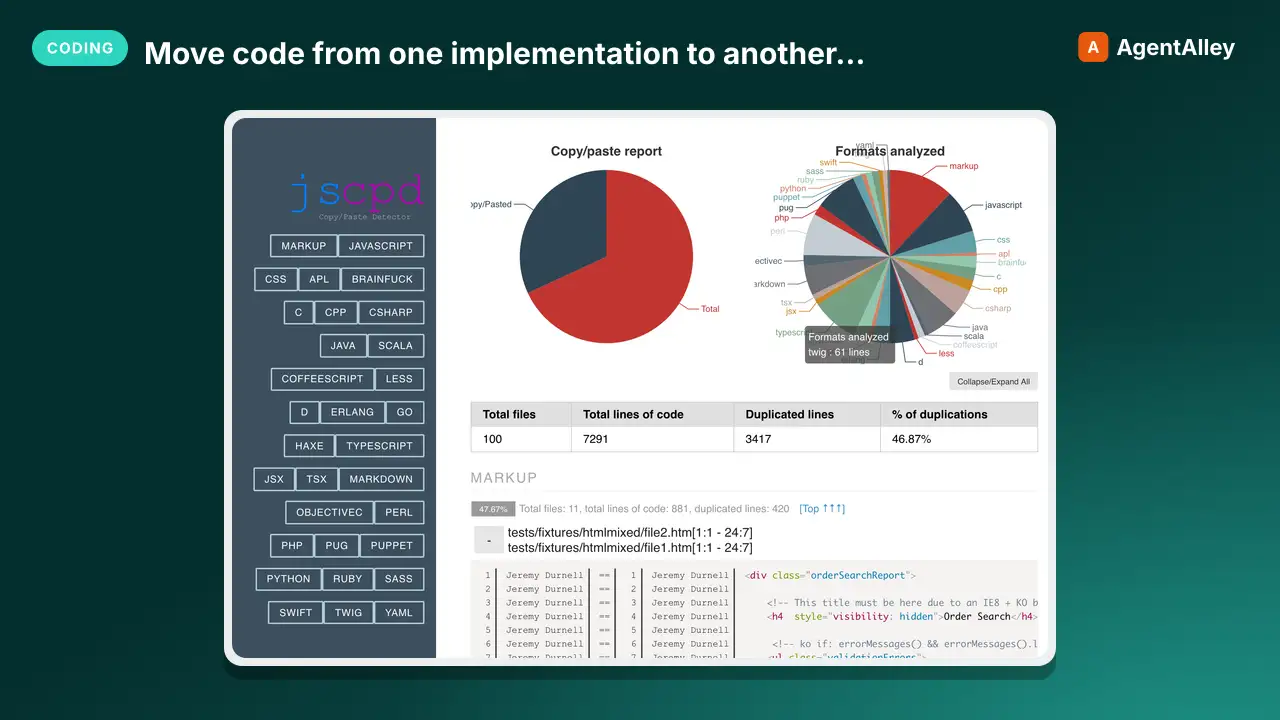 SkillMove code from one implementation to another functionCode migration
 kucherenko/jscpd · by kucherenkoMove code from one implementation to another function by function, tests first and code second, and check two implementations of one app for parity, with jscpd --compare as the progress measure and a coverage map binding each function to its tests. Use when porting a library or app to another language or framework (Java to Kotlin, JavaScript to Rust, a Python library to TypeScript, an iOS app to Android), when asked what is left to port, or when comparing the Android and iOS versions of an app.★ 6.3k GitHub stars
 SkillManages Ahrefs API usage in Python using ahrefs-python
 OpenClaudia/openclaudia-skills · by OpenClaudiaManages Ahrefs API usage in Python using `ahrefs-python` library. Use when working with SEO / marketing related tasks or with data including backlinks, keywords, domain ratings, organic traffic, site audits, rank tracking, and brand monitoring. Covers `ahrefs-python` usage including AhrefsClient / AsyncAhrefsClient, typed request/response models, error handling, and all API sections.★ 705 GitHub stars
 MCPDocx LLM translatoradeu
 dealfluence/adeu · by dealfluenceDocx ↔ LLM translator. Projects .docx office files to Markdown for editing. Projects edits back to OOXML as tracked changes (redlines). Python and Node.js implementations.★ 165 GitHub stars
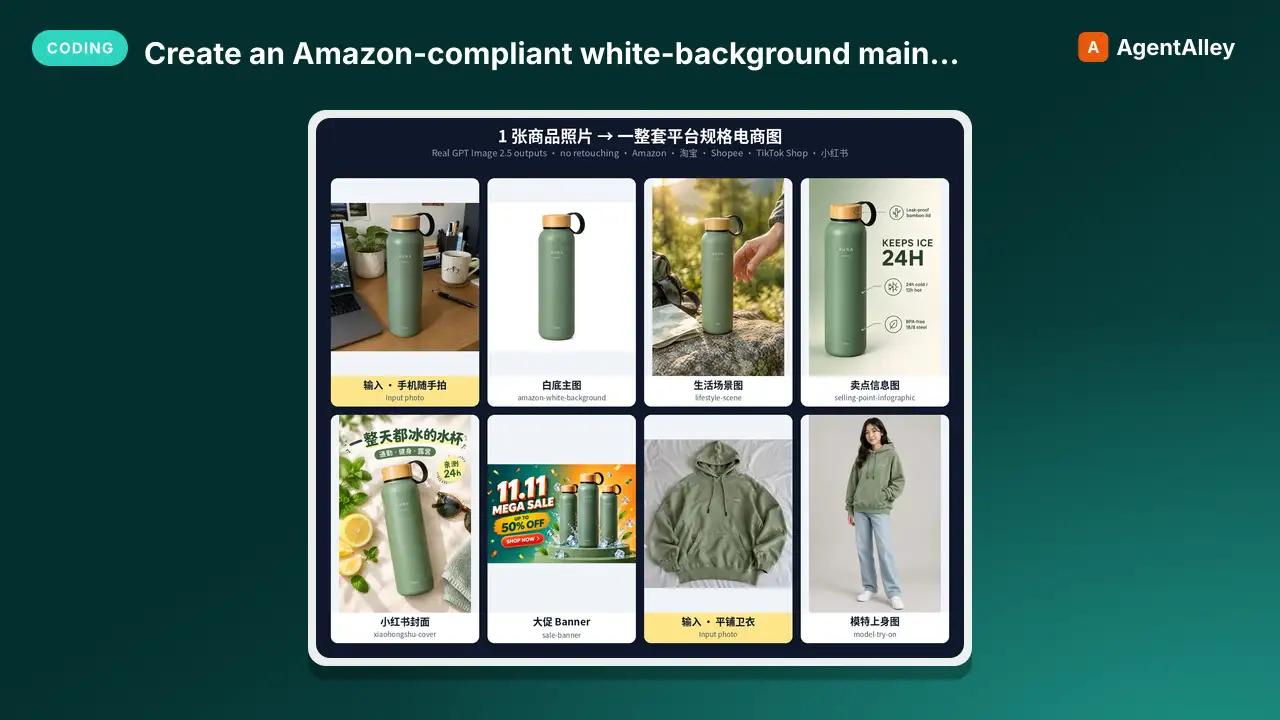 SkillCreate an Amazon-compliant white-background main imageAmazon White-Background Main Image · 亚马逊白底主图
 xianyu110/ecommerce-image-skills · by xianyu110Create an Amazon-compliant white-background main image (pure #FFFFFF background, product fills ≥85% of the frame, no text, props or watermark) from a product photo with GPT Image 2.5, then verify it with a Python check script. Use for Amazon/Walmart/eBay main images, 白底图, 白底主图, hero image, listing main photo.★ 92 GitHub stars
 MCPOfficial monorepo of SDKs, CLISendmux sdk
 Sendmux/sendmux-sdk · by SendmuxOfficial monorepo of SDKs, CLI, and MCP servers for Sendmux email APIs across TypeScript, Python, Go, PHP, Rust, and Ruby.★ 65 GitHub stars
More from wshobson
 SkillMaster C/.NET backend development patterns for building
 wshobson/agents · by wshobsonMaster C#/.NET backend development patterns for building robust APIs, MCP servers, and enterprise applications. Covers async/await, dependency injection, Entity Framework Core, Dapper, configuration, caching, and testing with xUnit. Use when developing .NET backends, reviewing C# code, or designing API architectures.★ 39.9k GitHub stars
 SkillImplement WCAG 2.2 compliant interfaces with mobileAccessibility compliancewshobson/agents · by wshobsonImplement WCAG 2.2 compliant interfaces with mobile accessibility, inclusive design patterns, and assistive technology support. Use when auditing accessibility, implementing ARIA patterns, building for screen readers, or ensuring inclusive user experiences.★ 39.9k GitHub stars
 SkillMaster Material Design 3 and Jetpack Compose patternsAndroid Mobile Designwshobson/agents · by wshobsonMaster Material Design 3 and Jetpack Compose patterns for building native Android apps. Use when designing Android interfaces, implementing Compose UI, or following Google's Material Design guidelines.★ 39.9k GitHub stars
 SkillMigrate from AngularJS to Angular using hybrid modeAngular migrationwshobson/agents · by wshobsonMigrate from AngularJS to Angular using hybrid mode, incremental component rewriting, and dependency injection updates. Use when upgrading AngularJS applications, planning framework migrations, or modernizing legacy Angular code.★ 39.9k GitHub stars
 SkillUnderstand anti-reversing, obfuscationAnti reversing techniqueswshobson/agents · by wshobsonUnderstand anti-reversing, obfuscation, and protection techniques encountered during software analysis. Use this skill when analyzing malware evasion techniques, when implementing anti-debugging protections for CTF challenges, when reverse engineering packed binaries, or when building security research tools that need to detect virtualized environments.★ 39.9k GitHub stars
 SkillBuild production Apache Airflow DAGs with best practicesApache Airflow DAG Patternswshobson/agents · by wshobsonBuild production Apache Airflow DAGs with best practices for operators, sensors, testing, and deployment. Use when creating data pipelines, orchestrating workflows, or scheduling batch jobs.★ 39.9k GitHub stars