Create production-ready Kubernetes manifests for Deployments
Kubernetes Manifest Generator
Create production-ready Kubernetes manifests for Deployments, Services, ConfigMaps, and Secrets following best practices and security standards. Use when generating Kubernetes YAML manifests, creating K8s resources, or implementing…
---
name: k8s-manifest-generator
description: Create production-ready Kubernetes manifests for Deployments, Services, ConfigMaps, and Secrets following best practices and security standards. Use when generating Kubernetes YAML manifests, creating K8s resources, or implementing production-grade Kubernetes configurations.
---

# Kubernetes Manifest Generator

Step-by-step guidance for creating production-ready Kubernetes manifests including Deployments, Services, ConfigMaps, Secrets, and PersistentVolumeClaims.

## Purpose

This skill provides comprehensive guidance for generating well-structured, secure, and production-ready Kubernetes manifests following cloud-native best practices and Kubernetes conventions.

## When to Use This Skill

Use this skill when you need to:

- Create new Kubernetes Deployment manifests
Overview
Step-by-step guidance for creating production-ready Kubernetes manifests including Deployments, Services, ConfigMaps, Secrets, and PersistentVolumeClaims.
Manual install (npx, ZIP)
npx skills add wshobson/agents --skill k8s-manifest-generator -g -a claude-codemkdir -p ~/.claude/skills && curl -sL https://codeload.github.com/wshobson/agents/tar.gz/4236bb91f839 \
| tar -xz -C ~/.claude/skills --strip-components=4 agents-4236bb91f839/plugins/kubernetes-operations/skills/k8s-manifest-generatorNew-Item -ItemType Directory -Force "$HOME\.claude\skills" | Out-Null; Invoke-WebRequest "https://m.agentalley.io/zip/fb85d7aa20c1d310cd19/k8s-manifest-generator.zip" -OutFile "$env:TEMP\k8s-manifest-generator.zip"; Expand-Archive "$env:TEMP\k8s-manifest-generator.zip" -DestinationPath "$HOME\.claude\skills" -ForceConnects with Agent Alley MCP · agentalley.io/mcp
Files included
SKILL.md3.0 KBassets/3 files · 14.8 KBreferences/3 files · 40.4 KB
Read the files here
wshobson/
Show the full text78 lines
Kubernetes Manifest Generator
Step-by-step guidance for creating production-ready Kubernetes manifests including Deployments, Services, ConfigMaps, Secrets, and PersistentVolumeClaims.
Purpose
This skill provides comprehensive guidance for generating well-structured, secure, and production-ready Kubernetes manifests following cloud-native best practices and Kubernetes conventions.
When to Use This Skill
Use this skill when you need to:
- Create new Kubernetes Deployment manifests
- Define Service resources for network connectivity
- Generate ConfigMap and Secret resources for configuration management
- Create PersistentVolumeClaim manifests for stateful workloads
- Follow Kubernetes best practices and naming conventions
- Implement resource limits, health checks, and security contexts
- Design manifests for multi-environment deployments
Detailed patterns and worked examples
Detailed pattern documentation lives in references/details.md. Read that file when the navigation tier above is insufficient.
Best Practices Summary
- Always set resource requests and limits - Prevents resource starvation
- Implement health checks - Ensures Kubernetes can manage your application
- Use specific image tags - Avoid unpredictable deployments
- Apply security contexts - Run as non-root, drop capabilities
- Use ConfigMaps and Secrets - Separate config from code
- Label everything - Enables filtering and organization
- Follow naming conventions - Use standard Kubernetes labels
- Validate before applying - Use dry-run and validation tools
- Version your manifests - Keep in Git with version control
- Document with annotations - Add context for other developers
Troubleshooting
Pods not starting:
- Check image pull errors:
kubectl describe pod <pod-name> - Verify resource availability:
kubectl get nodes - Check events:
kubectl get events --sort-by='.lastTimestamp'
Service not accessible:
- Verify selector matches pod labels:
kubectl get endpoints <service-name> - Check service type and port configuration
- Test from within cluster:
kubectl run debug --rm -it --image=busybox -- sh
ConfigMap/Secret not loading:
- Verify names match in Deployment
- Check namespace
- Ensure resources exist:
kubectl get configmap,secret
Next Steps
After creating manifests:
- Store in Git repository
- Set up CI/CD pipeline for deployment
- Consider using Helm or Kustomize for templating
- Implement GitOps with ArgoCD or Flux
- Add monitoring and observability
Related Skills
helm-chart-scaffolding- For templating and packaginggitops-workflow- For automated deploymentsk8s-security-policies- For advanced security configurations
| 1 | |
| 2 | name k8s-manifest-generator |
| 3 | description Create production-ready Kubernetes manifests for Deployments, Services, ConfigMaps, and Secrets following best practices and security standards. Use when generating Kubernetes YAML manifests, creating K8s resources, or implementing production-grade Kubernetes configurations. |
| 4 | |
| 5 | |
| 6 | # Kubernetes Manifest Generator |
| 7 | |
| 8 | Step-by-step guidance for creating production-ready Kubernetes manifests including Deployments, Services, ConfigMaps, Secrets, and PersistentVolumeClaims. |
| 9 | |
| 10 | ## Purpose |
| 11 | |
| 12 | This skill provides comprehensive guidance for generating well-structured, secure, and production-ready Kubernetes manifests following cloud-native best practices and Kubernetes conventions. |
| 13 | |
| 14 | ## When to Use This Skill |
| 15 | |
| 16 | Use this skill when you need to: |
| 17 | |
| 18 | Create new Kubernetes Deployment manifests |
| 19 | Define Service resources for network connectivity |
| 20 | Generate ConfigMap and Secret resources for configuration management |
| 21 | Create PersistentVolumeClaim manifests for stateful workloads |
| 22 | Follow Kubernetes best practices and naming conventions |
| 23 | Implement resource limits, health checks, and security contexts |
| 24 | Design manifests for multi-environment deployments |
| 25 | |
| 26 | ## Detailed patterns and worked examples |
| 27 | |
| 28 | Detailed pattern documentation lives in `references/details.md`. Read that file when the navigation tier above is insufficient. |
| 29 | |
| 30 | ## Best Practices Summary |
| 31 | |
| 32 | **Always set resource requests and limits** - Prevents resource starvation |
| 33 | **Implement health checks** - Ensures Kubernetes can manage your application |
| 34 | **Use specific image tags** - Avoid unpredictable deployments |
| 35 | **Apply security contexts** - Run as non-root, drop capabilities |
| 36 | **Use ConfigMaps and Secrets** - Separate config from code |
| 37 | **Label everything** - Enables filtering and organization |
| 38 | **Follow naming conventions** - Use standard Kubernetes labels |
| 39 | **Validate before applying** - Use dry-run and validation tools |
| 40 | **Version your manifests** - Keep in Git with version control |
| 41 | **Document with annotations** - Add context for other developers |
| 42 | |
| 43 | ## Troubleshooting |
| 44 | |
| 45 | **Pods not starting:** |
| 46 | |
| 47 | Check image pull errors: `kubectl describe pod <pod-name>` |
| 48 | Verify resource availability: `kubectl get nodes` |
| 49 | Check events: `kubectl get events --sort-by='.lastTimestamp'` |
| 50 | |
| 51 | **Service not accessible:** |
| 52 | |
| 53 | Verify selector matches pod labels: `kubectl get endpoints <service-name>` |
| 54 | Check service type and port configuration |
| 55 | Test from within cluster: `kubectl run debug --rm -it --image=busybox -- sh` |
| 56 | |
| 57 | **ConfigMap/Secret not loading:** |
| 58 | |
| 59 | Verify names match in Deployment |
| 60 | Check namespace |
| 61 | Ensure resources exist: `kubectl get configmap,secret` |
| 62 | |
| 63 | ## Next Steps |
| 64 | |
| 65 | After creating manifests: |
| 66 | |
| 67 | Store in Git repository |
| 68 | Set up CI/CD pipeline for deployment |
| 69 | Consider using Helm or Kustomize for templating |
| 70 | Implement GitOps with ArgoCD or Flux |
| 71 | Add monitoring and observability |
| 72 | |
| 73 | ## Related Skills |
| 74 | |
| 75 | `helm-chart-scaffolding` - For templating and packaging |
| 76 | `gitops-workflow` - For automated deployments |
| 77 | `k8s-security-policies` - For advanced security configurations |
| 78 |
Details
- Updated
- Sep 21, 2026
- License
- MIT
- Stars on the repo
- ★ 39,857
- Checked
- Source
- wshobson/agents ↗
- Creator
- wshobson · 179 listings
Similar skills
See all → SkillFrom a business idea, app ideaAzure app onboard
 microsoft/skills · by microsoftEnd-to-end orchestrator: from a business idea, app idea, or existing app to running Azure deployment with cost estimates and pre-deploy approval. Analyzes your app, auto-detects the right Azure services, scaffolds infrastructure code, and deploys — tailored to your app, not a template. Handles moving existing apps to Azure without rewriting or with minimal changes. WHEN: bring your app to Azure, plan my app, cost to run, is my code ready to deploy, deploy my app to the cloud, deploy all my services, what Azure services do I need, plan my Azure deployment, deploy my new app to Azure, one-click deploy, I have an app and want it on Azure, migrate my app to Azure, help me get started, build an app, no code yet, starter project. DO NOT USE FOR: use azd for deployment(use azure-deploy), optimizing existing costs (use cost-optimization), code readiness checks only (use azure-app-onboard-prereq).★ 3.1k GitHub stars
 SkillAssess whether source code is ready to deploy to AzureAzure App Onboard Prereq — Repository Evaluationmicrosoft/skills · by microsoftAssess whether source code is ready to deploy to Azure — the check BEFORE infrastructure work. Evaluates build health, app completeness, dependencies and local services, stack compatibility, and deployment feasibility. Answers questions about what your app needs before it can be deployed — frameworks, dependencies, and configuration. Checks whether dependencies are compatible and identifies deployment blockers and unsupported frameworks. WHEN: "evaluate my repo", "is my app ready to deploy", "what does my app need to deploy", "what do I need before deploying", "does my app need", "can I ship this to Azure", "scan my repo for issues", "is this app deployable", "check if my app is ready for Azure", "do I need a Dockerfile", "what's blocking my deployment", "are there any blockers", "are my dependencies compatible", "does Azure support my framework", "what needs to change before deploying", "check my app configuration".★ 3.1k GitHub stars
 SkillConfigure Azure API Management as an AI Gateway for AIAzure aigatewaymicrosoft/azure-skills · by microsoftConfigure Azure API Management as an AI Gateway for AI models, MCP tools, and agents. WHEN: semantic caching, token limit, content safety, load balancing, AI model governance, MCP rate limiting, jailbreak detection, add Azure OpenAI backend, add AI Foundry model, test AI gateway, LLM policies, configure AI backend, token metrics, AI cost control, convert API to MCP, import OpenAPI to gateway.★ 1.6k GitHub stars
 SkillQuery and analyze data in Azure Data Explorer using KQLAzure Data Explorer (Kusto) Query & Analyticsmicrosoft/azure-skills · by microsoftQuery and analyze data in Azure Data Explorer (Kusto/ADX) using KQL for log analytics, telemetry, and time series analysis. WHEN: KQL queries, Kusto database queries, Azure Data Explorer, ADX clusters, log analytics, time series data, IoT telemetry, anomaly detection.★ 1.6k GitHub stars
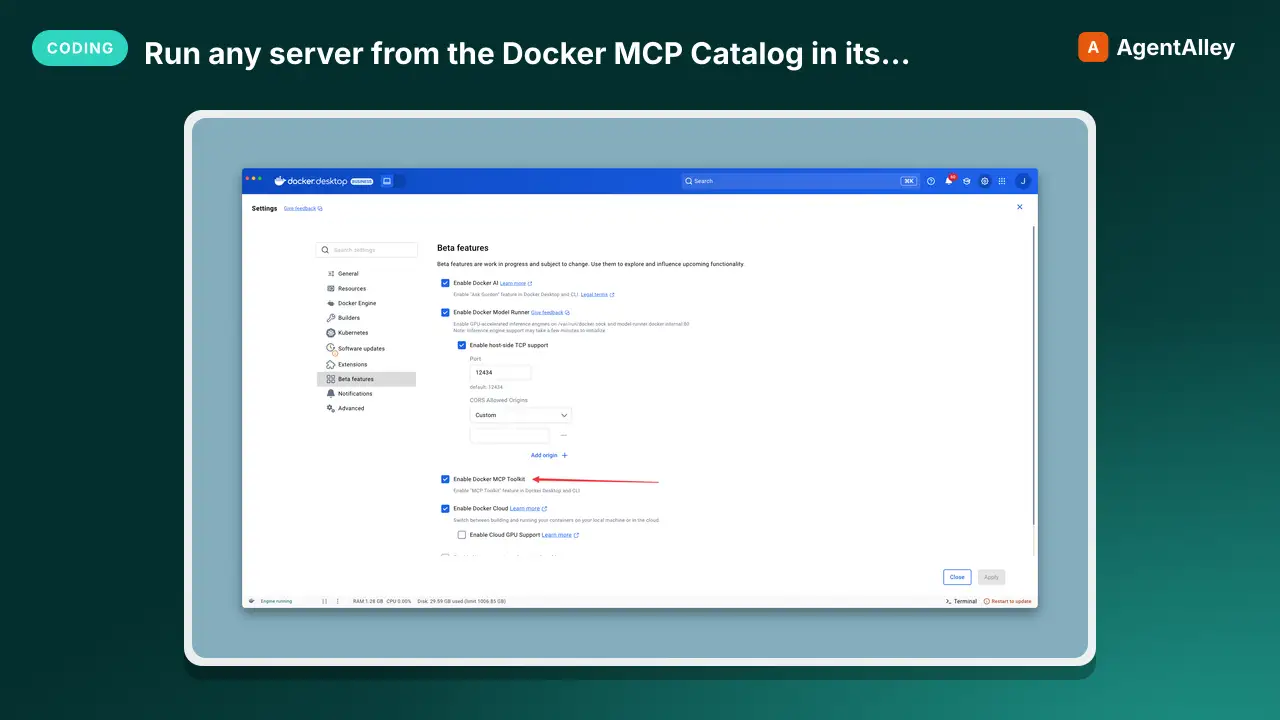 MCPRun any server from the Docker MCP Catalog in its ownDocker MCP gateway
 docker/mcp-gateway · by dockerDocker's own CLI plugin: run any server from the Docker MCP Catalog in its own container, behind one connection, with secrets kept out of env vars.★ 1.6k GitHub stars
 MCPOpen infrastructure for AI agents to discover and pay eachElisym
 elisymlabs/elisym · by elisymlabsOpen infrastructure for AI agents to discover and pay each other★ 17 GitHub stars
More from wshobson
 SkillMaster C/.NET backend development patterns for building
 wshobson/agents · by wshobsonMaster C#/.NET backend development patterns for building robust APIs, MCP servers, and enterprise applications. Covers async/await, dependency injection, Entity Framework Core, Dapper, configuration, caching, and testing with xUnit. Use when developing .NET backends, reviewing C# code, or designing API architectures.★ 39.9k GitHub stars
 SkillImplement WCAG 2.2 compliant interfaces with mobileAccessibility compliancewshobson/agents · by wshobsonImplement WCAG 2.2 compliant interfaces with mobile accessibility, inclusive design patterns, and assistive technology support. Use when auditing accessibility, implementing ARIA patterns, building for screen readers, or ensuring inclusive user experiences.★ 39.9k GitHub stars
 SkillMaster Material Design 3 and Jetpack Compose patternsAndroid Mobile Designwshobson/agents · by wshobsonMaster Material Design 3 and Jetpack Compose patterns for building native Android apps. Use when designing Android interfaces, implementing Compose UI, or following Google's Material Design guidelines.★ 39.9k GitHub stars
 SkillMigrate from AngularJS to Angular using hybrid modeAngular migrationwshobson/agents · by wshobsonMigrate from AngularJS to Angular using hybrid mode, incremental component rewriting, and dependency injection updates. Use when upgrading AngularJS applications, planning framework migrations, or modernizing legacy Angular code.★ 39.9k GitHub stars
 SkillUnderstand anti-reversing, obfuscationAnti reversing techniqueswshobson/agents · by wshobsonUnderstand anti-reversing, obfuscation, and protection techniques encountered during software analysis. Use this skill when analyzing malware evasion techniques, when implementing anti-debugging protections for CTF challenges, when reverse engineering packed binaries, or when building security research tools that need to detect virtualized environments.★ 39.9k GitHub stars
 SkillBuild production Apache Airflow DAGs with best practicesApache Airflow DAG Patternswshobson/agents · by wshobsonBuild production Apache Airflow DAGs with best practices for operators, sensors, testing, and deployment. Use when creating data pipelines, orchestrating workflows, or scheduling batch jobs.★ 39.9k GitHub stars