Deal negotiation skill
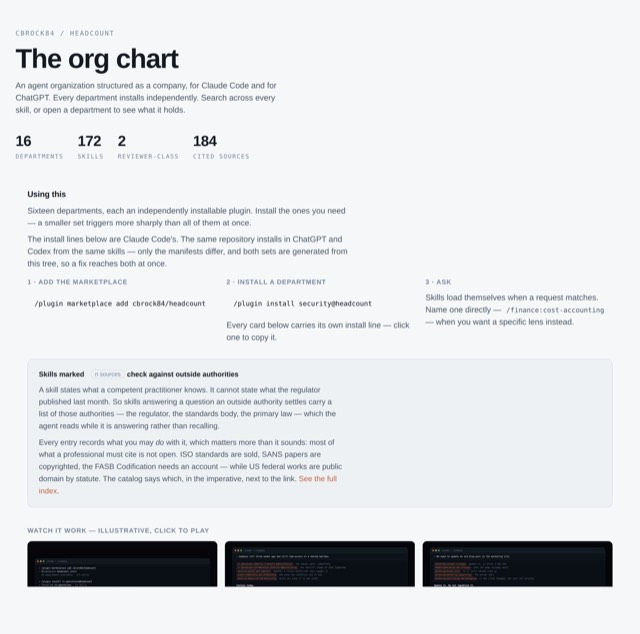
Illustration · not a resultFrom the cbrock84/headcount README — shows the whole collection, not only this skill.source ↗
Negotiates a commercial deal without giving away the terms that matter — preparing your walk-away and theirs, trading concessions rather than conceding them, recognizing the tactics that create false urgency, protecting price by moving other variables, and closing on terms someone can actually deliver.
by cbrock84·MIT license·★ 2,028 Stars on the repo·GitHub ↗
npx degit cbrock84/headcount/plugins/revenue/skills/deal-negotiation#main ~/.claude/skills/deal-negotiationChecked ·commit main
Files of Deal negotiation
Show the full text99 lines
Deal negotiation
Most deals are lost or discounted before the negotiation starts, in the preparation that did not happen. By the time you are trading, your position is largely fixed.
Prepare three numbers and one alternative
- Your target — what a good outcome looks like, set before the conversation and not adjusted because it is late in the quarter.
- Your walk-away — the point below which no deal is better than this deal. Write it down in advance, because it will not survive being decided in the room.
- Your best alternative if this does not close. The strength of your position comes almost entirely from this, and a full pipeline is what makes a walk-away credible rather than a bluff.
- Their alternative, honestly assessed. A buyer with no other viable option and a deadline is in a weaker position than their behavior suggests, and a buyer who genuinely prefers a competitor is in a stronger one than yours.
Understand what they are actually optimizing for
The stated ask is rarely the real constraint. "We need 20% off" is often a budget that was set before the scope, a fiscal calendar, an approval threshold they want to stay under, or a person who needs to be seen negotiating.
Ask what is driving the number. A budget ceiling has several solutions — payment timing, term length, a smaller starting scope — and only one of them is discount.
Trade, never concede
Every concession buys something. A discount buys a longer term, a case study, a faster payment schedule, a reference, or narrower scope. A concession given for nothing teaches the other side that pushing works, and there is always another push.
Concede in decreasing increments. Movements that stay the same size or grow signal that more remains. Small and shrinking signals you are at the end, and it does so more credibly than saying so.
Protect price by moving other variables
Price is the most visible term and the most permanent — it sets the reference for the renewal and, once it leaks, for the next customer. Where you have room, prefer to move term length, scope, payment timing, support tier, or ramp.
Where a discount is genuinely necessary, make it explicit and time-bound rather than a permanently lower rate, and be clear what it was in exchange for.
Recognize the tactics, and do not mirror them
Manufactured deadlines, late-stage demands after agreement in principle, the absent decision-maker, and the aggressive comparison to a competitor's price are all routine. None require a hostile response; they require naming.
The most effective response to a late demand is to reopen something else: if the deal is being re-cut, it is being re-cut on both sides. That converts a one-way ratchet back into a trade.
The end of the quarter is a discount you chose
Buyers know the calendar. If discounting concentrates at period end, that is a forecasting and pipeline problem being paid for out of margin, and it will repeat every period until the pipeline changes.
It reads the same from the buying side
Everything here inverts cleanly when you are the one purchasing — the walk-away, the trade rather than the concession, the shrinking increments, and the tactics you should name rather than mirror. Two differences worth holding onto.
Your alternative is usually weaker than you think, because switching cost is real and the incumbent knows it. Establish what leaving actually costs — data export, notice period, retraining, transition help — before you open, or you are negotiating without knowing your own floor.
The leverage is in the calendar, and it expires. A renewal approached inside the notice window
is a negotiation you have already lost the strongest part of. operations:vendor-management covers
the renewal discipline that keeps that from happening, and operations:procurement-and-sourcing
covers running a competitive process, which is what makes a buy-side walk-away credible at all.
Close on terms someone can deliver
A deal won on a commitment nobody in delivery has agreed to is a churn event with a delay. Anything promised outside the standard agreement — a date, a feature, a service level — needs the person who will own it to have said yes before it is signed.
Sources
references/sources.md in this skill lists the outside authorities that settle the questions
here — what each one is authoritative for, and what you may do with it. Check them before
answering on anything they cover, and cite what you used. Most are free to read and not free
to reproduce; the use note on each is binding.
Never
- Enter a negotiation without a written walk-away.
- Concede anything without naming what it buys.
- Agree to a term on behalf of a team that has not agreed to it.
- Let a discount become a permanent rate when it was earned by a one-time trade.
| 1 | |
| 2 | name deal-negotiation |
| 3 | description Negotiates a commercial deal without giving away the terms that matter — preparing your walk-away and theirs, trading concessions rather than conceding them, recognizing the tactics that create false urgency, protecting price by moving other variables, and closing on terms someone can actually deliver. Use this to prepare for a negotiation, respond to a demand mid-deal, work out why discounts keep landing at quarter end, or review terms before they are signed. |
| 4 | |
| 5 | |
| 6 | # Deal negotiation |
| 7 | |
| 8 | Most deals are lost or discounted before the negotiation starts, in the preparation that did not |
| 9 | happen. By the time you are trading, your position is largely fixed. |
| 10 | |
| 11 | ## Prepare three numbers and one alternative |
| 12 | |
| 13 | **Your target** — what a good outcome looks like, set before the conversation and not adjusted |
| 14 | because it is late in the quarter. |
| 15 | **Your walk-away** — the point below which no deal is better than this deal. Write it down in |
| 16 | advance, because it will not survive being decided in the room. |
| 17 | **Your best alternative if this does not close.** The strength of your position comes almost |
| 18 | entirely from this, and a full pipeline is what makes a walk-away credible rather than a bluff. |
| 19 | **Their alternative**, honestly assessed. A buyer with no other viable option and a deadline is |
| 20 | in a weaker position than their behavior suggests, and a buyer who genuinely prefers a competitor |
| 21 | is in a stronger one than yours. |
| 22 | |
| 23 | ## Understand what they are actually optimizing for |
| 24 | |
| 25 | The stated ask is rarely the real constraint. "We need 20% off" is often a budget that was set |
| 26 | before the scope, a fiscal calendar, an approval threshold they want to stay under, or a person |
| 27 | who needs to be seen negotiating. |
| 28 | |
| 29 | Ask what is driving the number. A budget ceiling has several solutions — payment timing, term |
| 30 | length, a smaller starting scope — and only one of them is discount. |
| 31 | |
| 32 | ## Trade, never concede |
| 33 | |
| 34 | Every concession buys something. A discount buys a longer term, a case study, a faster payment |
| 35 | schedule, a reference, or narrower scope. A concession given for nothing teaches the other side |
| 36 | that pushing works, and there is always another push. |
| 37 | |
| 38 | **Concede in decreasing increments.** Movements that stay the same size or grow signal that more |
| 39 | remains. Small and shrinking signals you are at the end, and it does so more credibly than saying so. |
| 40 | |
| 41 | ## Protect price by moving other variables |
| 42 | |
| 43 | Price is the most visible term and the most permanent — it sets the reference for the renewal and, |
| 44 | once it leaks, for the next customer. Where you have room, prefer to move term length, scope, |
| 45 | payment timing, support tier, or ramp. |
| 46 | |
| 47 | Where a discount is genuinely necessary, make it explicit and time-bound rather than a permanently |
| 48 | lower rate, and be clear what it was in exchange for. |
| 49 | |
| 50 | ## Recognize the tactics, and do not mirror them |
| 51 | |
| 52 | Manufactured deadlines, late-stage demands after agreement in principle, the absent decision-maker, |
| 53 | and the aggressive comparison to a competitor's price are all routine. None require a hostile |
| 54 | response; they require naming. |
| 55 | |
| 56 | The most effective response to a late demand is to reopen something else: if the deal is being |
| 57 | re-cut, it is being re-cut on both sides. That converts a one-way ratchet back into a trade. |
| 58 | |
| 59 | ## The end of the quarter is a discount you chose |
| 60 | |
| 61 | Buyers know the calendar. If discounting concentrates at period end, that is a forecasting and |
| 62 | pipeline problem being paid for out of margin, and it will repeat every period until the pipeline |
| 63 | changes. |
| 64 | |
| 65 | ## It reads the same from the buying side |
| 66 | |
| 67 | Everything here inverts cleanly when you are the one purchasing — the walk-away, the trade rather |
| 68 | than the concession, the shrinking increments, and the tactics you should name rather than mirror. |
| 69 | Two differences worth holding onto. |
| 70 | |
| 71 | **Your alternative is usually weaker than you think**, because switching cost is real and the |
| 72 | incumbent knows it. Establish what leaving actually costs — data export, notice period, retraining, |
| 73 | transition help — before you open, or you are negotiating without knowing your own floor. |
| 74 | |
| 75 | **The leverage is in the calendar, and it expires.** A renewal approached inside the notice window |
| 76 | is a negotiation you have already lost the strongest part of. `operations:vendor-management` covers |
| 77 | the renewal discipline that keeps that from happening, and `operations:procurement-and-sourcing` |
| 78 | covers running a competitive process, which is what makes a buy-side walk-away credible at all. |
| 79 | |
| 80 | ## Close on terms someone can deliver |
| 81 | |
| 82 | A deal won on a commitment nobody in delivery has agreed to is a churn event with a delay. Anything |
| 83 | promised outside the standard agreement — a date, a feature, a service level — needs the person who |
| 84 | will own it to have said yes before it is signed. |
| 85 | |
| 86 | ## Sources |
| 87 | |
| 88 | `references/sources.md` in this skill lists the outside authorities that settle the questions |
| 89 | here — what each one is authoritative for, and what you may do with it. Check them before |
| 90 | answering on anything they cover, and cite what you used. Most are free to read and not free |
| 91 | to reproduce; the use note on each is binding. |
| 92 | |
| 93 | ## Never |
| 94 | |
| 95 | Enter a negotiation without a written walk-away. |
| 96 | Concede anything without naming what it buys. |
| 97 | Agree to a term on behalf of a team that has not agreed to it. |
| 98 | Let a discount become a permanent rate when it was earned by a one-time trade. |
| 99 |
Discussion
Alternatives
 📊 YouTube to Case StudyTurn any YouTube video (founder interview, product teardown, conference talk, marketing breakdown, UX walkthrough, podcast) into a beautiful case-study slideshow: one HTML file that opens in any browser, built on reveal.js, with speaker notes and every fact linked to the exact second in the video. Use this skill whenever someone wants a case study, business case study, marketing case study, UX case study, product teardown, growth teardown, competitor breakdown, swipe file, lesson deck, or presentation / slides / deck from a YouTube video or link. Also trigger on 'turn this video into a case study', 'make slides from this YouTube video', 'case study from this talk', 'teardown of this video', 'youtube to slides', 'youtube to presentation', or 'summarize this video as a deck'. Works for marketers, educators, product managers, students, and consultants; no coding needed.
Browse more free Claude skills or everything in Sales.