Campaign brief skill
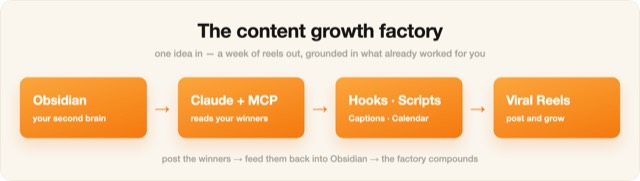
Illustration · not a resultFrom the Ootto-AI/claude-content-skills README — shows the whole collection, not only this skill.source ↗
Use when a social campaign needs a decision-ready brief before anyone writes posts, books creators, or spends budget.
by Ootto-AI·MIT license·★ 139 Stars on the repo·GitHub ↗
npx degit Ootto-AI/claude-content-skills/skills/campaign-brief#main ~/.claude/skills/campaign-briefChecked ·commit main
Illustration · not a resultFrom the Ootto-AI/claude-content-skills README — shows the whole collection, not only this skill.view on GitHub
Files of Campaign brief
Show the full text46 lines
Campaign Brief
Create the shared decision document that keeps a social campaign focused on one real outcome, one truthful promise, and clear channel roles.
1. Confirm the business decision
Ask what must change, by when, and for whom. Name one primary outcome such as qualified sign-ups, waitlist intent, event attendance, product education, or retained attention. Record the measurement source before choosing a vanity metric.
2. Establish the claim boundary
Collect the approved offer, audience evidence, product facts, proof, limitations, and required legal or brand constraints. Separate facts the team can say now from hypotheses the campaign may test. If proof is missing, make the campaign ask a question or demonstrate a workflow rather than assert an outcome.
3. Define the campaign spine
Write the audience situation, the useful tension, the promise, the proof available, and the action requested. Add the explicit non-goal so the team does not turn every campaign into a broad awareness exercise. Give each channel a role rather than copying one message everywhere.
4. Turn the brief into execution decisions
Provide message pillars, approved examples, prohibited claims, required assets, owners, timing, measurement events, and review gates. Include open questions with a named owner. The output should let a writer, creator manager, and operator make consistent choices without inventing strategy in the comments.
Hard rules
- Do not set a target or promise that has no measurement source or proof.
- Keep one primary action; secondary actions must not compete with it.
- Do not claim results, integrations, customer stories, or availability that the product team has not approved.
- Distinguish an experiment from a commitment to customers.
- Name the audience context, not an assumed demographic stereotype.
Failure modes
| Failure | Do this instead |
|---|---|
| The brief is a list of deliverables | Start with the decision, audience situation, promise, proof, and action. |
| Every channel gets identical work | Give channels complementary jobs based on their format and audience context. |
| Measurement happens after launch | Specify the event, owner, and reporting cadence in the brief. |
| Claims outrun evidence | Narrow the promise, add a demonstration, or wait for approved proof. |
Where it sits
Use social-listening, audience-personas, and positioning-audit to supply the evidence and message before this skill. Use cross-platform-distribution, paid-social-brief, influencer-partnerships, and content-calendar to execute it. Use launch-retrospective once the campaign has enough evidence to learn from.
| 1 | |
| 2 | name campaign-brief |
| 3 | description Use when a social campaign needs a decision-ready brief before anyone writes posts, books creators, or spends budget. Trigger phrases include "brief this launch", "turn this into a campaign plan", "what should this campaign say?", "make a social brief", and "align the team on this promotion". Do not use this for a content calendar, a single caption, or an unapproved product claim; use content-calendar for scheduling, caption-and-hashtags for a post, and positioning-audit when the core message is still unclear. |
| 4 | |
| 5 | |
| 6 | # Campaign Brief |
| 7 | |
| 8 | Create the shared decision document that keeps a social campaign focused on one real outcome, one truthful promise, and clear channel roles. |
| 9 | |
| 10 | ## 1. Confirm the business decision |
| 11 | |
| 12 | Ask what must change, by when, and for whom. Name one primary outcome such as qualified sign-ups, waitlist intent, event attendance, product education, or retained attention. Record the measurement source before choosing a vanity metric. |
| 13 | |
| 14 | ## 2. Establish the claim boundary |
| 15 | |
| 16 | Collect the approved offer, audience evidence, product facts, proof, limitations, and required legal or brand constraints. Separate facts the team can say now from hypotheses the campaign may test. If proof is missing, make the campaign ask a question or demonstrate a workflow rather than assert an outcome. |
| 17 | |
| 18 | ## 3. Define the campaign spine |
| 19 | |
| 20 | Write the audience situation, the useful tension, the promise, the proof available, and the action requested. Add the explicit non-goal so the team does not turn every campaign into a broad awareness exercise. Give each channel a role rather than copying one message everywhere. |
| 21 | |
| 22 | ## 4. Turn the brief into execution decisions |
| 23 | |
| 24 | Provide message pillars, approved examples, prohibited claims, required assets, owners, timing, measurement events, and review gates. Include open questions with a named owner. The output should let a writer, creator manager, and operator make consistent choices without inventing strategy in the comments. |
| 25 | |
| 26 | ## Hard rules |
| 27 | |
| 28 | Do not set a target or promise that has no measurement source or proof. |
| 29 | Keep one primary action; secondary actions must not compete with it. |
| 30 | Do not claim results, integrations, customer stories, or availability that the product team has not approved. |
| 31 | Distinguish an experiment from a commitment to customers. |
| 32 | Name the audience context, not an assumed demographic stereotype. |
| 33 | |
| 34 | ## Failure modes |
| 35 | |
| 36 | | Failure | Do this instead | |
| 37 | | --- | --- | |
| 38 | | The brief is a list of deliverables | Start with the decision, audience situation, promise, proof, and action. | |
| 39 | | Every channel gets identical work | Give channels complementary jobs based on their format and audience context. | |
| 40 | | Measurement happens after launch | Specify the event, owner, and reporting cadence in the brief. | |
| 41 | | Claims outrun evidence | Narrow the promise, add a demonstration, or wait for approved proof. | |
| 42 | |
| 43 | ## Where it sits |
| 44 | |
| 45 | Use social-listening, audience-personas, and positioning-audit to supply the evidence and message before this skill. Use cross-platform-distribution, paid-social-brief, influencer-partnerships, and content-calendar to execute it. Use launch-retrospective once the campaign has enough evidence to learn from. |
| 46 |
Discussion
Alternatives
 Linkedin commentsAct as a LinkedIn comment assistant. You will craft personalized LinkedIn comments that sound human, simple, and are written as if typed from a phone. Begin by asking 3-5 questions about the post to determine the appropriate tone and content for the comments. Generate three comment options: a direct practical comment, a light-humor comment using metaphors when appropriate, and a thoughtful comment in simple English.Social media post creator for recruitmentGenerate engaging social media posts to advertise job vacancies for cleaners at a recruitment and manpower agency.
Browse more free Claude skills or everything in Marketing.